
Kruisoprichting — History & Facts
What secret hides in the quiet of the canvas? In Kruisoprichting, violence simmers beneath the surface, where the stillness of the moment contrasts starkly with the impending chaos. Focus on the center, where the figures are engaged in a grim task, their expressions a mix of determination and despair. Notice how the muted palette of ochres and dark browns envelops the scene, imbuing it with an unsettling gravity. The figures’ gestures are taut, their bodies angled sharply—an embodiment of tension—as they labor to raise the cross.
The stark interplay of light and shadow draws the viewer’s gaze, highlighting the physical strain and emotional weight of their actions. Delve deeper to uncover the emotional undercurrents at play. The looming presence of the cross serves as a potent symbol of sacrifice and suffering, while the surrounding figures represent both perpetrators and victims of violence. The contrast between the meticulous detail of their labor and the facelessness of the crowd around them presents a poignant commentary on the dehumanizing effects of such brutality.
Each brushstroke encapsulates a narrative of distress, inviting contemplation on the nature of morality and the human condition. Created between 1619 and 1624, this work emerged during a tumultuous period for Jacques Callot, marked by the Thirty Years' War. Living in France, he experienced an art world evolving with Baroque influences while wrestling with the stark realities of conflict. This piece reflects not just a historical moment but an artist grappling with the weight of human suffering, encapsulated in the simplicity of an act as profound and painful as the raising of the cross.
More Artworks by Jacques Callot
Browse all →
Titelprent voor de prentreeks 'De kleine apostelen' (Het martelaarschap van de apostelen)
Jacques Callot
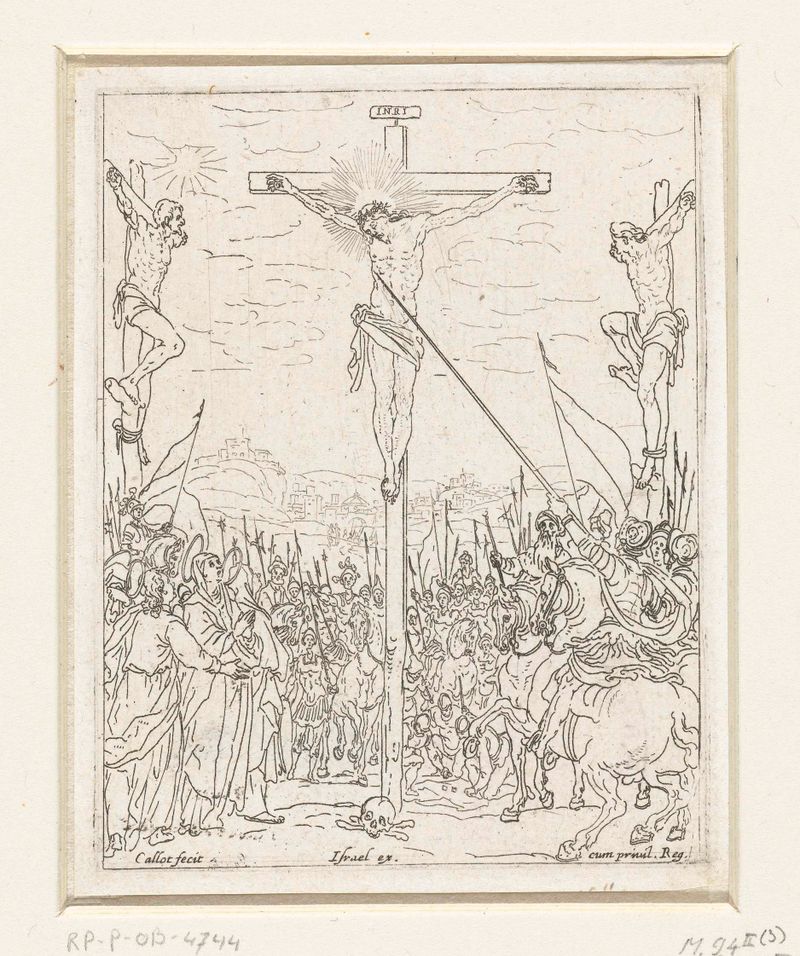
Kruisiging
Jacques Callot

De doortocht door de Rode Zee
Jacques Callot

De verloren zoon als zwijnenhoeder
Jacques Callot

Annunciatie
Jacques Callot
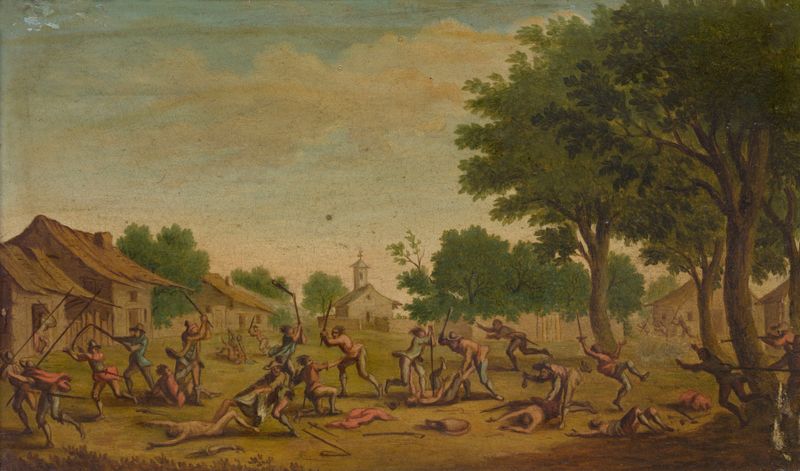
Village Fight
Jacques Callot

Titelprent voor prentreeks 'Het leven van Maria'
Jacques Callot
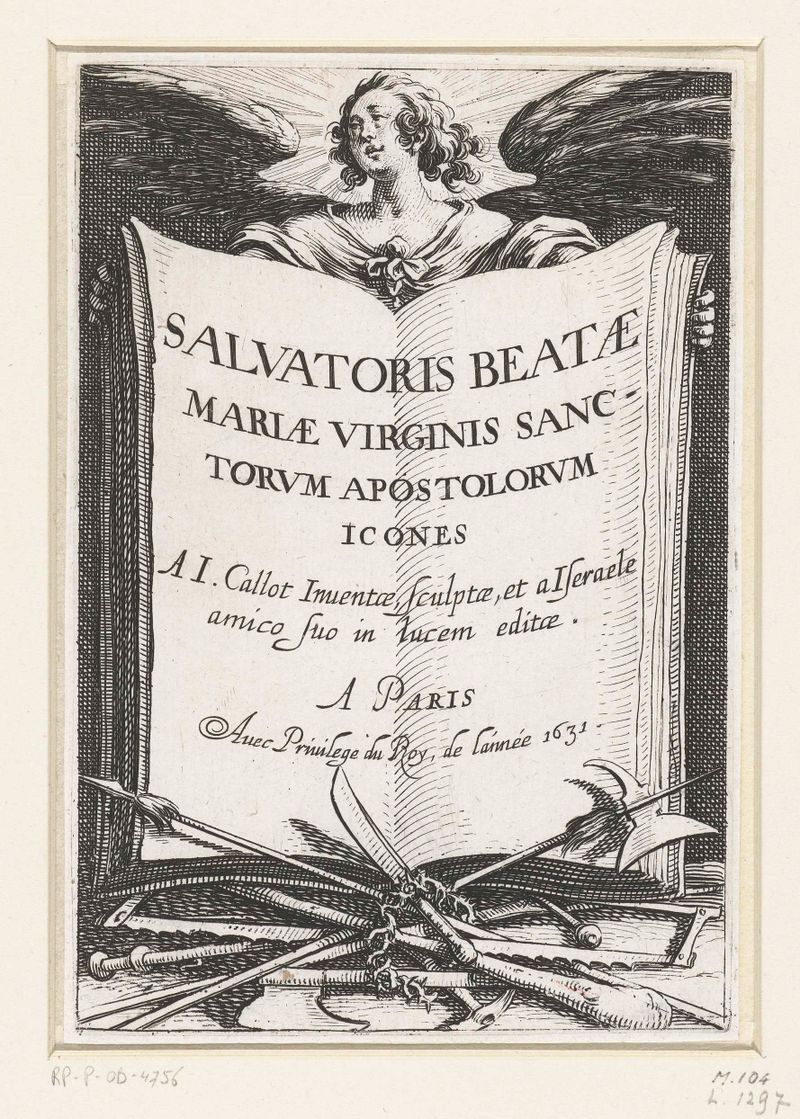
Titelprent voor de prentreeks 'De grote apostelen' (Christus, Maria en de apostelen)
Jacques Callot

Christus aan het volk getoond (Ecce homo)
Jacques Callot
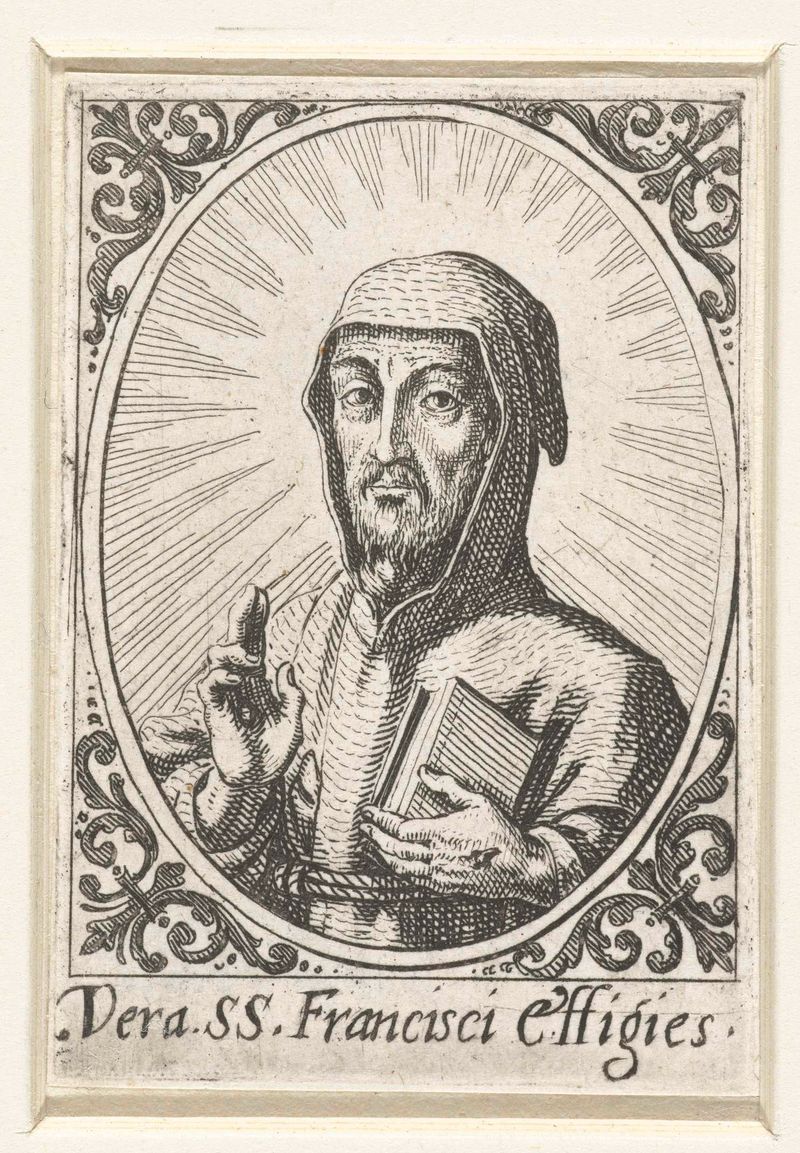
Portret van de Heilige Franciscus
Jacques Callot
More Religious Art
Browse all →
The Return of the Prodigal Son
Rembrandt van Rijn

The Garden of Earthly Delights
El Bosco

Count Orgaz’ funeral
El Greco

The Hundred Guilder Print: the central piece with Christ preaching, the plate arched
Rembrandt van Rijn

The Descent from the Cross
Rogier van der Weyden

The return of the prodigal son
Rembrandt van Rijn