
Kynance — History & Facts
This sentiment resonates profoundly in the tranquil embrace of memory, where echoes linger long after the moments have passed. Nostalgia weaves itself into our perception, coloring the past with hues both tender and bittersweet. Look to the foreground of Kynance, where the vibrant greens of the cliffs meet the soft blues of the sea. The swirling waves crash against the rugged rocks, their frothy edges dancing in the sunlight.
As your gaze travels upwards, notice the shifting clouds; they reflect an array of hues that seem to change with the viewer’s emotions. The masterful brushwork captures the raw beauty of nature, yet there is an underlying stillness that invites contemplation. This painting holds a whispered tension between the chaos of the ocean and the steadfastness of the land. The juxtaposition of the dynamic waves against the solid cliffs suggests resilience amid life’s turbulence.
The atmospheric quality of the sky imbues the scene with a sense of impermanence, evoking memories of golden days that slip away, leaving only traces behind. Each element seems to speak to the fleeting nature of beauty and time, prompting the viewer to reflect on their personal history. Created in 1888, the piece emerged during a period of personal and artistic growth for the artist, who was drawn to the coast of Cornwall for its dramatic landscapes. At this time, Brett was part of the Newlyn School movement, which focused on naturalism and the effects of light in coastal settings.
The world of art was transitioning, with shifts towards Impressionism influencing his technique, yet Brett remained rooted in the beauty of the British landscape, capturing its essence through both color and form.
More Artworks by John Brett
Browse all →
The Cornish Coast Near Newquay
John Brett

A View of Felixstowe
John Brett
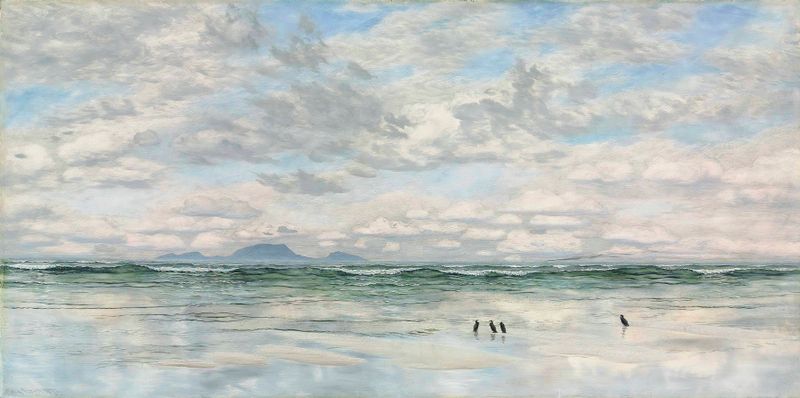
A Summer Day, Whitesands Bay, Pembrokeshire, South Wales
John Brett

Heavy Squall off the Start Lighthouse
John Brett

Entrance To Yarmouth Harbour
John Brett
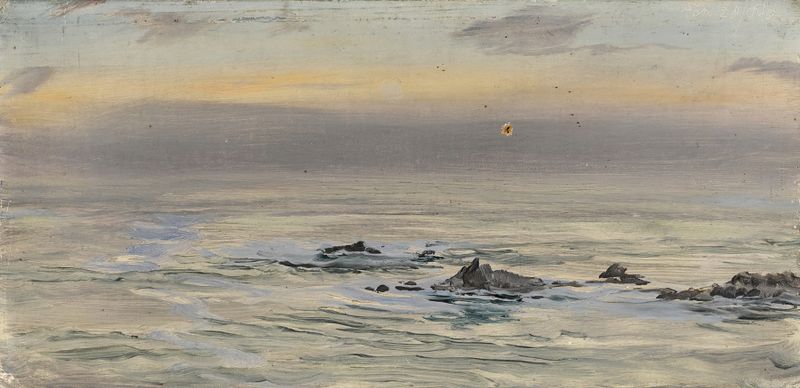
The Close Of A Summer Day
John Brett
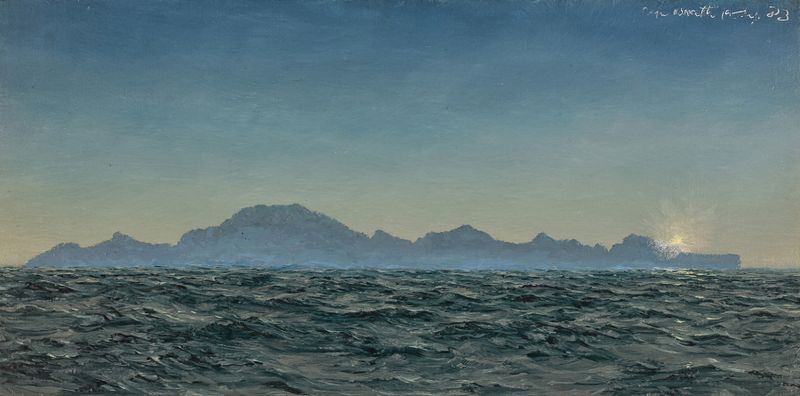
Cape Wrath
John Brett
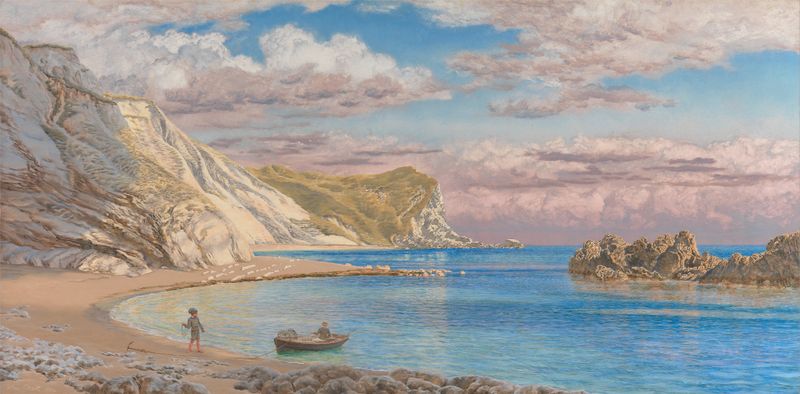
Man of War Rocks, Coast of Dorset
John Brett
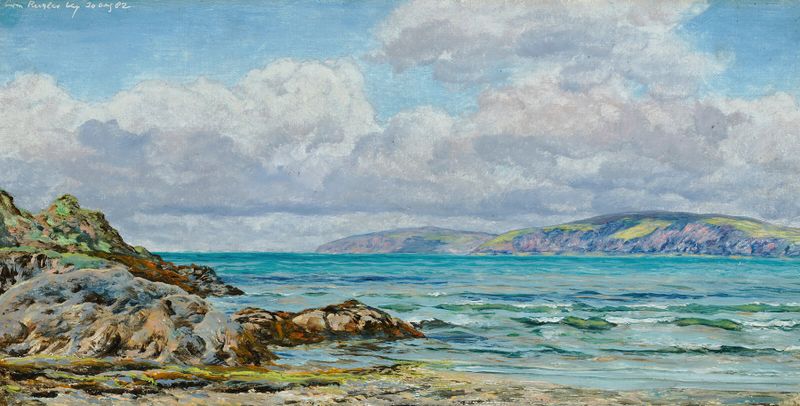
Cwm-yr-Eglwys Bay
John Brett
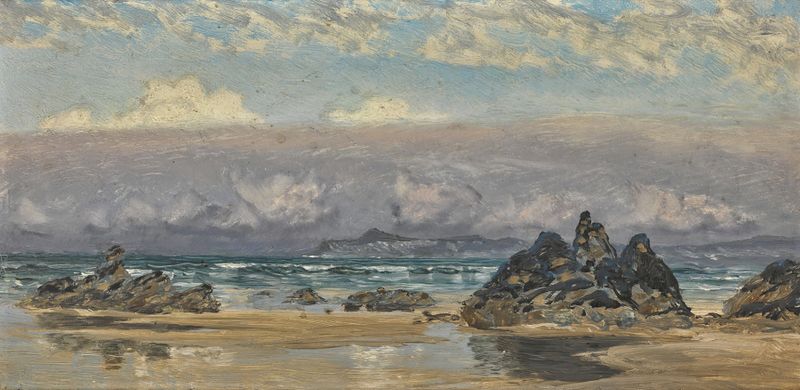
Newquay, Cornwall
John Brett





