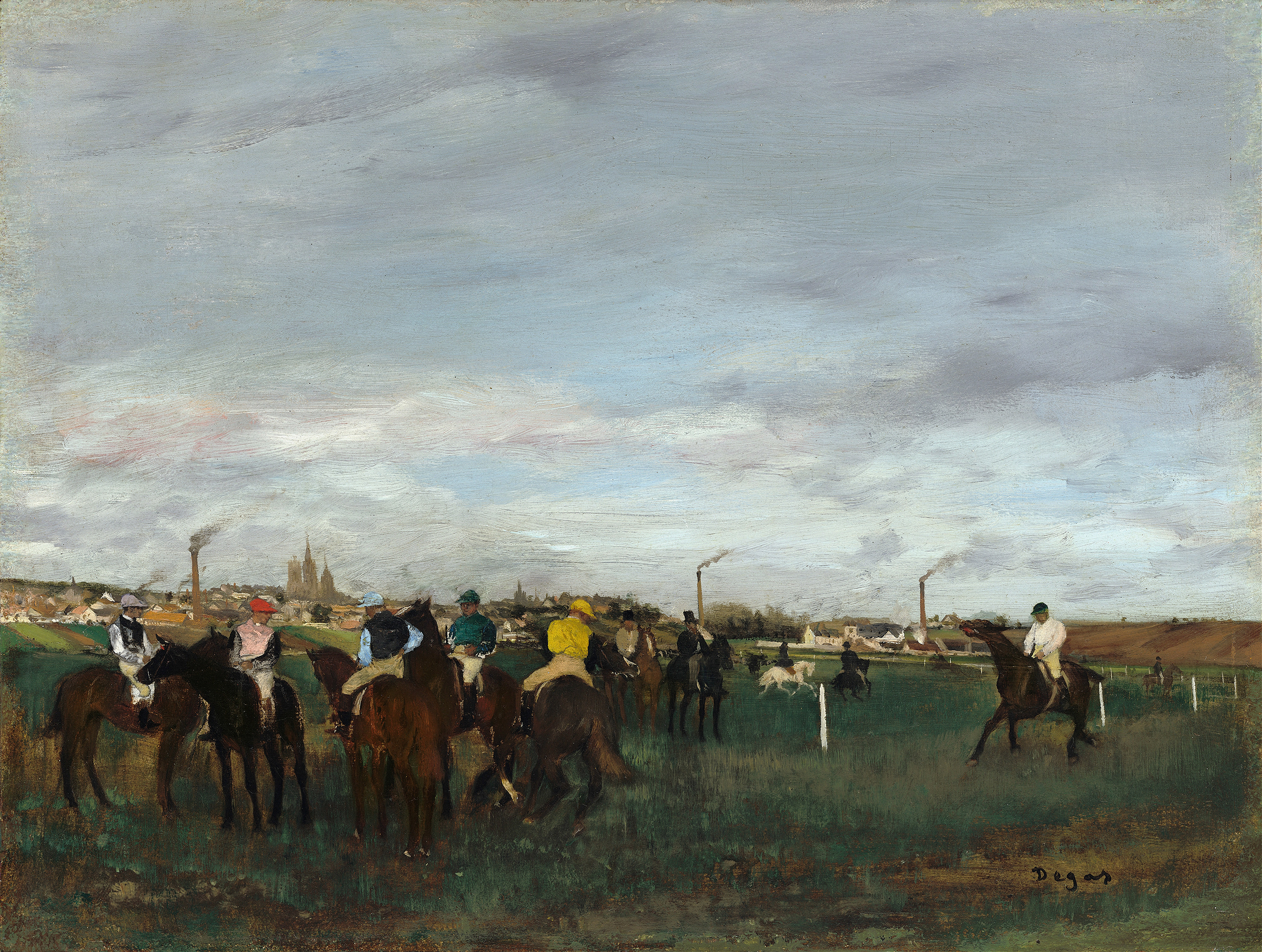
Discover insights about this artwork
L’âne — History & Facts
In L’âne, Gustave Courbet presents a donkey in a lush, green landscape. The colors are rich and earthy, with deep greens and browns dominating the scene. The donkey stands out with its soft gray fur, contrasting against the vibrant background.
This natural setting captures the essence of rural life in 19th-century France. The painting is executed in oil on canvas, showcasing Courbet's skill in depicting textures and forms. The brushwork is loose yet deliberate, allowing for a sense of movement and life in the donkey. The dimensions are approximately 60 x 80 cm, making it an intimate piece that invites close viewing.
The realistic style emphasizes the donkey's features and the surrounding environment. Gustave Courbet was a leading figure in the Realism movement, focusing on everyday subjects. L’âne reflects his interest in animals and nature, common themes in his work. Interestingly, this painting was likely created during the 1870s, a time when Courbet was exploring more personal and intimate subjects.
It serves as a testament to his ability to elevate ordinary scenes into works of art.
More Artworks by Gustave Courbet
Origin of the World
Gustave Courbet
Marine
Gustave Courbet
Waves
Gustave Courbet
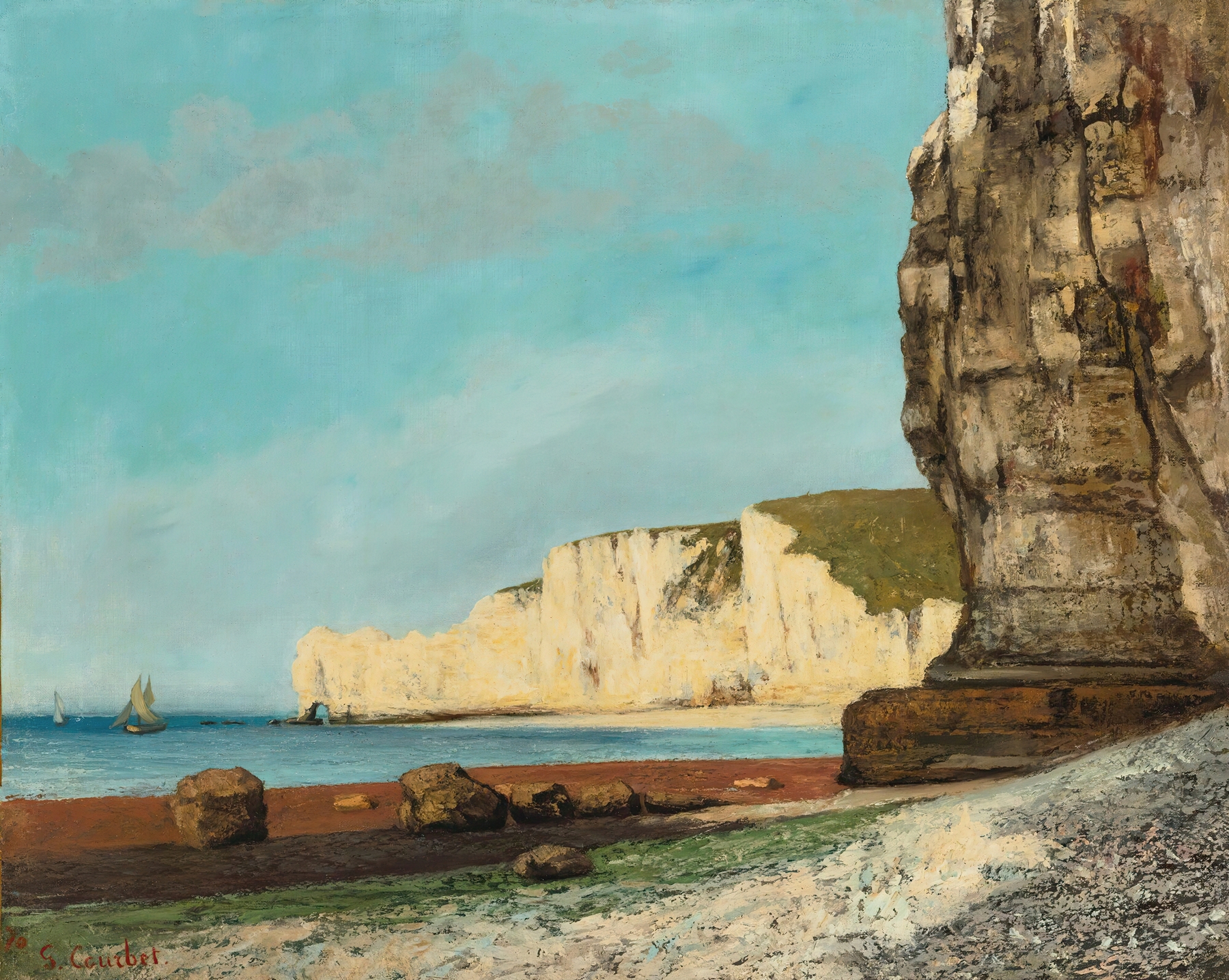
Étretat; Les Falaises
Gustave Courbet
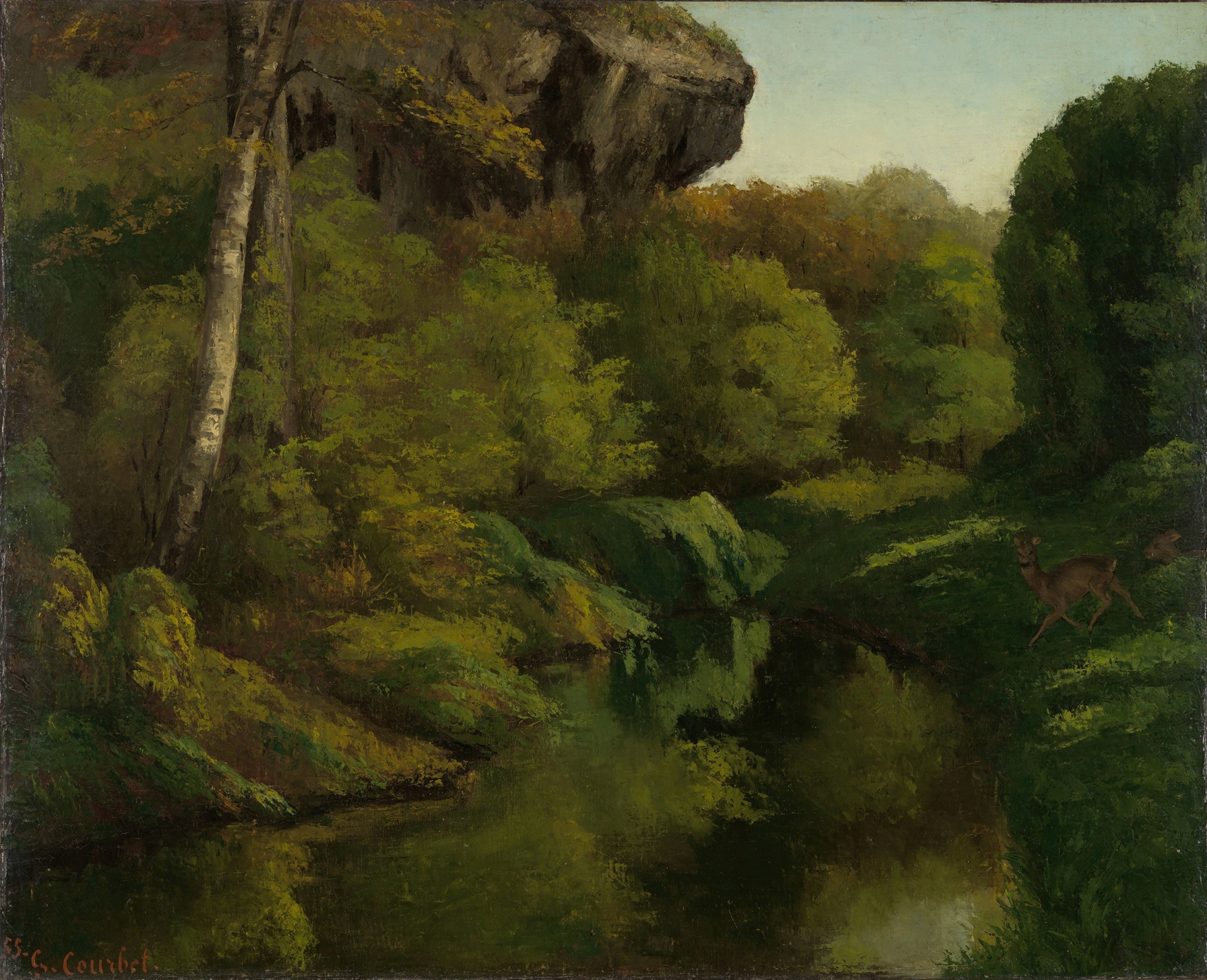
View in the Forest of Fontainebleau
Gustave Courbet
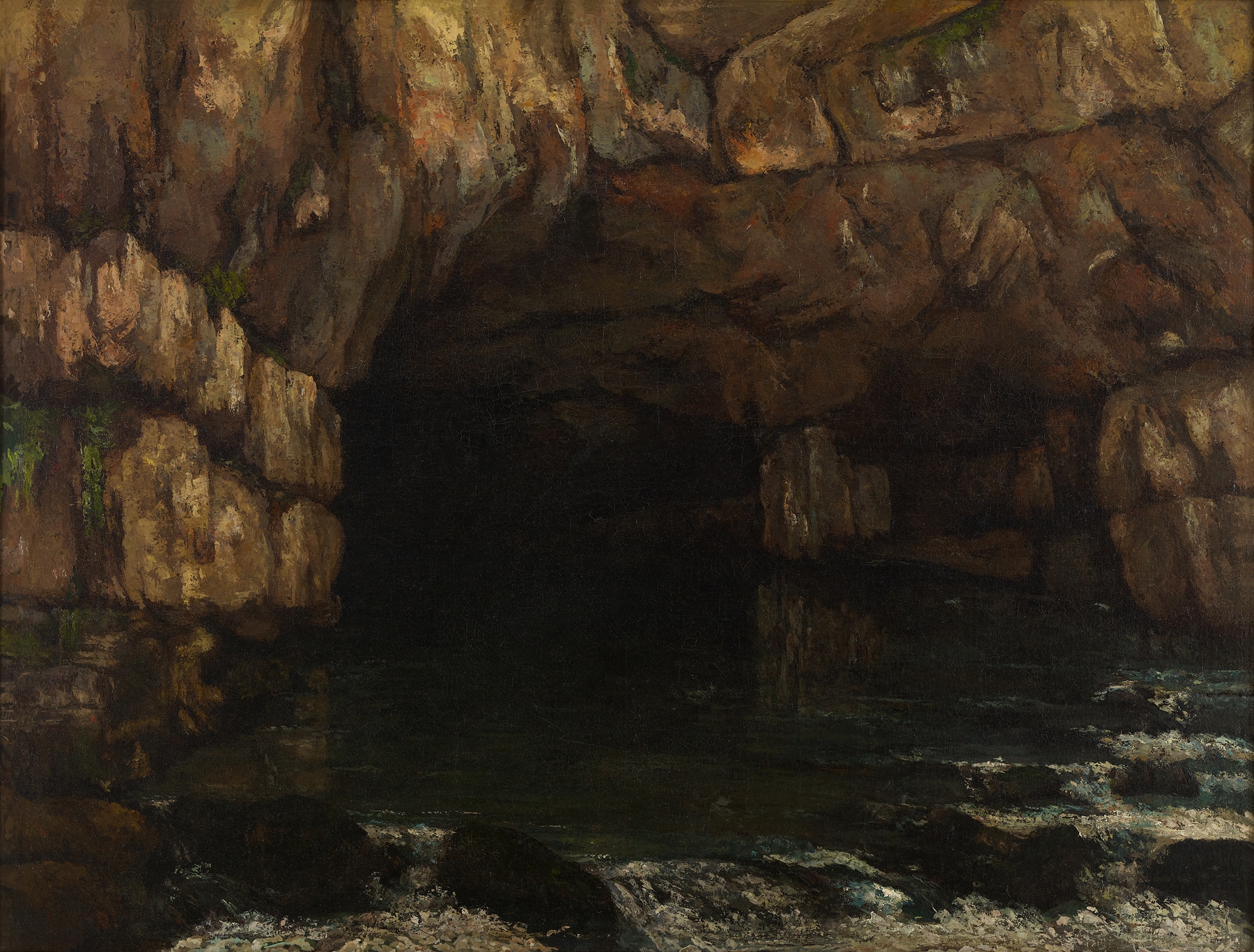
La source de la Loue (The Source of the Loue)
Gustave Courbet
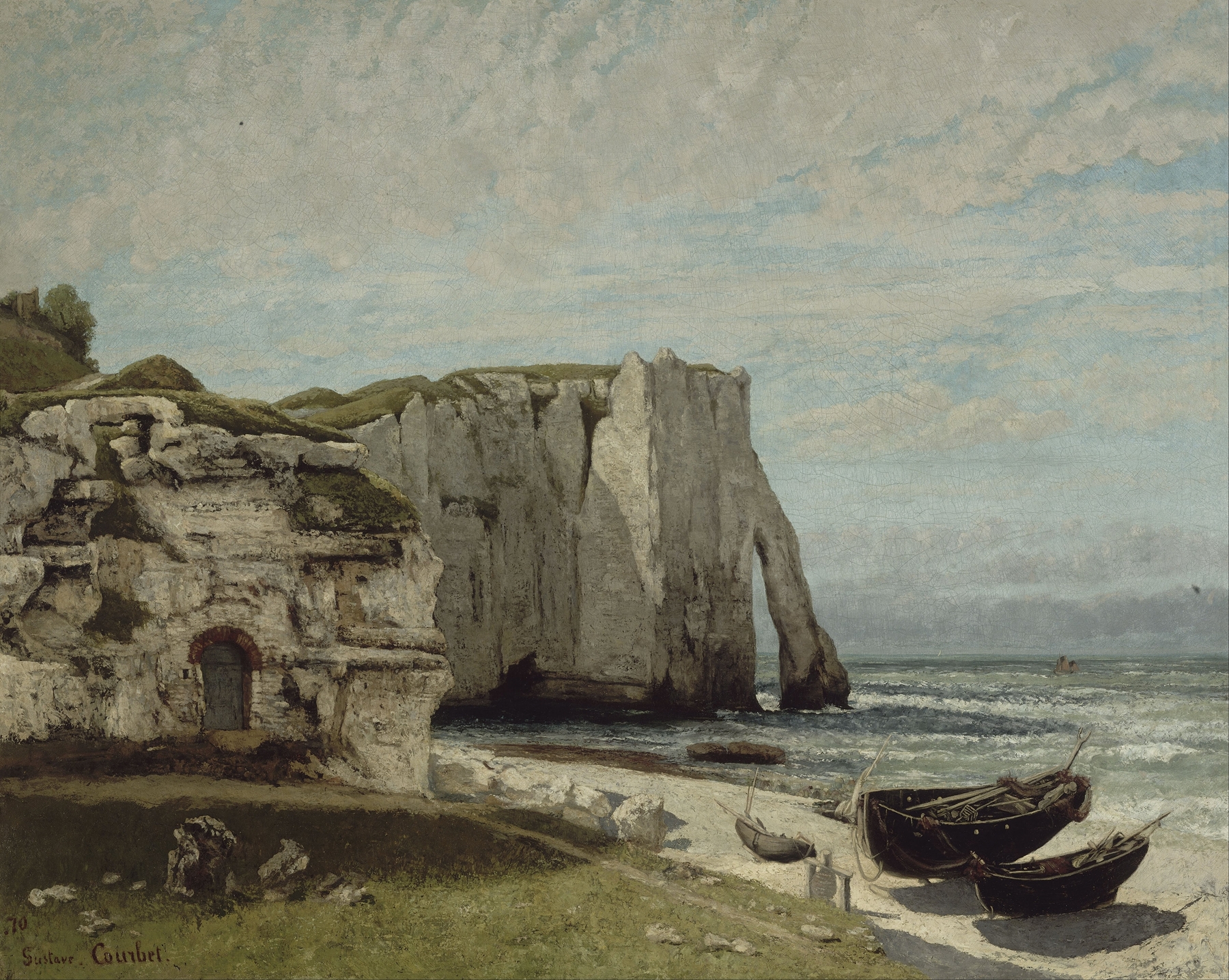
The Etretat Cliffs after the Storm
Gustave Courbet
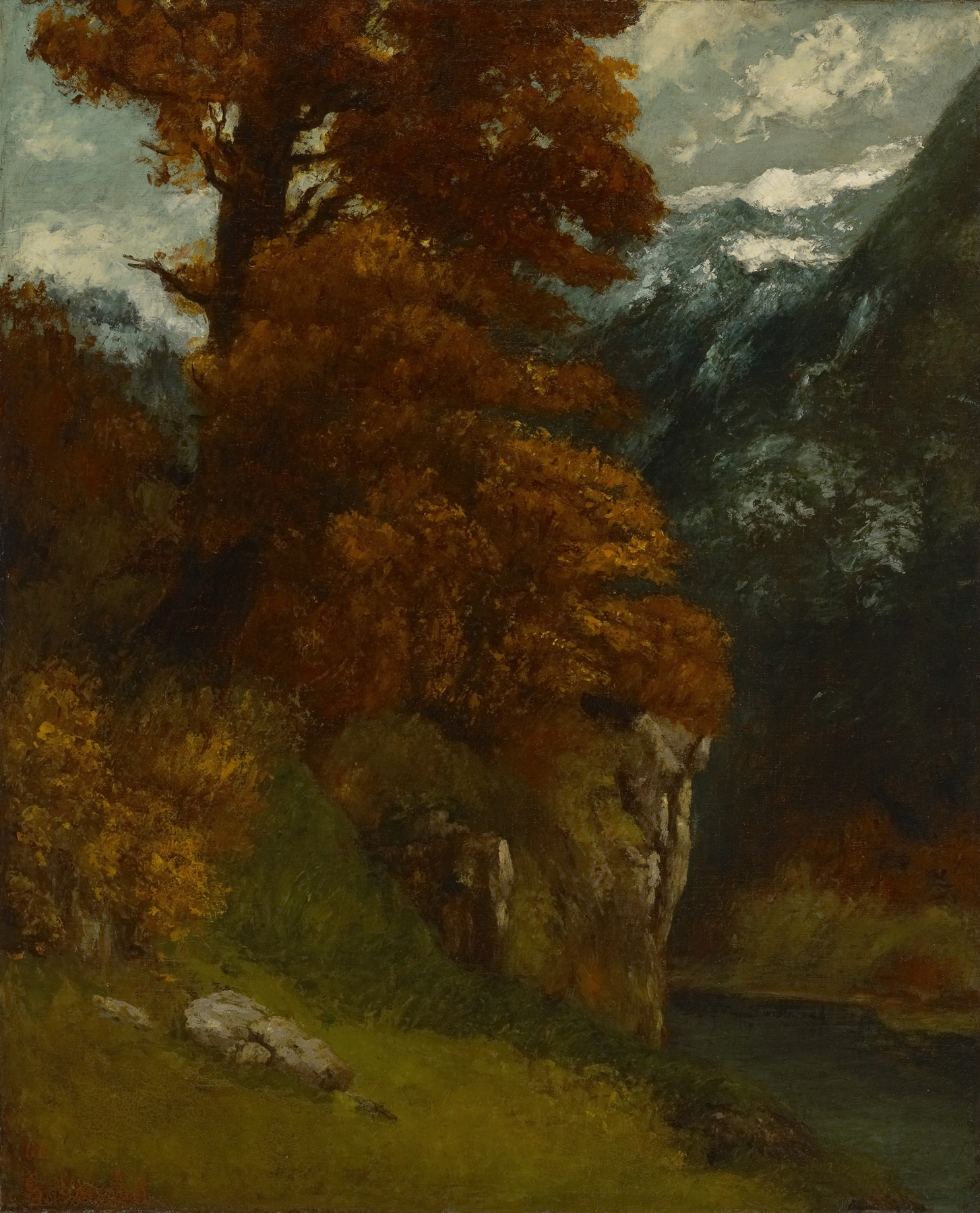
The Glen at Ornans (Bords du Doubs; Effet d’Automne)
Gustave Courbet
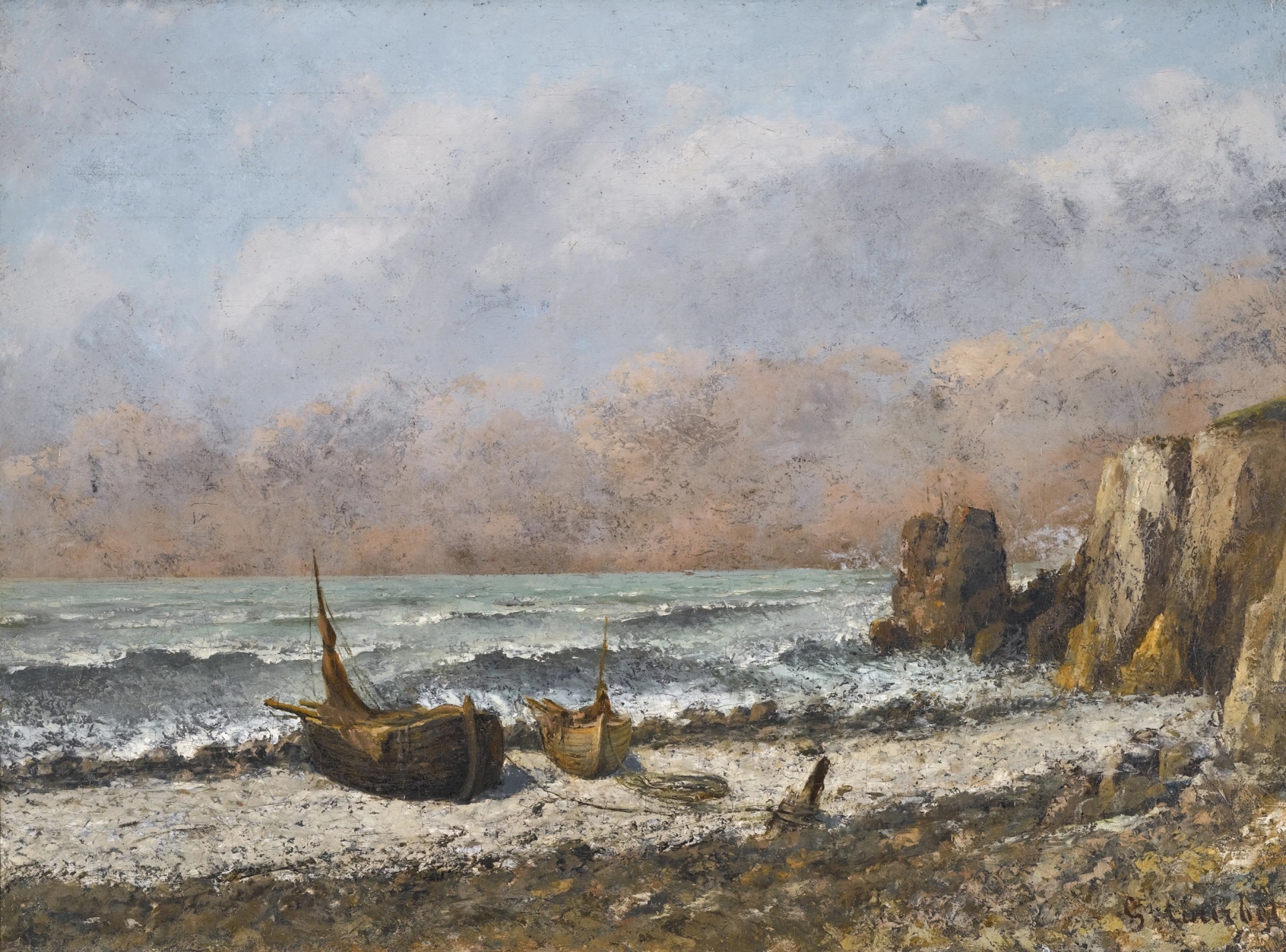
Deux bateaux sur la plage
Gustave Courbet
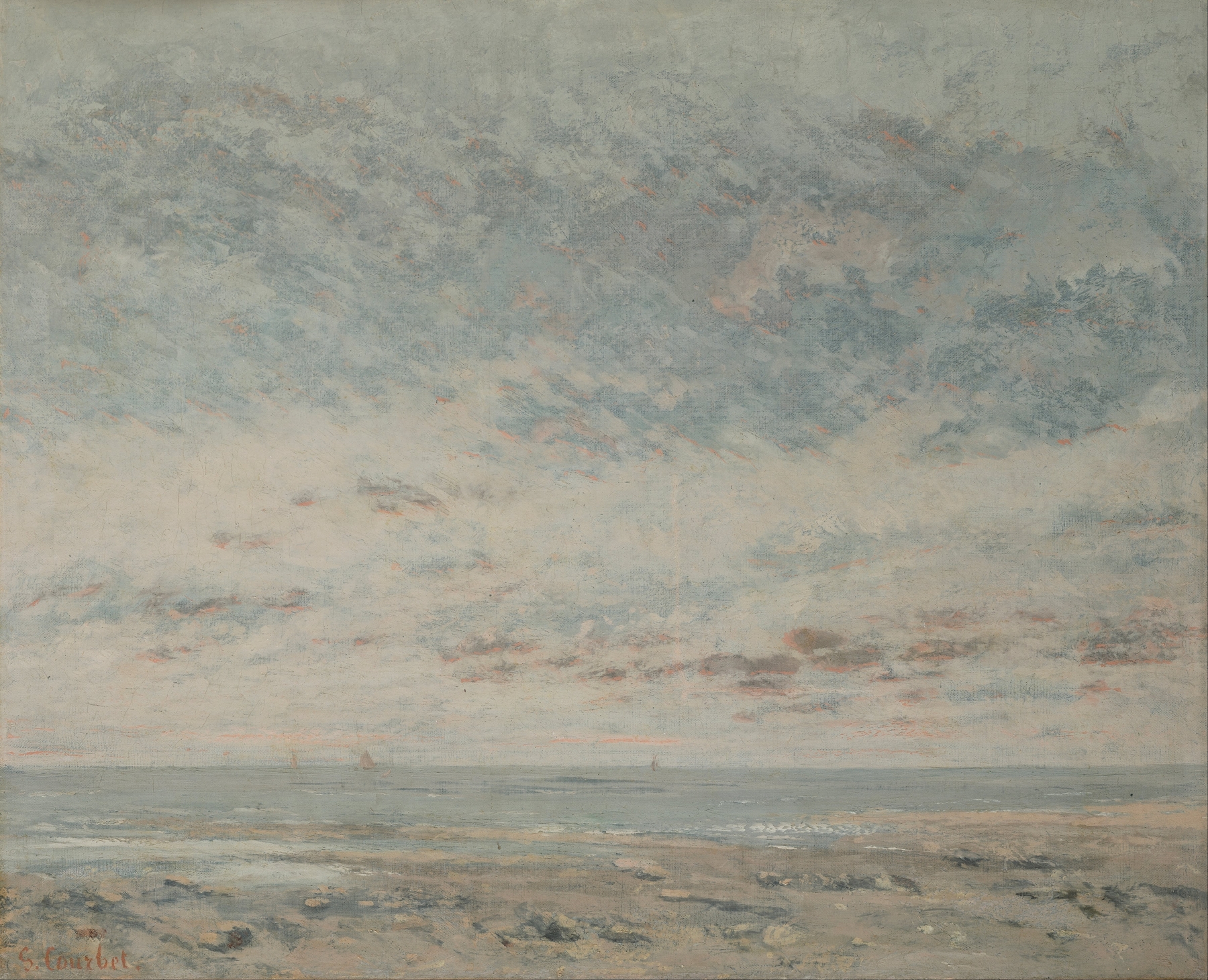
Low Tide at Trouville
Gustave Courbet