
L’enfant prodigue chez les bourgeois — History & Facts
In L’enfant prodigue chez les bourgeois, the viewer sees a lively domestic scene filled with warm colors. The figures are depicted in a moment of reunion, with expressions ranging from surprise to joy. The setting suggests a bourgeois interior, with elegant furnishings and a sense of comfort.
The artist uses a palette that emphasizes the warmth of the moment, with soft yellows, reds, and browns dominating the composition. The painting is executed in oil on canvas, showcasing Pascin's skillful brushwork and attention to detail. The figures are rendered with a sense of movement, capturing the emotional intensity of the scene. The dimensions are approximately 100 x 80 cm, making it a sizable work that invites viewers to engage closely.
The use of light and shadow adds depth, enhancing the overall atmosphere of the piece. Jules Pascin was known for his depictions of modern life and the complexities of human relationships. This work reflects his interest in the themes of family and belonging, often exploring the contrasts between different social classes. An interesting fact about this painting is that it captures a moment of reconciliation, a common theme in Pascin's oeuvre, highlighting his ability to portray intimate human experiences.
The work is part of a private collection, emphasizing its exclusive nature.
More Artworks by Jules Pascin
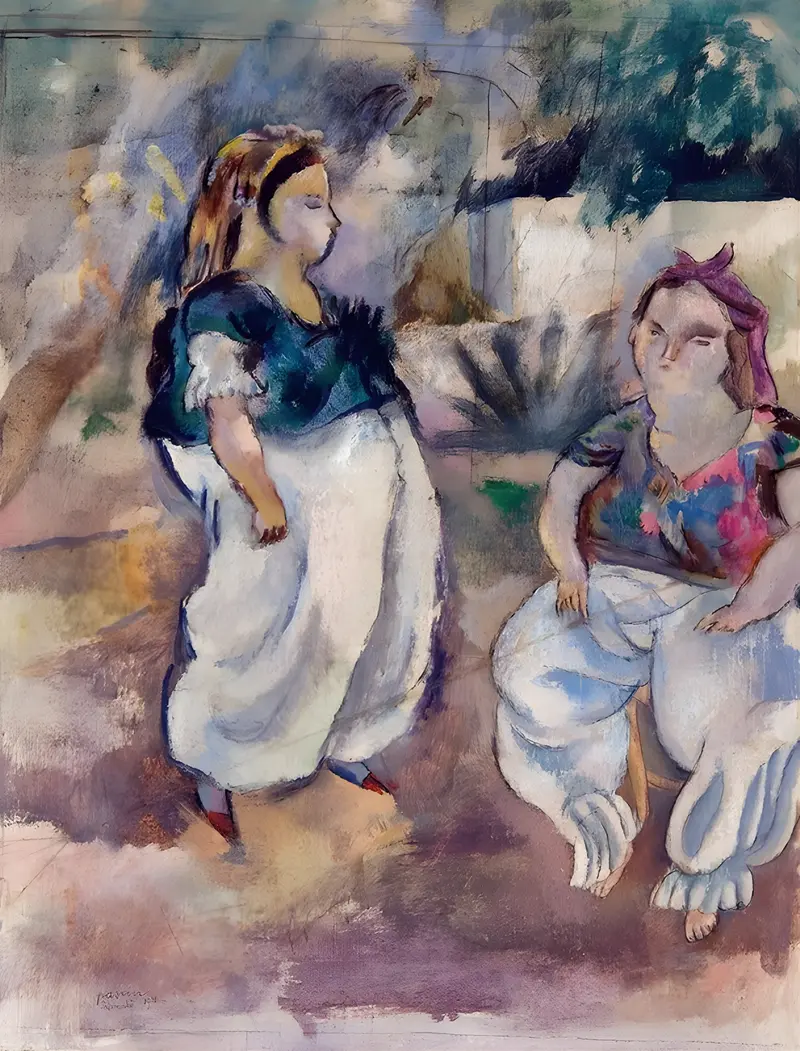
Les Tunisiennes
Jules Pascin
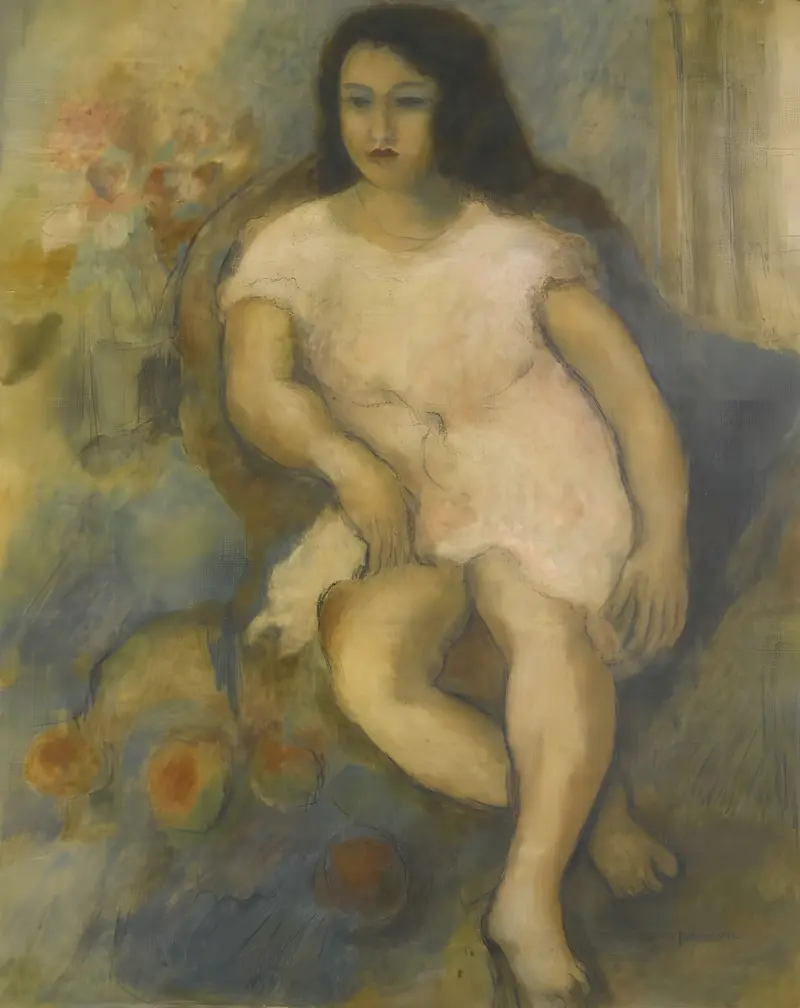
Jeune femme assise
Jules Pascin

Jeune fille en chemise
Jules Pascin

Brune Au Collier Bleu
Jules Pascin
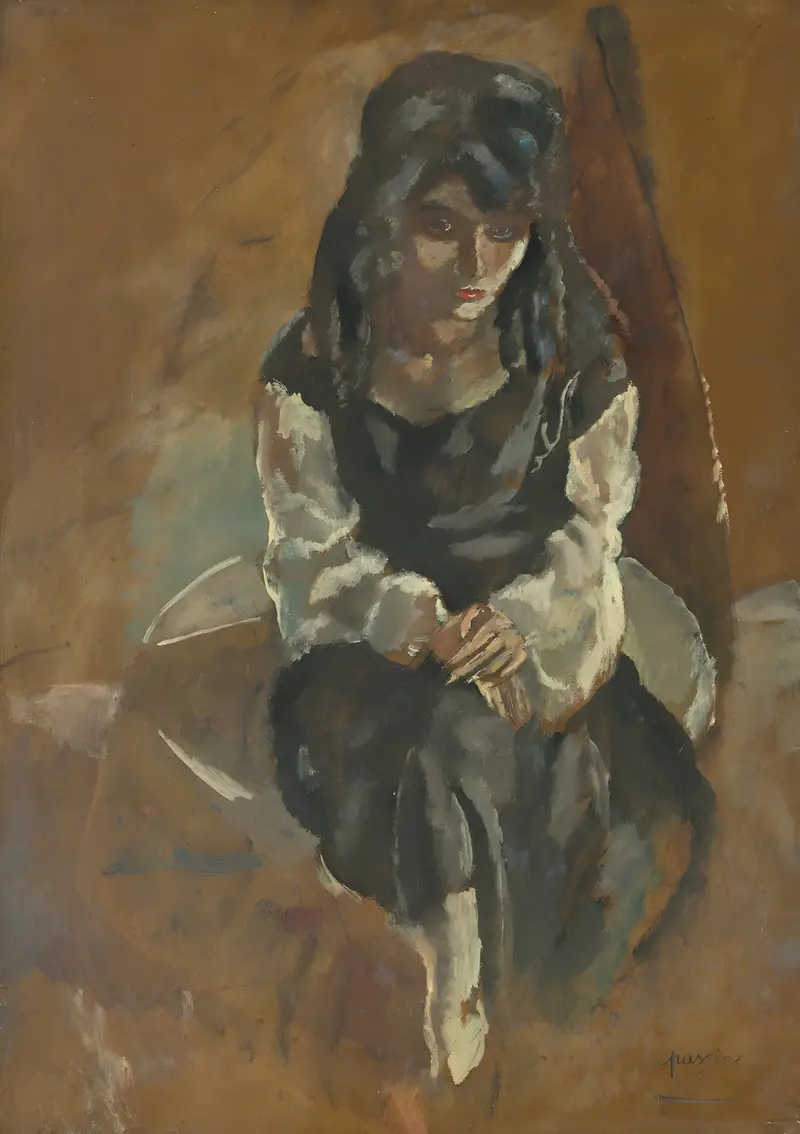
La Princesse persane
Jules Pascin
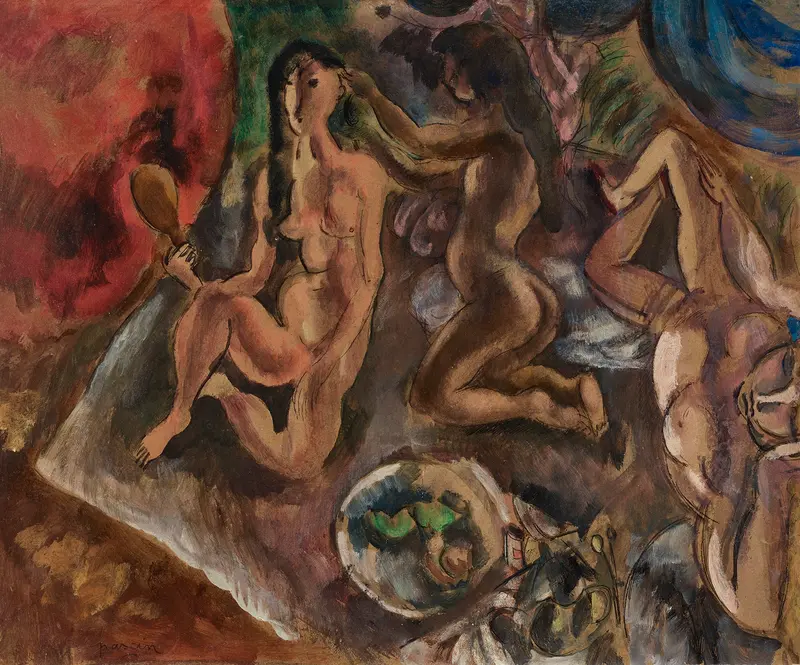
La toilette aux tropiques
Jules Pascin

Le Peintre Et Son Modèle
Jules Pascin
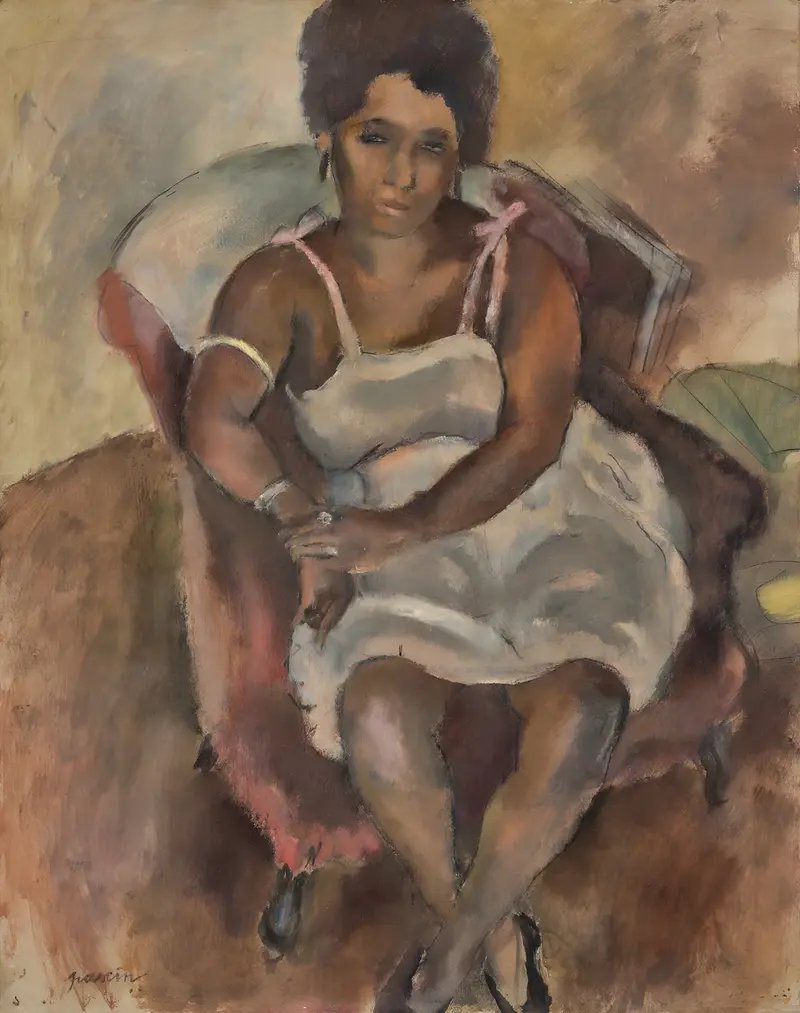
Julie, la Martiniquaise
Jules Pascin
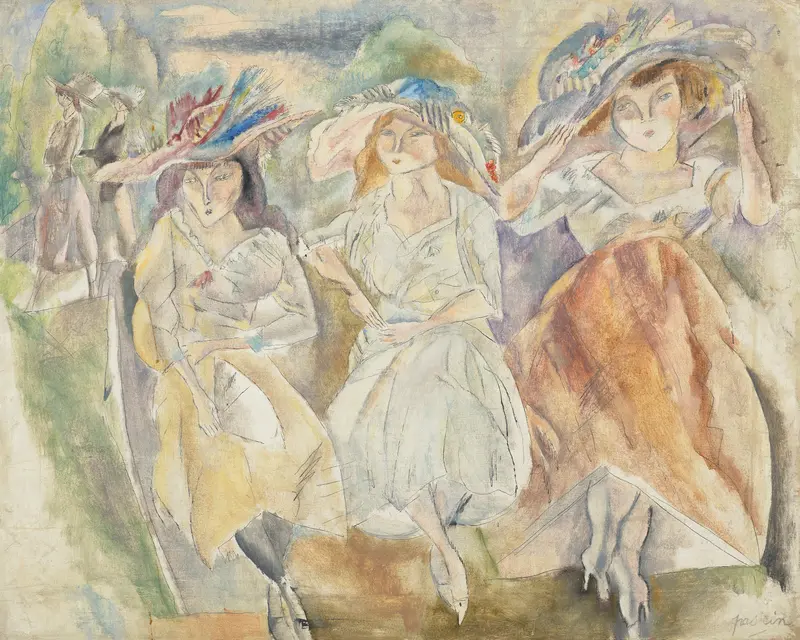
Les grands chapeaux
Jules Pascin
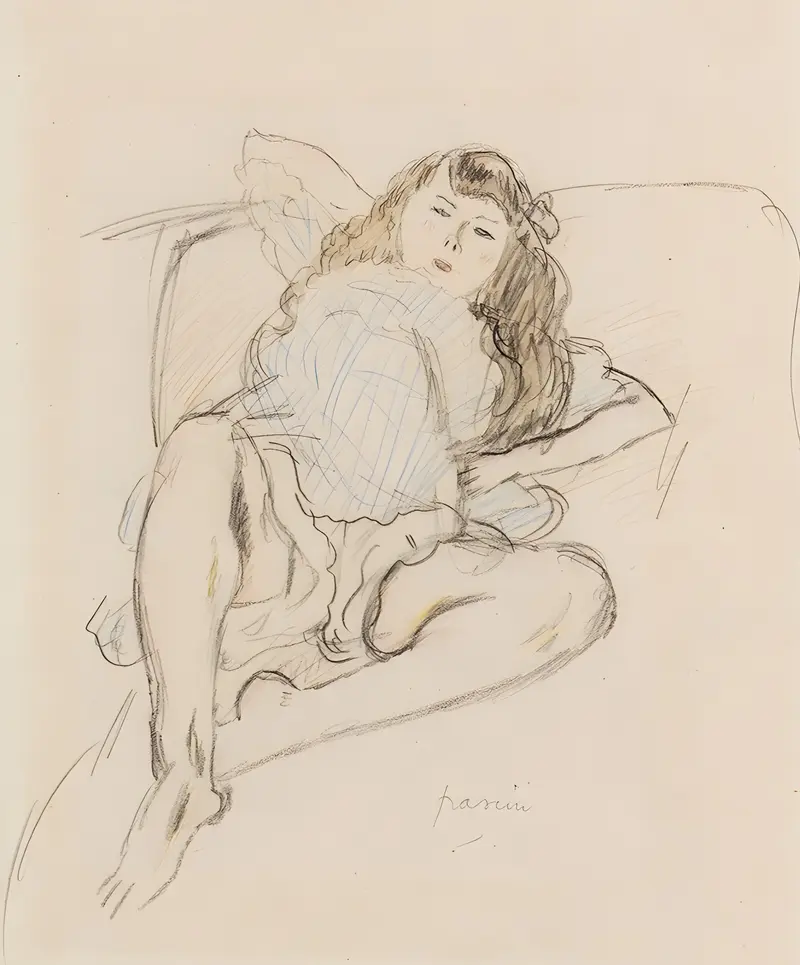
Liegende
Jules Pascin
More Genre Scene Art

Banquet of the Officers of the St George Civic Guard
Frans Hals

Rembrandt and Saskia in the Scene of the Prodigal Son
Rembrandt van Rijn

Bal du moulin de la Galette
Pierre-Auguste Renoir

Quadrille at the Moulin Rouge
Henri de Toulouse-Lautrec

A Burial at Ornans
Gustave Courbet

When Will You Marry?
Paul Gauguin