
L’ Enfant prodigue — History & Facts
In L’Enfant prodigue, Henri Rivière depicts a warm, intimate scene filled with soft colors. The figures are arranged closely, suggesting a familial bond, with a young boy at the center. The background features a gentle landscape, enhancing the emotional atmosphere of the painting.
The use of light creates a sense of depth and warmth, inviting the viewer into this moment of reunion. The painting is characterized by its rich color palette, primarily using warm earth tones and soft pastels. Rivière employs a loose brushwork technique, which adds a sense of movement and life to the figures. The composition is balanced, drawing the viewer's eye toward the central figure of the child.
The overall effect is one of harmony and connection among the characters. Henri Rivière was known for his Symbolist style, often exploring themes of family and nostalgia. L’Enfant prodigue reflects his interest in the emotional aspects of human relationships. An interesting fact about this work is that it was created during a period when Rivière was deeply influenced by the Symbolist movement, which sought to express ideas and emotions through symbolic imagery.
More Artworks by Henri Rivière

Sur les toits
Henri Rivière
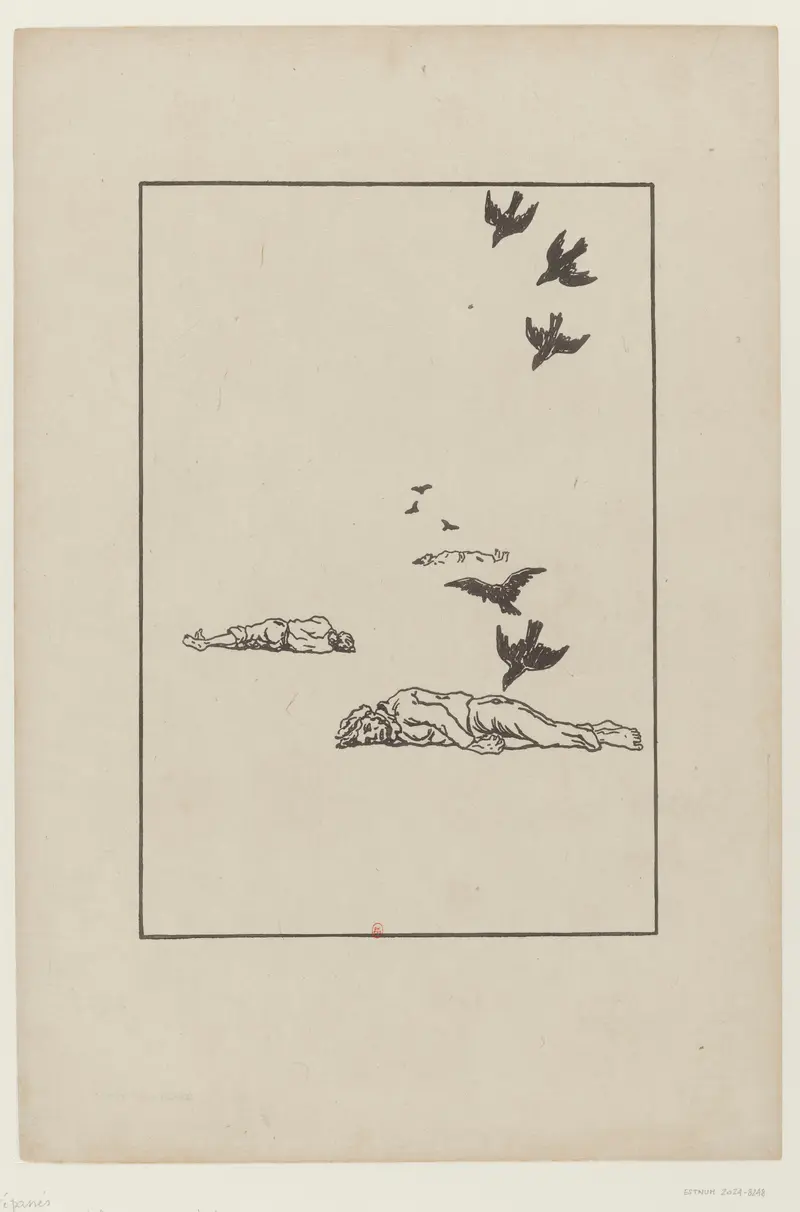
La Baie des trépassés
Henri Rivière
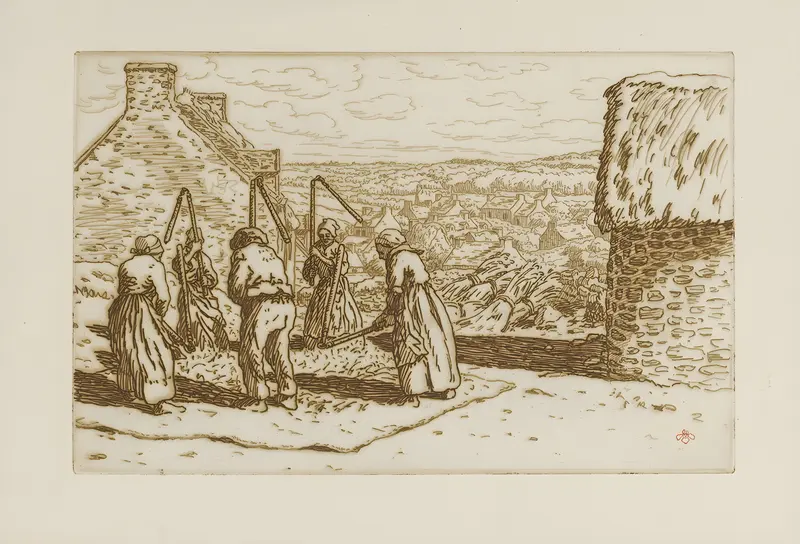
Homme et quatre femmes battant le blé
Henri Rivière

Barque à sec sur le sable au pied de la falaise
Henri Rivière
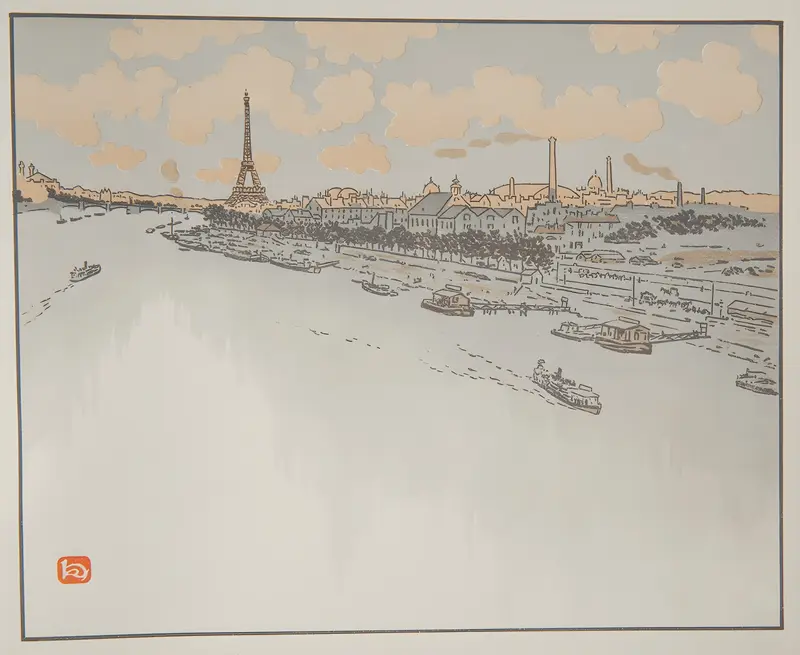
Du Point-du-Jour
Henri Rivière
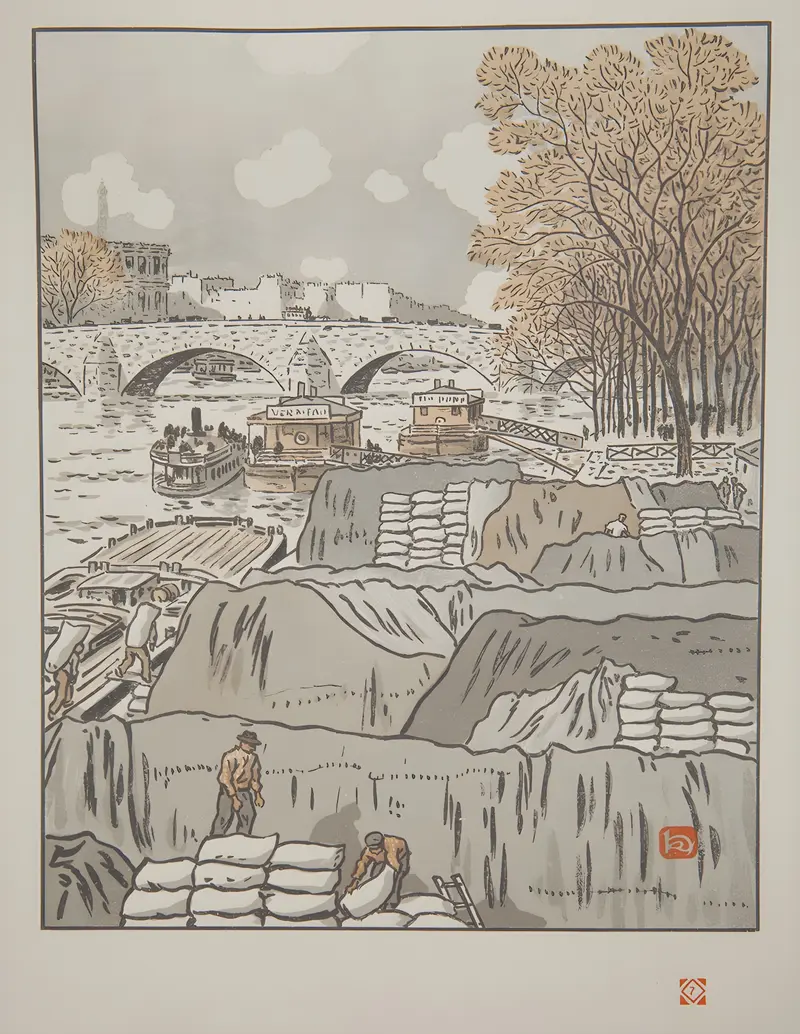
Du Pont des Saints Peres
Henri Rivière
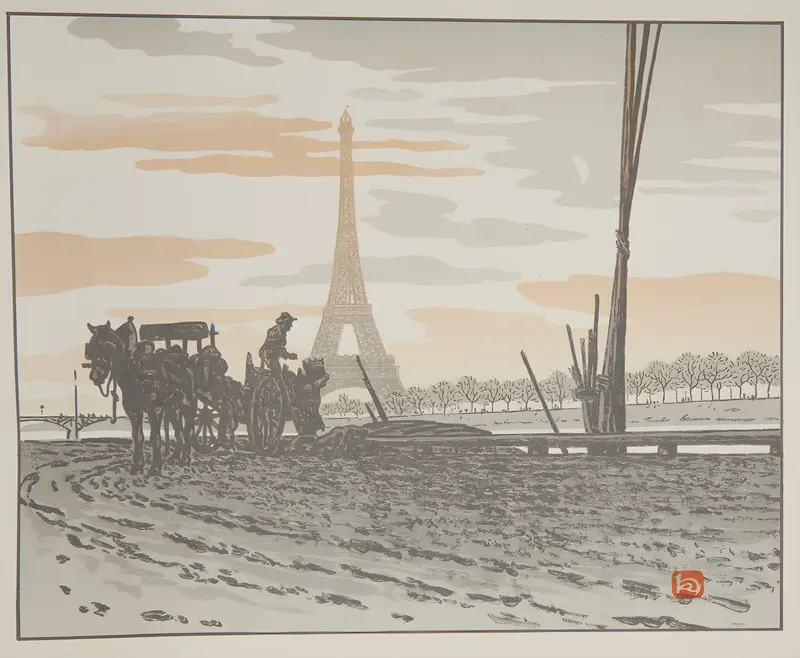
Du Quai de Pasy – Charboniers
Henri Rivière
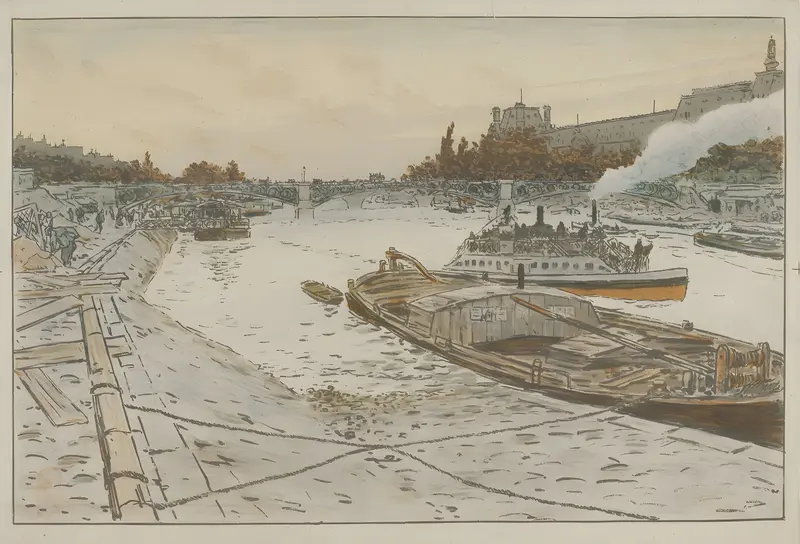
Le Pont des Saints-Pères (pont du Carrousel) et le Louvre
Henri Rivière
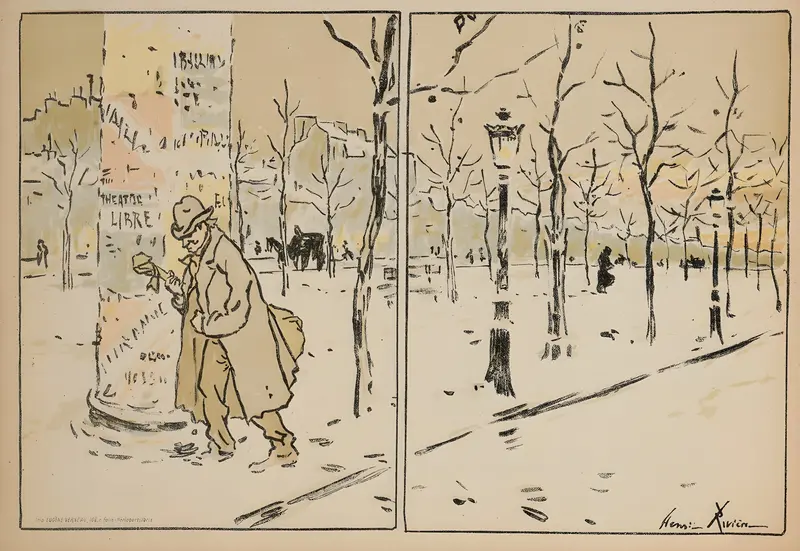
Paris en hiver, Programme pour le Théâtre Libre
Henri Rivière
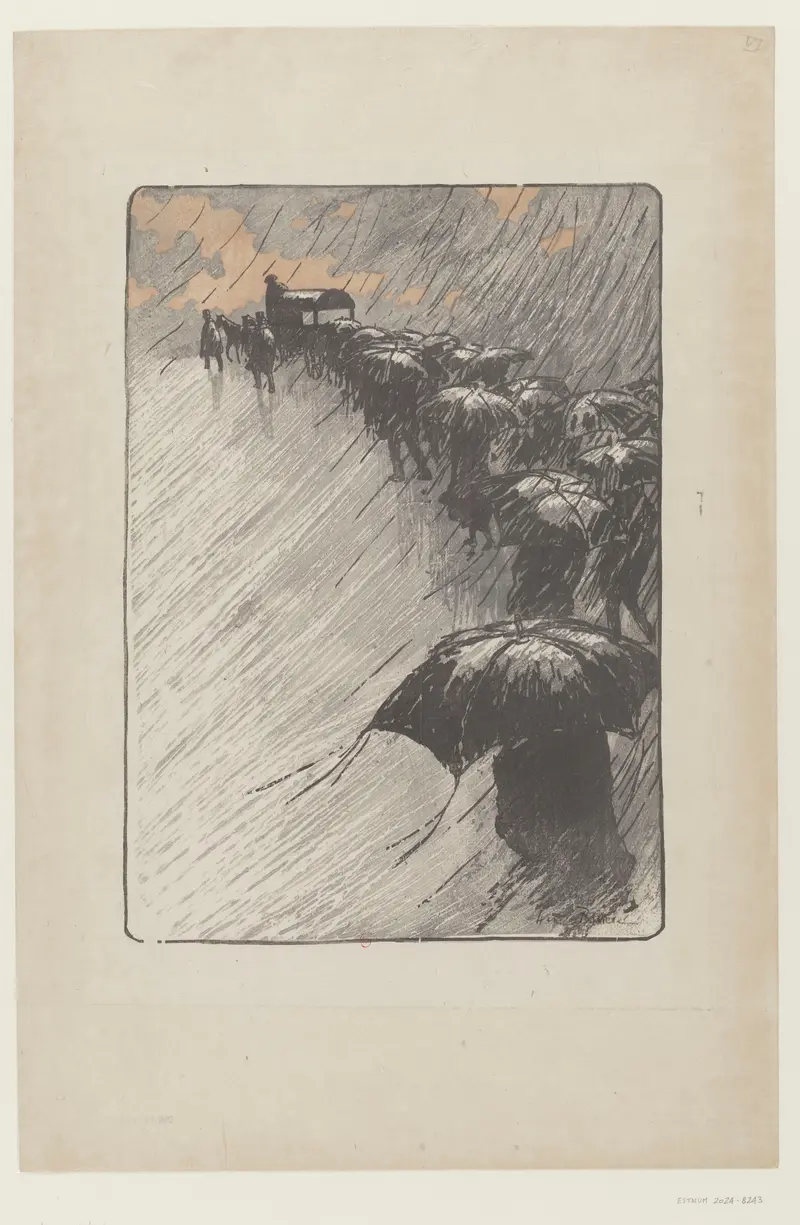
L’Enterrement aux parapluies
Henri Rivière
More Genre Scene Art

Banquet of the Officers of the St George Civic Guard
Frans Hals

Rembrandt and Saskia in the Scene of the Prodigal Son
Rembrandt van Rijn

Bal du moulin de la Galette
Pierre-Auguste Renoir

Quadrille at the Moulin Rouge
Henri de Toulouse-Lautrec

A Burial at Ornans
Gustave Courbet

When Will You Marry?
Paul Gauguin