L'Inconestase de la Cathedrale de l'Assomption — History & Facts
What first seizes the eye in L'Inconestase de la Cathedrale de l'Assomption is the sheer density of detail—an interior so intricate that the viewer feels drawn into its hush. Auguste Lepère’s hand renders the iconostasis not as a mere architectural screen, but as a living barrier between the sacred and the everyday. Gilded icons gaze out from their panels, each haloed head and inscribed scroll catching the light that falls, almost theatrically, from above.
The forest of candlesticks and chandeliers, their metalwork curling and twisting, signals both opulence and devotion, while the empty steps and open doors hint at a moment just before or after ceremony. Every surface is alive with pattern, inviting the viewer to trace the lines and lose themselves in the labyrinth of faith and artistry. Created in 1883, this work belongs to a moment when European artists were rediscovering the power of religious interiors, often as a way of exploring both national identity and spiritual longing. Lepère, better known for his mastery of printmaking and his scenes of Parisian life, here turns his attention to the grandeur and solemnity of the Orthodox tradition.
Such images were rarely made for the churches themselves, but rather for collectors and connoisseurs fascinated by the East’s visual language—a world of gold, incense, and ancient ritual. The presence of this piece today in the National Gallery of Art’s collection, thanks to an open access initiative, is a reminder of how art objects travel and accrue new meanings. Look again at the shadows beneath the chandeliers and the silent icons: they hold centuries of stories, waiting for the next visitor to listen.
More Artworks by Auguste Lepère

Le Pont-Neuf (Paris)
Auguste Lepère
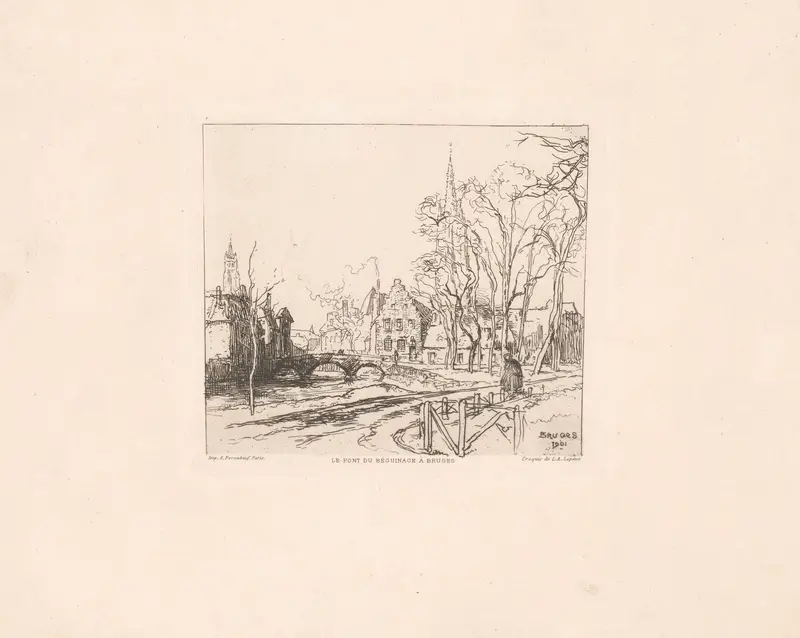
Le pont du Beguinage à Bruges
Auguste Lepère
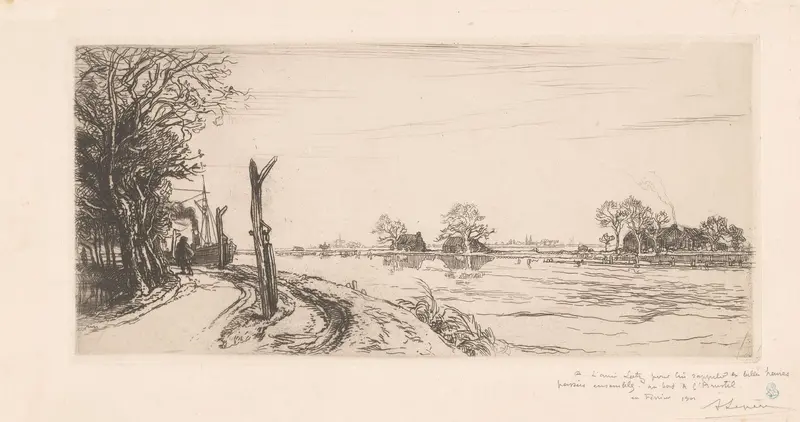
Au bord de l’Amstel
Auguste Lepère
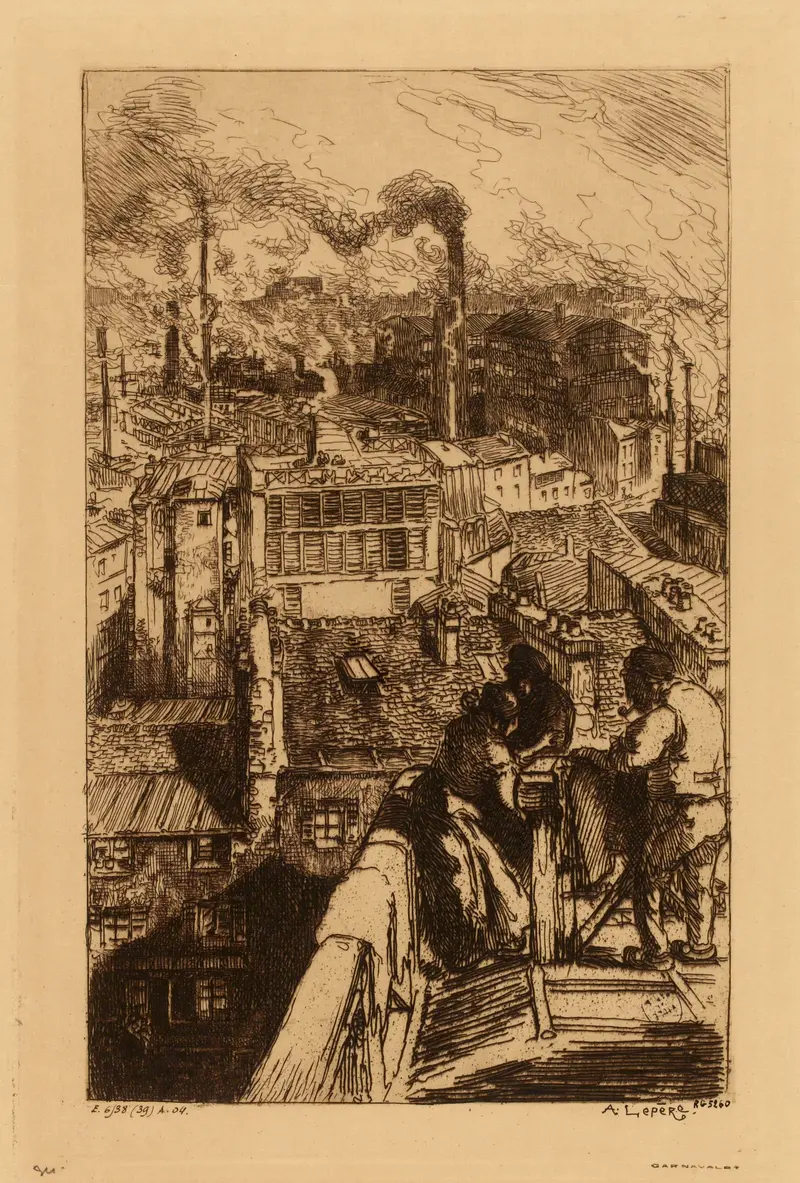
Le quartier des Gobelins
Auguste Lepère
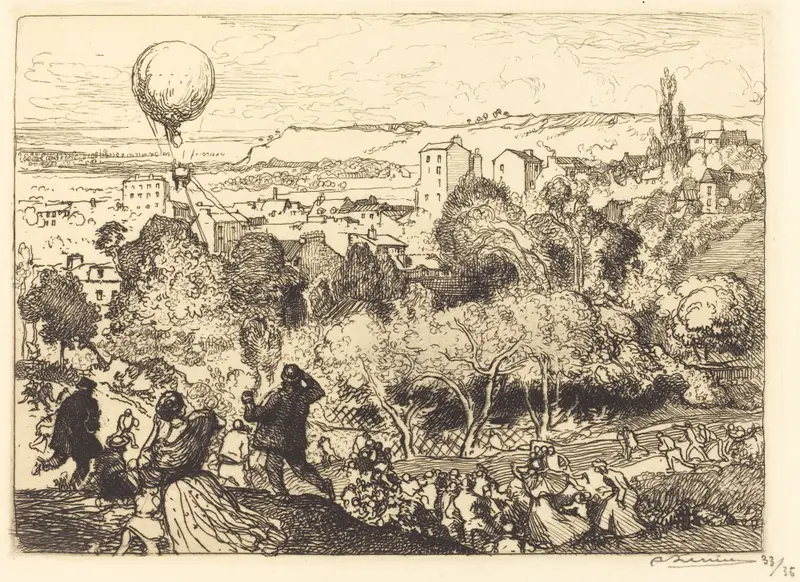
The Falling Balloon, in Pre-Saint-Gervais (Lebaloon qui tombe, au Pre-Saint-Gervais)
Auguste Lepère
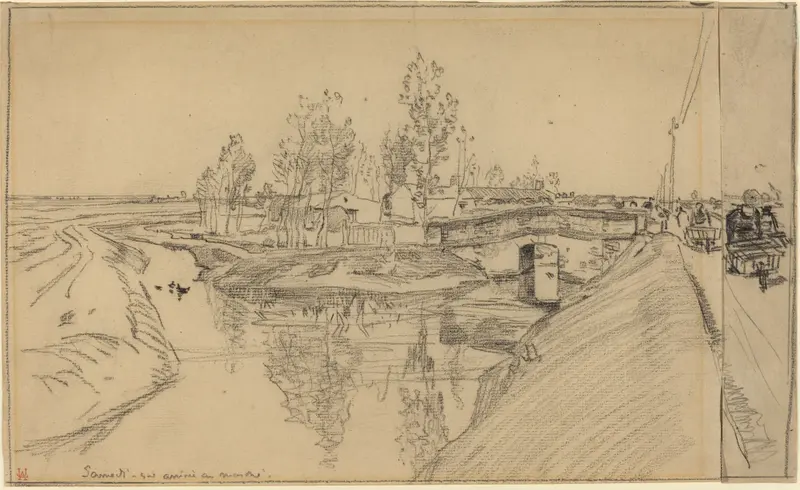
Arrivee au Marche
Auguste Lepère
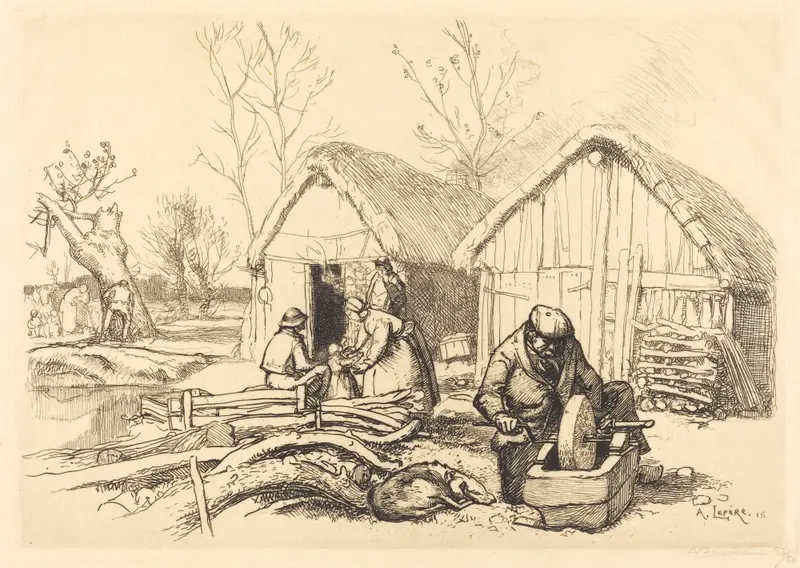
The House of the Woodcutter, Vendee (La maison du bucheron, Vendee)
Auguste Lepère
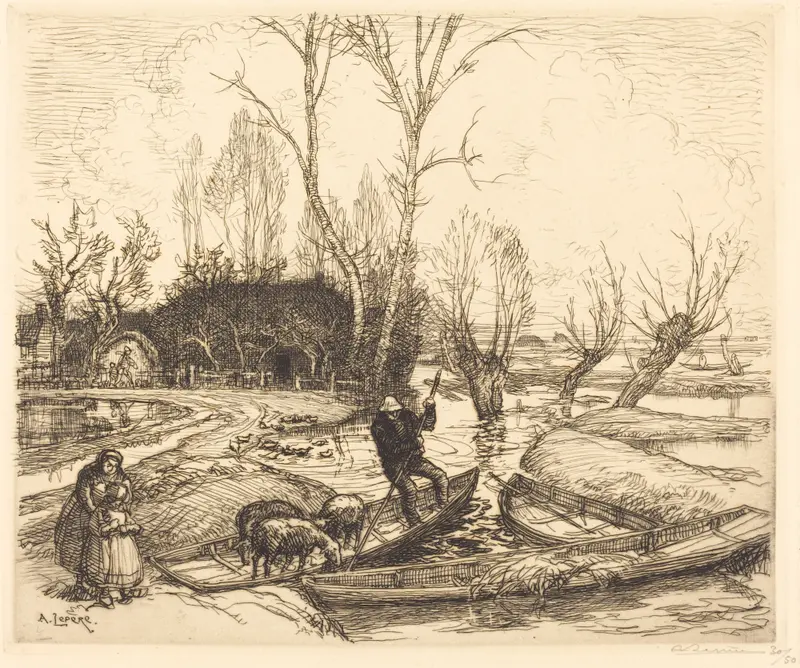
In the Deluged Marsh - The Shepherd (Au marais inonde - Le berger)
Auguste Lepère
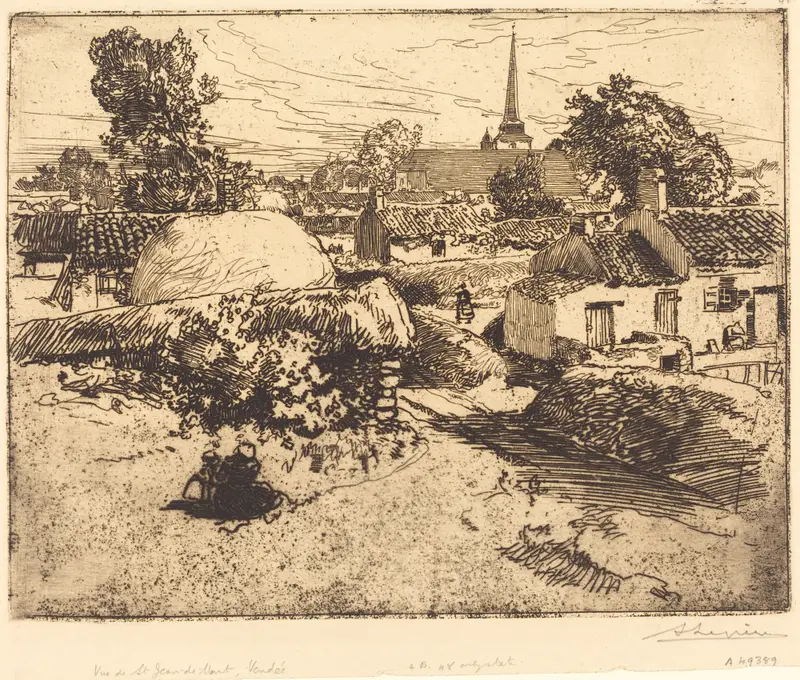
View of St.-Jean-de-Mont, Vendee (Vue de St.-Jean-de-Mont, Vendee)
Auguste Lepère
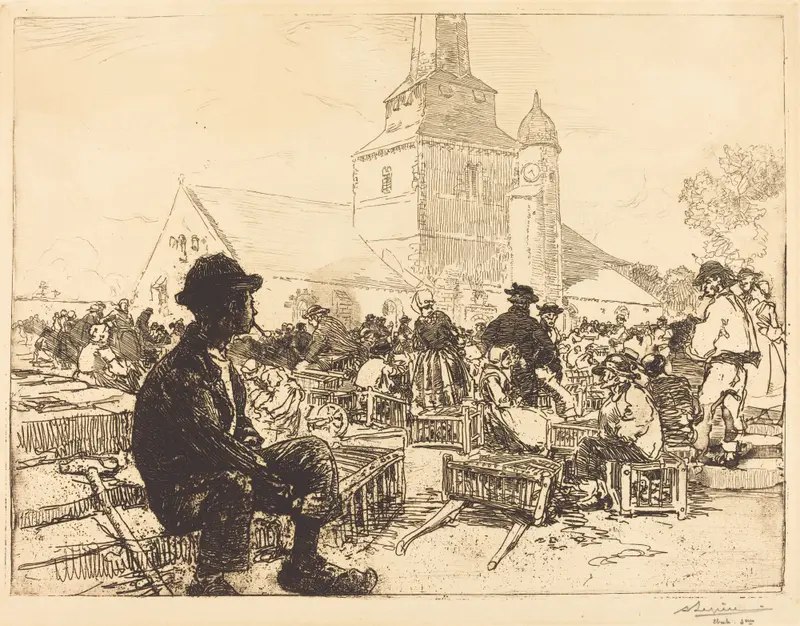
Poultry Market at St.-Jean-de-Mont (Marche a la volaille, a St.-Jean-de-Mont)
Auguste Lepère