
La Cava, Italy — History & Facts
Where does light end, and longing begin? In the ethereal embrace of solitude, an unspoken narrative unfurls, beckoning us to reflect on the delicate intersection of presence and absence. Focus your gaze on the soft hues that wash over the landscape. Look to the horizon where the twilight sky—painted with shades of lavender and gold—meets the gentle undulations of the hills. Notice how the distant figures, mere silhouettes against the fading light, suggest a story larger than the canvas itself.
Each brushstroke captures an air of wistfulness, inviting viewers to ponder the stories and dreams that may be lost in the sprawling vista. In the intricate interplay of light and shadow, a deep emotional tension arises. The serene waters reflect not only the fading day but also the solitude that surrounds it. Here, the light serves as a vessel of longing, illuminating the space between reality and aspiration.
The seemingly untouched beauty of the scene speaks to the dichotomy of serenity and isolation, urging us to confront our own feelings of loneliness amidst the vastness of existence. Edward Lear created this poignant work during a time of personal reflection, likely in the 19th century while traveling through Italy. Known primarily for his poetry and whimsical illustrations, Lear's foray into landscape painting reveals his evolving artistic identity. Capturing the essence of La Cava, he woven together his experiences and emotions, a testament to the interplay of solitude and beauty in his life at that moment.
More Artworks by Edward Lear
Browse all →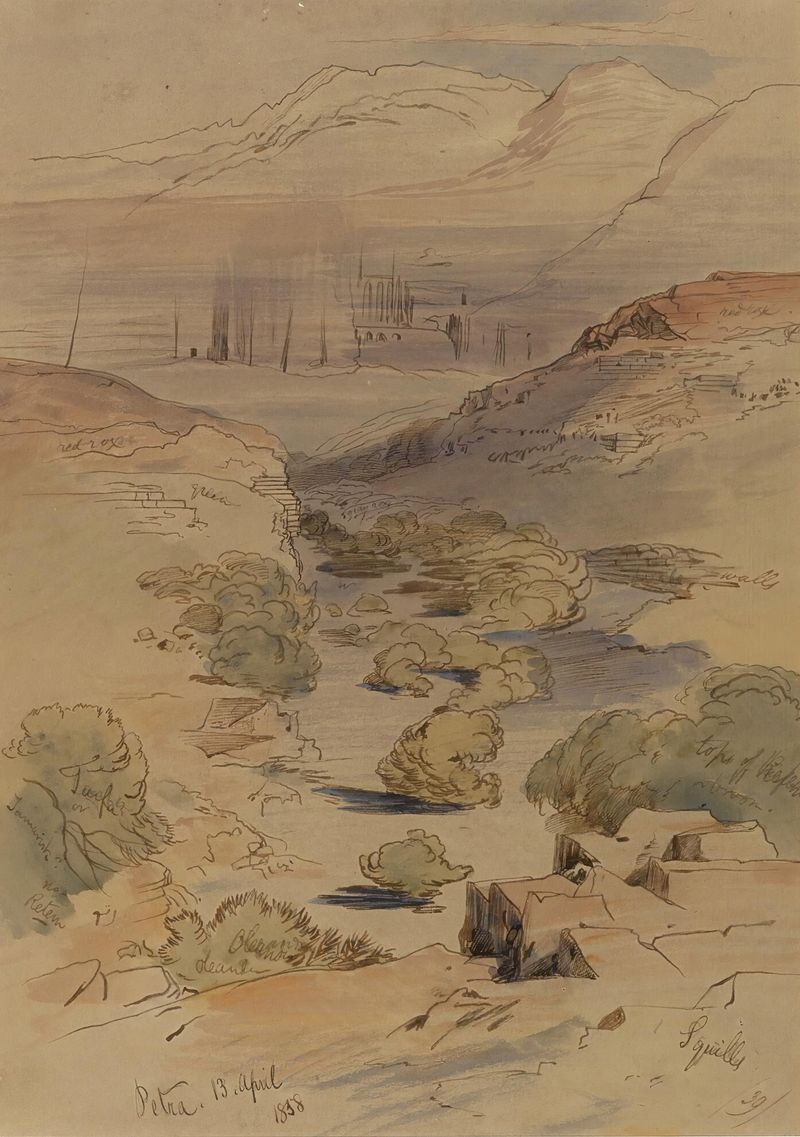
Petra
Edward Lear
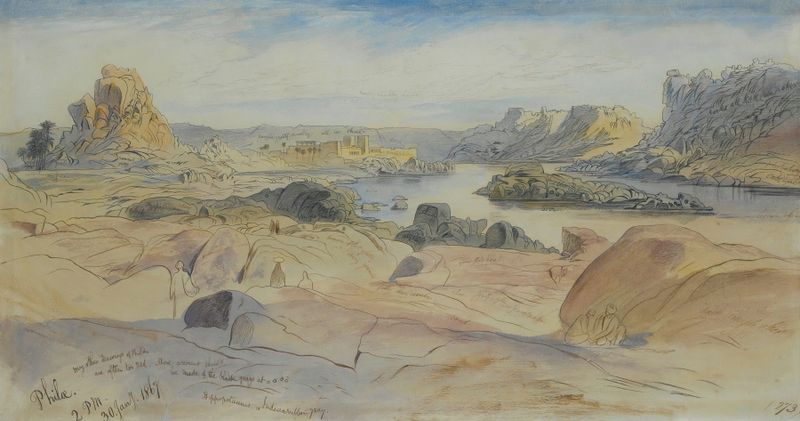
Philae, Egypt
Edward Lear
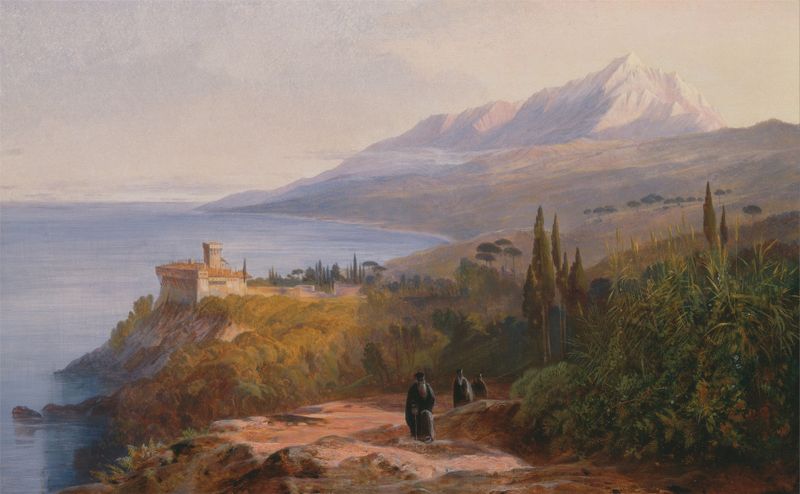
Mount Athos and the Monastery of Stavronikétes
Edward Lear
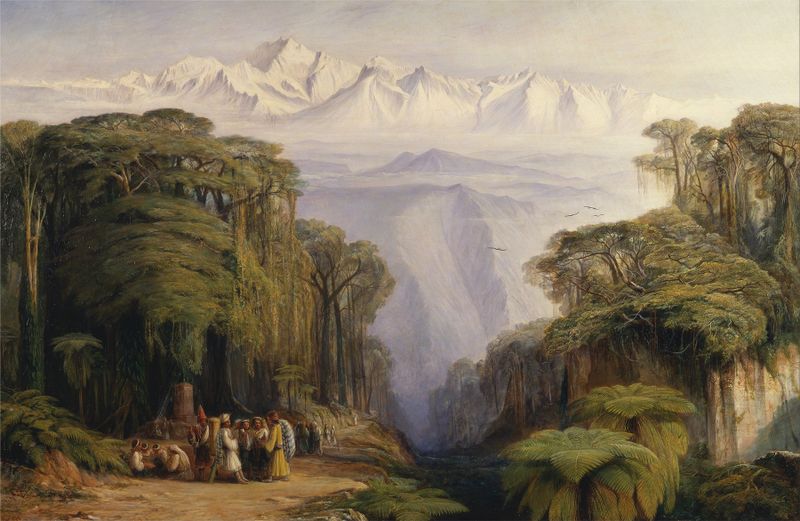
Kangchenjunga from Darjeeling
Edward Lear
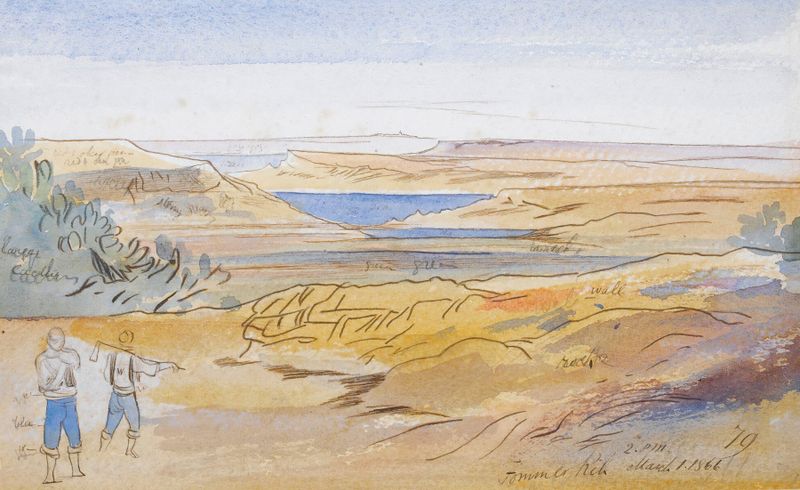
Fomm Ir-Rih, Malta
Edward Lear
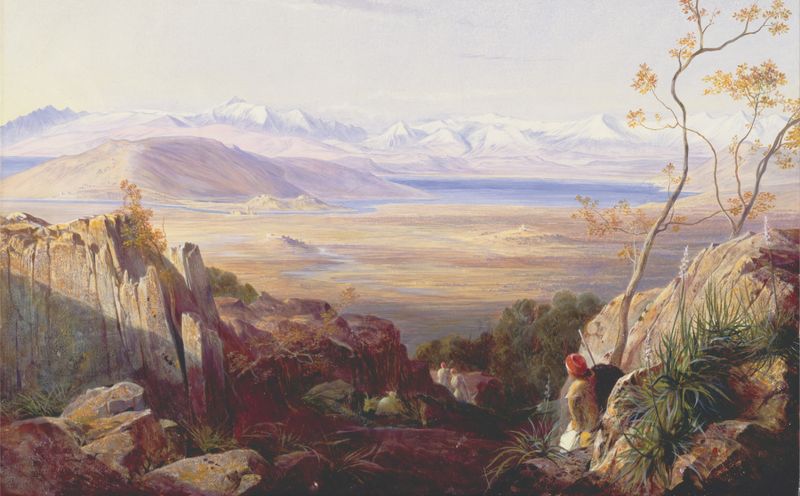
Butrinto, Albania
Edward Lear
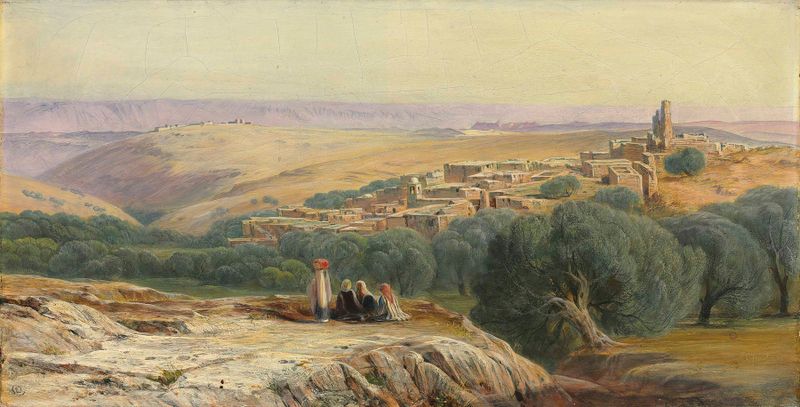
The Plains of Bethany
Edward Lear

Karnak, 9-30 pm, 22 January 1867
Edward Lear
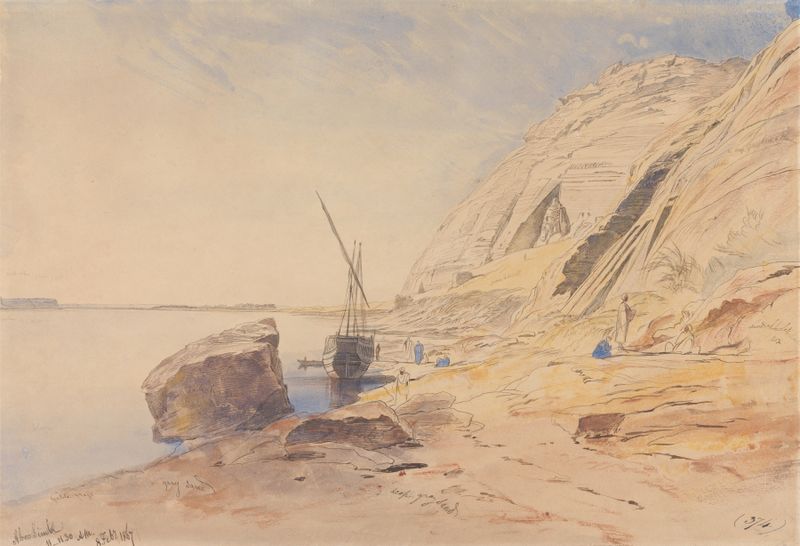
Abu Simbel, 11-11;30 am, 8 February 1867 (374)
Edward Lear

A View Of Mount Athos And The Pantokrator Monastery, Greece
Edward Lear





