
La Chaîne du Mont-Blanc, l'Aiguille du Dru — History & Facts
The first thing that seizes the eye in La Chaîne du Mont-Blanc, l'Aiguille du Dru is not the famous peak itself, but the way the mountain blazes with improbable color, as if the rock were lit from within. Roger Broders stages the scene so that the jagged orange and red faces of the Aiguille du Dru rise like a monument, framed by dark silhouettes of pine trees that sharpen the drama of the ascent. The palette is deliberately heightened, not to mimic nature but to promise an experience—an invitation as much as a view.
The trees, rendered in deep shadow, serve as both threshold and contrast, their spiky forms echoing the mountain’s own geometry while rooting the viewer in the foreground. Every line and hue is chosen to draw the gaze upward, to the point where rock meets the impossibly clear violet sky. This lithographic poster, created in 1924, belongs to a world in which travel itself was being reimagined. The roaring twenties saw the rise of grand railway networks and the birth of modern tourism, with companies commissioning artists like Roger Broders to capture the allure of distant landscapes for a new class of travelers.
Broders’ posters for the Paris-Lyon-Méditerranée line are icons of this era, blending crisp Art Deco design with the promise of adventure. These images were not just advertisements; they were gateways, hung in train stations and travel agencies, inviting city dwellers to lose themselves in the wild grandeur of the Alps. History has kept few traces of the individual journeys inspired by such posters, but the image endures—still urging us, a century later, to look up and imagine the road to Chamonix.
More Artworks by Roger Broders
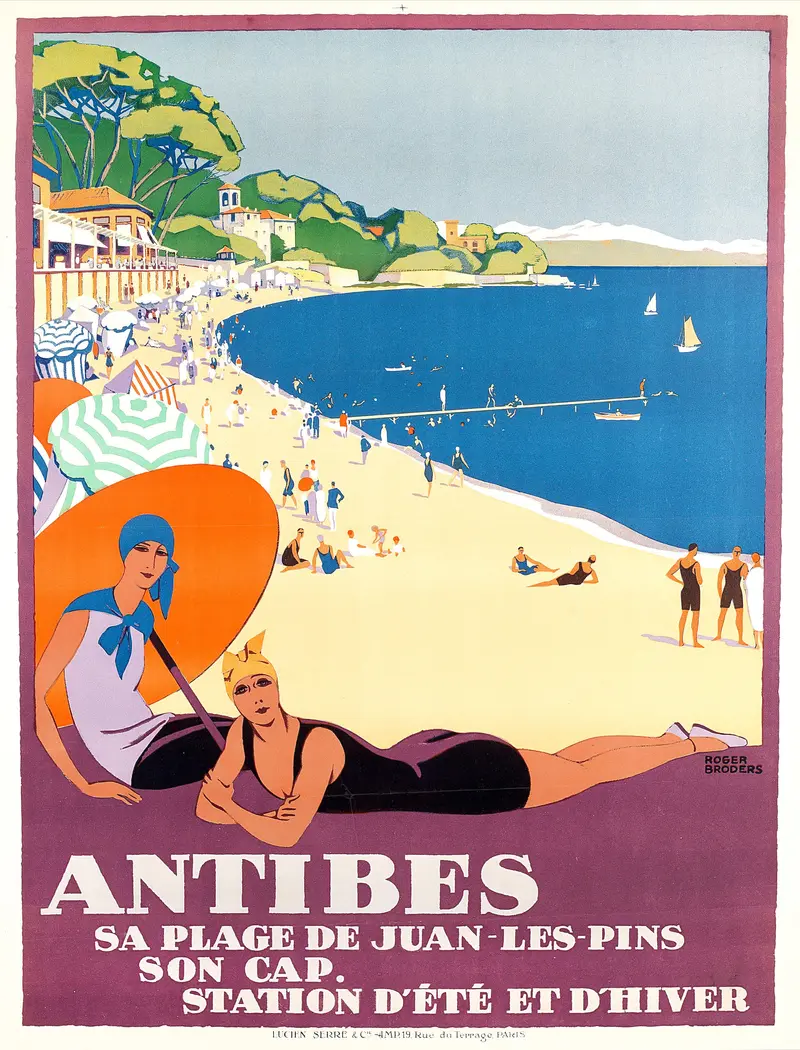
Antibes, sa plage de Juan-les-Pins
Roger Broders
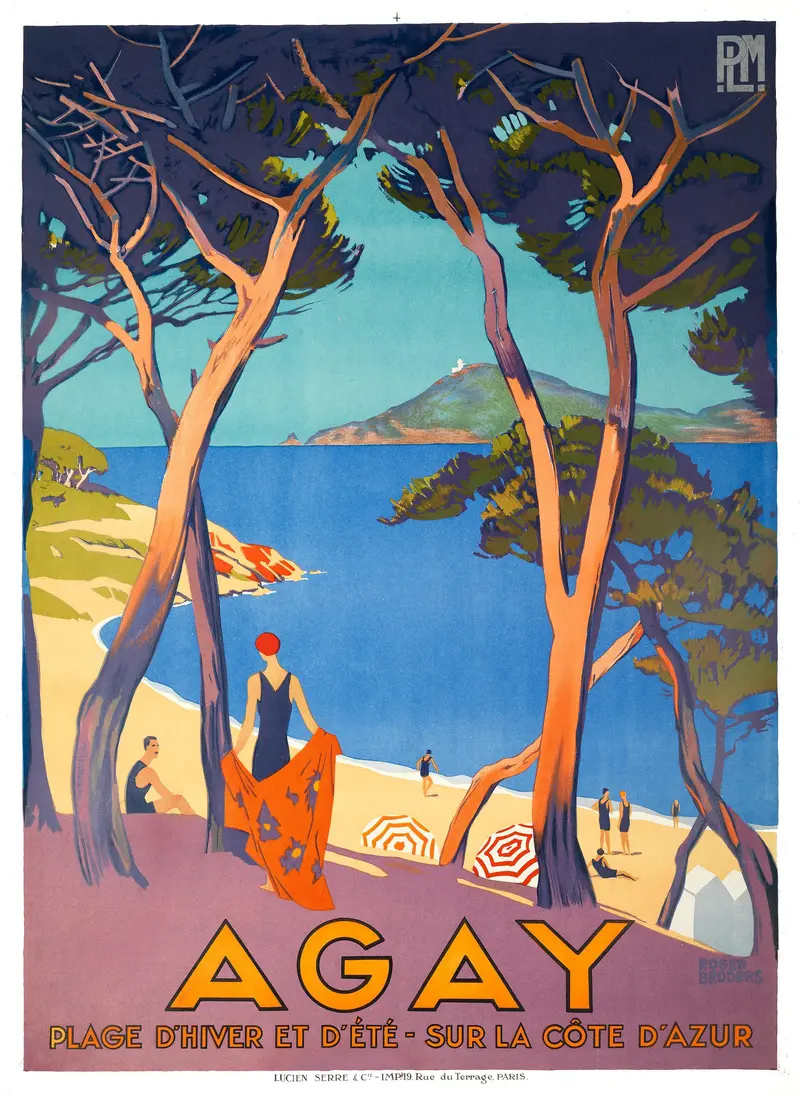
Agay, plage d'hiver et d'été
Roger Broders
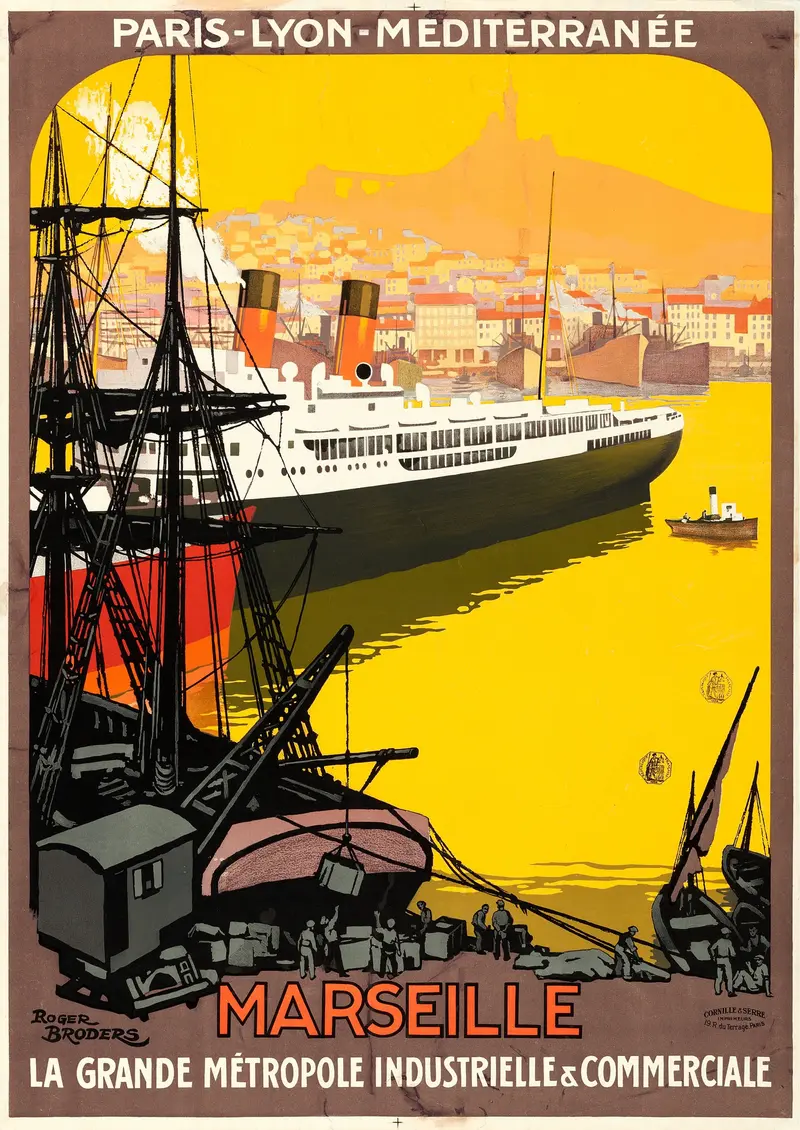
Marseille, la grande métropole industrielle et commerciale
Roger Broders
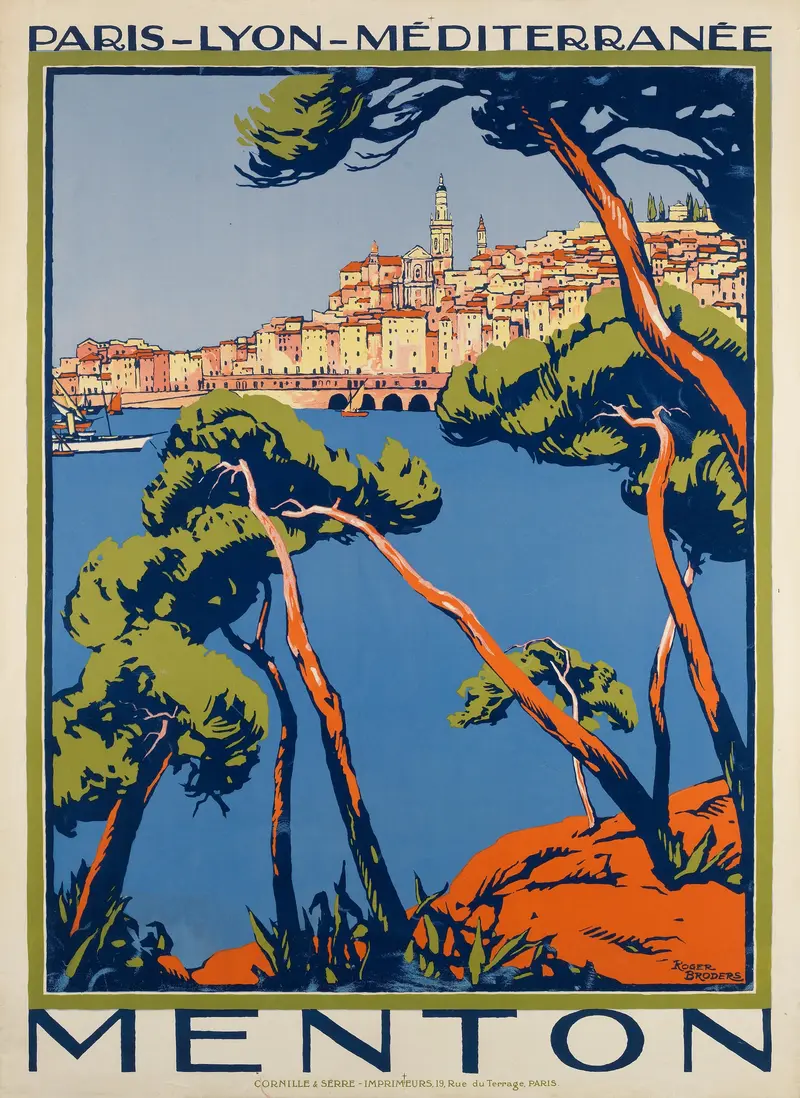
Menton
Roger Broders
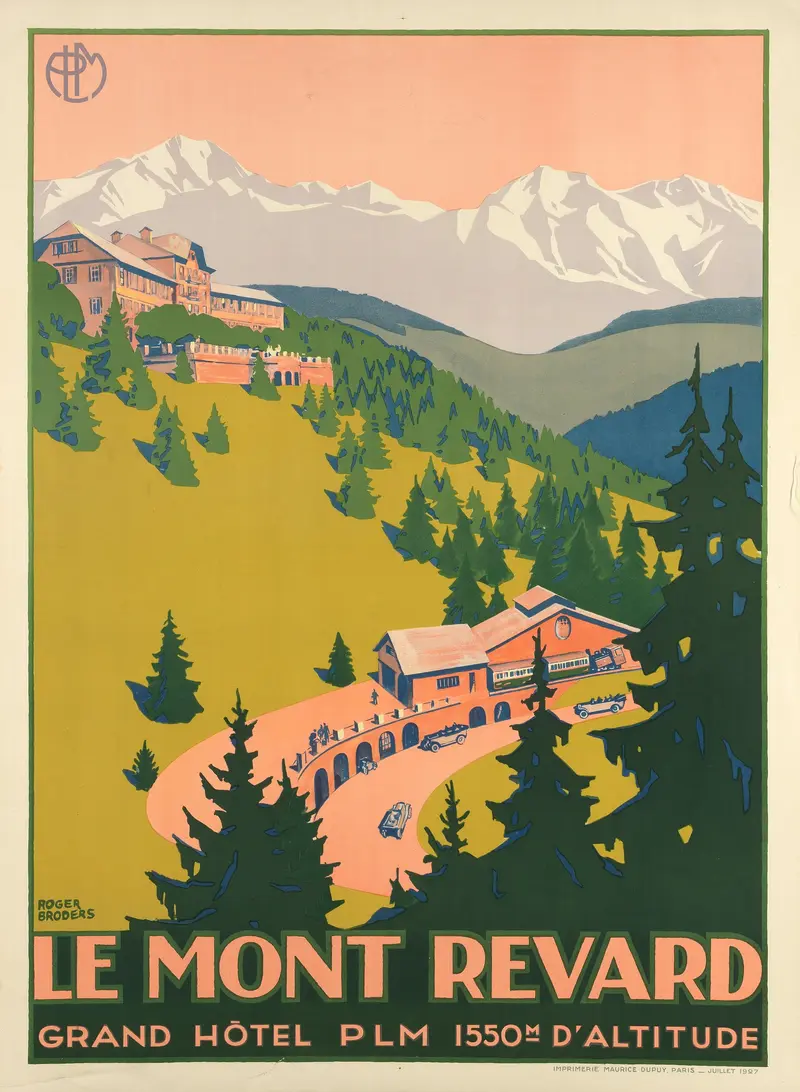
Le Mont Revard
Roger Broders
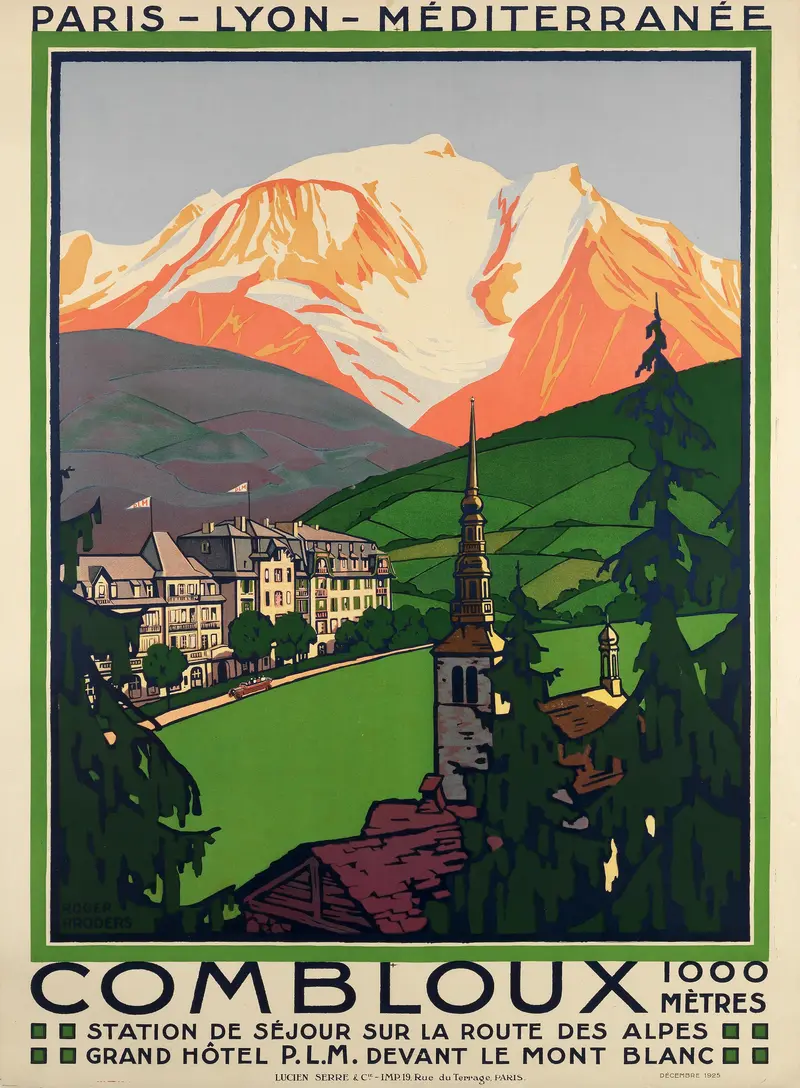
Combloux
Roger Broders
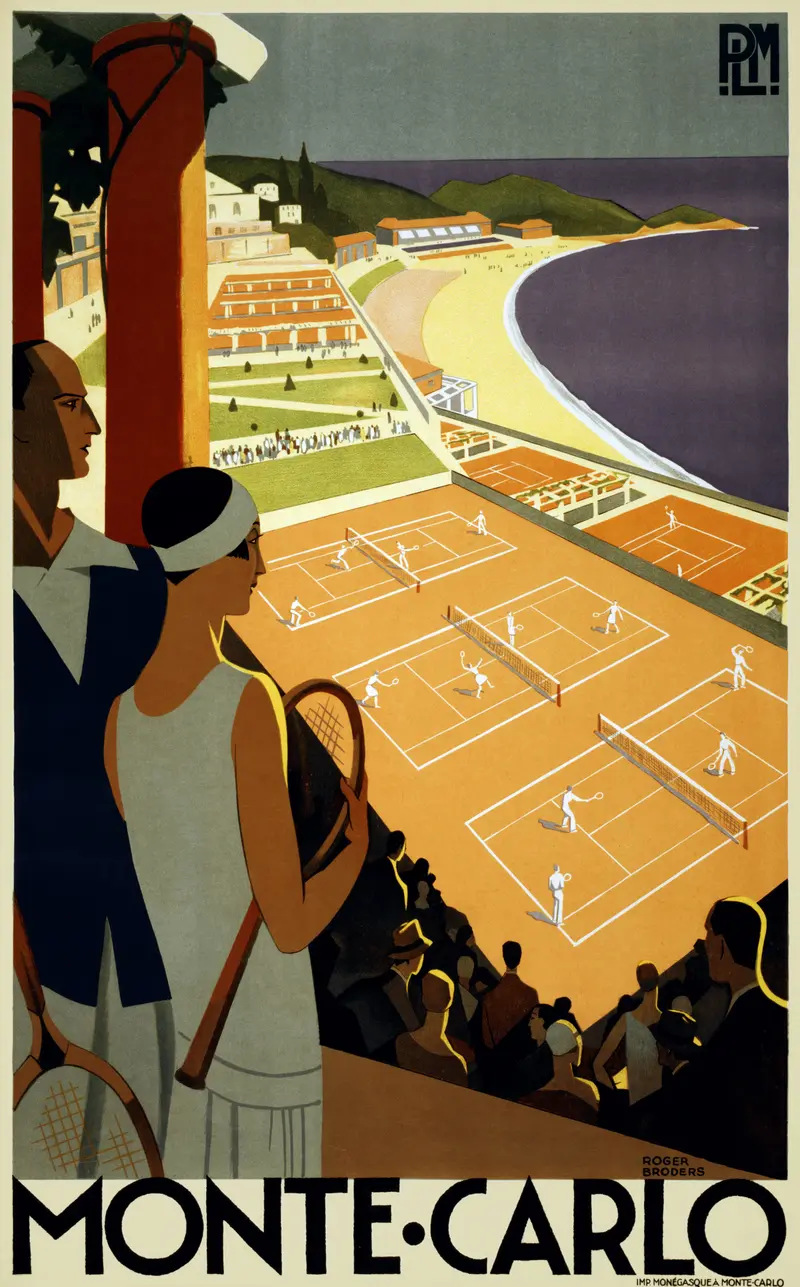
Monte-Carlo
Roger Broders
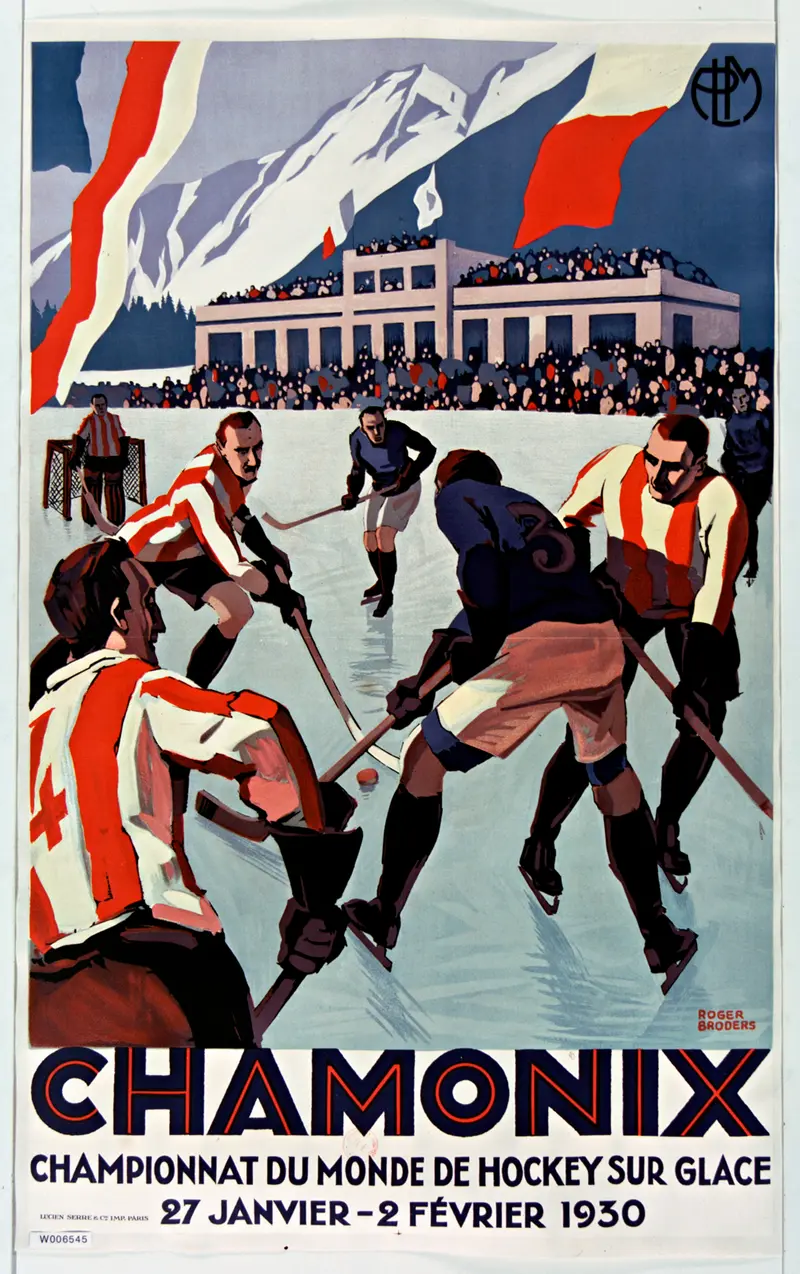
Chamonix, Championnat du monde de hockey sur glace 1930
Roger Broders
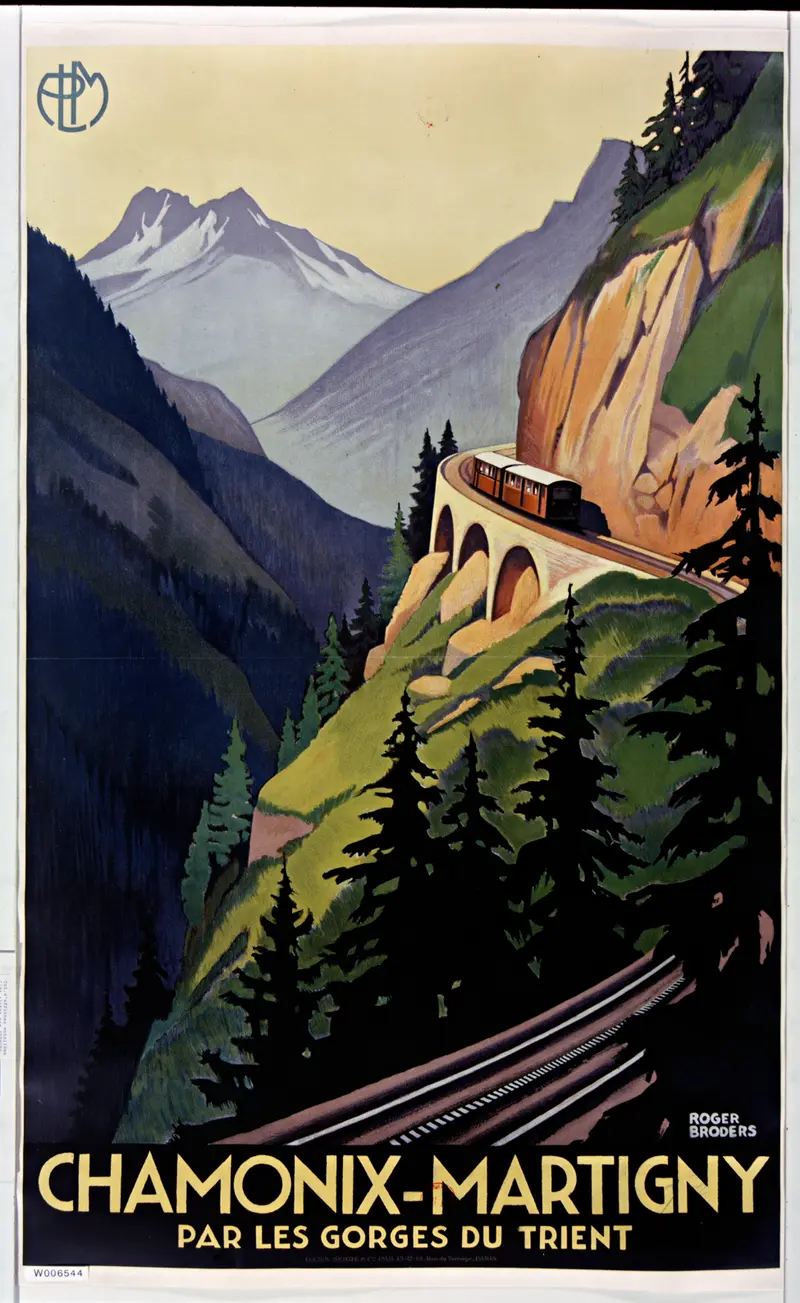
Chamonix-Martigny par les gorges du Trient
Roger Broders
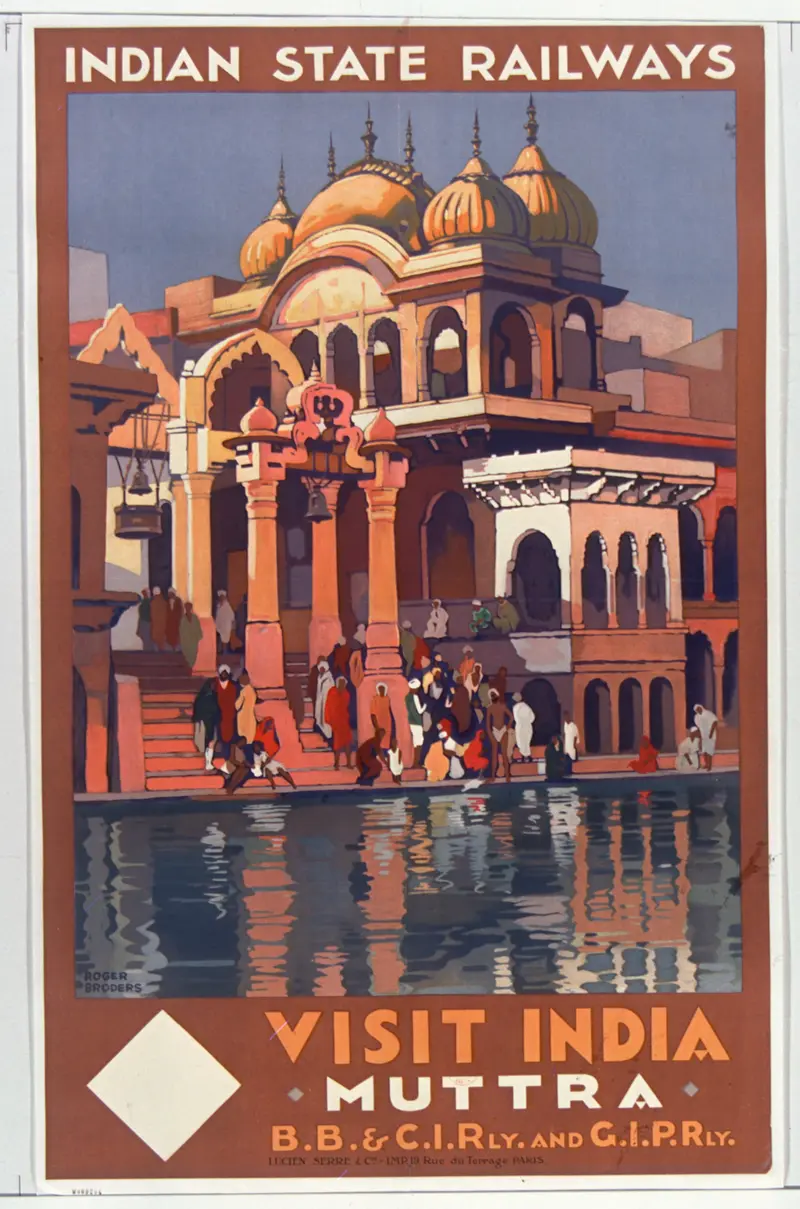
Visit India: Muttra
Roger Broders
More Landscape Art

The Starry Night
Vincent van Gogh

View of Delft
Johannes Vermeer

Water Lilies
Claude Monet

The Grand Canal, Venice, looking north-west from the Ca' Corner to the Ca' Contarini degli Scrigni, with the campanile of Santa Maria della Carità
Canaletto

Windsor Castle
Canaletto

The Grand Canal looking North-East from the Palazzo Dolfin-Manin to the Rialto Bridge
Canaletto