
La chapelle Saint-Jean et l’entrée du cimetière Saint-Eustache. — History & Facts
Where does light end, and longing begin? In the delicate interplay of shadow and illumination, we find a world that whispers secrets of its past. Look closely at the left side of the canvas, where the chapel emerges in soft ochres and muted grays. The façade, adorned with intricate details, draws the eye with its solemn beauty, while the shimmering light illuminates the entrance, inviting a sense of reverence. Notice how the shadows stretch from the chapel, leading towards the entrance of the cemetery, as if to suggest a passage from life to the afterlife.
The cool blue tones of the sky contrast against the warm earth below, enhancing the emotional weight of this moment. Within the composition lies a dichotomy of presence and absence. The chapel stands as a guardian of memories, while the cemetery beckons with the unspoken stories of those who have passed. The long shadows cast not only mark the transition between light and dark but also evoke a sense of nostalgia and contemplation.
The quietude of the scene encourages reflection, creating a space where one might ponder the relationship between the living and the departed. In 1810, while living in Paris, Bénard crafted this poignant piece amidst a burgeoning Romantic movement in art, which sought to express emotion and individual experience. The influence of Neoclassicism was still palpable, yet artists began to explore deeper psychological themes. This work reflects Bénard's personal engagement with spirituality and the transient nature of existence, rooted in a society grappling with its own evolving identity.
More Artworks by Auguste-Sébastien Bénard
Browse all →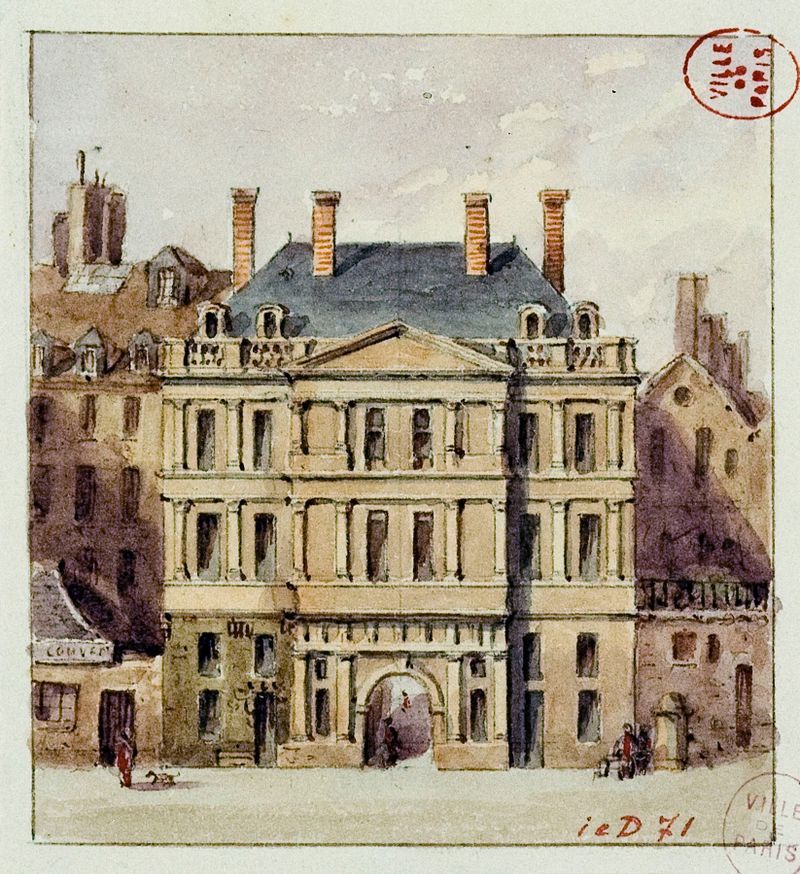
Cour de la Sainte Chapelle.
Auguste-Sébastien Bénard
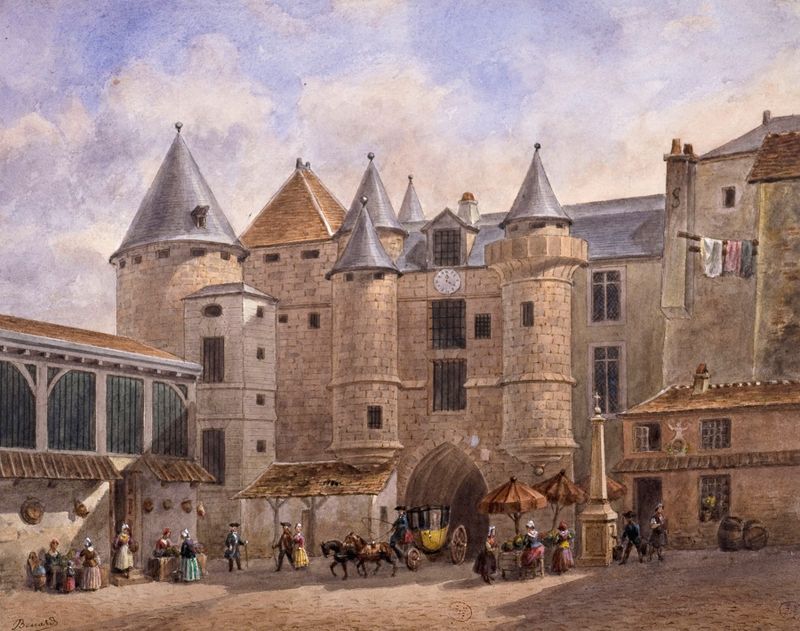
Le Grand Châtelet du XVIIIème siècle.
Auguste-Sébastien Bénard

Place de l’Hôtel de Ville.
Auguste-Sébastien Bénard

Salle souterraine du Palais de Justice.
Auguste-Sébastien Bénard

Voûtes du quai de Gesvres
Auguste-Sébastien Bénard

Monument expiatoire élevé à la mémoire du duc de Berry, à l’emplacement de l’ancien Opéra
Auguste-Sébastien Bénard
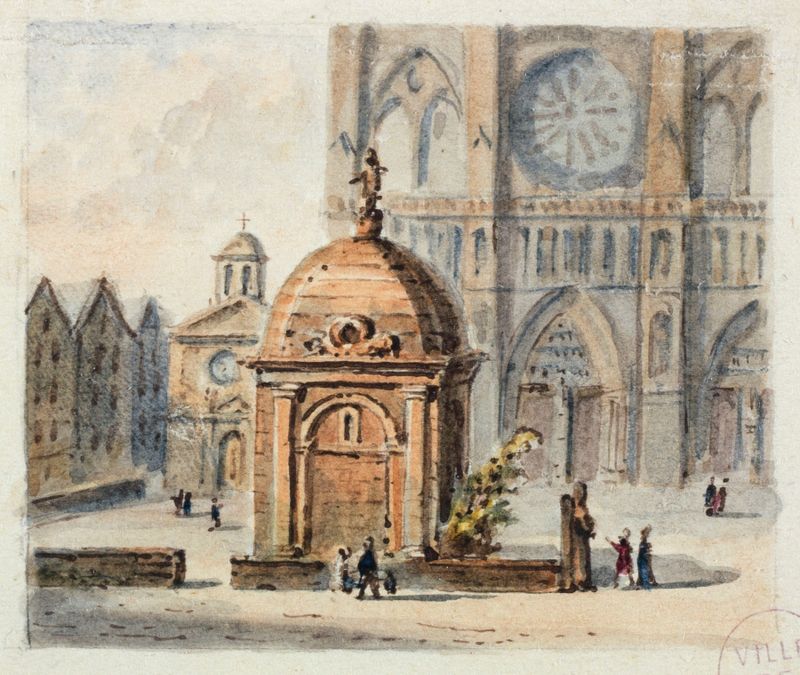
Le parvis de Notre-Dame de Paris
Auguste-Sébastien Bénard

Rue des chantres (entre le quai aux fleurs et la rue Chanoinesse).
Auguste-Sébastien Bénard

L’entrée de l’ancienne forteresse du Grand Châtelet, un jour de Carnaval
Auguste-Sébastien Bénard
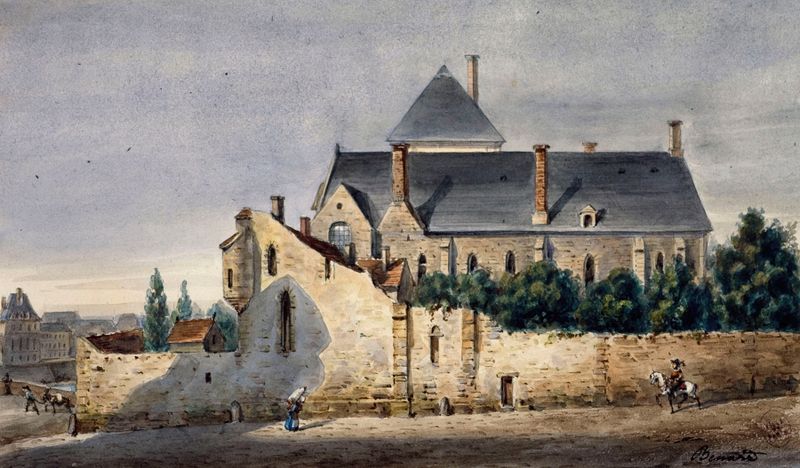
Les restes des bâtiments de l’hôtel du Petit Bourbon.
Auguste-Sébastien Bénard
More Architecture Art
Browse all →
The statue of Liberty
Frédéric Auguste Bartholdi

View of Houses in Delft, Known as ‘The Little Street’
Johannes Vermeer

View of Houses in Delft, Known as ‘The Little Street’
Johannes Vermeer

The Cathedral in Rouen. The portal, Grey Weather
Claude Monet

The yellow house
Vincent van Gogh

The Church in Auvers-sur-Oise, View from the Chevet
Vincent van Gogh