
La Charité chez les derviches à Scutari — History & Facts
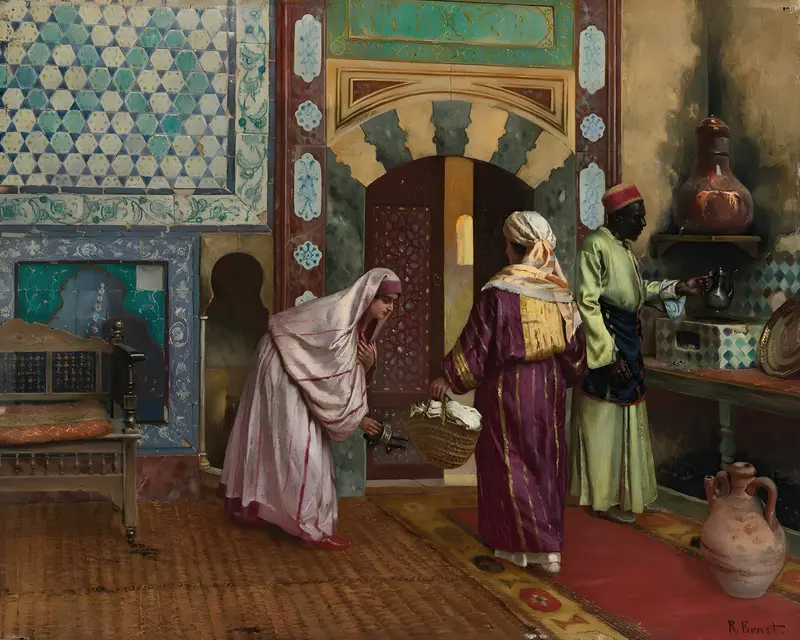
In La Charité chez les derviches à Scutari, the viewer is greeted by a warm palette of earthy tones and rich colors. The painting features a group of dervishes engaged in a charitable act, surrounded by intricate textiles and ornate decorations. The figures are depicted in flowing robes, showcasing the cultural attire of the region.
The setting appears to be a communal space, filled with a sense of generosity and community spirit. The painting is executed in oil on canvas, a medium that allows for vibrant color and detailed textures. The brushwork is smooth, contributing to the lifelike quality of the figures and the surrounding environment. The composition is balanced, with the dervishes arranged in a way that draws the viewer's eye across the canvas.
The use of light and shadow adds depth, enhancing the three-dimensionality of the scene. Rudolf Ernst was known for his depictions of Orientalist themes, often focusing on the cultures of the Middle East. This work, created in the late 19th century, reflects the fascination with Eastern cultures that was prevalent among European artists of the time. Interestingly, Ernst spent considerable time in Turkey, which greatly influenced his artistic vision.
La Charité chez les derviches à Scutari exemplifies his ability to capture the essence of a cultural moment.
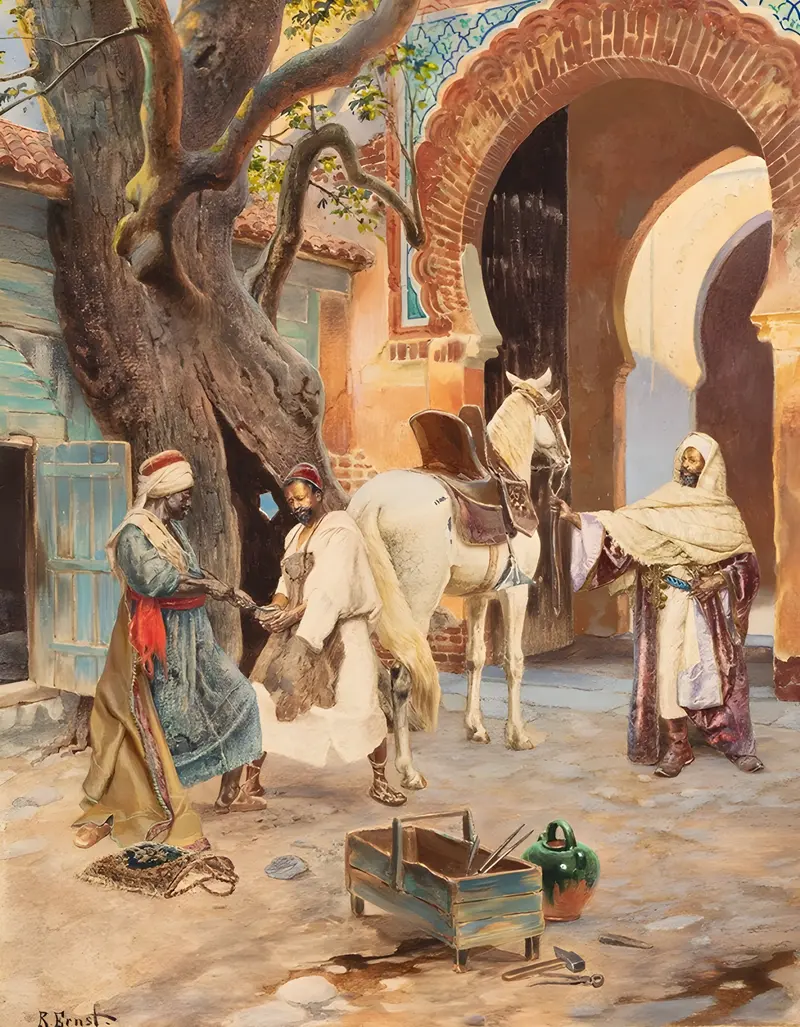
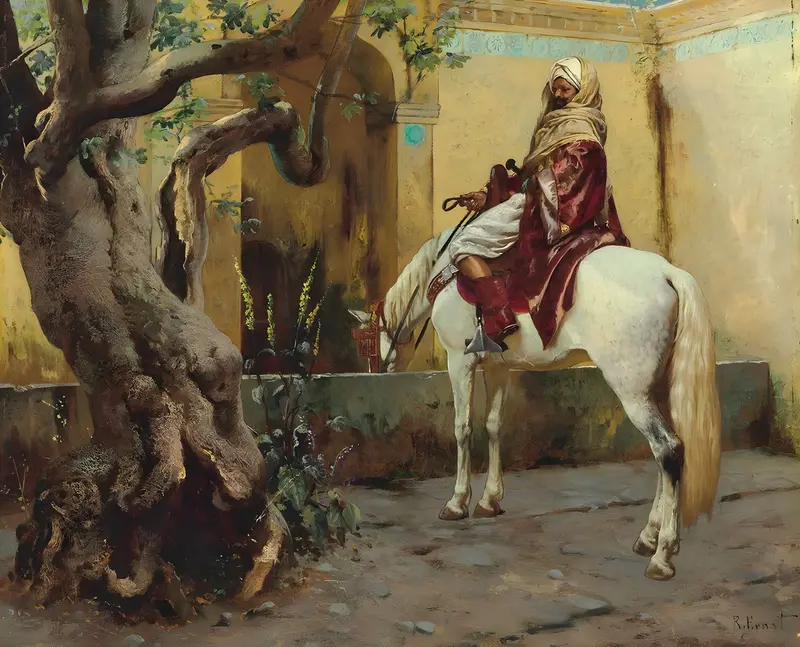
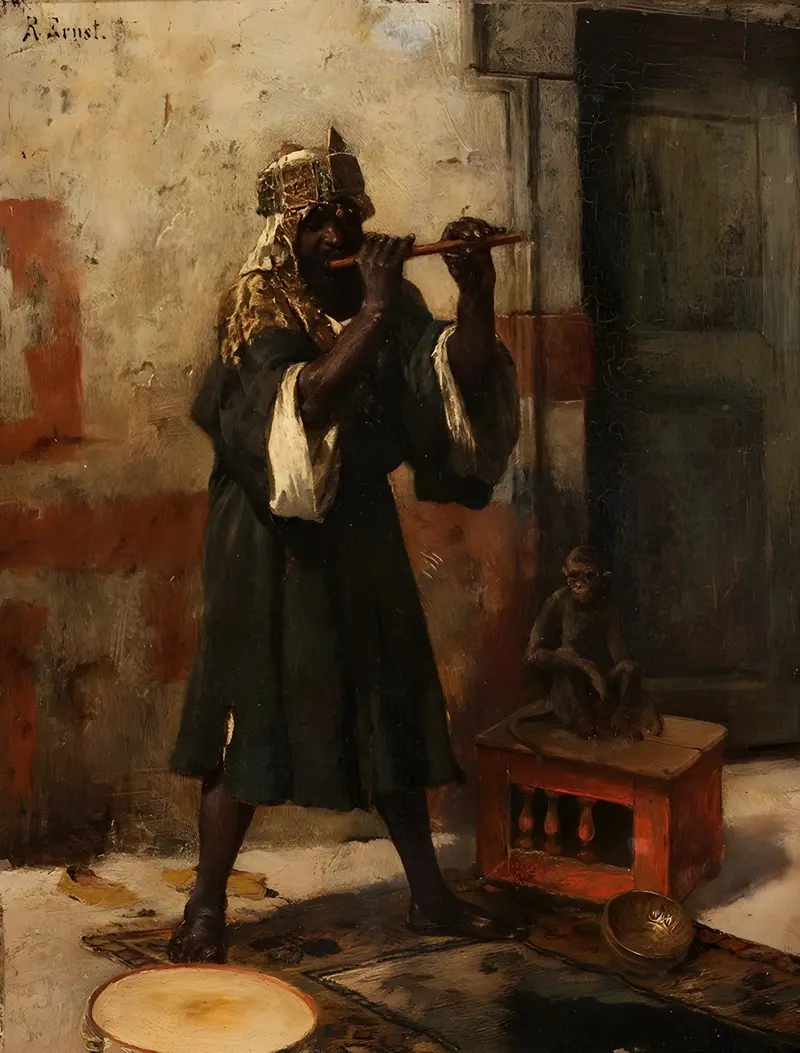
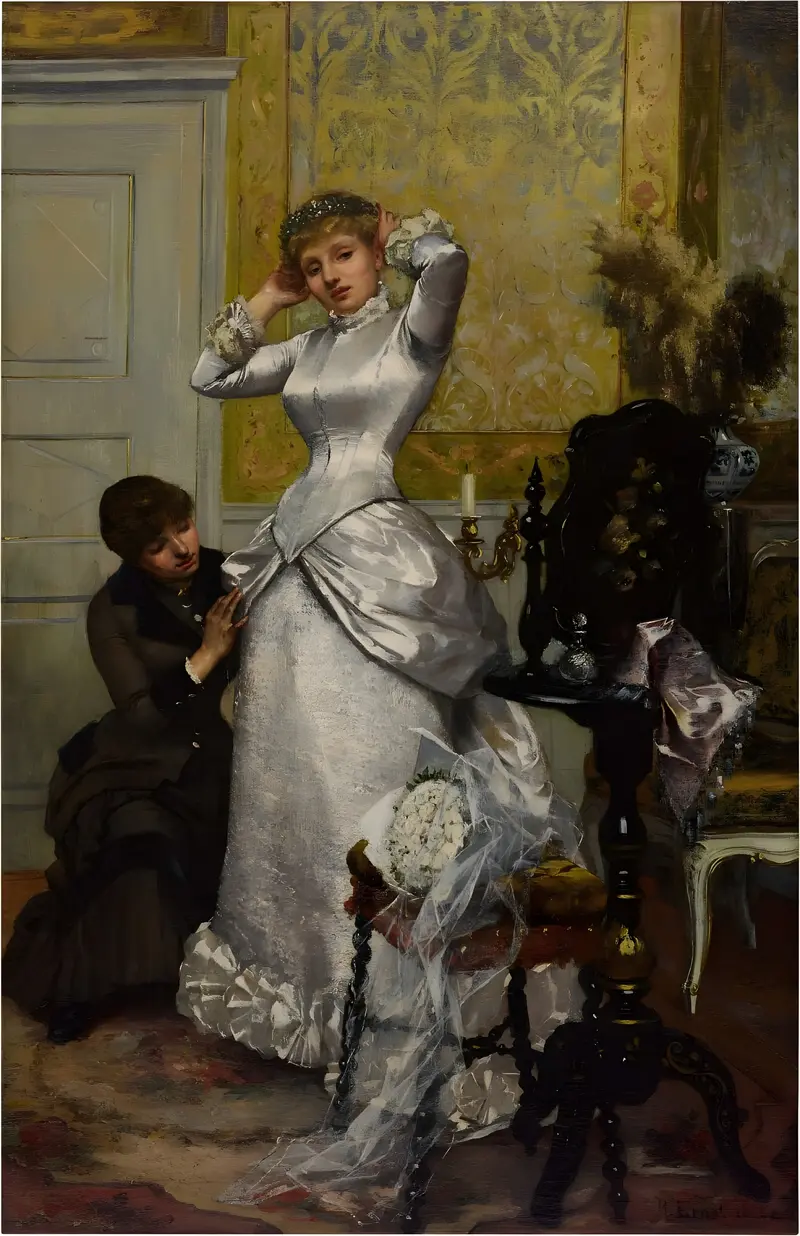
More Artworks by Rudolf Ernst


More Genre Scene Art

Banquet of the Officers of the St George Civic Guard
Frans Hals

Rembrandt and Saskia in the Scene of the Prodigal Son
Rembrandt van Rijn

Bal du moulin de la Galette
Pierre-Auguste Renoir

Quadrille at the Moulin Rouge
Henri de Toulouse-Lautrec

A Burial at Ornans
Gustave Courbet

When Will You Marry?
Paul Gauguin