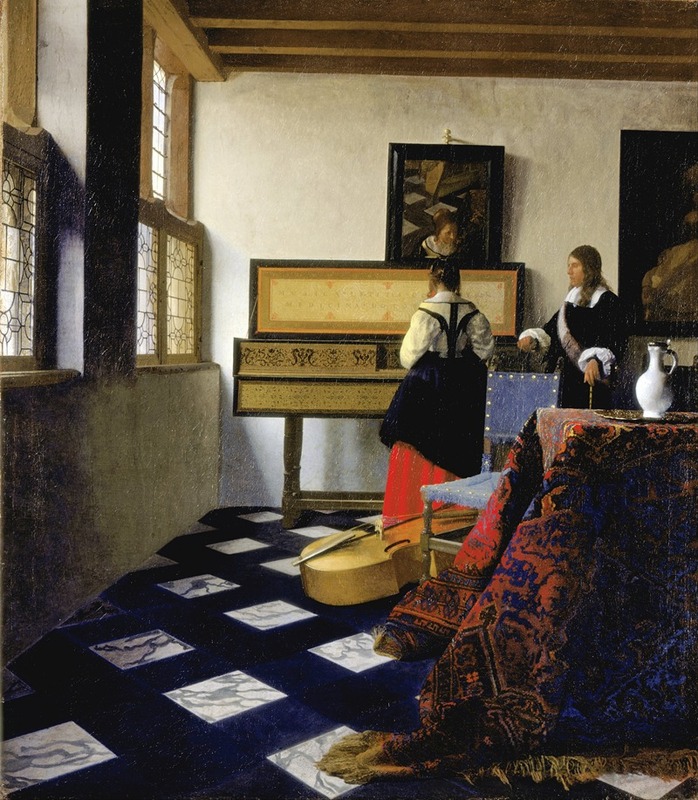
La cour du 64 rue Montorgueil — History & Facts
Can paint confess what words never could? In La cour du 64 rue Montorgueil, a haunting stillness envelops the viewer, inviting contemplation of the quiet betrayals and unspoken stories that reside within its walls. Look to the left at the weathered facade, where muted colors harmonize with the soft play of light, casting long shadows that stretch like secrets waiting to be unveiled. Notice the way the architecture leans inward, as though drawing the viewer into a realm of intimacy, while the courtyard is framed with hints of life – a forgotten bicycle, a potted plant struggling for attention. Each element is meticulously rendered, from the texture of the peeling paint to the cobblestones that whisper of footsteps long past, creating a powerful juxtaposition of nostalgia and isolation. As we delve deeper, the emotional tension resonates with the viewer.
The absence of figures in this urban setting amplifies the sense of solitude, suggesting a betrayal of social connection in the heart of the city. The quiet intimacy of the courtyard belies a history of interactions, now reduced to echoes—lost conversations and faded promises. This tension between presence and absence invites reflection on how spaces hold memories, becoming confessional vessels for unexpressed emotions. In 1926, Ferdinand Boberg painted this work during a period of significant change in Parisian life and art.
The city was grappling with the aftermath of World War I, and artists were exploring new forms of expression amidst a backdrop of social upheaval. Boberg, reflecting this shift, captured the essence of urban life, blending realism with a touch of the evocative, as he delved into the complexities of human relationships and the stories told by the spaces we inhabit.
More Artworks by Ferdinand Boberg
Browse all →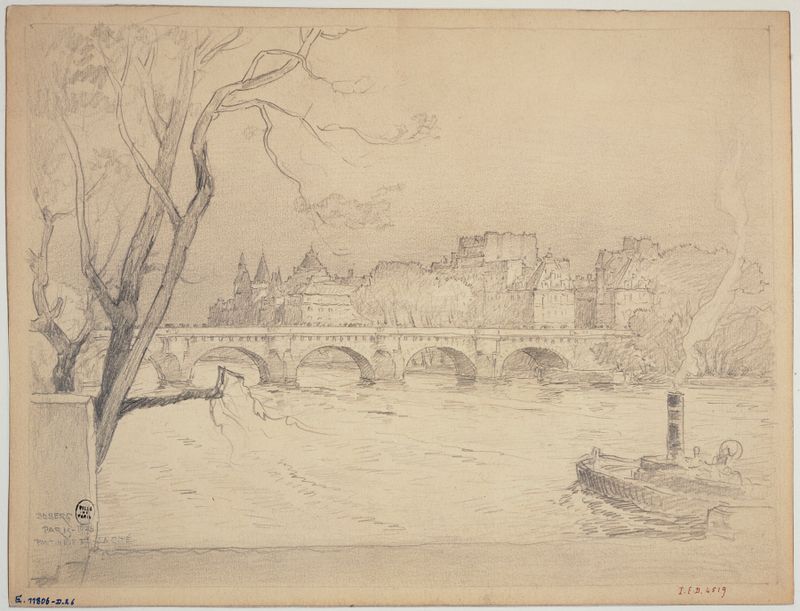
Le Pont-Neuf et la Cité
Ferdinand Boberg
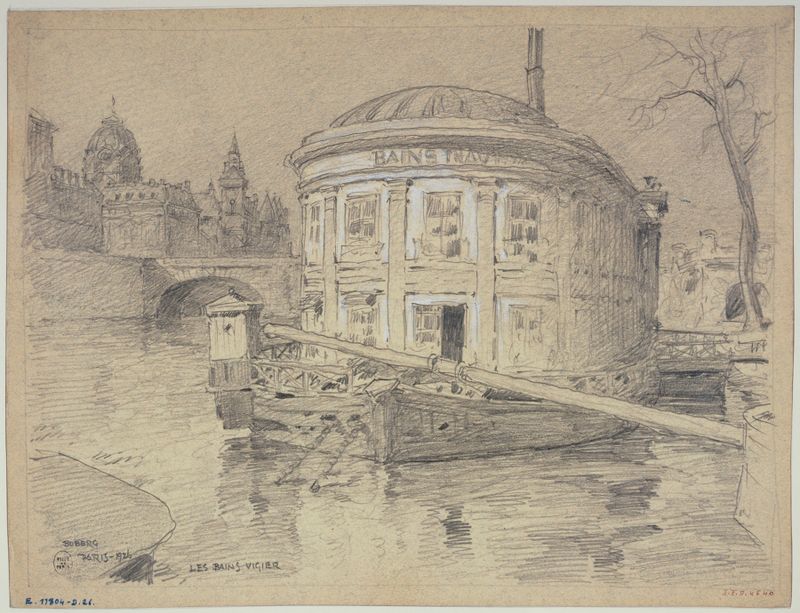
Les bains Vigier au Pont-Neuf
Ferdinand Boberg
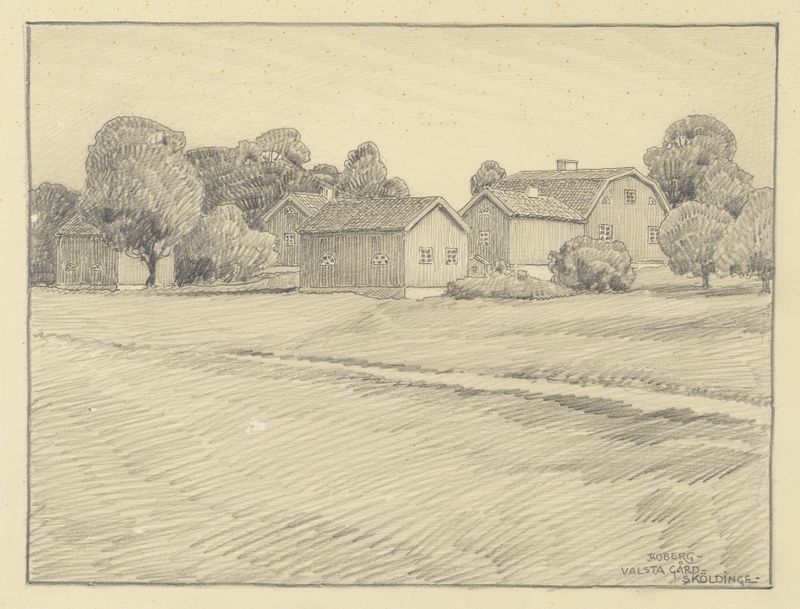
Valsta Gård
Ferdinand Boberg
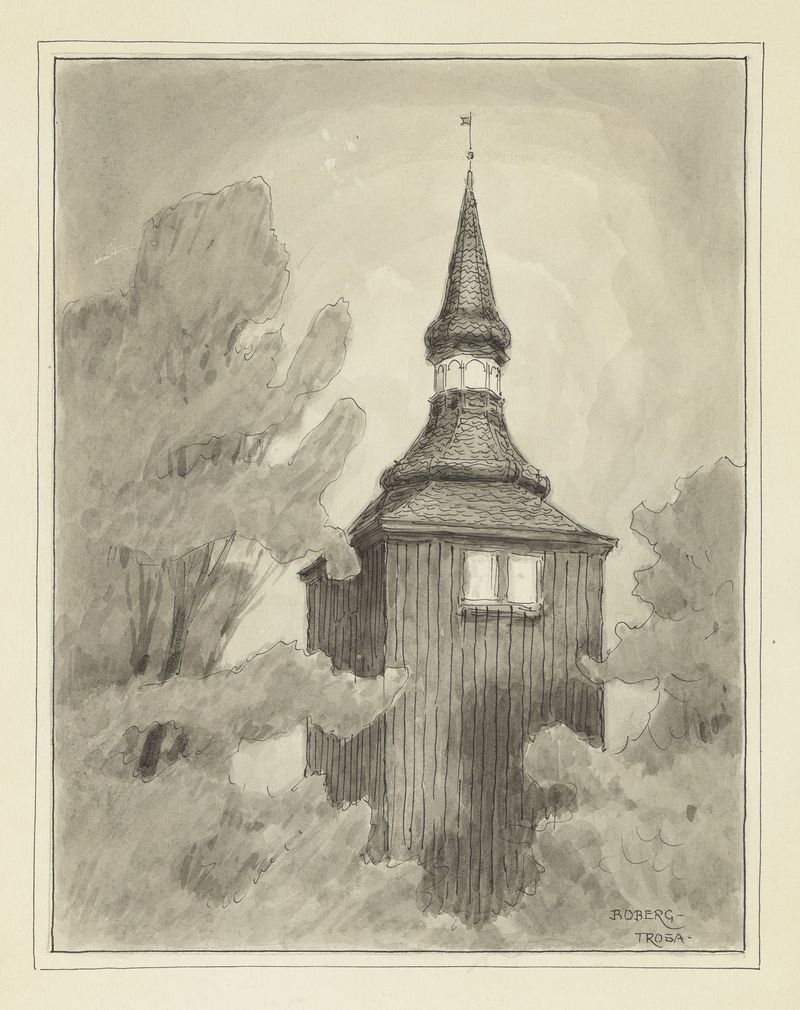
Trosa
Ferdinand Boberg
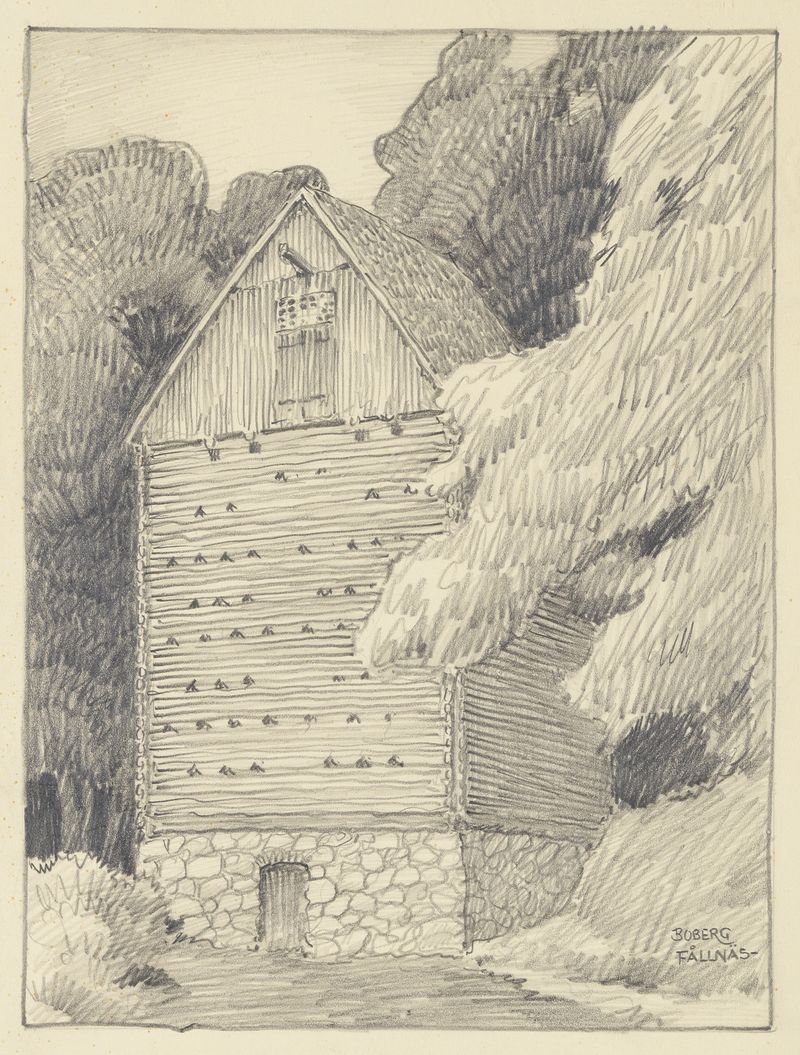
Fållnäs
Ferdinand Boberg
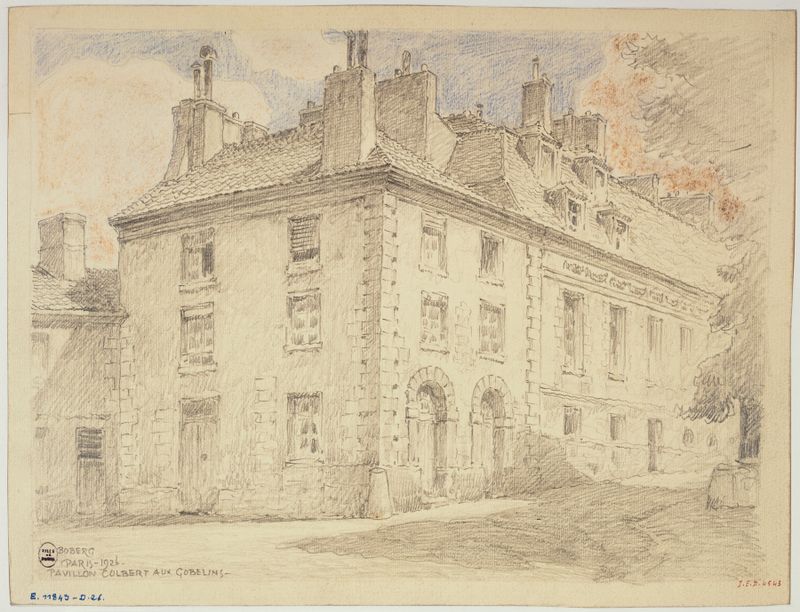
Le pavillon Colbert aux Gobelins
Ferdinand Boberg
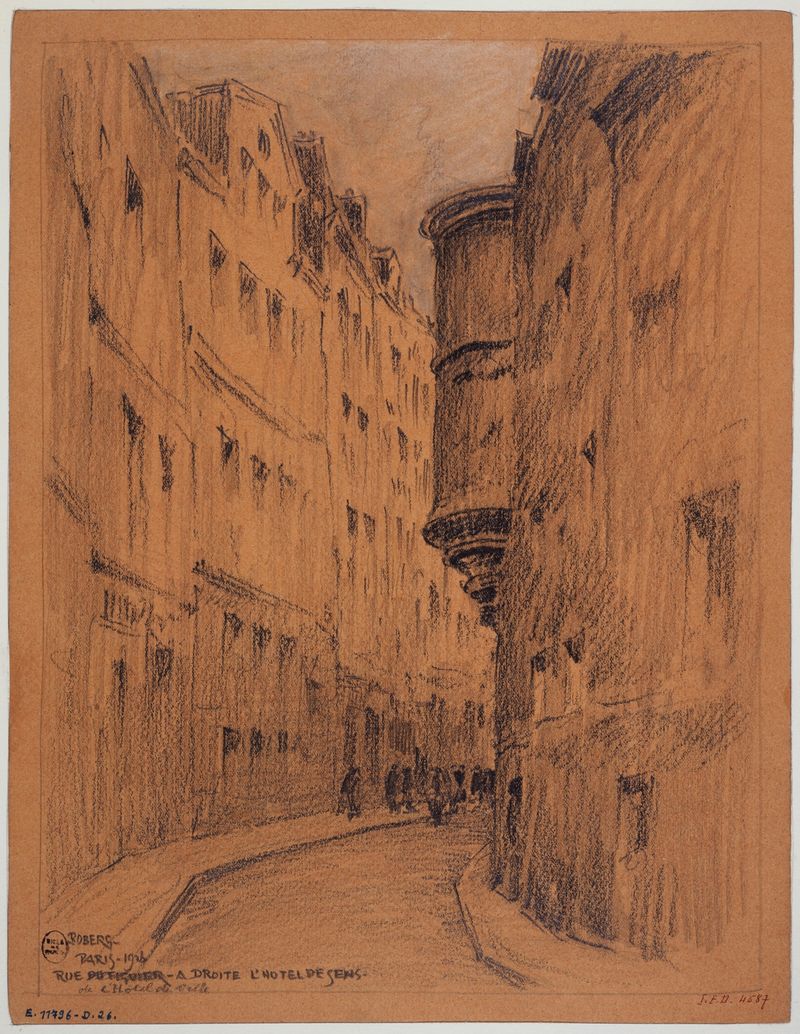
Rue de l’Hôtel de Ville; l’hôtel de Sens
Ferdinand Boberg
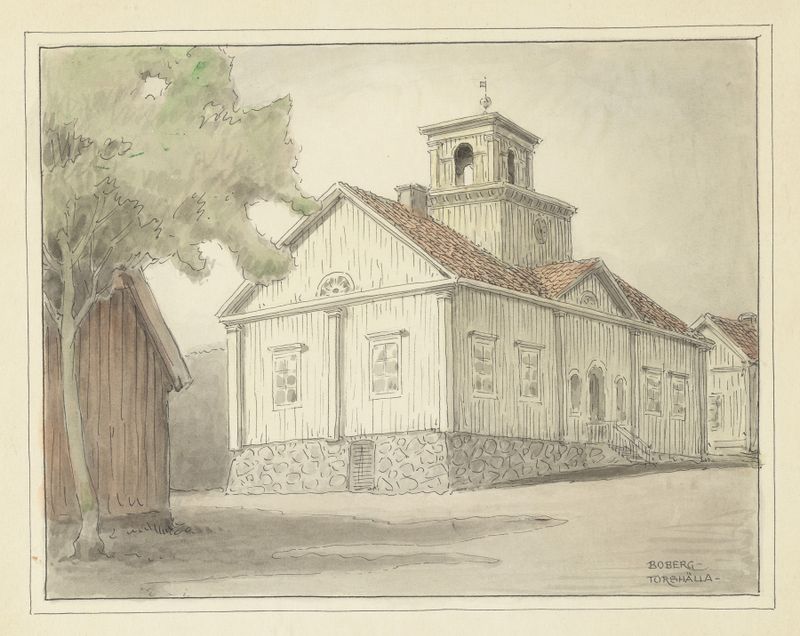
Torshälla
Ferdinand Boberg
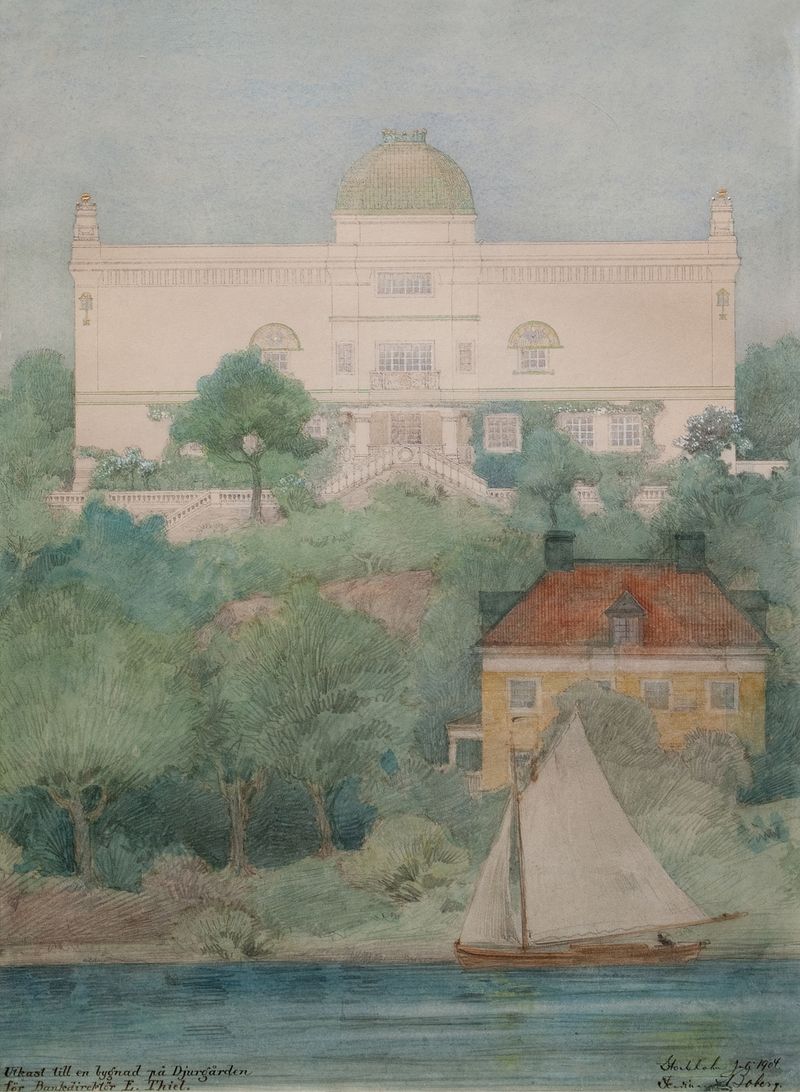
Sketch for a building for Thiel’s Gallery
Ferdinand Boberg
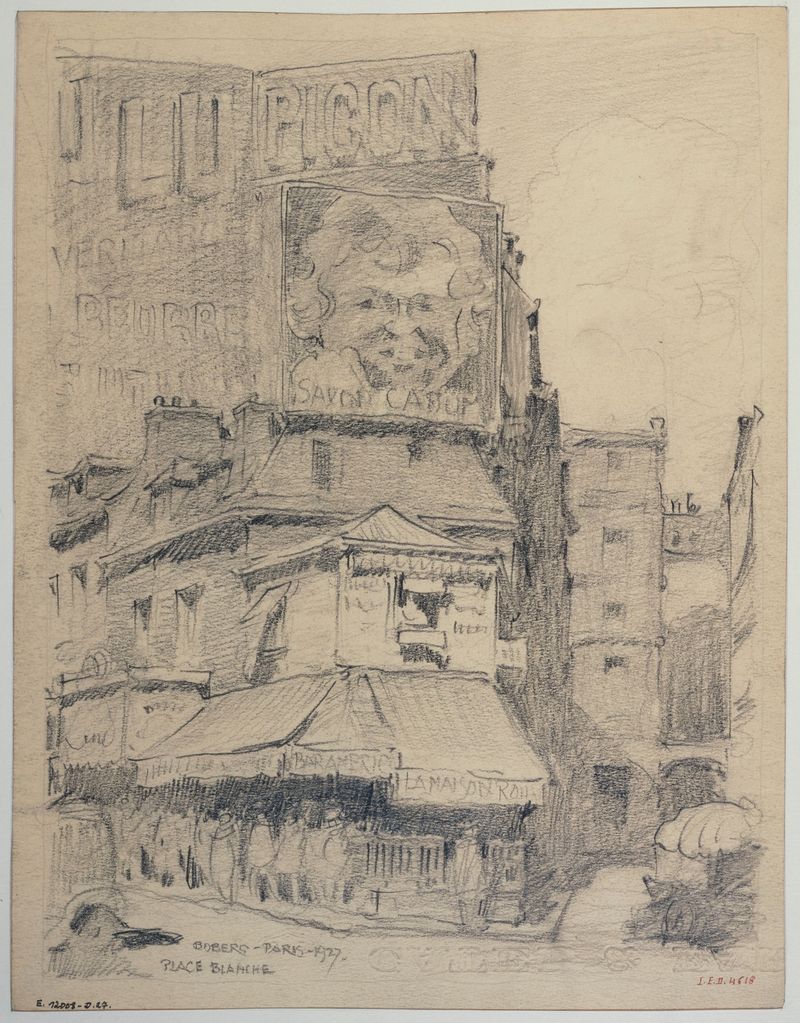
La place Blanche
Ferdinand Boberg