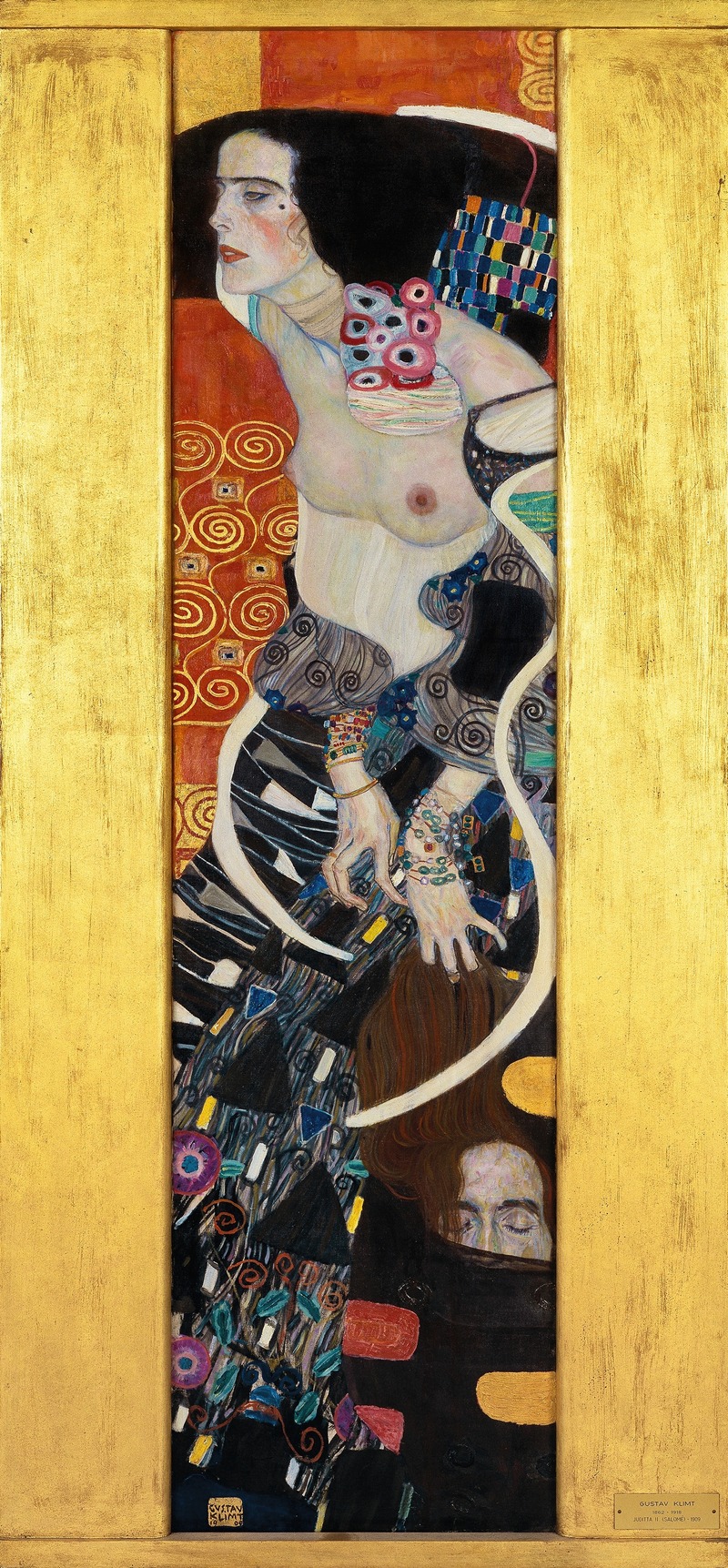
Discover insights about this artwork
La Danseuse assoupie — History & Facts
In La Danseuse assoupie, we see a reclining dancer, her body relaxed and draped in soft fabrics. The colors are gentle, with pastel tones that create a serene atmosphere. The figure is portrayed in a naturalistic style, emphasizing the curves and lines of her form.
The background is minimal, allowing the dancer to be the focal point of the composition. The painting is executed in oil on canvas, a medium that allows for rich color and texture. The brushwork is fluid, contributing to the sense of movement and grace in the dancer's pose. The artist uses light and shadow to highlight the contours of the figure, enhancing the three-dimensionality of the work.
Overall, the technical execution reflects Pascin's skill in capturing the human form. Jules Pascin was known for his depictions of women and dancers, often portraying them in intimate and relaxed settings. La Danseuse assoupie exemplifies his interest in the beauty of the human body and the art of dance. An interesting fact about this work is that it reflects Pascin's own experiences in Paris, where he often mingled with the artistic and bohemian communities.
This painting captures a moment of tranquility amidst the vibrant life of the city.
More Artworks by Jules Pascin
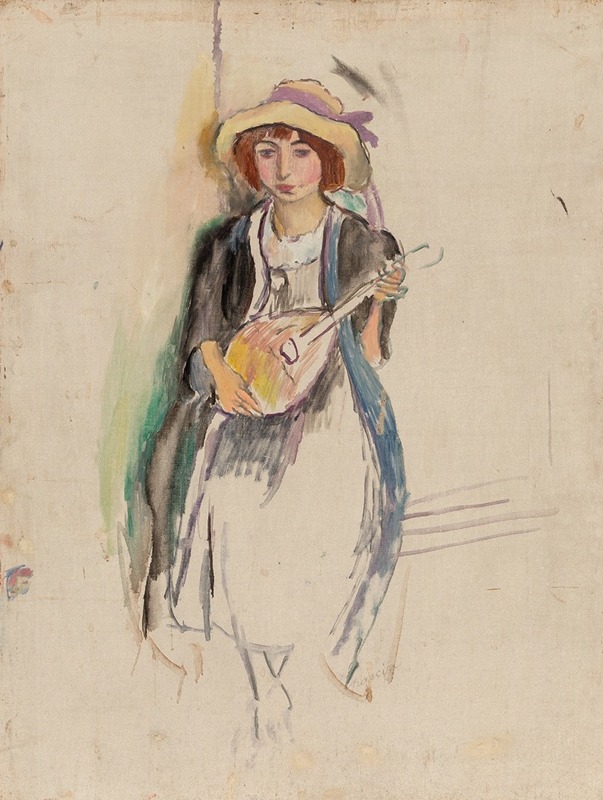
Fille à la mandoline
Jules Pascin
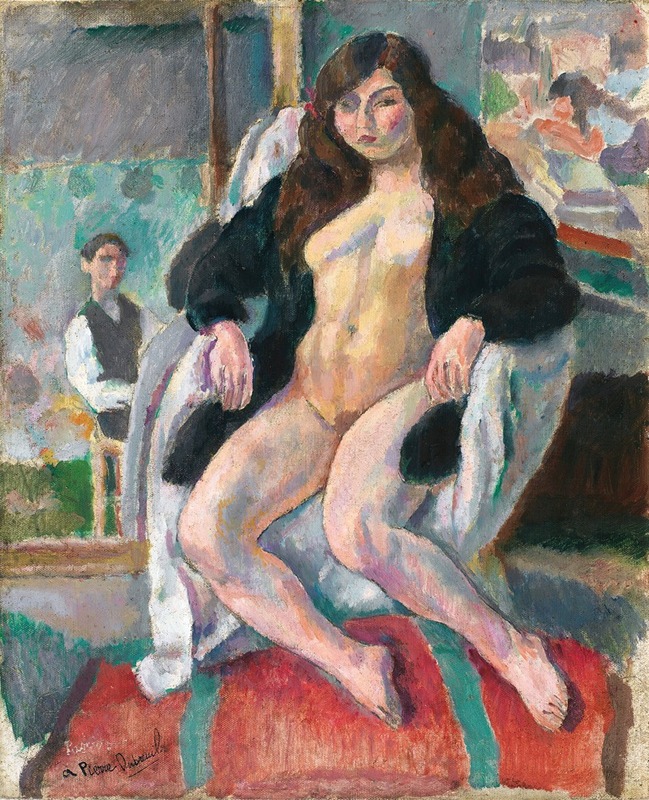
Le Peintre Et Son Modèle
Jules Pascin
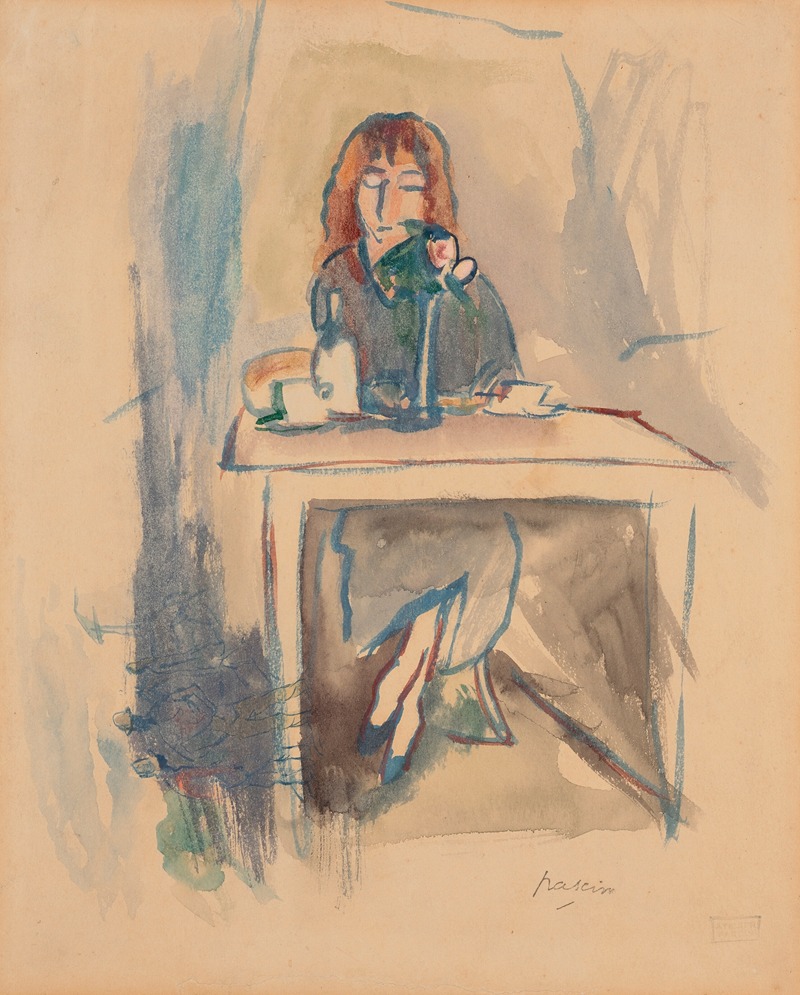
Hermine David à la robe bleue
Jules Pascin
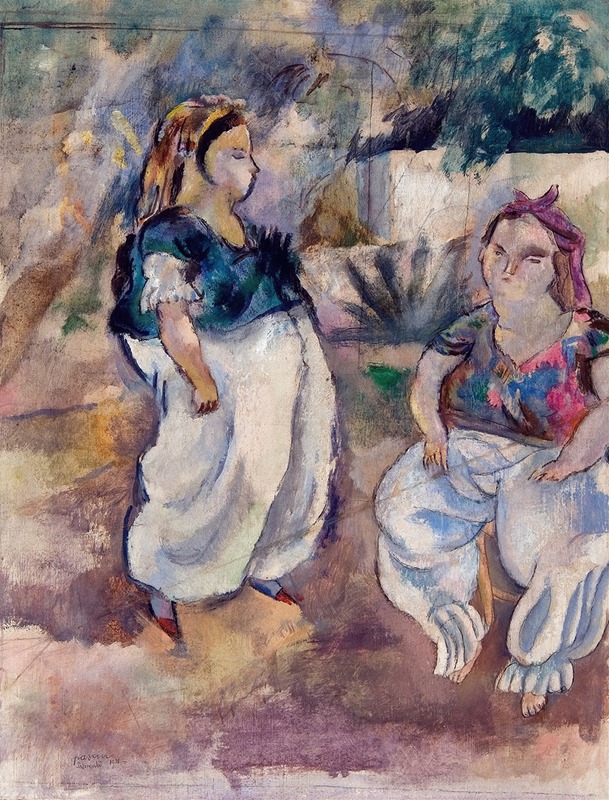
Les Tunisiennes
Jules Pascin
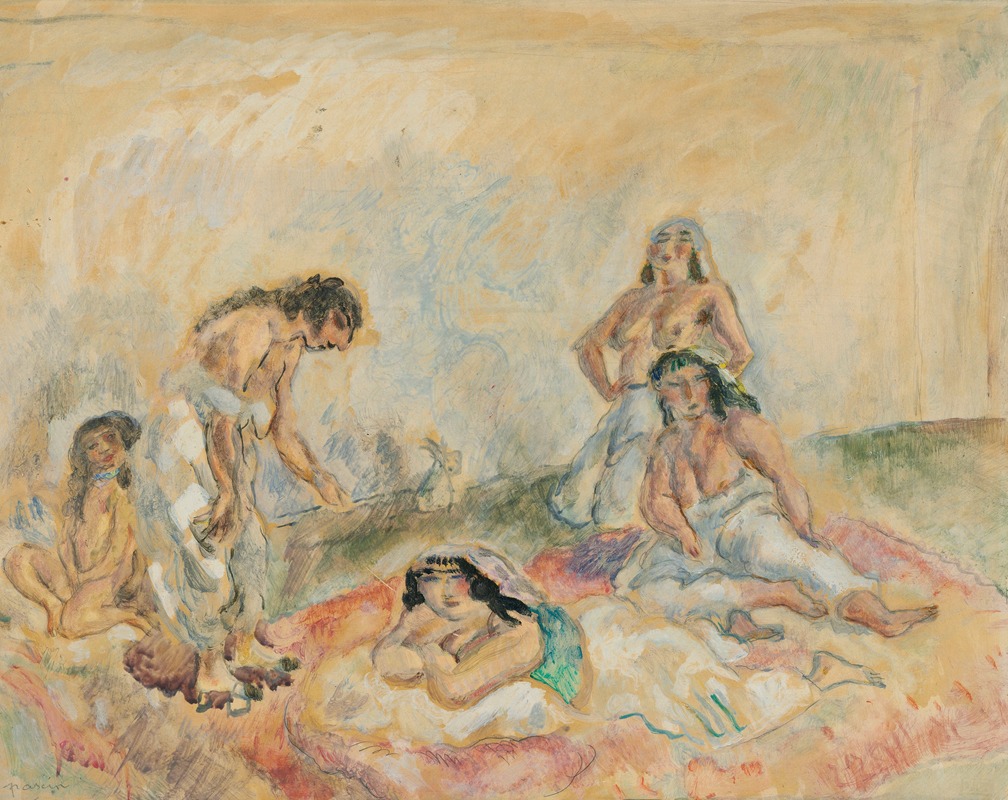
Femmes au salon
Jules Pascin
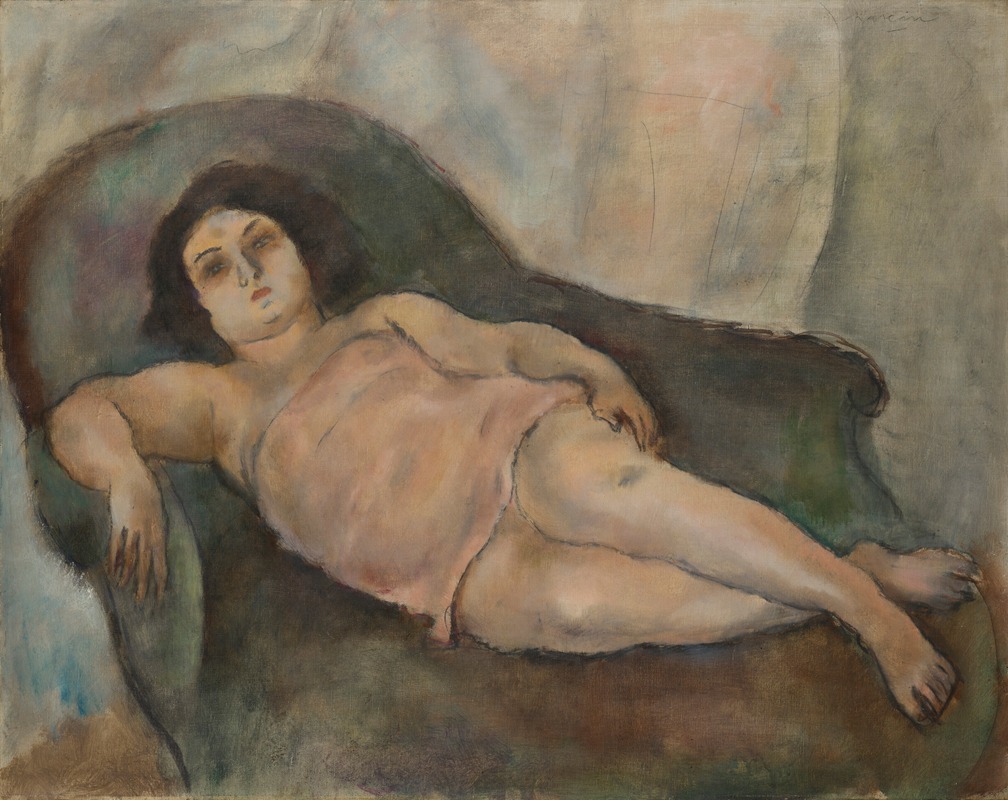
Le Modèle à la chemise rose
Jules Pascin
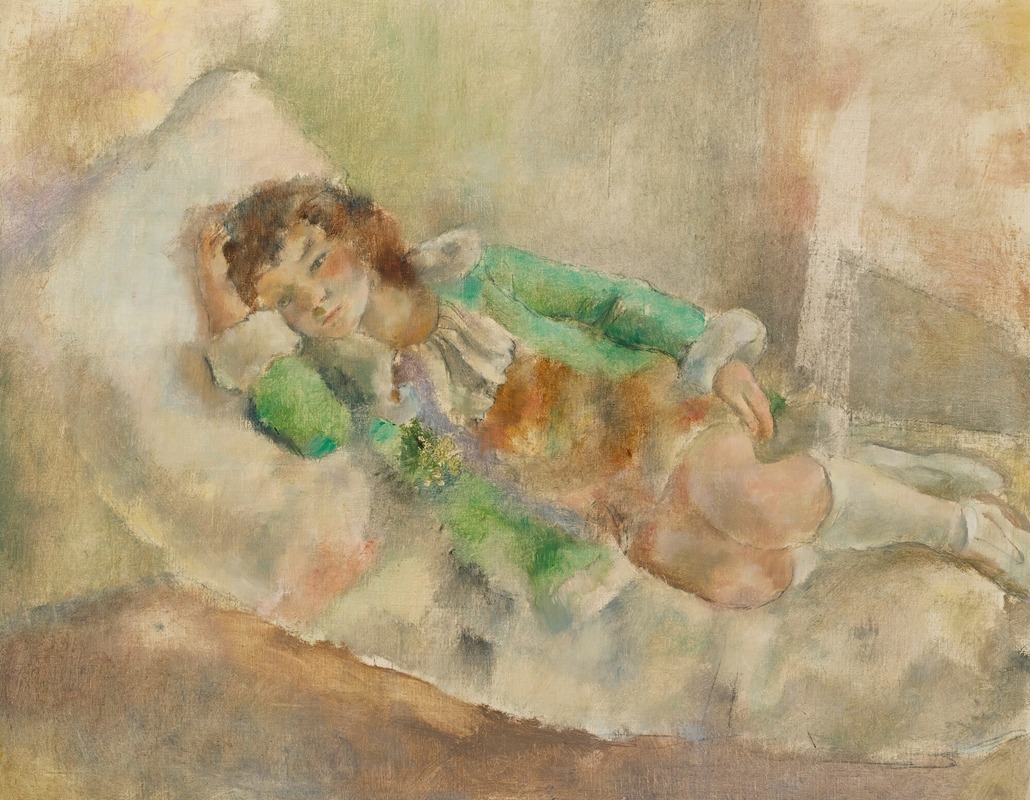
La Petite Actrice
Jules Pascin
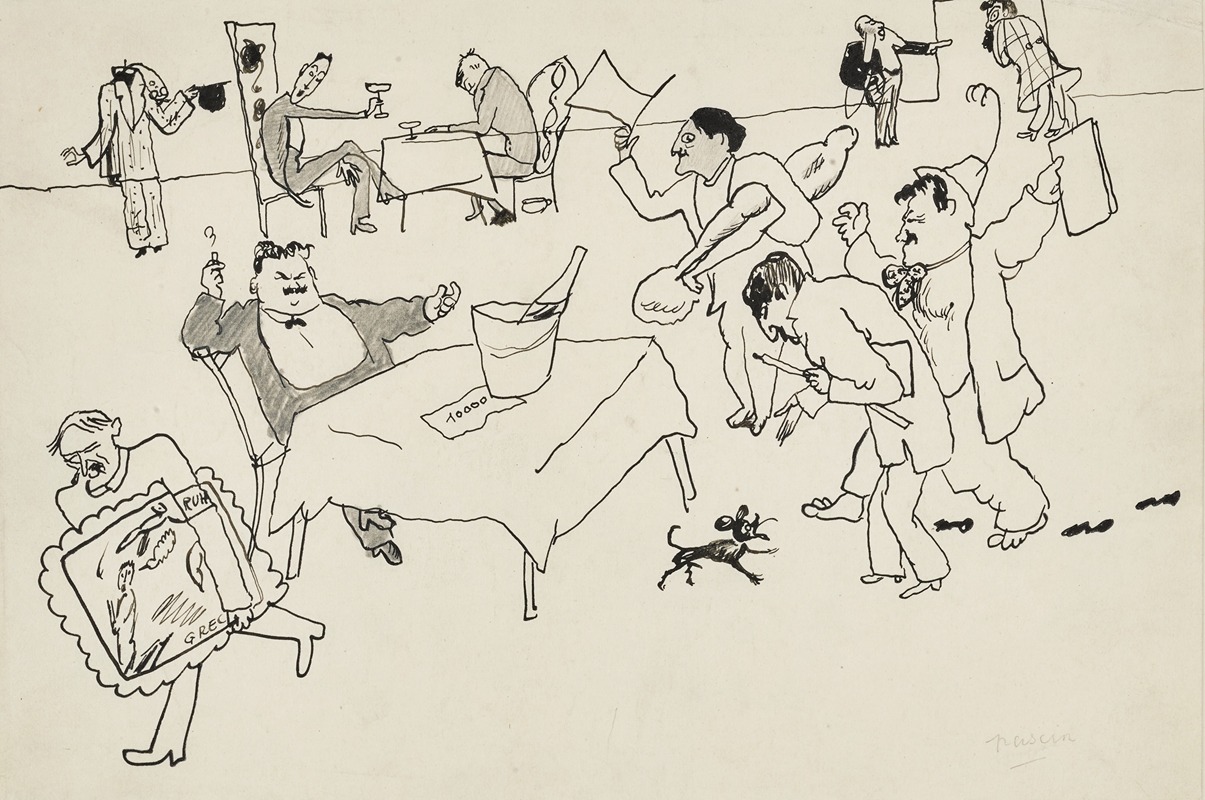
Les Voleurs d’art
Jules Pascin
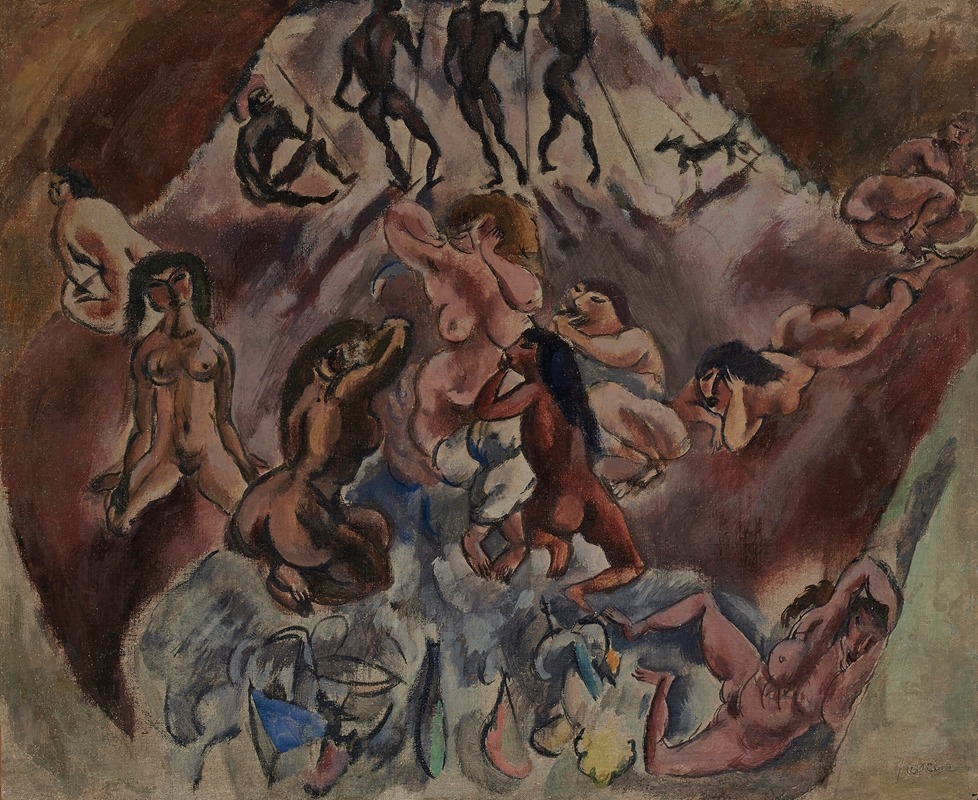
Réunion infernale
Jules Pascin
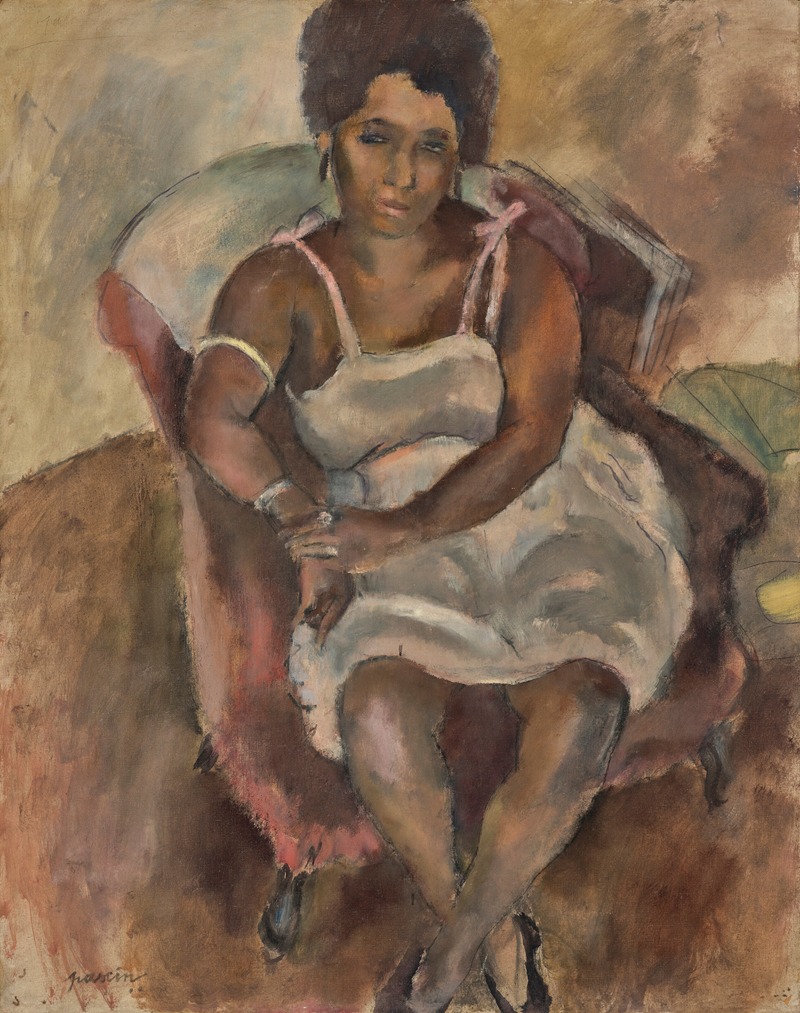
Julie, la Martiniquaise
Jules Pascin