
La Fantaisie — History & Facts
What draws the eye first is not the exposed skin, but the self-assured gaze of the sitter—an invitation and a challenge, both. Draped in gauzy fabric that seems to shimmer with gold, the woman reclines against a turquoise cushion, her body angled in a pose that is at once relaxed and theatrical. Orange flowers crown her hair, their brightness echoed in the thin red ribbon that both secures and reveals.
The light, cool and steady, pools gently across her form, heightening the contrast between the softness of her skin and the rougher, textured backdrop. Every detail here is calculated to hold the viewer’s attention: the tilt of the head, the languid hand, the subtle smile that suggests she is as aware of being looked at as the viewer is of looking. Painted by Theodoros Ralli sometime between 1873 and 1902, La Fantaisie belongs to a world in which Orientalist fantasies and European academic painting collided. Such works were often commissioned for private collectors eager for a glimpse of imagined luxury and sensuality from distant lands, filtered through a Western lens.
Ralli, a Greek artist working in the cosmopolitan circles of Paris, was known for scenes that blend theatricality with a careful study of costume and interior. The genre thrived on suggestion and allure, and here, history has left us with little more than the painting itself and its presence in a modern collection. The sitter’s enigmatic confidence, however, remains undimmed—her gaze invites us to linger, to wonder what story she might tell if only we could ask.
More Artworks by Theodoros Ralli

The Sleeping Concubine
Theodoros Ralli
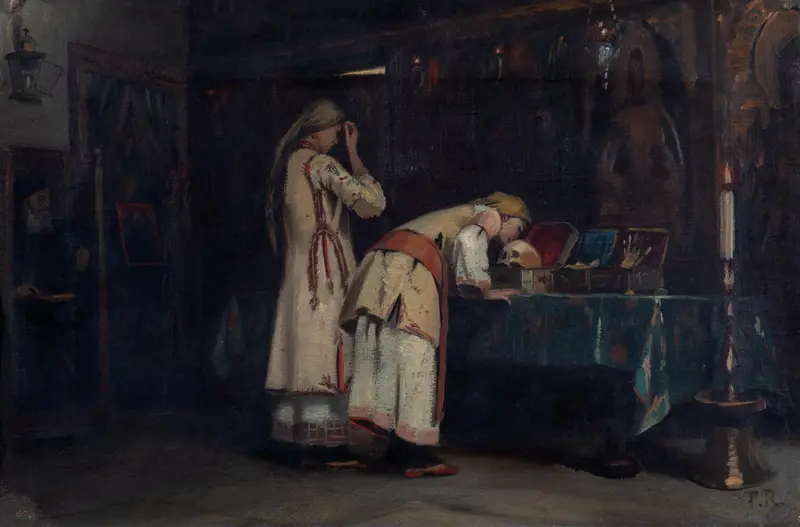
Holy Relics
Theodoros Ralli
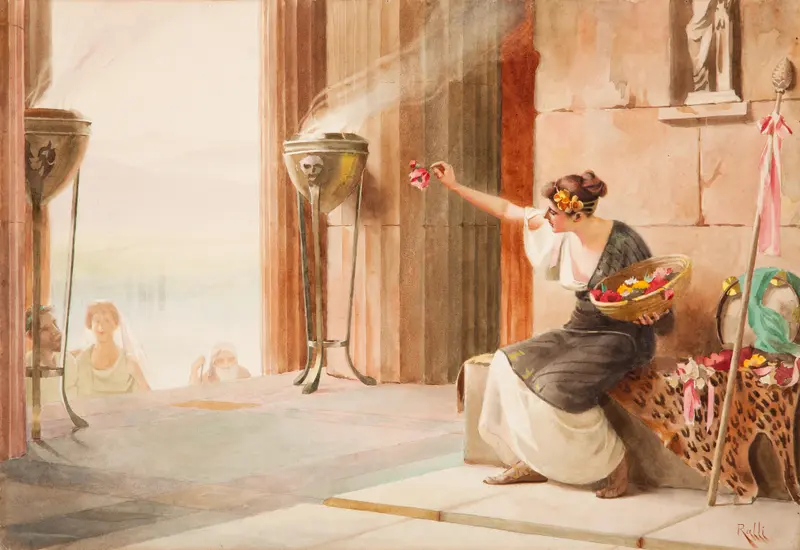
Flower Seller at the Parthenon
Theodoros Ralli
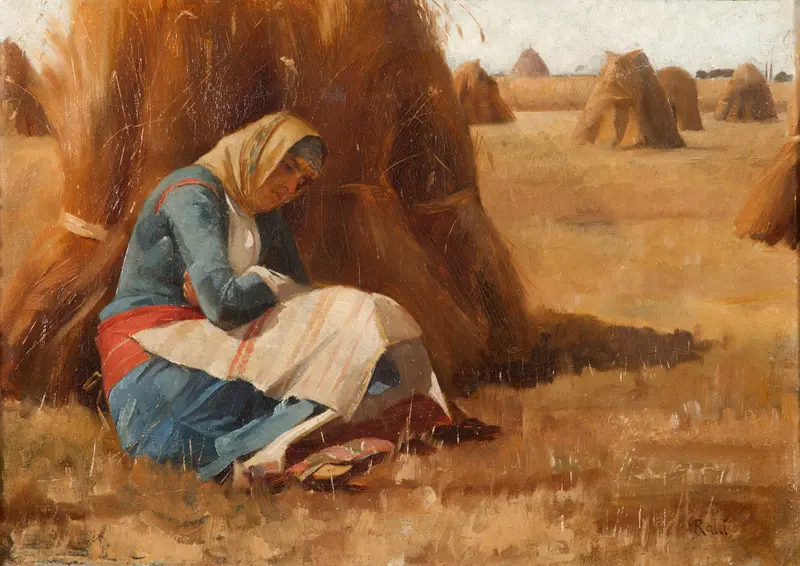
Resting by a Haystack
Theodoros Ralli
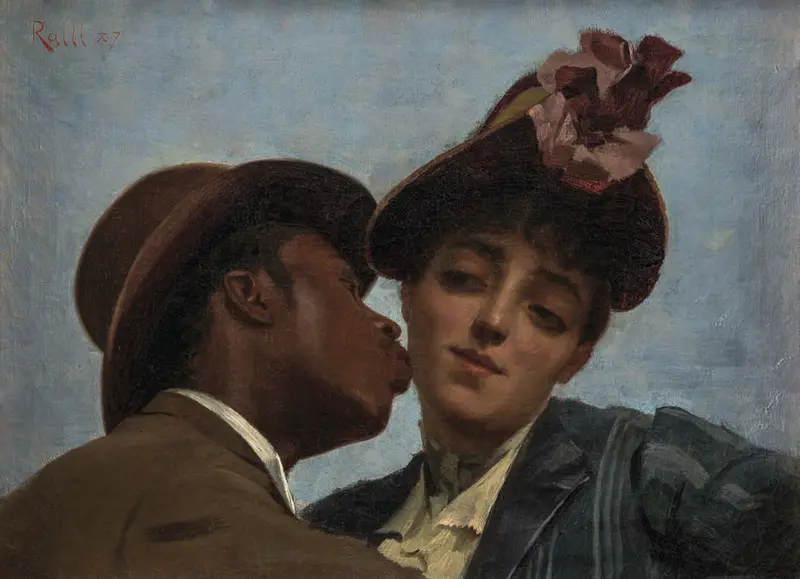
The Kiss (Ralli)
Theodoros Ralli
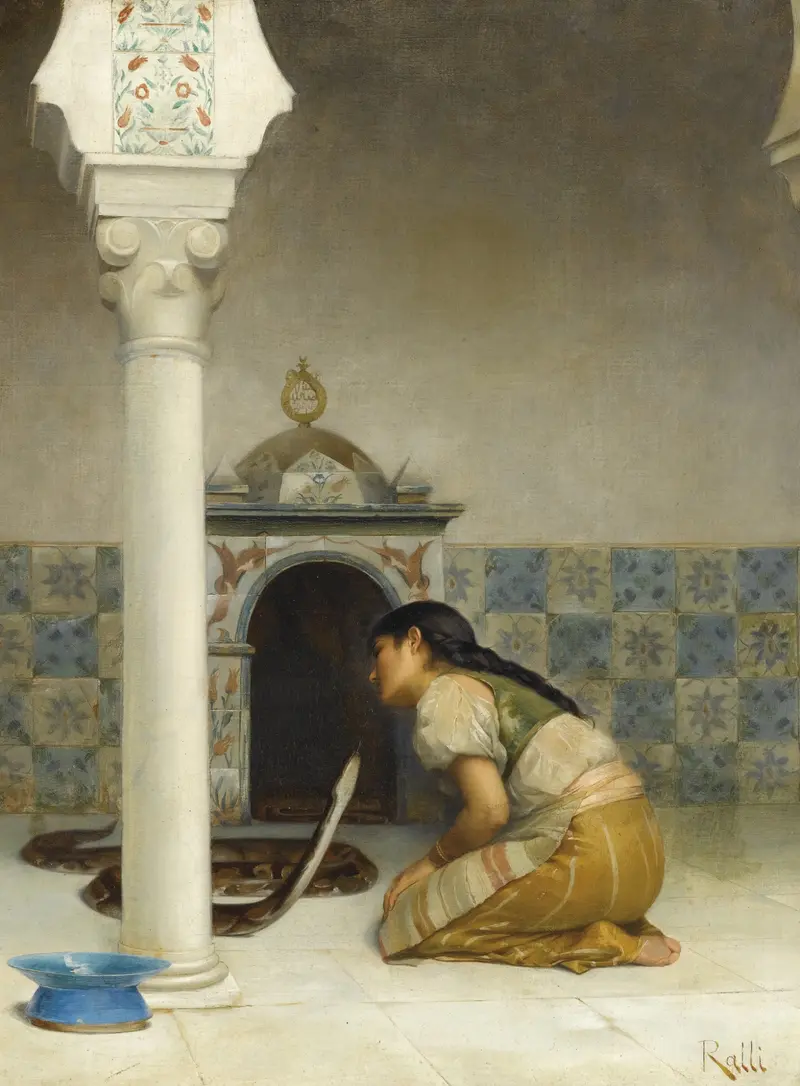
The Sacred Serpent
Theodoros Ralli
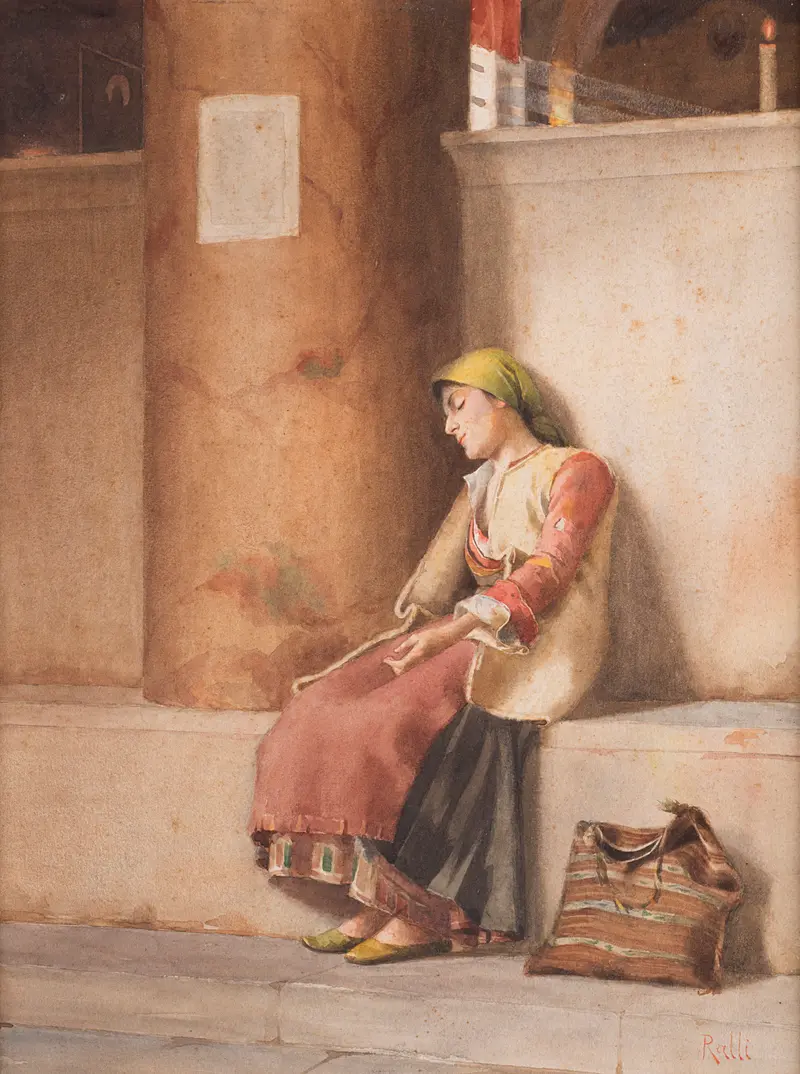
A Moment of Reflection
Theodoros Ralli
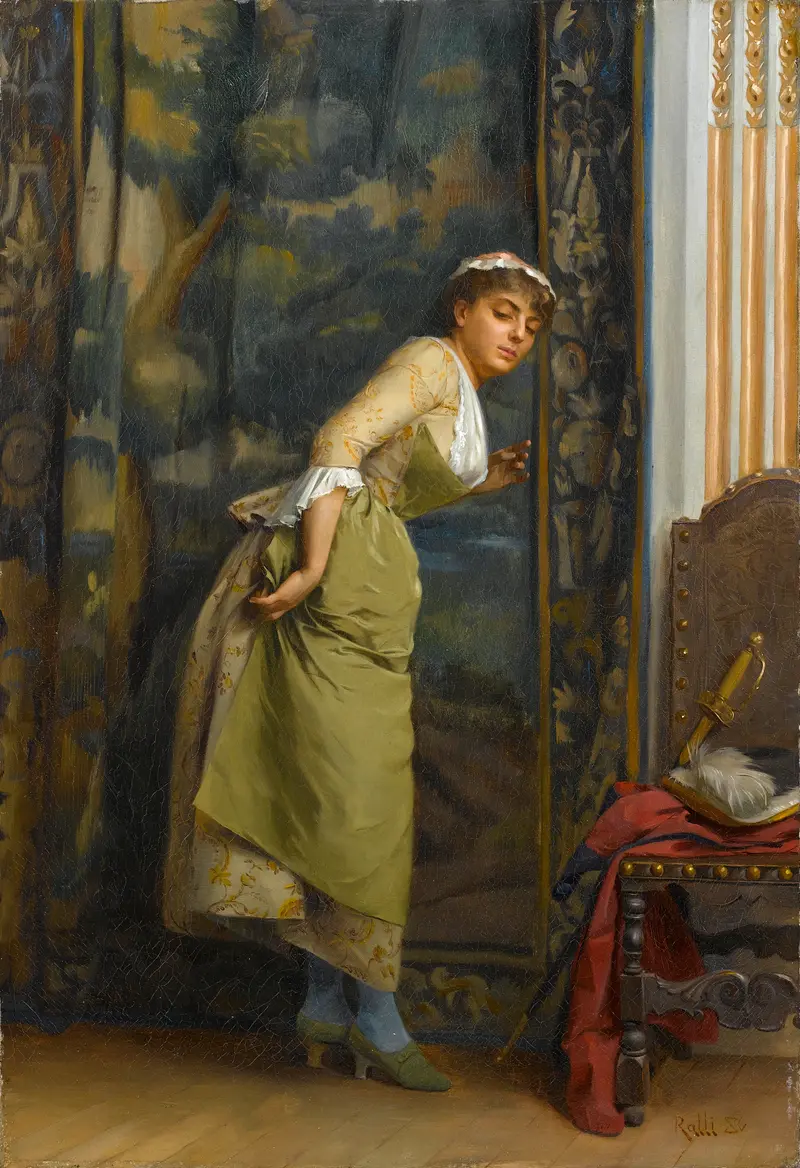
Eavesdropping (Ralli)
Theodoros Ralli
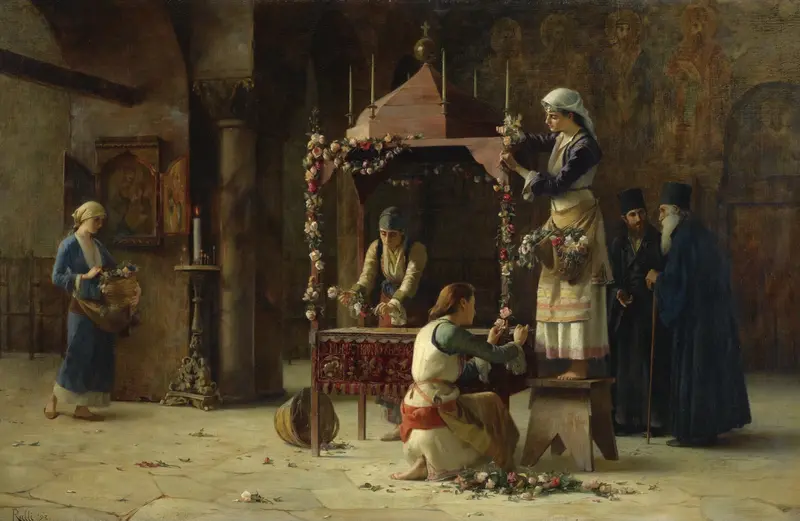
Holy Friday, Greece
Theodoros Ralli
A Moment's Rest
Theodoros Ralli





