
La Fête vénitienne sur la Seine — History & Facts
When did color learn to lie? Each hue in this painting whispers secrets, blending dreams with reality and inviting the viewer into a world suspended between the two. Look to the left at the vibrant, swirling colors that define the bustling festivities along the Seine. The brushstrokes create an almost rhythmic pulse, capturing the lively movement of figures adorned in elaborate costumes. Notice how the light dances across the water, glistening with reflections that mimic the joy of the revelers.
The composition draws us in, guiding our gaze from the foreground's jubilant crowd to the tranquil river in the background, harmonizing chaos with serenity. Amid the celebration, subtle contrasts emerge—between the fleeting nature of joy and the backdrop of an eternal river. The faces, though vibrant, hint at a complexity beneath their merriment, suggesting that even in festivity, life holds its shadows. The juxtaposition of the warm, inviting colors against the cool blues of the water evokes a sense of longing, as if the true essence of the scene is forever just out of reach. Created in 1889, this piece reflects Lepère's deep engagement with the Impressionist movement, which was thriving in Paris at the time.
He painted it during a period of transition in his life, where he shifted from traditional methods to more experimental techniques, capturing the essence of contemporary life and the fleeting beauty of moments set against the rich cultural tapestry of the Seine.
More Artworks by Auguste Louis Lepère
Browse all →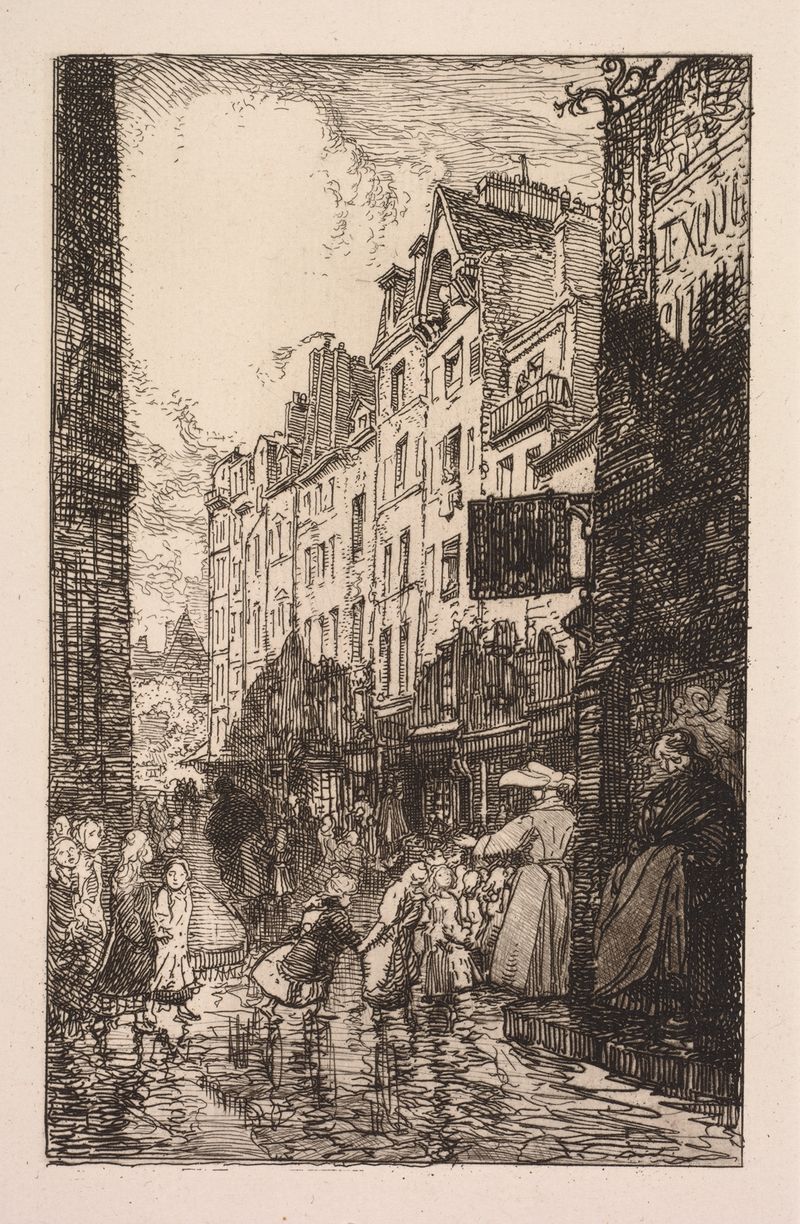
La Rue des Prêtres Saint-Séverin
Auguste Louis Lepère
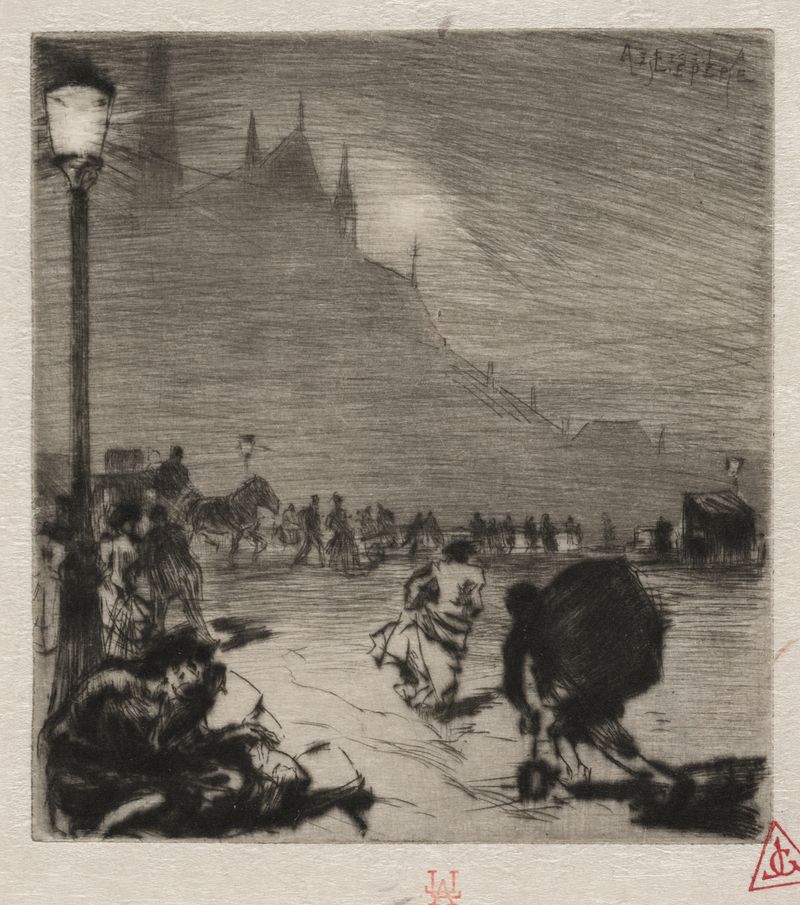
Au Coin du Pont-aux-Doubles
Auguste Louis Lepère
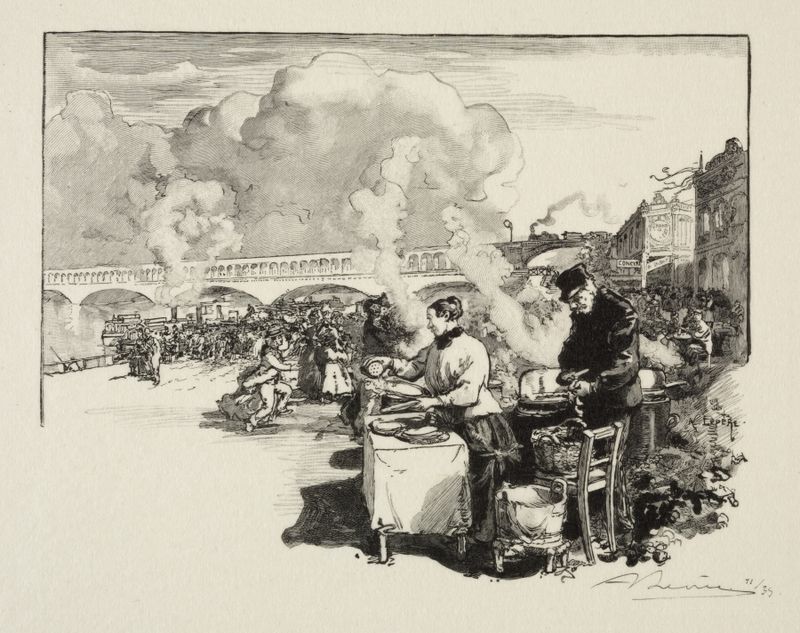
Debarcadère des bateaux-omnibus
Auguste Louis Lepère

La Seine, au quai de la Rapée
Auguste Louis Lepère
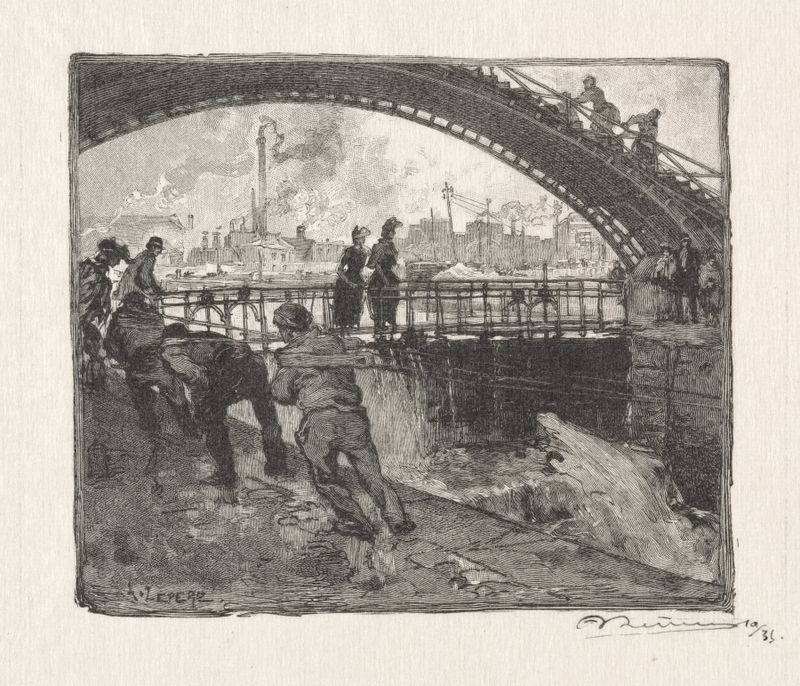
L’Ecluse du Canal St. Martin
Auguste Louis Lepère

Le Boulevard Montmartre, le Soir
Auguste Louis Lepère

Une Chasse au Mont Gérard
Auguste Louis Lepère
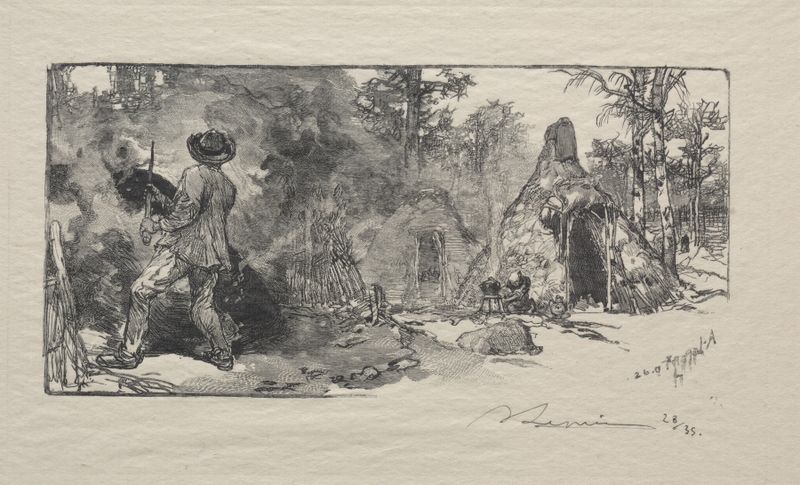
Les Charbonniere
Auguste Louis Lepère
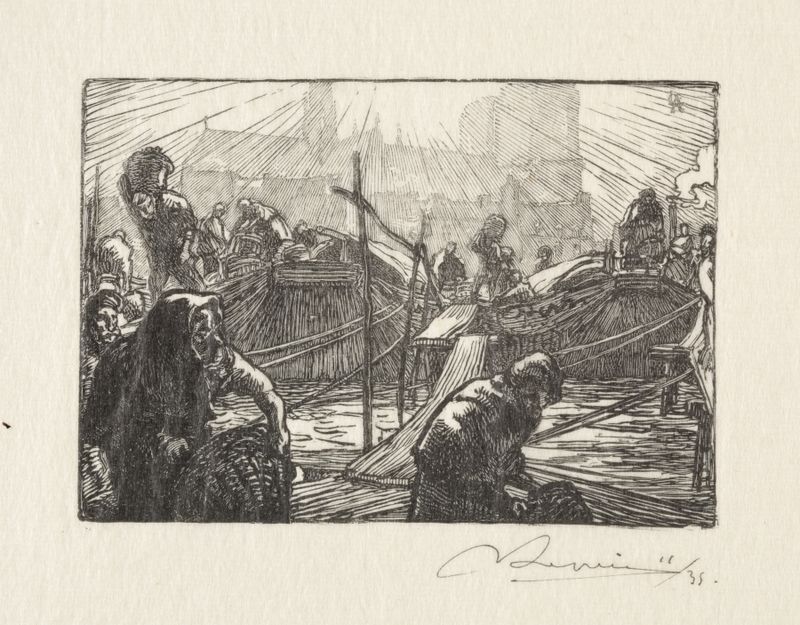
Notre Dame vue du Marché aux pommes
Auguste Louis Lepère

Le Palais des Arts Liberaux, Intèrieur
Auguste Louis Lepère





