
La Grève, l’Ile Saint-Louis et le Pont Rouge, vus de la place de la Grève — History & Facts
What secret hides in the quiet of the canvas? In La Grève, l’Ile Saint-Louis et le Pont Rouge, vus de la place de la Grève, the stillness speaks of a history layered with lives, ambitions, and the pulse of a city caught in serene contemplation. Look to the right at the delicate strokes capturing the soft ripples on the water's surface, mirroring the buildings that stand in quiet dignity along the riverbank. Notice how the pastel hues of pink and blue harmonize, creating a gentle twilight that envelops the scene. The artist employs a balanced composition, guiding the eye from the foreground’s bustling activity to the tranquil backdrop, where the bridge arches gracefully, inviting the viewer to wander through time and memory. Within this calm exterior lies a tension between the mundane and the profound.
The figures, though small and seemingly insignificant against the vastness of their surroundings, embody the hope and resilience of their era. The boats bobbing lazily on the Seine evoke a sense of transition—between the simplicity of daily life and the grandeur of the architectural marvels that define Paris. Each stroke feels deliberate, a legacy captured in a moment that transcends its own reality. Created in 1754, this piece by Nicolas Jean-Baptiste Raguenet reflects a Paris on the brink of transformation, both socially and artistically.
During this period, the city was a hub of Enlightenment thought, where art began to mirror the aspirations and complexities of a changing society, setting the stage for the rich tapestry of culture that would soon flourish. Raguenet, a significant figure in this artistic awakening, encapsulated the essence of his time in this evocative portrayal of urban life.
More Artworks by Nicolas Jean-Baptiste Raguenet
Browse all →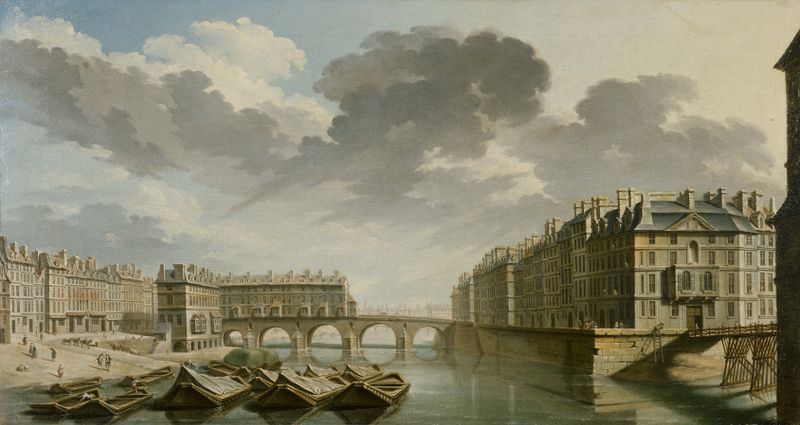
Le Quai des Ormes (actuel quai de l’Hôtel de Ville), le pont Marie et l’île Saint-Louis
Nicolas Jean-Baptiste Raguenet

Le Palais des Tuileries, vu du quai d’Orsay
Nicolas Jean-Baptiste Raguenet
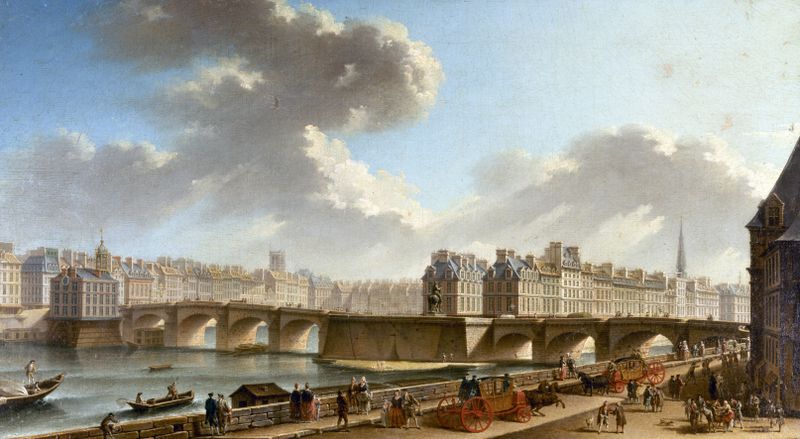
Le Pont-Neuf Et La Cité, Vus Du Quai De Conti
Nicolas Jean-Baptiste Raguenet
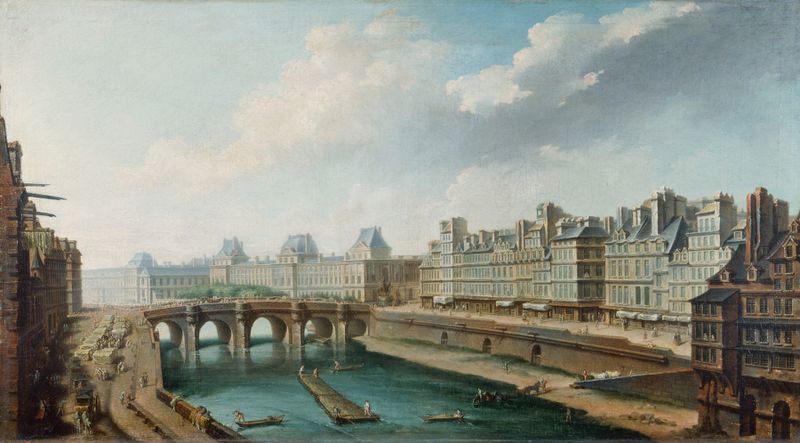
Le Louvre, le Pont-Neuf et le quai des Orfèvres, vus du quai des Grands-Augustins
Nicolas Jean-Baptiste Raguenet
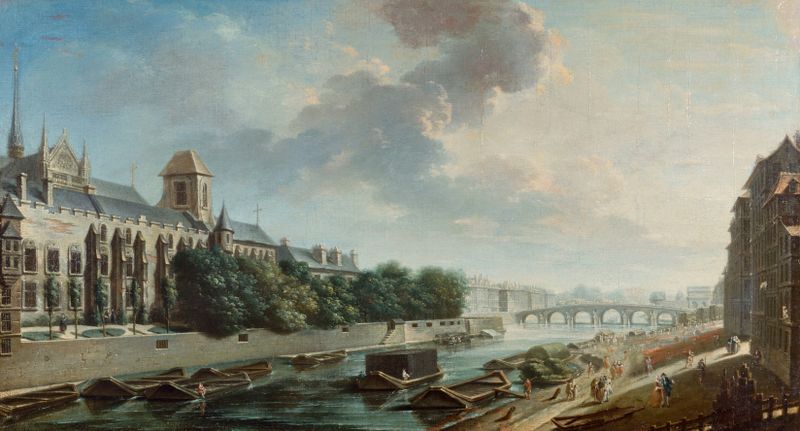
Le Palais de l’archevêché, vue de la rive gauche
Nicolas Jean-Baptiste Raguenet
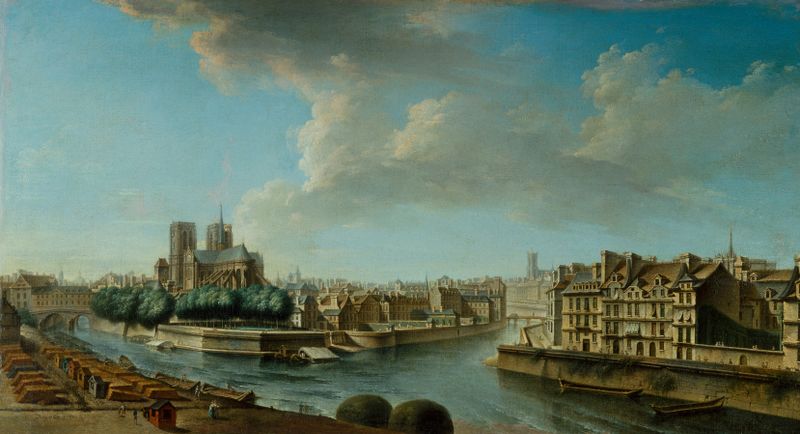
Le Chevet de Notre-Dame et la Pointe occidentale de l’Ile Saint-Louis
Nicolas Jean-Baptiste Raguenet
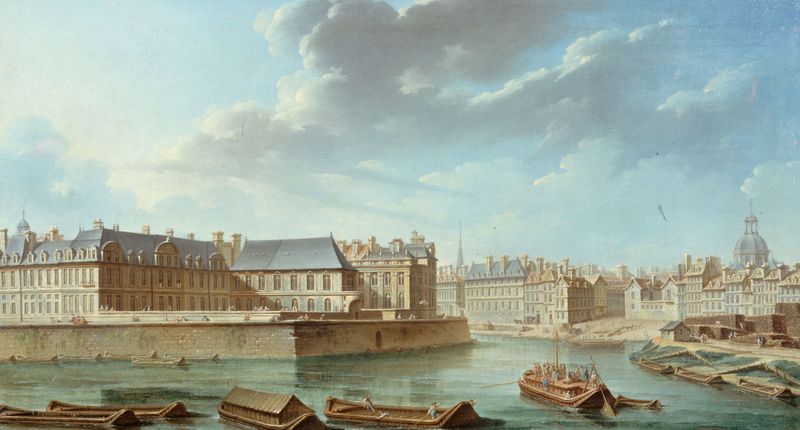
La Pointe orientale de l’île Saint-Louis, avec l’hôtel de Bretonvilliers et l’hôtel Lambert
Nicolas Jean-Baptiste Raguenet
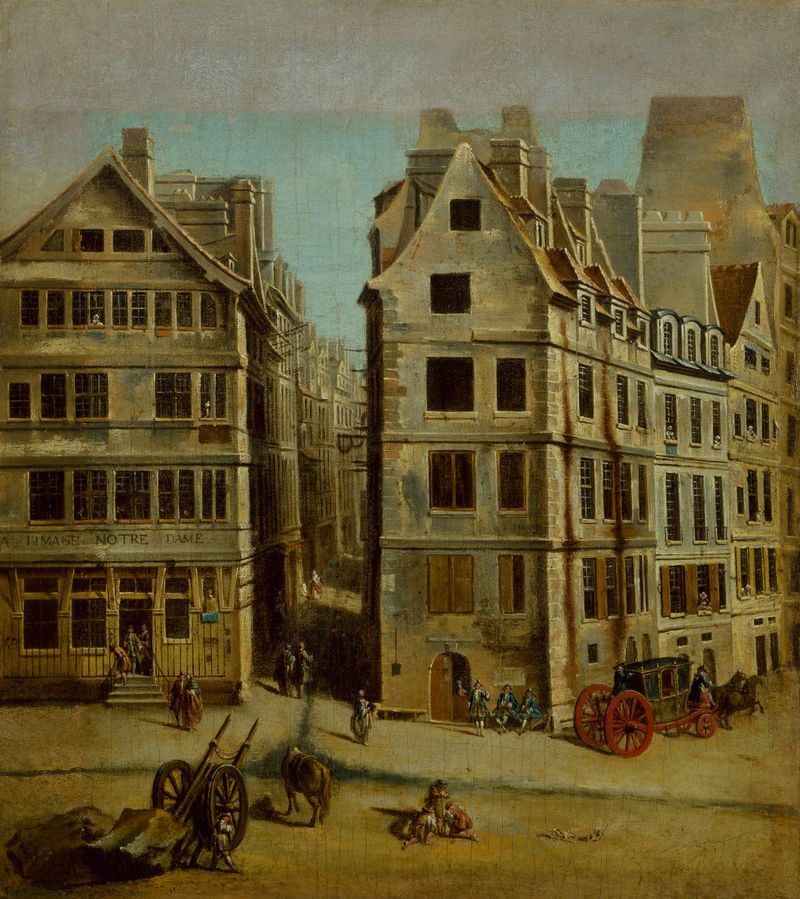
Le cabaret l’Image Notre-Dame, place de Grève, actuelle place de l’Hôtel de Ville
Nicolas Jean-Baptiste Raguenet

La joute des mariniers, entre le pont Notre-Dame et le pont au Change
Nicolas Jean-Baptiste Raguenet
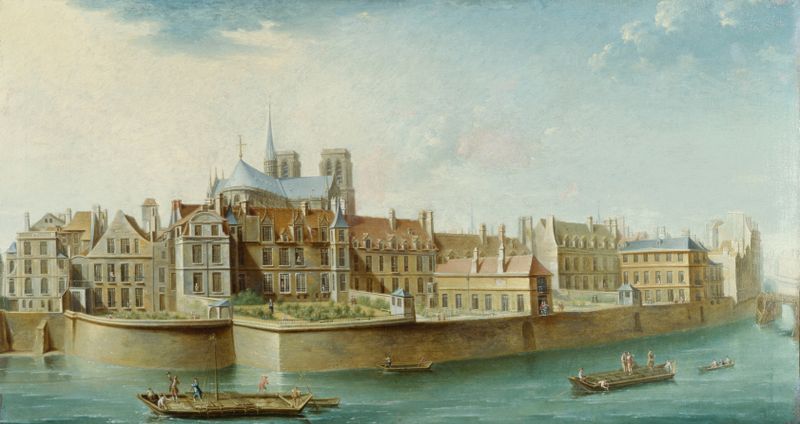
Le Cloître Notre-Dame, vu de l’île Saint Louis (quai d’Orléans)
Nicolas Jean-Baptiste Raguenet





