
Le Louvre, le Pont-Neuf et le quai des Orfèvres, vus du quai des Grands-Augustins — History & Facts
In the stillness of brush strokes lies a bridge between memory and eternity. Look to the center where the majestic Louvre looms, its storied architecture captured in a soft embrace of light and shadow. Notice how the warm hues of the setting sun blend seamlessly with the cool reflections on the water, creating an interplay of temperature that stirs a sense of nostalgia. The artist’s careful attention to the boats gently bobbing on the Seine draws your eye, inviting you to feel their movement as if they were alive, adrift in the river of time. Beneath the tranquil surface, a deeper juxtaposition unfolds.
The grandeur of the Louvre, a symbol of history and culture, contrasts sharply with the fleeting moment of daily life as depicted in the boats and figures. Each element illustrates a dance between permanence and transience, underscoring how the city breathes and evolves. The faint wisps of activity on the quai des Orfèvres suggest stories untold, capturing an ephemeral world that marches on, despite the enduring stones of the bridge and buildings. Created in 1760, this piece emerged while the artist navigated the vibrant art scene of pre-revolutionary France.
Living in Paris, Raguenet was part of a milieu where Neoclassicism began to intertwine with the emerging Romantic sensibilities, reflecting both the political undercurrents and the cultural aspirations of his time. As he immortalized this view, he was not only chronicling a landscape but also laying a cornerstone for the dialogues of the ages to come.
More Artworks by Nicolas Jean-Baptiste Raguenet
Browse all →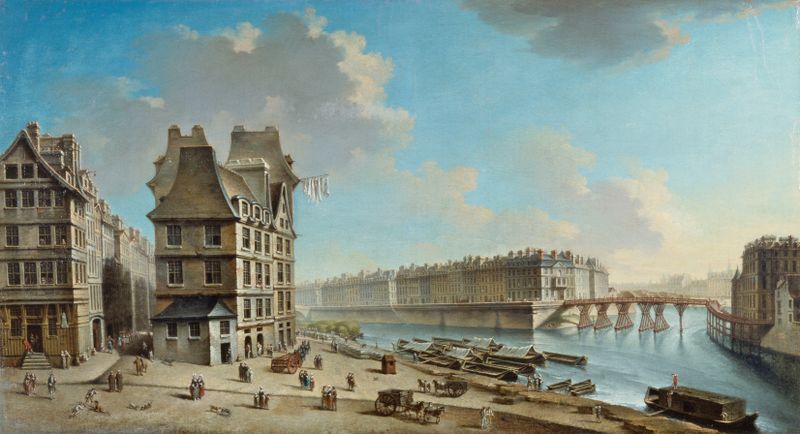
La Grève, l’Ile Saint-Louis et le Pont Rouge, vus de la place de la Grève
Nicolas Jean-Baptiste Raguenet
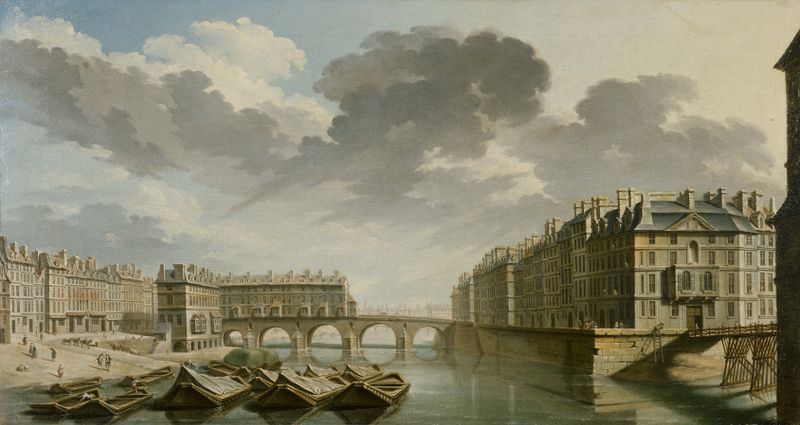
Le Quai des Ormes (actuel quai de l’Hôtel de Ville), le pont Marie et l’île Saint-Louis
Nicolas Jean-Baptiste Raguenet

Le Palais des Tuileries, vu du quai d’Orsay
Nicolas Jean-Baptiste Raguenet
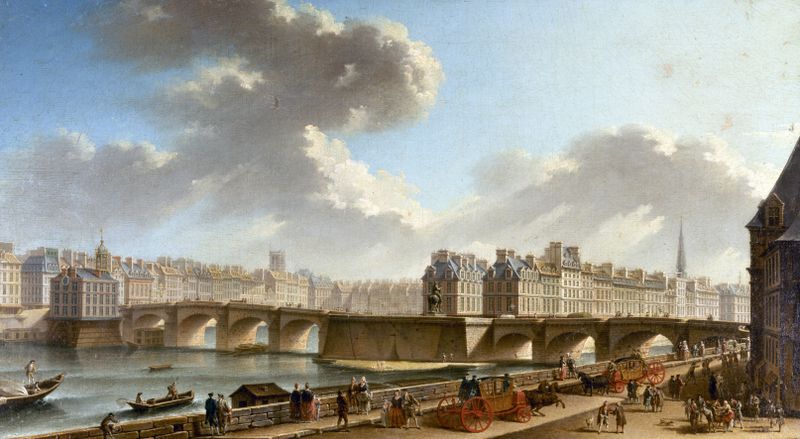
Le Pont-Neuf Et La Cité, Vus Du Quai De Conti
Nicolas Jean-Baptiste Raguenet
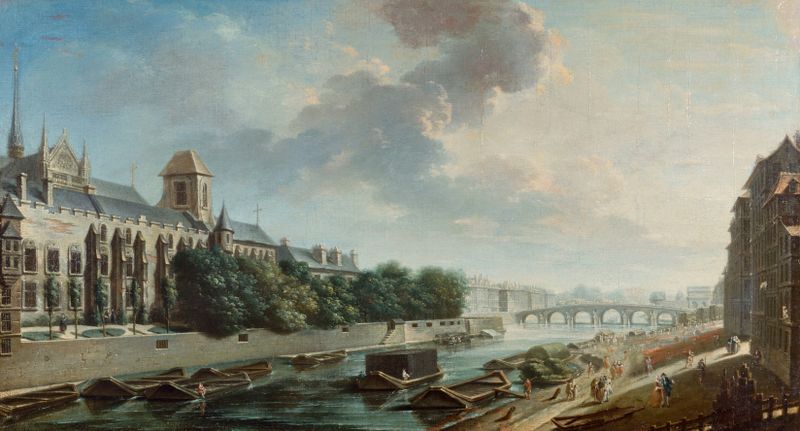
Le Palais de l’archevêché, vue de la rive gauche
Nicolas Jean-Baptiste Raguenet
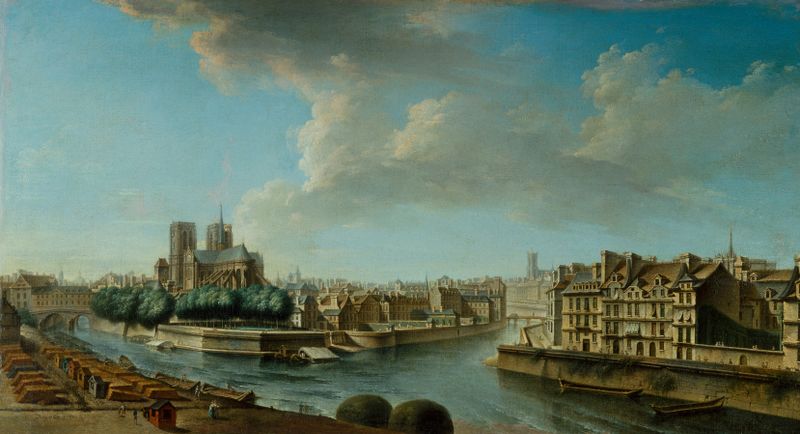
Le Chevet de Notre-Dame et la Pointe occidentale de l’Ile Saint-Louis
Nicolas Jean-Baptiste Raguenet
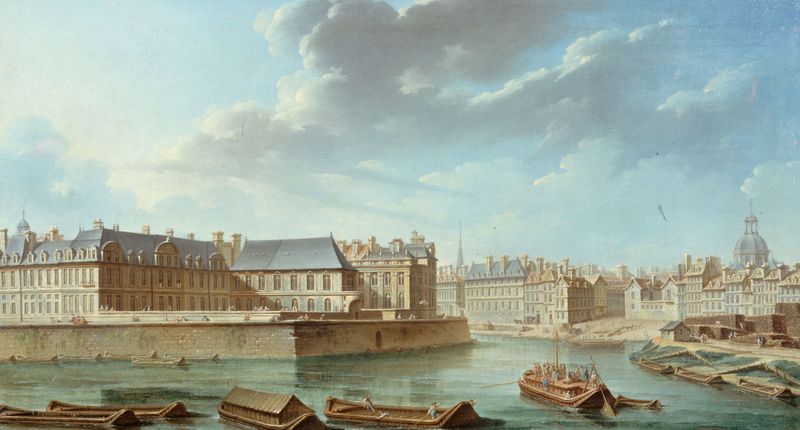
La Pointe orientale de l’île Saint-Louis, avec l’hôtel de Bretonvilliers et l’hôtel Lambert
Nicolas Jean-Baptiste Raguenet
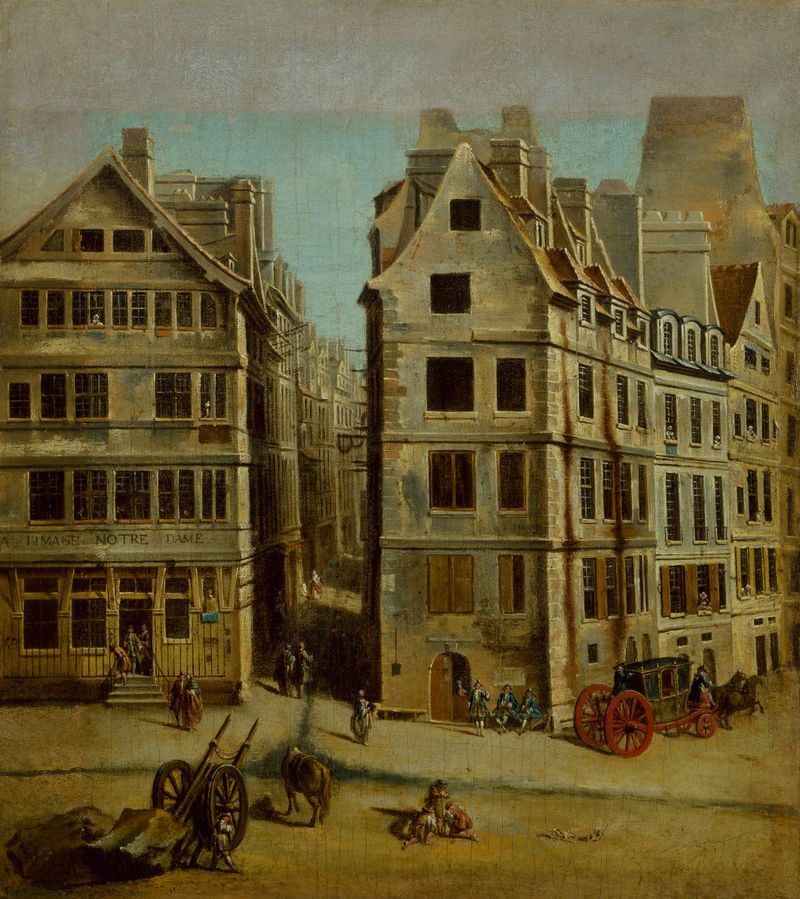
Le cabaret l’Image Notre-Dame, place de Grève, actuelle place de l’Hôtel de Ville
Nicolas Jean-Baptiste Raguenet

La joute des mariniers, entre le pont Notre-Dame et le pont au Change
Nicolas Jean-Baptiste Raguenet
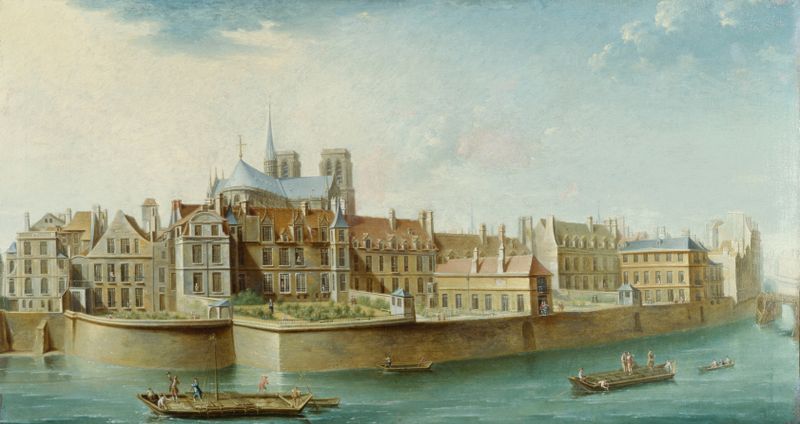
Le Cloître Notre-Dame, vu de l’île Saint Louis (quai d’Orléans)
Nicolas Jean-Baptiste Raguenet





