
Le Palais des Tuileries, vu du quai d’Orsay — History & Facts
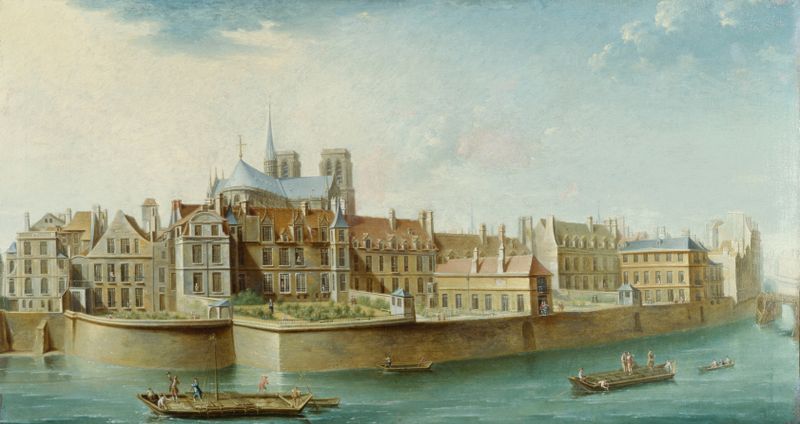
In the delicate balance of light and shadow, a world begins to unfurl, filled with whispers of vitality and grandeur. The subtle interplay of colors invites contemplation, urging us to explore the motion that simmers beneath the surface of this remarkable work. Focus on the vibrant greens and deep blues that merge seamlessly in the foreground, leading the eye toward the majestic Tuileries Palace. Notice how the gentle strokes capture the foliage, each leaf a moment frozen in time, suggesting the rustle of the wind.
The soft light illuminates the palace’s ornate architecture, drawing attention to the elegant details that adorn its facade, while the reflections in the water reveal yet another layer of depth, merging the scene with its surroundings. Yet, beyond the charm of this picturesque view, there lies an undercurrent of stability and change. The palace stands as a symbol of royal power, while the movement of boats on the river hints at the dynamic life of the city beyond its walls. The contrast between the tranquility of the garden and the bustling activity of the Seine suggests a dialogue between permanence and transience, a reminder of the ever-shifting tides of history. Created in 1757, this painting emerged during a period of artistic evolution in France, as the Rococo style, characterized by ornate detail and playful themes, was gradually giving way to the more restrained Neoclassicism.
Raguenet’s work reflects the elegance of the age, capturing not just the physical beauty of the Tuileries but also the cultural significance of a society on the brink of change, both politically and artistically.
More Artworks by Nicolas Jean-Baptiste Raguenet
Browse all →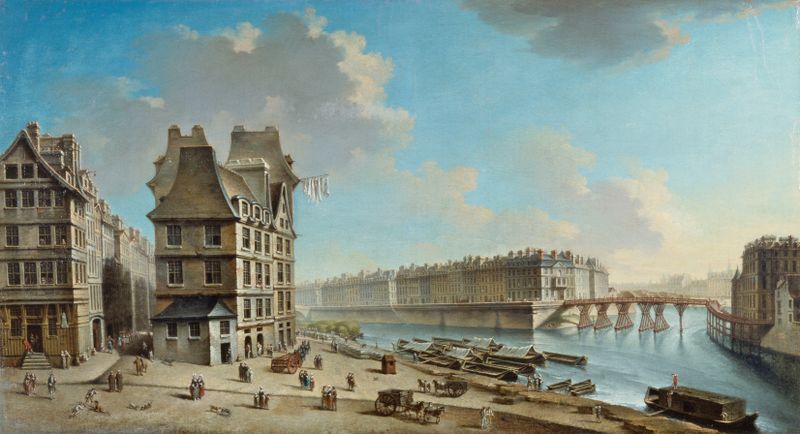
La Grève, l’Ile Saint-Louis et le Pont Rouge, vus de la place de la Grève
Nicolas Jean-Baptiste Raguenet
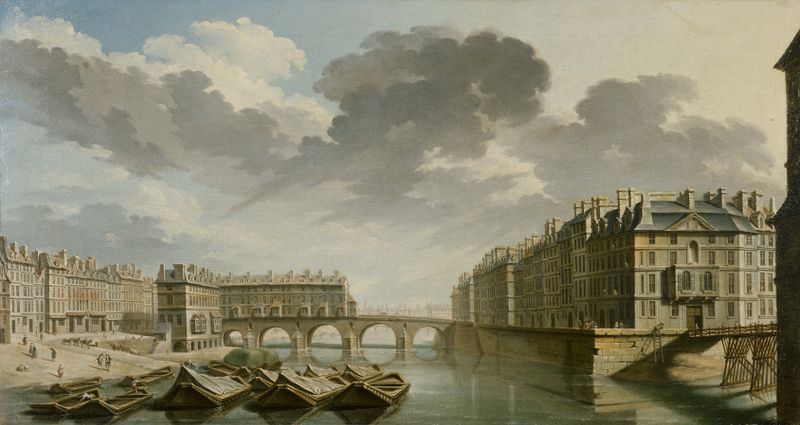
Le Quai des Ormes (actuel quai de l’Hôtel de Ville), le pont Marie et l’île Saint-Louis
Nicolas Jean-Baptiste Raguenet
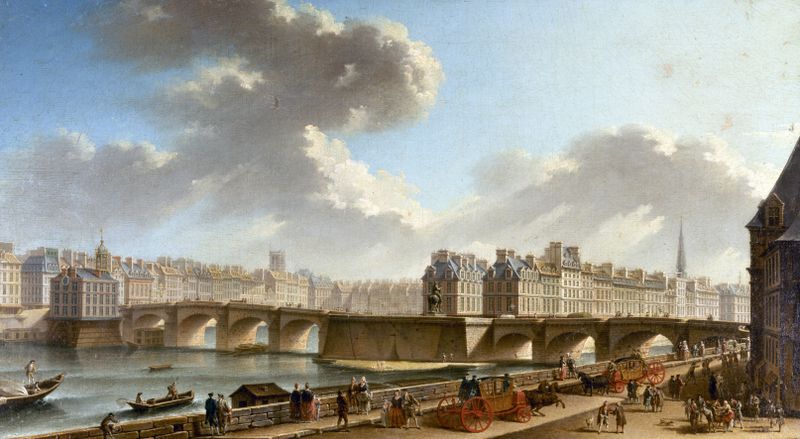
Le Pont-Neuf Et La Cité, Vus Du Quai De Conti
Nicolas Jean-Baptiste Raguenet
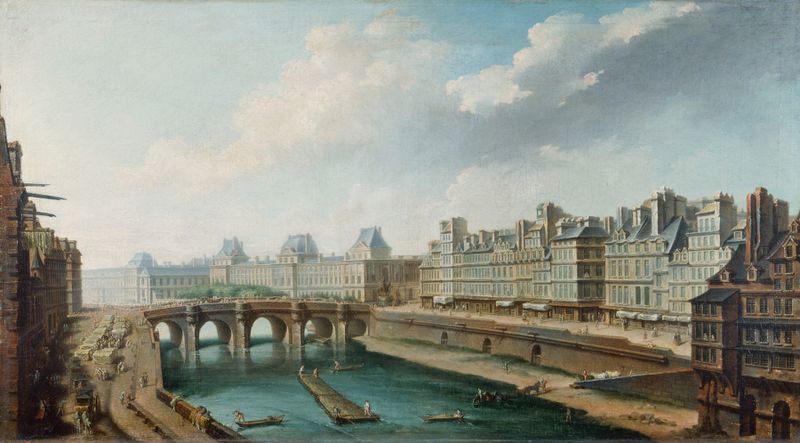
Le Louvre, le Pont-Neuf et le quai des Orfèvres, vus du quai des Grands-Augustins
Nicolas Jean-Baptiste Raguenet
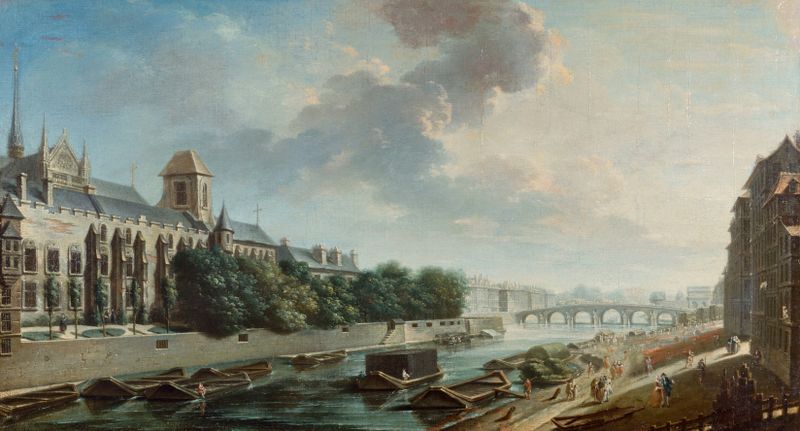
Le Palais de l’archevêché, vue de la rive gauche
Nicolas Jean-Baptiste Raguenet
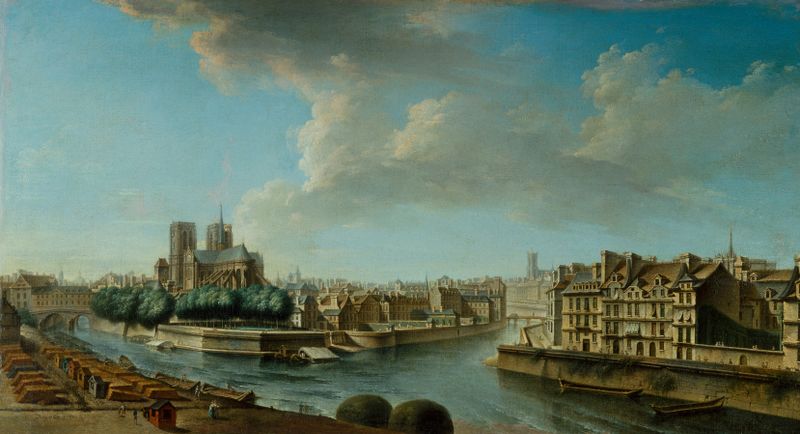
Le Chevet de Notre-Dame et la Pointe occidentale de l’Ile Saint-Louis
Nicolas Jean-Baptiste Raguenet
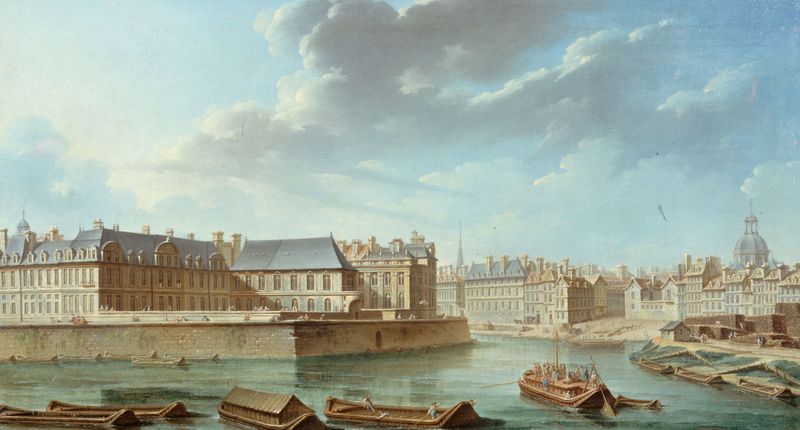
La Pointe orientale de l’île Saint-Louis, avec l’hôtel de Bretonvilliers et l’hôtel Lambert
Nicolas Jean-Baptiste Raguenet
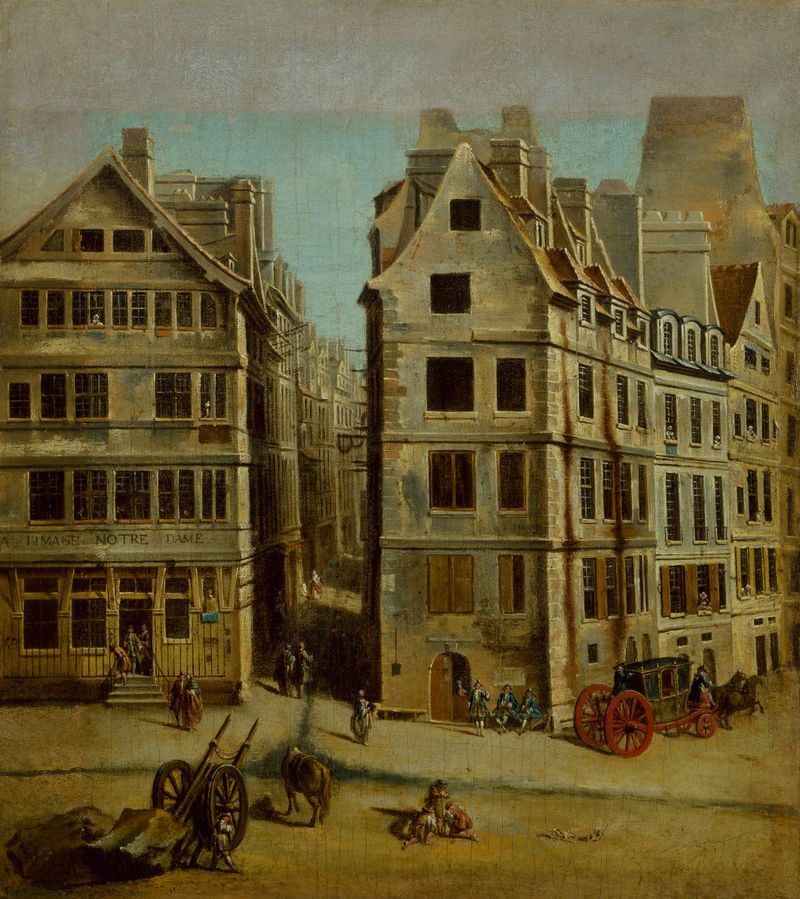
Le cabaret l’Image Notre-Dame, place de Grève, actuelle place de l’Hôtel de Ville
Nicolas Jean-Baptiste Raguenet

La joute des mariniers, entre le pont Notre-Dame et le pont au Change
Nicolas Jean-Baptiste Raguenet
Le Cloître Notre-Dame, vu de l’île Saint Louis (quai d’Orléans)
Nicolas Jean-Baptiste Raguenet





