
Le Cloître Notre-Dame, vu de l’île Saint Louis (quai d’Orléans) — History & Facts
In Le Cloître Notre-Dame, vu de l’île Saint Louis (quai d’Orléans), the shimmering facade of the cathedral emerges like a golden promise against a tempestuous sky, inviting contemplation of the ecstasy and turmoil within the human experience. Look toward the center of this captivating scene, where the ornate details of the cloister rise majestically, framed by the soft strokes of a muted sky that hints at an impending storm. The artist’s brush captures an intricate interplay of light and shadow, illuminating the textured stonework, while the delicate reflections in the water offer a tranquil counterpoint to the chaos above. Rich hues of ochre and deep blues dominate the palette, creating a harmonious tension that pulls the viewer in. Beneath the surface lies a deeper narrative; the juxtaposition of the sacred architecture against the roiling clouds suggests a dance between tranquility and turmoil.
The stillness of the river mirrors the psychological depths of its onlookers, evoking emotions of longing and introspection. Every archway and spire becomes a portal to the soul's most unspoken desires, hinting at the often-overlooked dichotomy between beauty and unease. In 1753, Nicolas Jean-Baptiste Raguenet painted this work while in Paris, amidst an era that cherished the Baroque and burgeoning Rococo styles. This period was marked by an exploration of themes like spirituality and aesthetics, influenced by the Enlightenment’s questioning of faith and the role of the individual.
Raguenet’s choice to portray such an iconic structure reflects both his mastery of light and composition and the cultural significance of Notre-Dame as a symbol of resilient faith in an ever-changing world.
More Artworks by Nicolas Jean-Baptiste Raguenet
Browse all →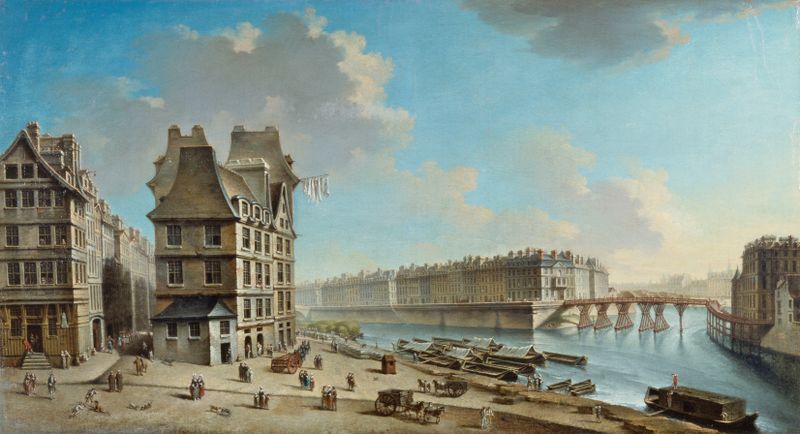
La Grève, l’Ile Saint-Louis et le Pont Rouge, vus de la place de la Grève
Nicolas Jean-Baptiste Raguenet
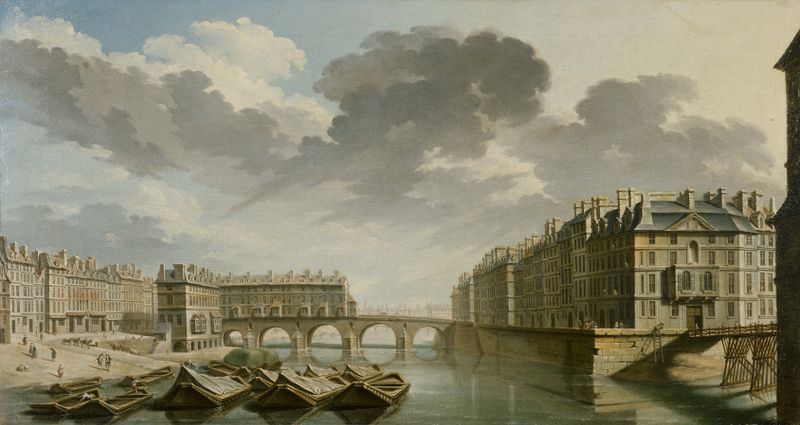
Le Quai des Ormes (actuel quai de l’Hôtel de Ville), le pont Marie et l’île Saint-Louis
Nicolas Jean-Baptiste Raguenet

Le Palais des Tuileries, vu du quai d’Orsay
Nicolas Jean-Baptiste Raguenet
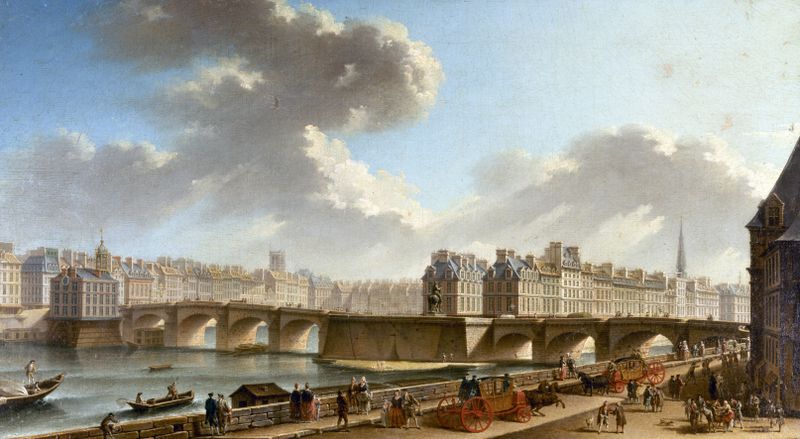
Le Pont-Neuf Et La Cité, Vus Du Quai De Conti
Nicolas Jean-Baptiste Raguenet
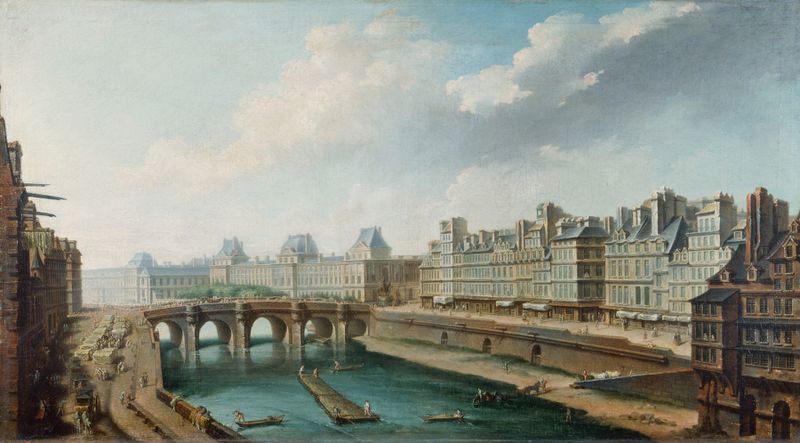
Le Louvre, le Pont-Neuf et le quai des Orfèvres, vus du quai des Grands-Augustins
Nicolas Jean-Baptiste Raguenet
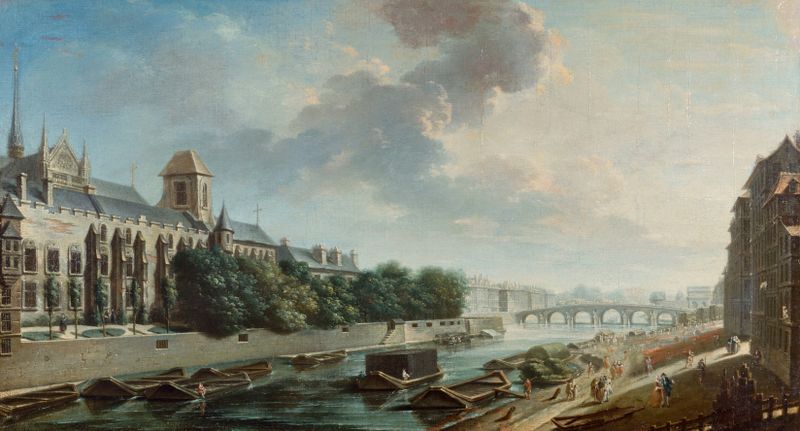
Le Palais de l’archevêché, vue de la rive gauche
Nicolas Jean-Baptiste Raguenet
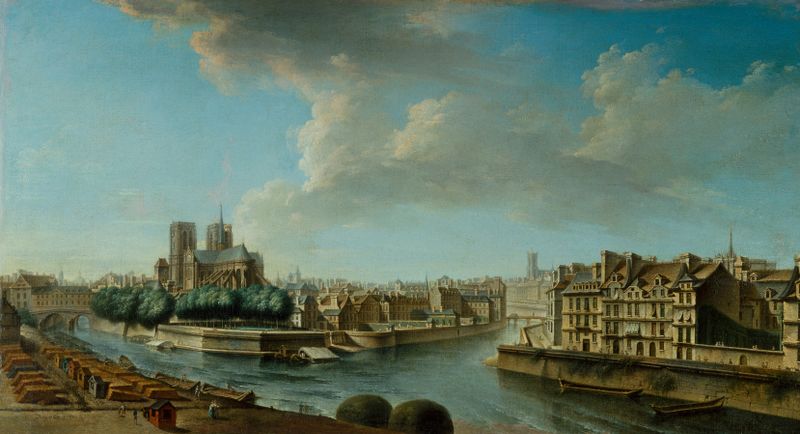
Le Chevet de Notre-Dame et la Pointe occidentale de l’Ile Saint-Louis
Nicolas Jean-Baptiste Raguenet
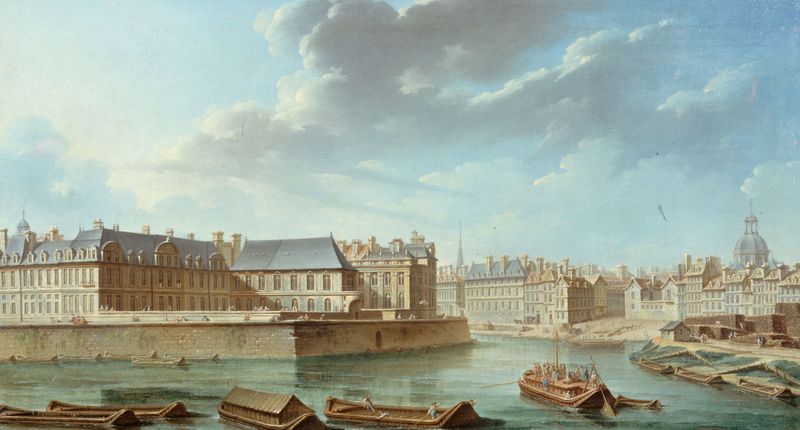
La Pointe orientale de l’île Saint-Louis, avec l’hôtel de Bretonvilliers et l’hôtel Lambert
Nicolas Jean-Baptiste Raguenet
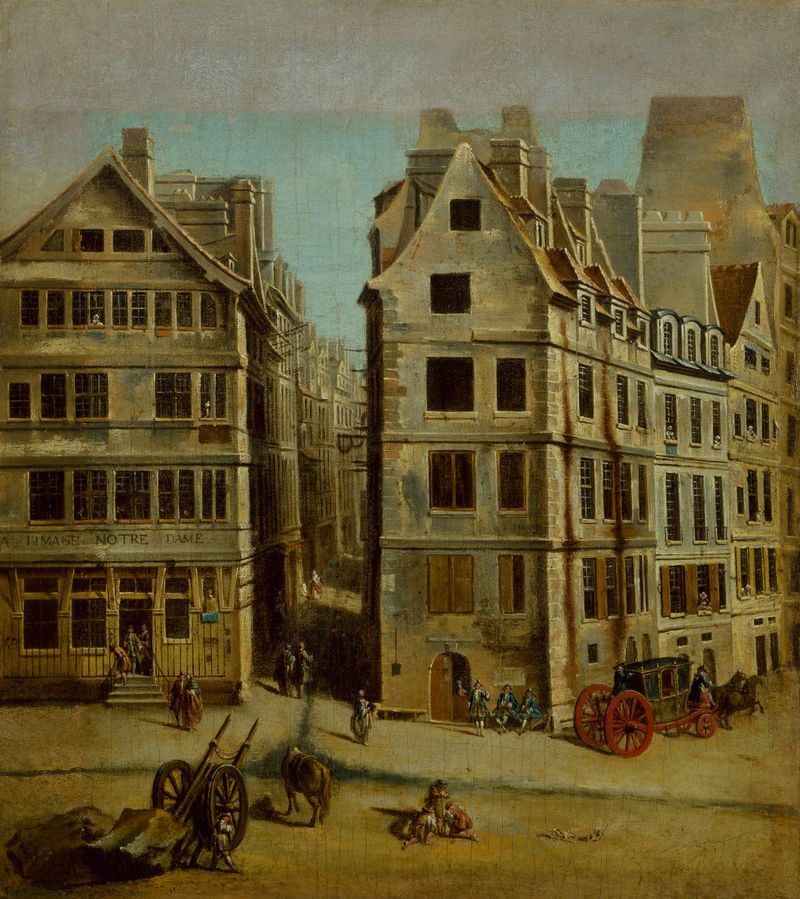
Le cabaret l’Image Notre-Dame, place de Grève, actuelle place de l’Hôtel de Ville
Nicolas Jean-Baptiste Raguenet

La joute des mariniers, entre le pont Notre-Dame et le pont au Change
Nicolas Jean-Baptiste Raguenet
More Architecture Art
Browse all →
The statue of Liberty
Frédéric Auguste Bartholdi

View of Houses in Delft, Known as ‘The Little Street’
Johannes Vermeer

View of Houses in Delft, Known as ‘The Little Street’
Johannes Vermeer

The Cathedral in Rouen. The portal, Grey Weather
Claude Monet

The yellow house
Vincent van Gogh

The Church in Auvers-sur-Oise, View from the Chevet
Vincent van Gogh