
La joute des mariniers, entre le pont Notre-Dame et le pont au Change — History & Facts
Who listens when art speaks of silence? In the vibrant tableau of the 18th century, a moment is frozen, whispering tales of legacy and the passage of time. Focus on the elegant sweep of the river, where water reflects the hues of dusk. Just to the left, observe the figures engaged in a lively joute, their gestures animated yet poised, capturing a fleeting moment of competition. The light plays delicately on the surface of the water, illuminating the boats and the laughter of the mariniers, while the bridges rise majestically behind them, framing the scene with architectural grace.
The palette is rich, with deep blues and warm ochres, drawing the eye toward the subtle contrasts between the natural and manmade worlds. Beneath the surface, there lies a tension between playfulness and the weight of history. The joute symbolizes not just sport, but a deeper celebration of community and tradition amongst the bustling life of Paris. Each mariner's expression holds stories untold, while the distant bridges stand as silent witnesses to the generations that have passed, weaving a narrative of continuity.
The painting invites viewers to ponder their own legacy, mirrored in the vibrant activity and stillness of the scene. In 1751, the artist painted this work during a period marked by the vibrancy of Rococo art and the burgeoning Enlightenment. Working in Paris, he was influenced by the dynamic social environment that thrived along the Seine. This artwork reflects not just the joy of the moment but also the artist's engagement with the cultural dialogues of his time, capturing a snapshot of life that transcends the years.
More Artworks by Nicolas Jean-Baptiste Raguenet
Browse all →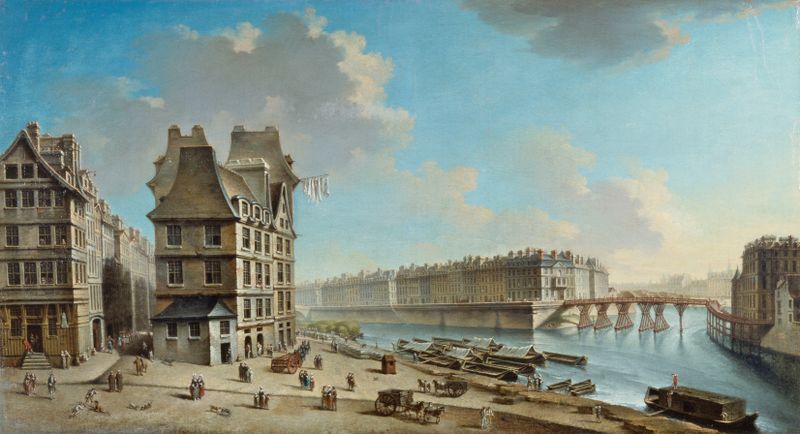
La Grève, l’Ile Saint-Louis et le Pont Rouge, vus de la place de la Grève
Nicolas Jean-Baptiste Raguenet
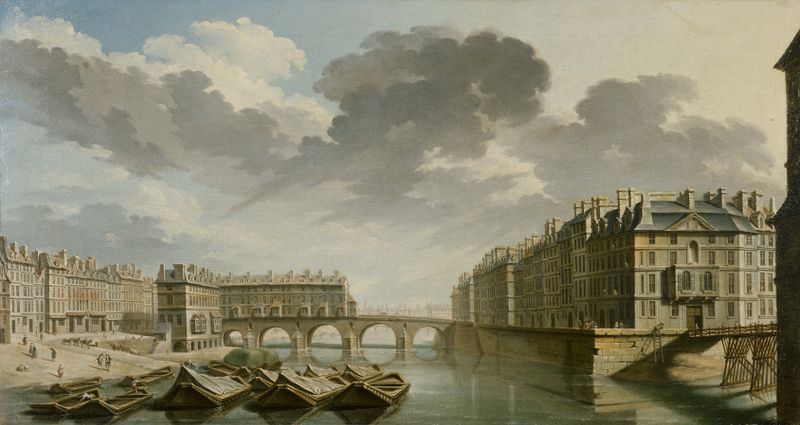
Le Quai des Ormes (actuel quai de l’Hôtel de Ville), le pont Marie et l’île Saint-Louis
Nicolas Jean-Baptiste Raguenet

Le Palais des Tuileries, vu du quai d’Orsay
Nicolas Jean-Baptiste Raguenet
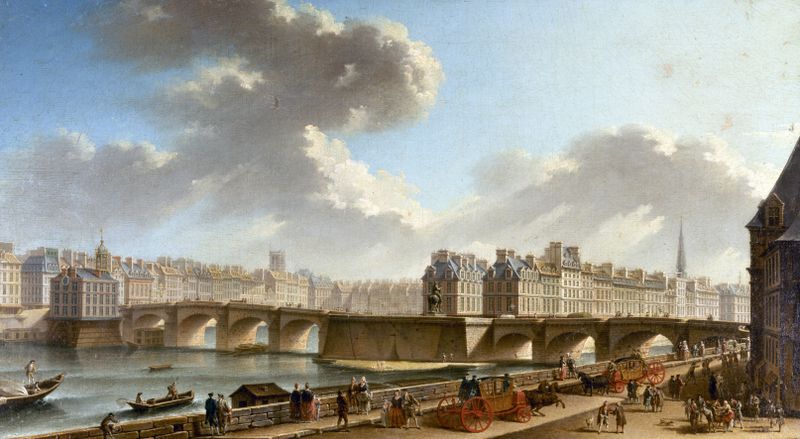
Le Pont-Neuf Et La Cité, Vus Du Quai De Conti
Nicolas Jean-Baptiste Raguenet
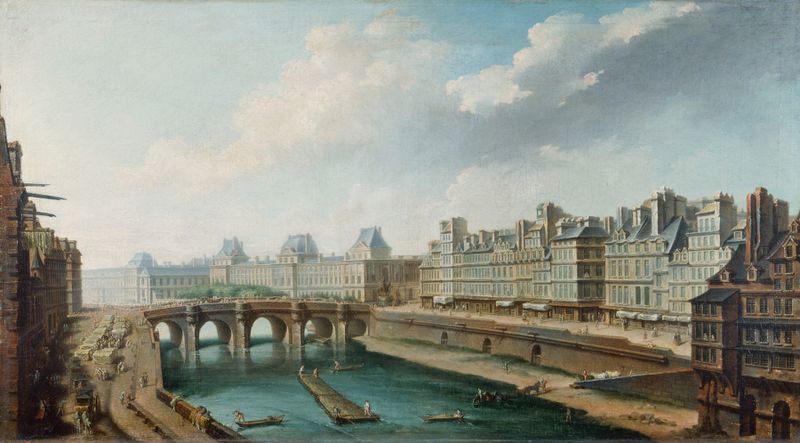
Le Louvre, le Pont-Neuf et le quai des Orfèvres, vus du quai des Grands-Augustins
Nicolas Jean-Baptiste Raguenet
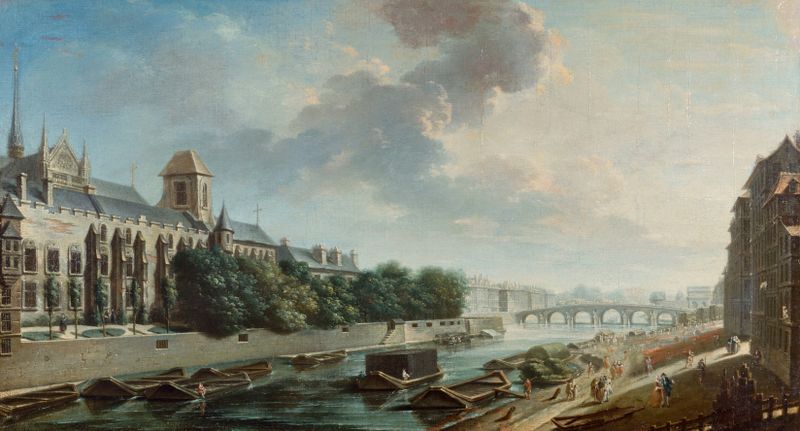
Le Palais de l’archevêché, vue de la rive gauche
Nicolas Jean-Baptiste Raguenet
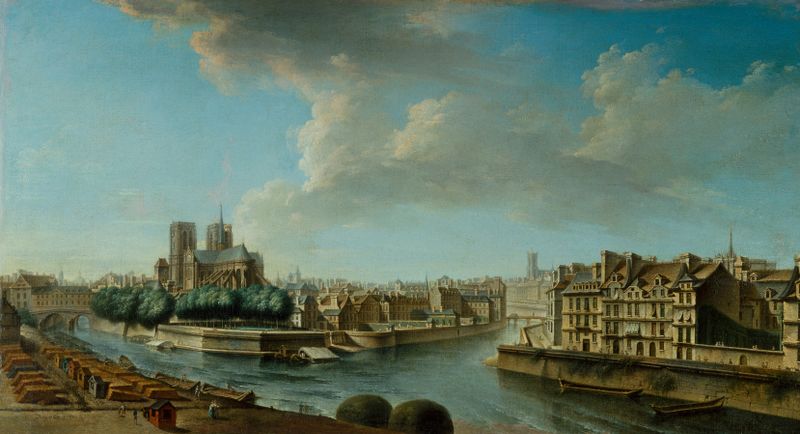
Le Chevet de Notre-Dame et la Pointe occidentale de l’Ile Saint-Louis
Nicolas Jean-Baptiste Raguenet
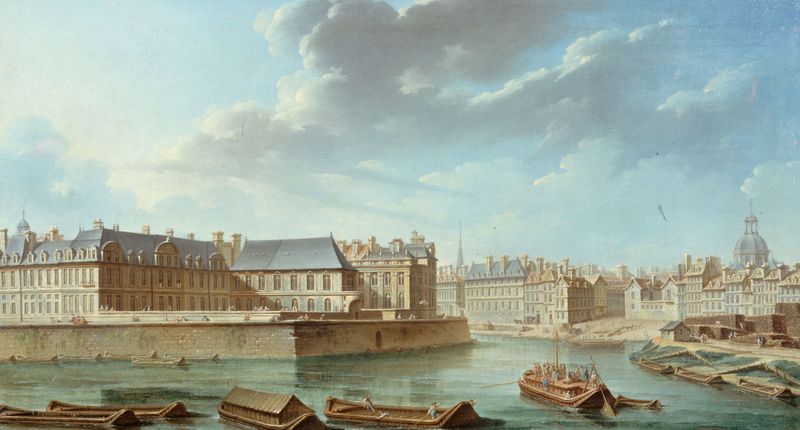
La Pointe orientale de l’île Saint-Louis, avec l’hôtel de Bretonvilliers et l’hôtel Lambert
Nicolas Jean-Baptiste Raguenet
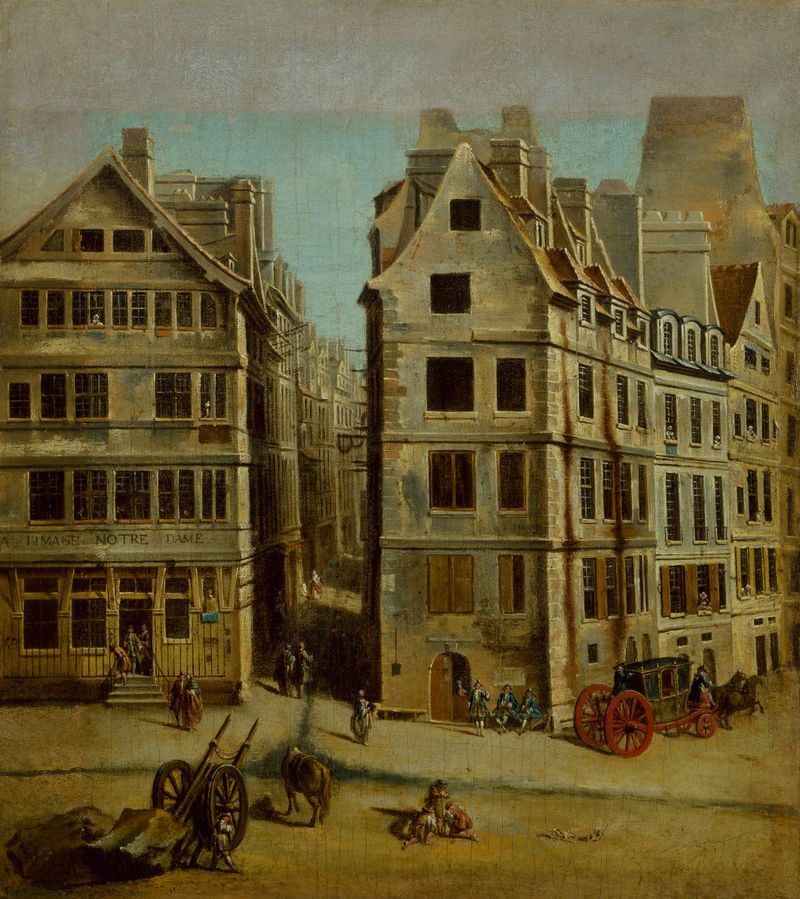
Le cabaret l’Image Notre-Dame, place de Grève, actuelle place de l’Hôtel de Ville
Nicolas Jean-Baptiste Raguenet
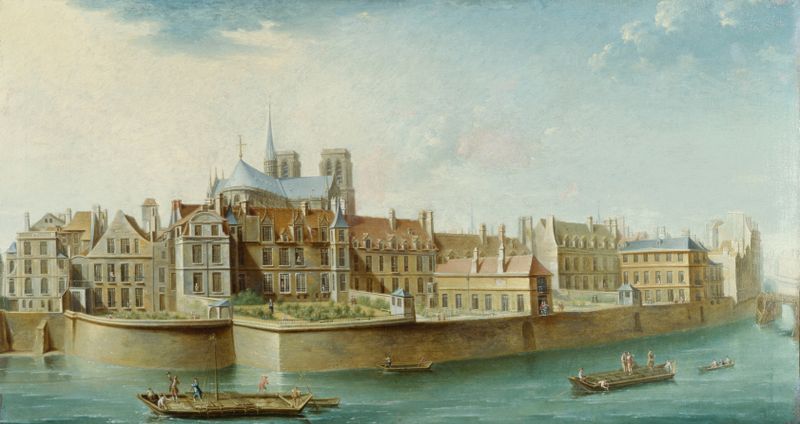
Le Cloître Notre-Dame, vu de l’île Saint Louis (quai d’Orléans)
Nicolas Jean-Baptiste Raguenet





