
La Madeleine, ou Une Pénitente dans le désert Musée du Louvre Peintures INV 6880 ; MR — History & Facts
What first seizes the eye in La Madeleine, ou Une Pénitente dans le désert is the luminous calm that radiates from the figure’s face, as if the quiet of her solitude has become a kind of gentle light. Draped in voluminous white, she sits at the mouth of a cave, her head resting on one hand in a gesture of thoughtful pause. The open book in her lap is not merely a prop but a clue to her inner world—a moment of reading interrupted by reflection, perhaps prayer or memory.
The painter leads us from the soft folds of her robe to the cool shadows behind her, then outward to the faintly sketched landscape, where a distant building and a pale sky suggest a world just beyond reach. Even the thorns at her feet are rendered with a kind of delicacy, their sharpness offset by the tranquil pool of water that anchors the foreground. This painting belongs to the mid-eighteenth century, a period when French artists like Jean-Marc Nattier were celebrated for blending religious themes with the elegance and intimacy of portraiture. Works such as this, created between 1742 and 1744, often served both as devotional images and as meditations on the nature of repentance and solitude—subjects that resonated with a society in transition, balancing tradition and the stirrings of Enlightenment thought.
The genre of the penitent saint, especially Mary Magdalene, was a favorite among collectors and patrons who prized both its moral message and its opportunity for painterly display. Though the precise story of this particular painting’s journey is not recorded here, its presence in a modern collection invites us to linger, to puzzle out the thoughts behind that steady gaze, and to wonder what solace or revelation the figure found in the quiet of her cave.
More Artworks by Jean-Marc Nattier

Madame Crozat de Thiers and Her Daughter
Jean-Marc Nattier
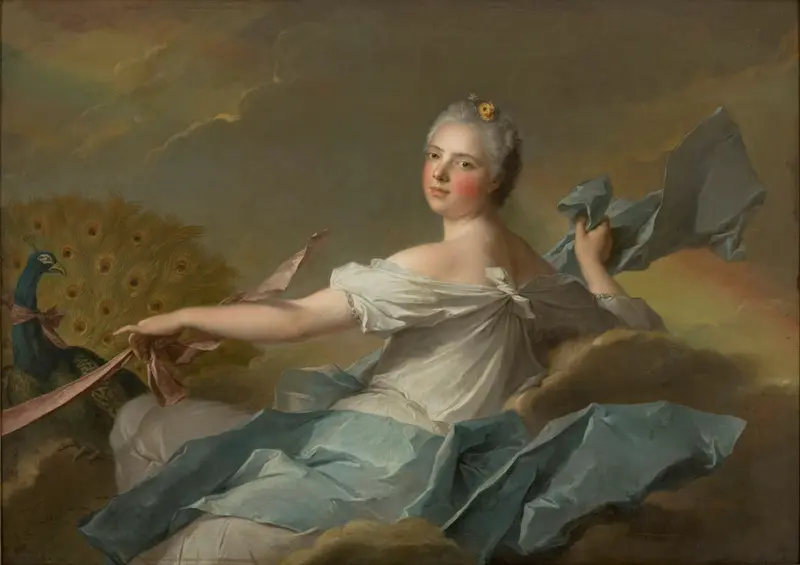
Princess Marie Adélaïde of France - The Air
Jean-Marc Nattier
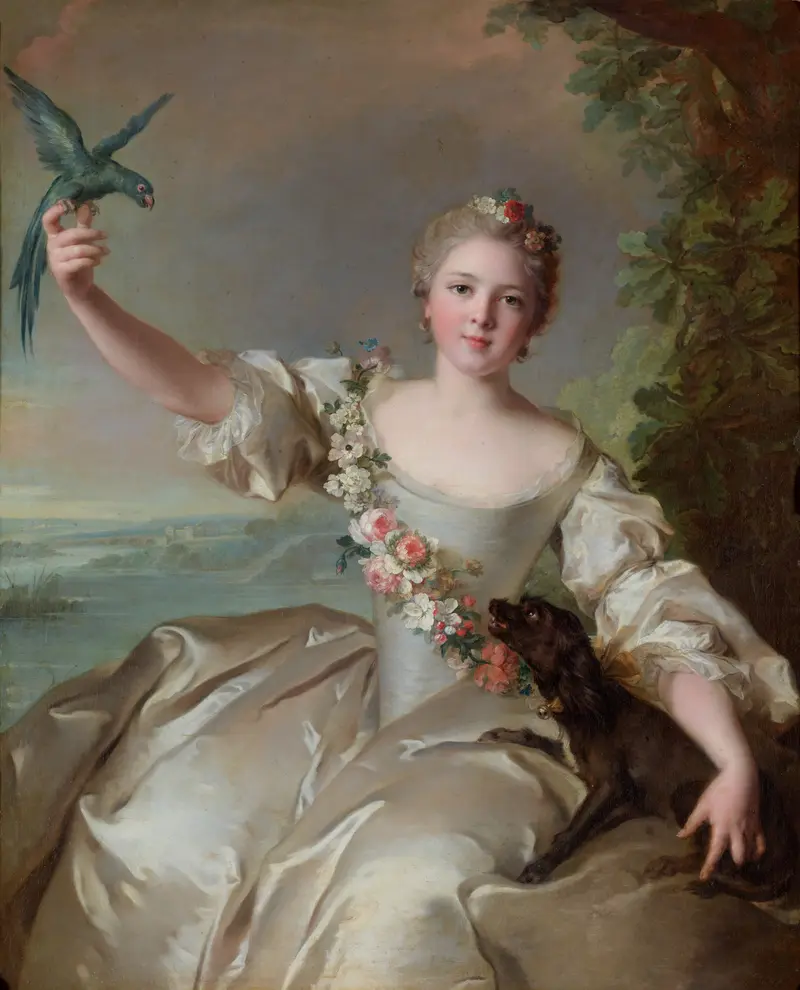
Portrait de Mathilde de Canisy, marquise d'Antin
Jean-Marc Nattier
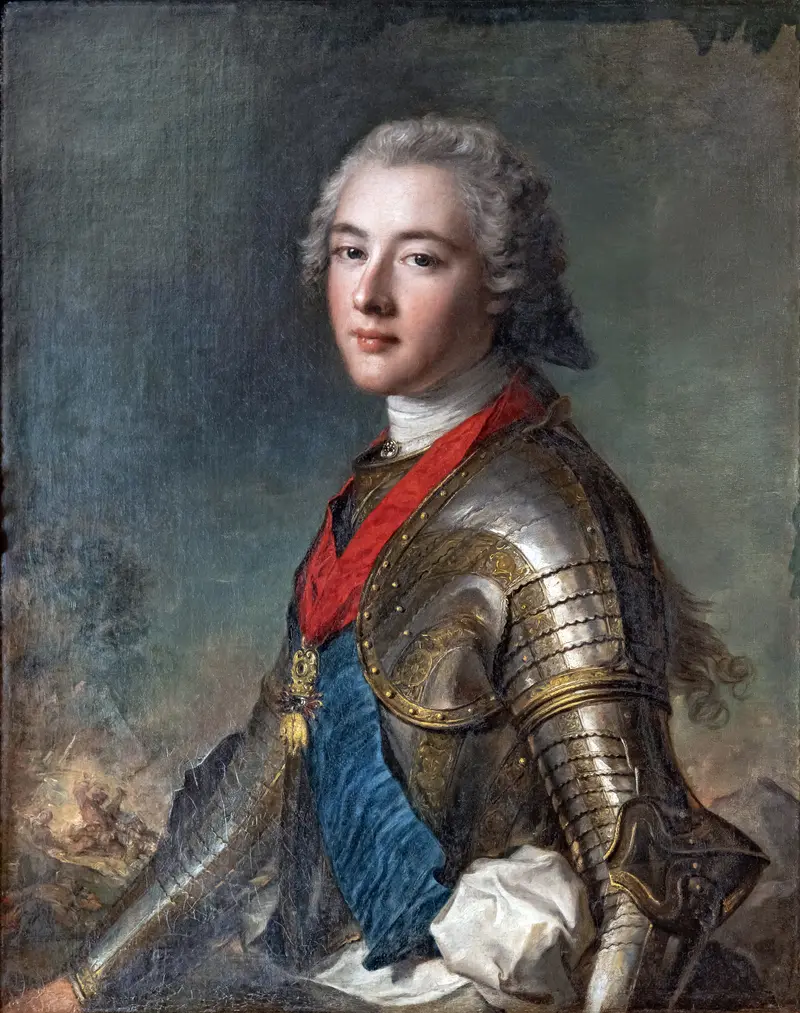
Bemberg Fondation Toulouse - Portrait de Louis Jean Marie de Bourbon, Duc de Penthièvre - Jean Marc Nattier inv.1158 82x65.4
Jean-Marc Nattier
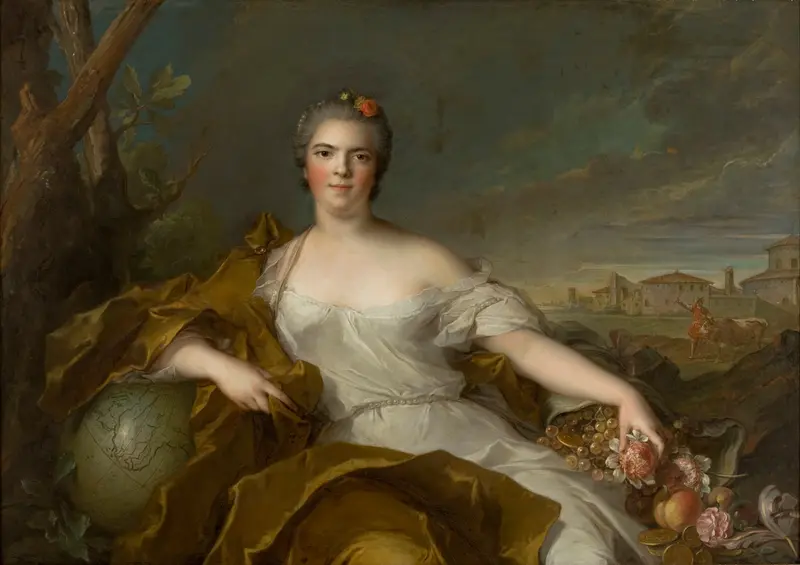
Princess Louise-Élisabeth of France - The Earth
Jean-Marc Nattier
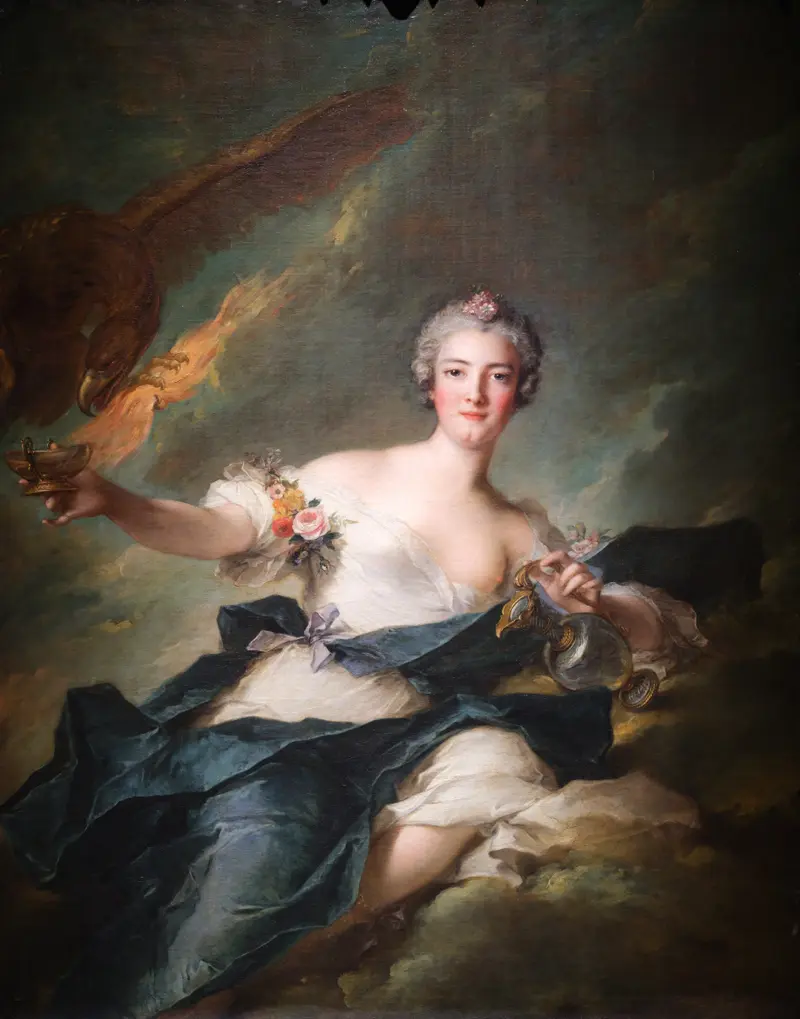
The Duchess of Chaulnes Represented as Hebe
Jean-Marc Nattier
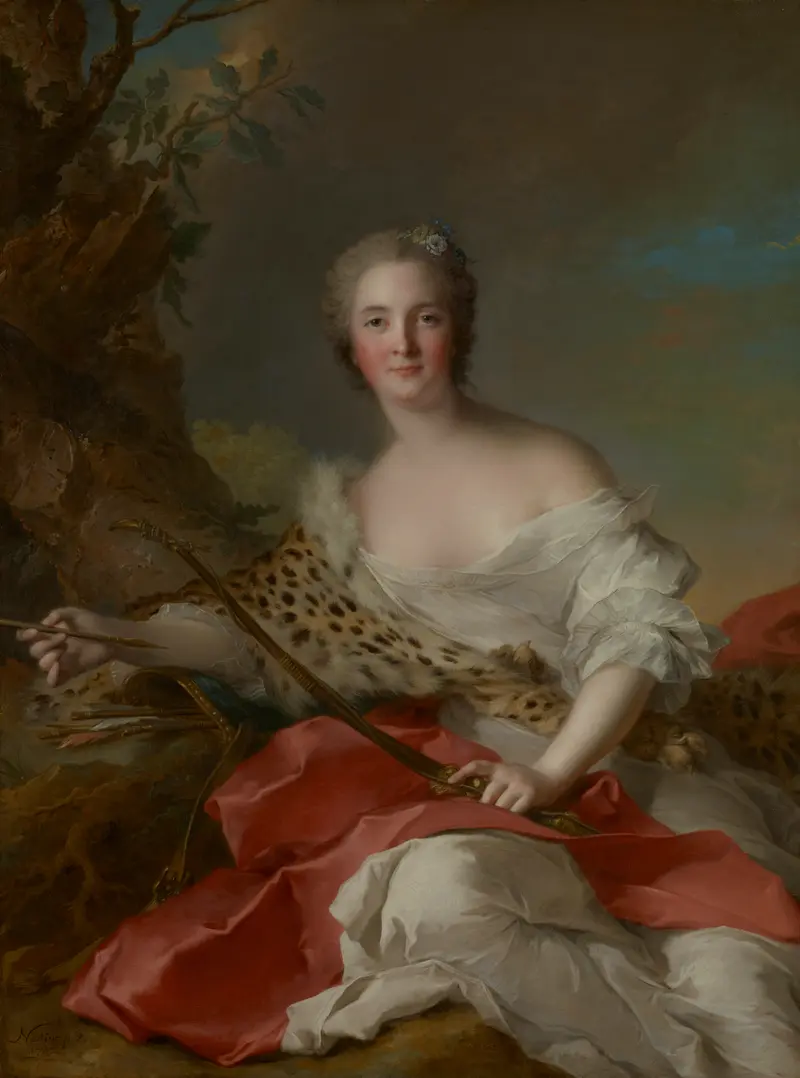
Portrait of Madame Bonnier de la Mosson as Diana (Constance-Gabrielle-Magdeleine du Monciel de Lauraille
Jean-Marc Nattier
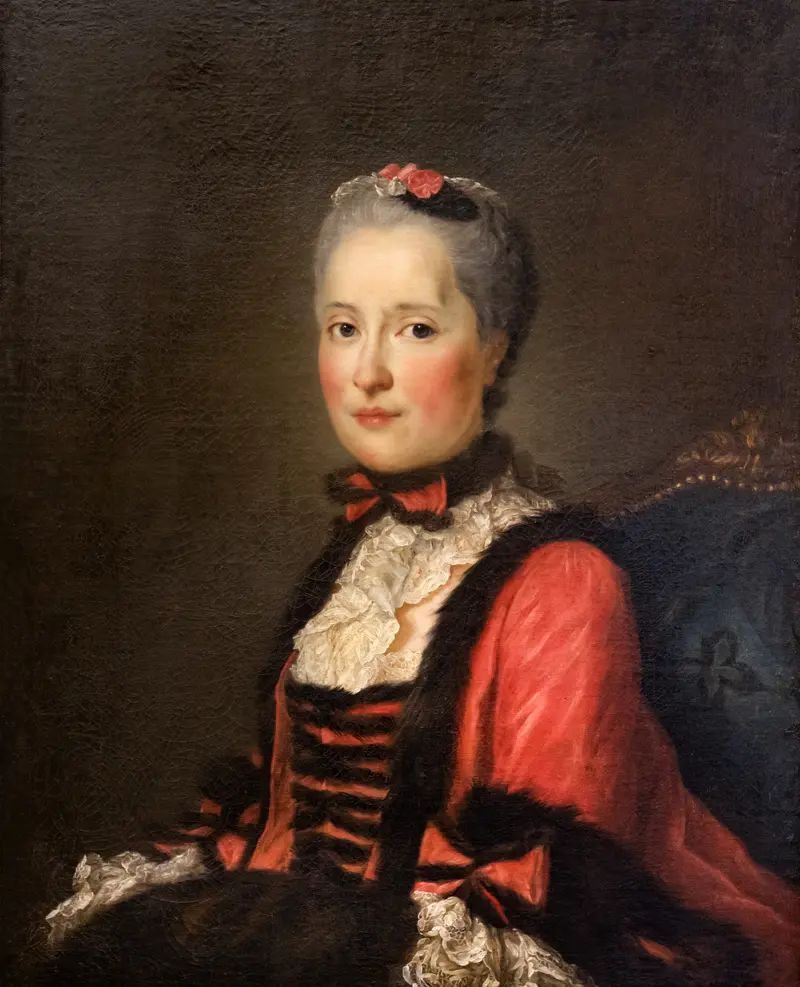
Portrait of Marie-Josephe of Saxony, Dauphine of France
Jean-Marc Nattier
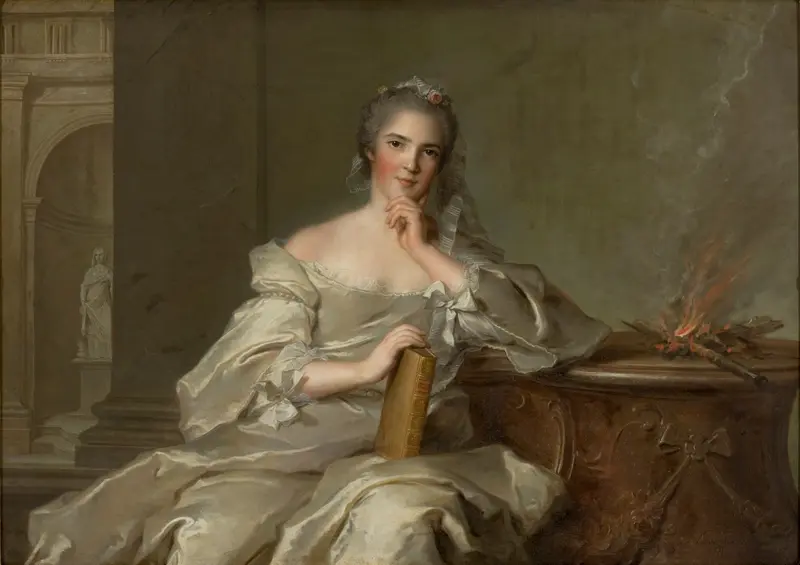
Princess Anne-Henriette of France - The Fire
Jean-Marc Nattier
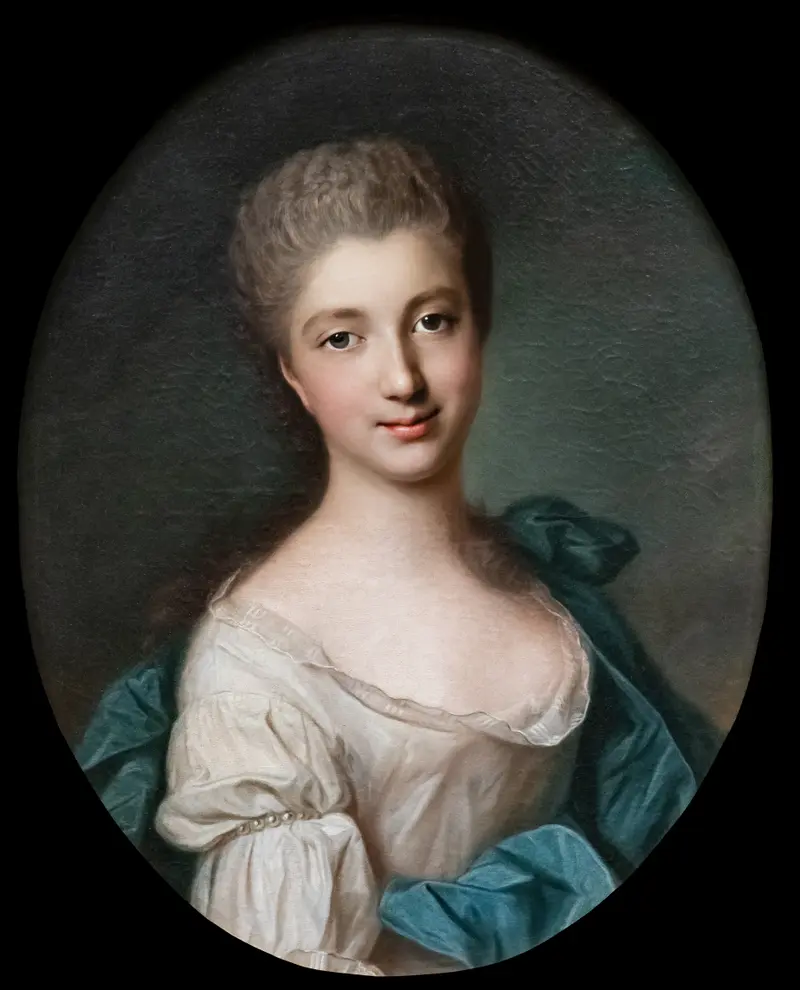
Portrait of young woman
Jean-Marc Nattier





