
The Duchess of Chaulnes Represented as Hebe — History & Facts
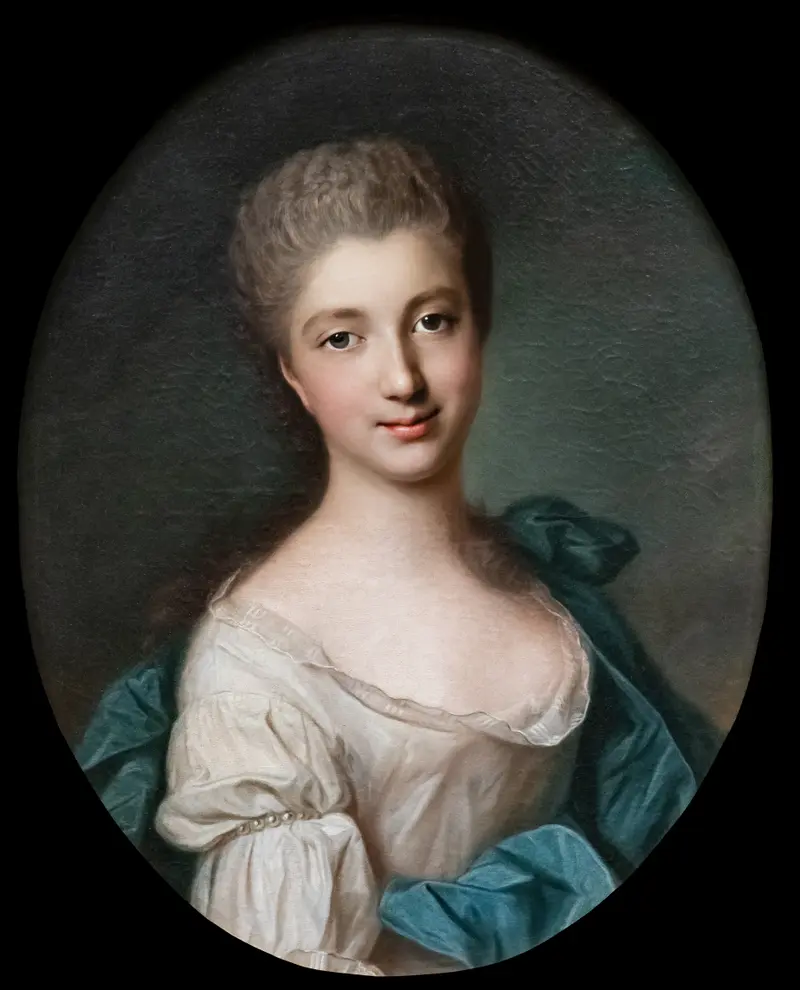
A young woman pauses mid-motion, her gaze meeting ours with a mixture of poise and invitation, as if she has just turned from some celestial errand. The painter has chosen to present her as Hebe, the Greek goddess of youth, and every detail works to support this transformation: the delicate cup she offers, the softly billowing drapery that hints at classical antiquity, the gentle flush of her cheeks. Light falls with particular care on her face and arms, drawing attention to the freshness and vitality that the mythic role demands.
The palette is cool and silvery, with blue and white fabrics swirling around her, lending the scene an air of both elegance and artifice—this is not a moment from daily life, but a vision shaped by courtly imagination. Works like this, painted in 1744, belong to a world where portraiture was both a social tool and a theatre of fantasy. In the refined circles of mid-eighteenth-century France, it was common for aristocratic sitters to be depicted as gods, muses, or allegories, their portraits doubling as statements of taste and ambition. Artists such as Jean-Marc Nattier became celebrated for these mythological masquerades, which allowed patrons to indulge in playful self-invention while displaying their beauty and status.
Though history has kept few traces of this specific painting beyond its date and the record of its image, it stands as a testament to a time when art, identity, and mythology danced together in powdered wigs and silk. Look again at her hand, poised above the cup—what story does she offer you?
More Artworks by Jean-Marc Nattier

Madame Crozat de Thiers and Her Daughter
Jean-Marc Nattier
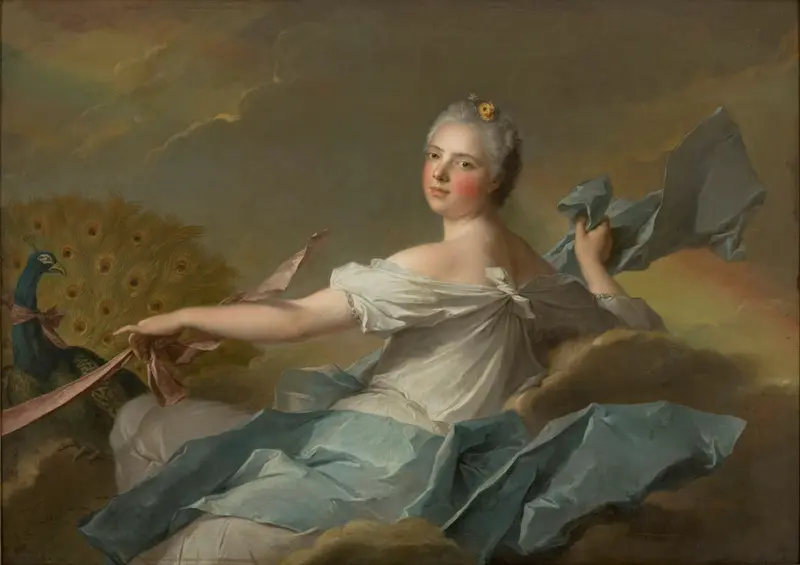
Princess Marie Adélaïde of France - The Air
Jean-Marc Nattier
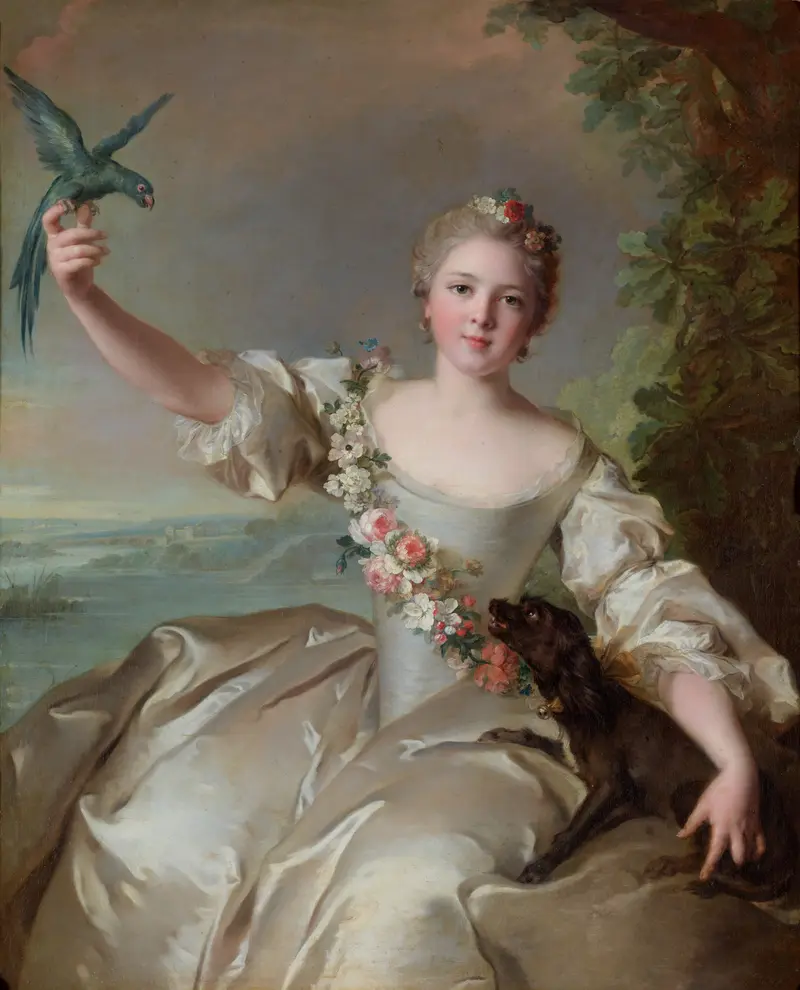
Portrait de Mathilde de Canisy, marquise d'Antin
Jean-Marc Nattier
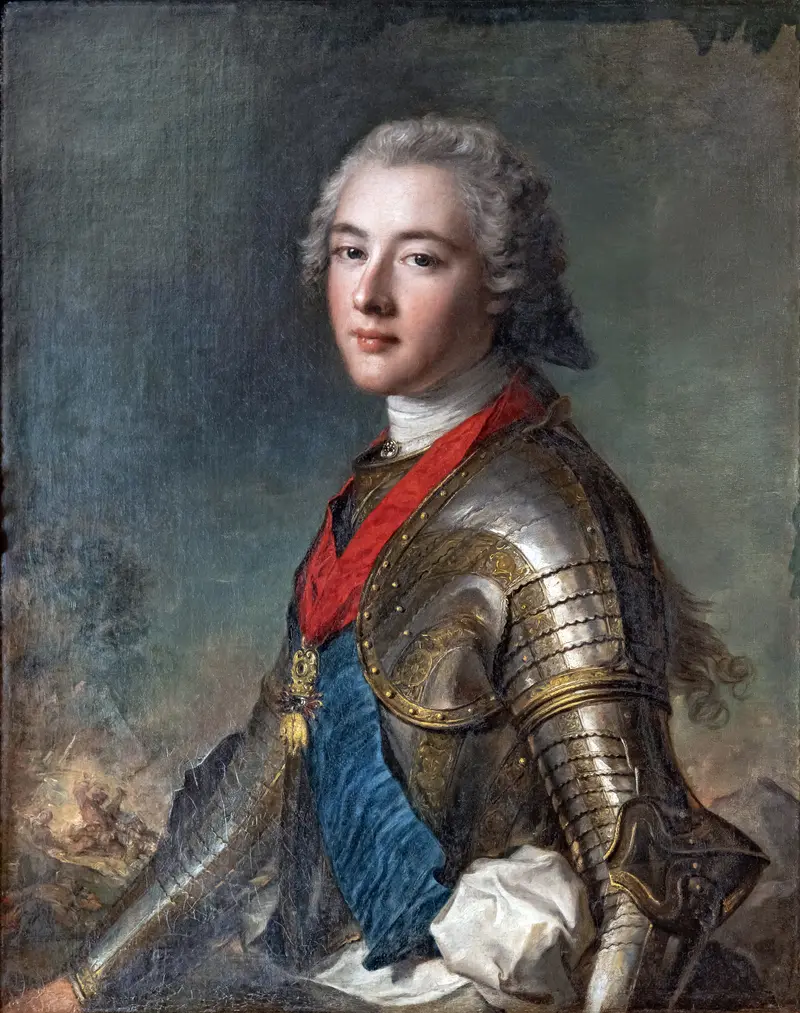
Bemberg Fondation Toulouse - Portrait de Louis Jean Marie de Bourbon, Duc de Penthièvre - Jean Marc Nattier inv.1158 82x65.4
Jean-Marc Nattier
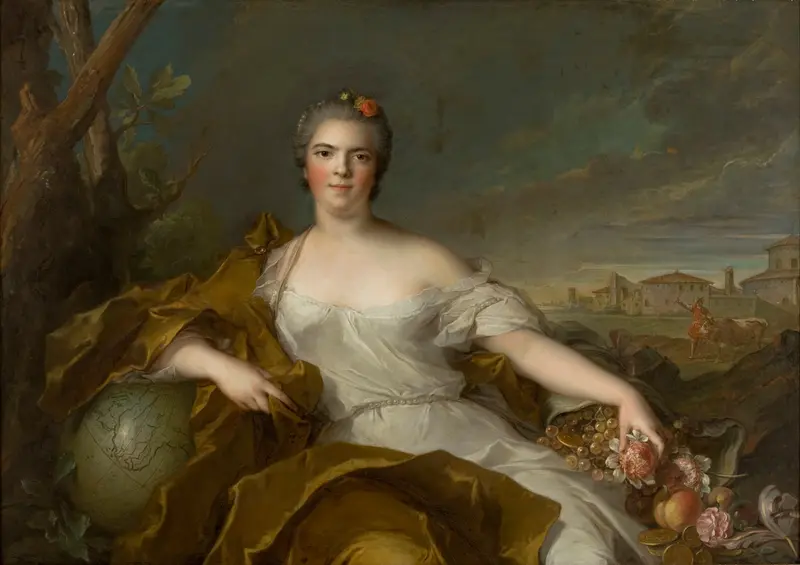
Princess Louise-Élisabeth of France - The Earth
Jean-Marc Nattier
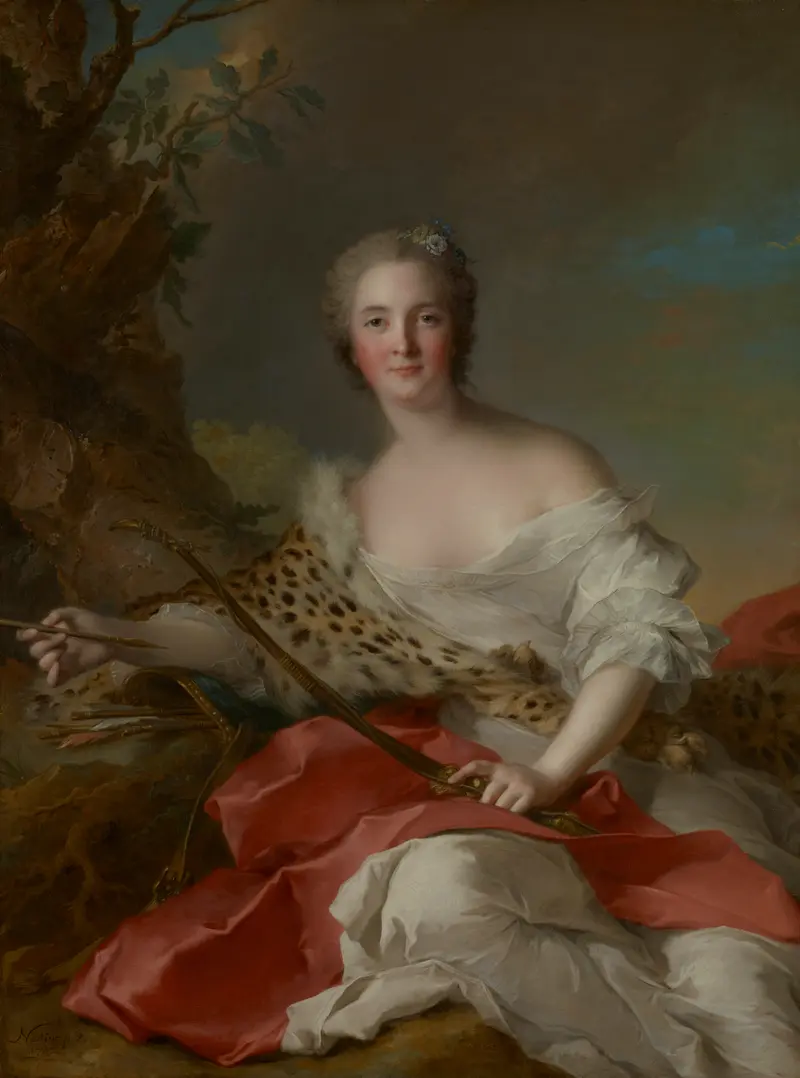
Portrait of Madame Bonnier de la Mosson as Diana (Constance-Gabrielle-Magdeleine du Monciel de Lauraille
Jean-Marc Nattier
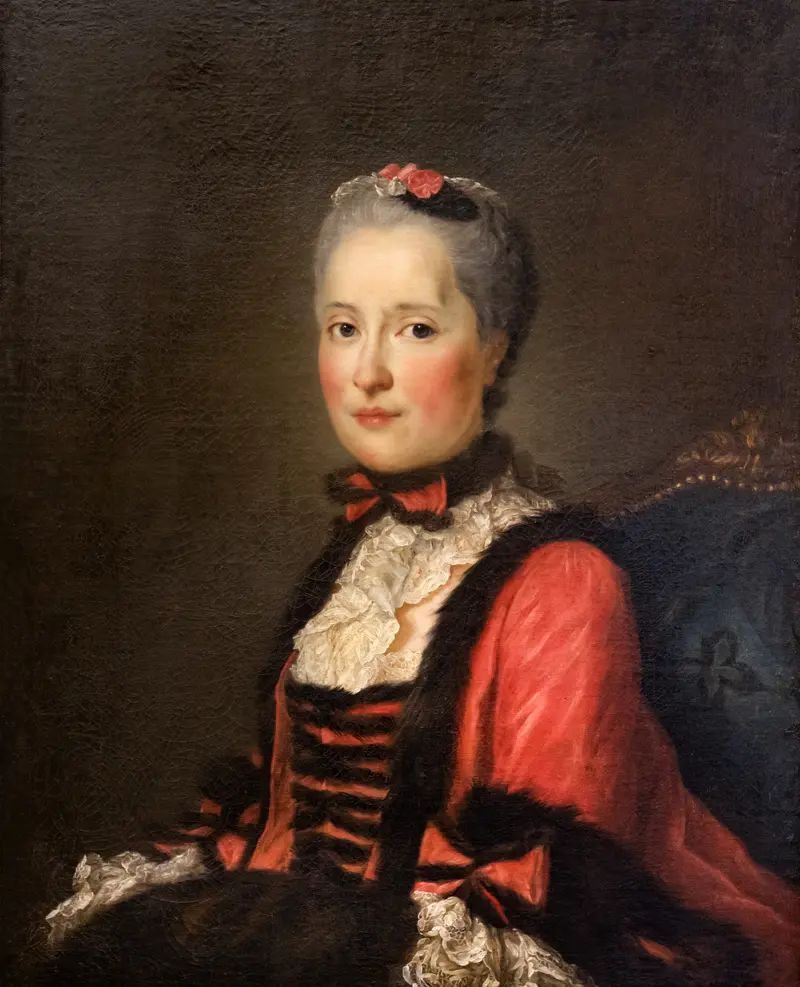
Portrait of Marie-Josephe of Saxony, Dauphine of France
Jean-Marc Nattier
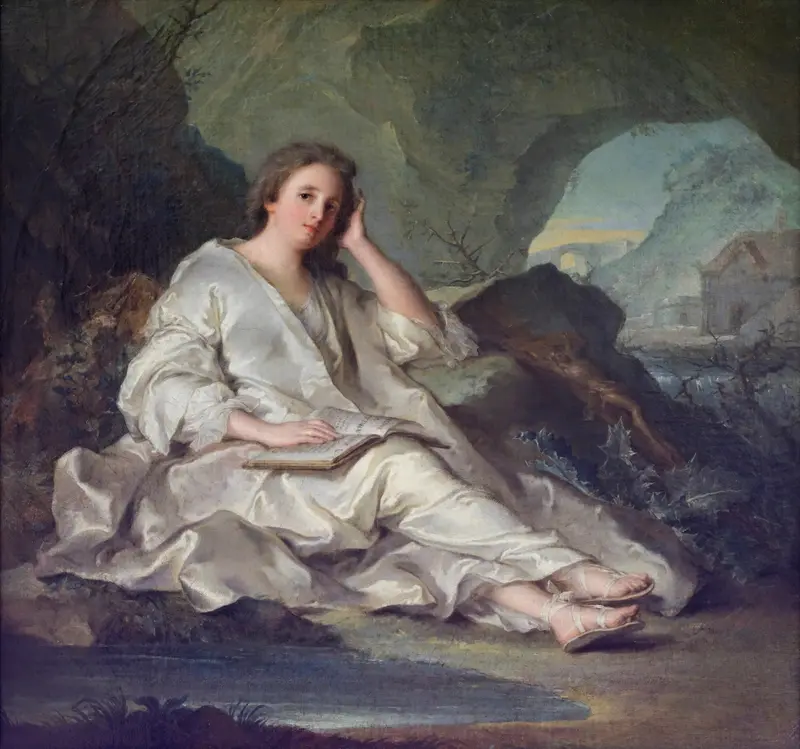
La Madeleine, ou Une Pénitente dans le désert Musée du Louvre Peintures INV 6880 ; MR
Jean-Marc Nattier
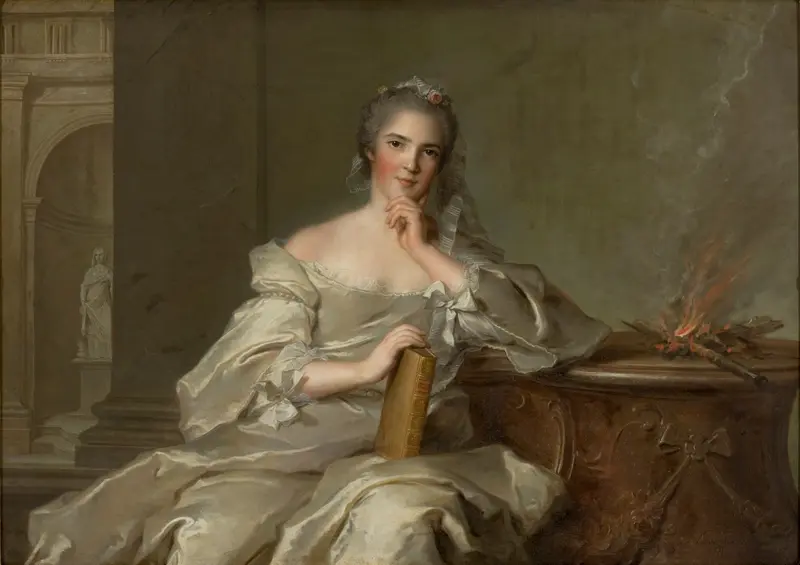
Princess Anne-Henriette of France - The Fire
Jean-Marc Nattier
Portrait of young woman
Jean-Marc Nattier





