
Madame Crozat de Thiers and Her Daughter — History & Facts
What first draws the eye in Madame Crozat de Thiers and Her Daughter is the gentle choreography of hands and flowers—a mother’s poised gesture crowning her daughter with a garland, while the child, cheeks flushed and gaze direct, offers a fistful of wild blooms to the viewer. The sweep of blue silk that enfolds them catches the light like water, guiding us from the mother’s serene, powdered face to the lively curiosity in the child’s expression. Every detail, from the soft curls escaping the girl’s hair to the delicate transparency of their sleeves, signals both intimacy and display: this is a portrait designed to celebrate not just lineage, but affection.
The landscape behind them, faint and idyllic, frames the pair in an Arcadian world, as if to suggest that their bond is as natural and enduring as the hills themselves. Painted in 1733, this work belongs to the world of eighteenth-century France, when portraits of mothers and children became a favored genre among the elite. Such paintings were often commissioned to mark marriages, births, or simply to proclaim the virtues of family and refinement—qualities prized in the salons of Paris. Jean-Marc Nattier was celebrated for his ability to blend the elegance of court portraiture with a new, Rococo softness, and here he gives us not a stiff lineage, but a moment of play and tenderness.
The painting now resides in the collection of the Indianapolis Museum of Art, a reminder of how these private acts of affection were once public declarations of status and taste. Look again at the mother’s calm confidence and the child’s eager offering: their world may be gone, but their exchange is still immediate.
Sources: Wikidata Q27897773 · Image source (Wikimedia Commons)
More Artworks by Jean-Marc Nattier
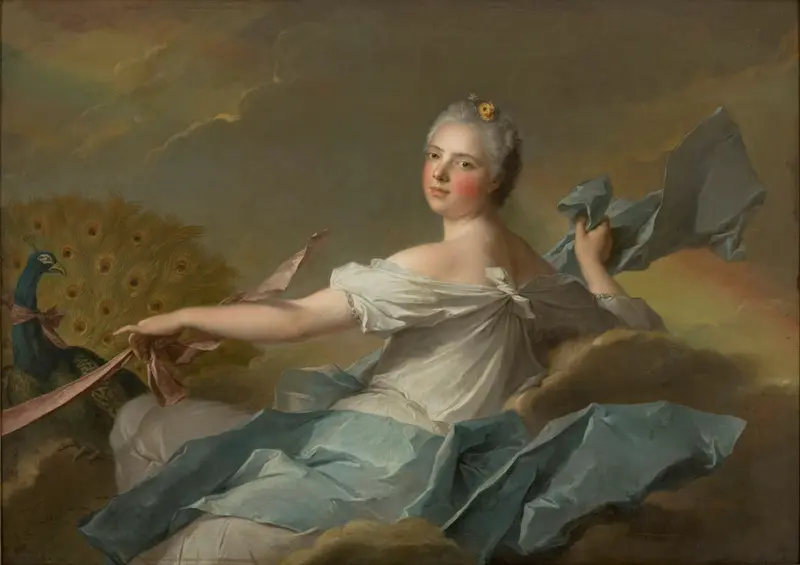
Princess Marie Adélaïde of France - The Air
Jean-Marc Nattier
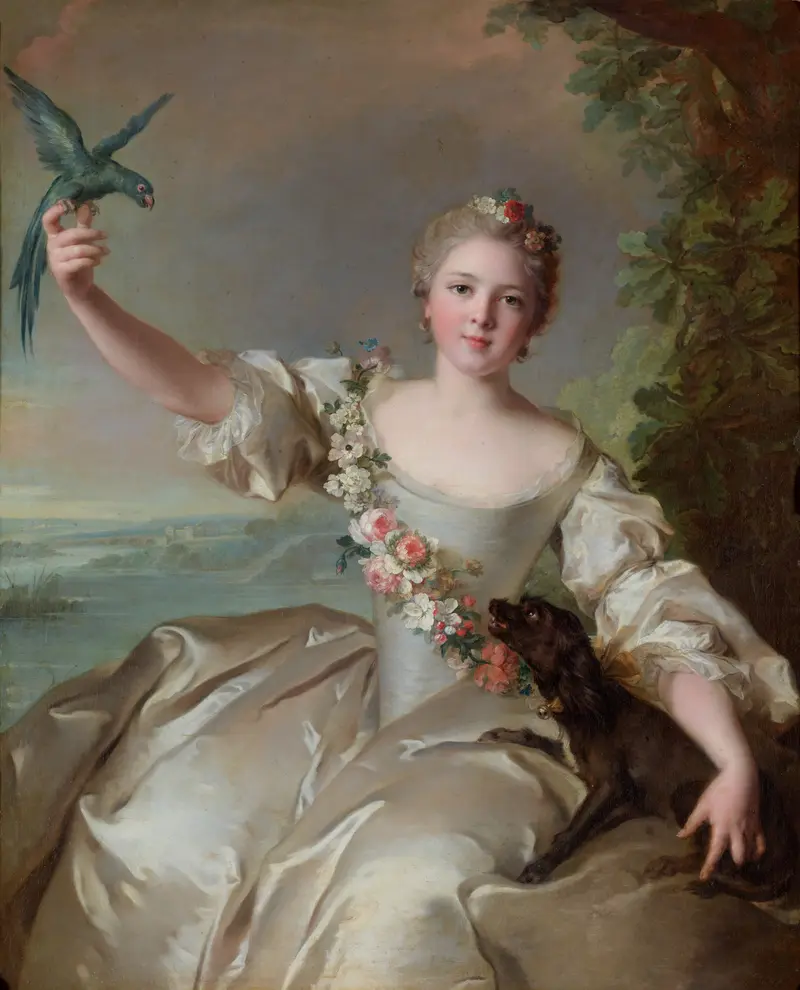
Portrait de Mathilde de Canisy, marquise d'Antin
Jean-Marc Nattier
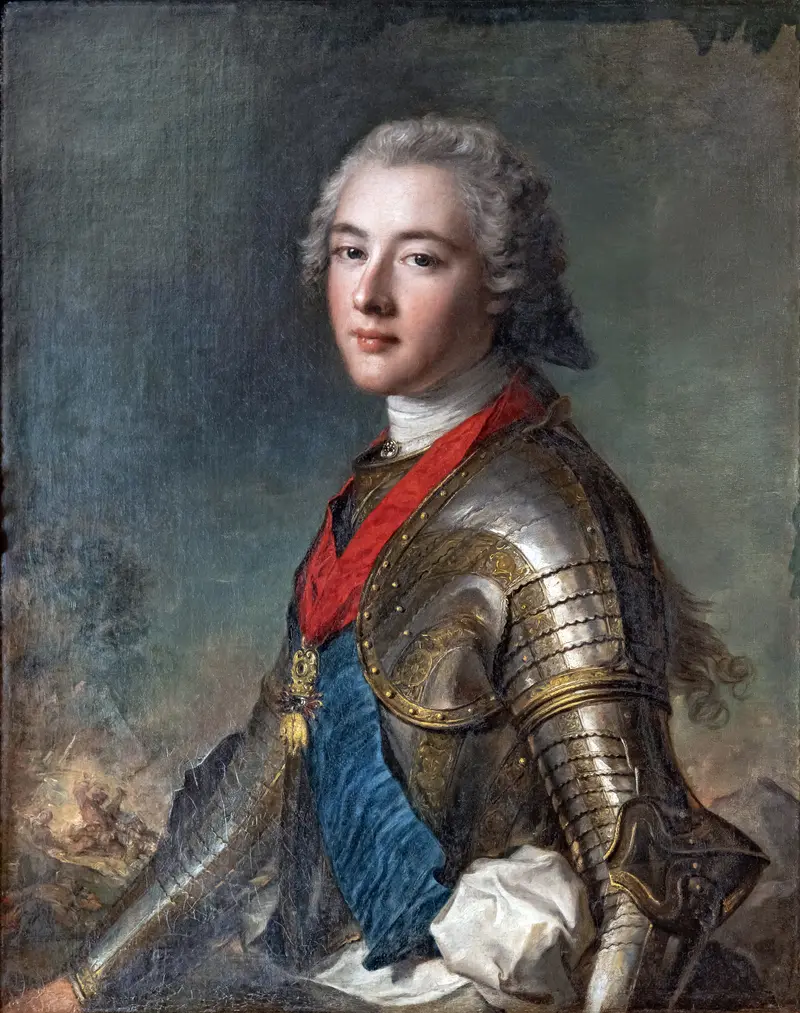
Bemberg Fondation Toulouse - Portrait de Louis Jean Marie de Bourbon, Duc de Penthièvre - Jean Marc Nattier inv.1158 82x65.4
Jean-Marc Nattier
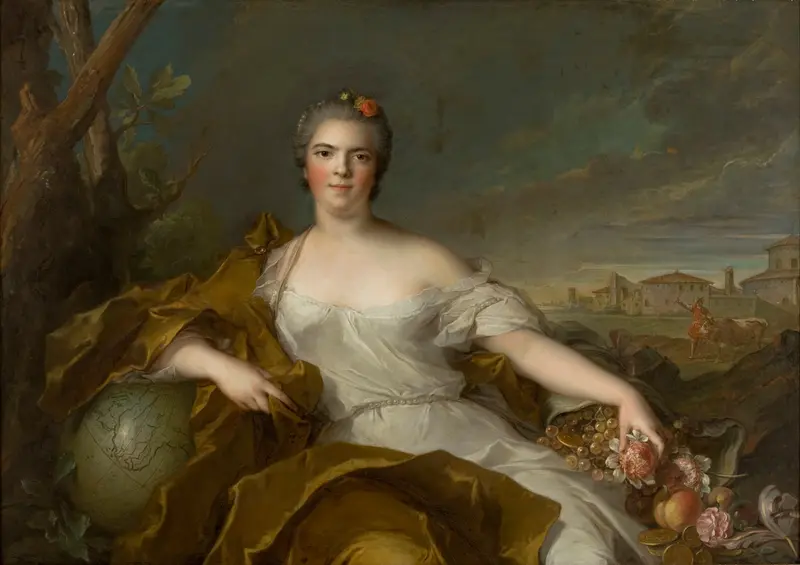
Princess Louise-Élisabeth of France - The Earth
Jean-Marc Nattier
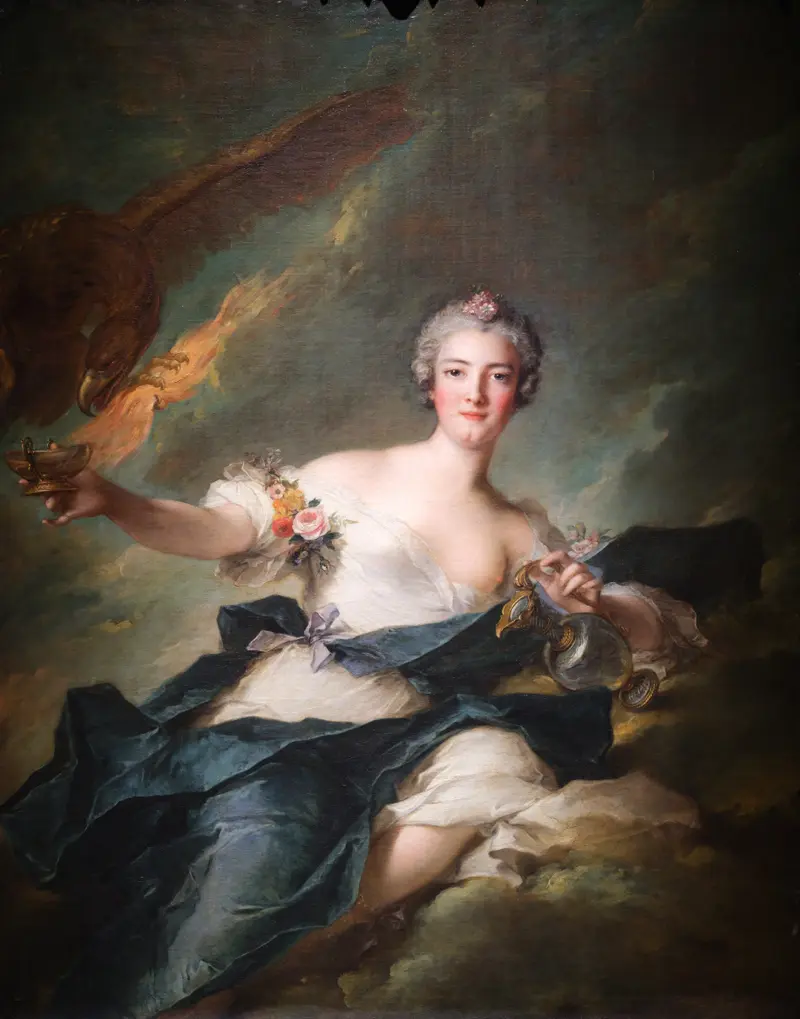
The Duchess of Chaulnes Represented as Hebe
Jean-Marc Nattier
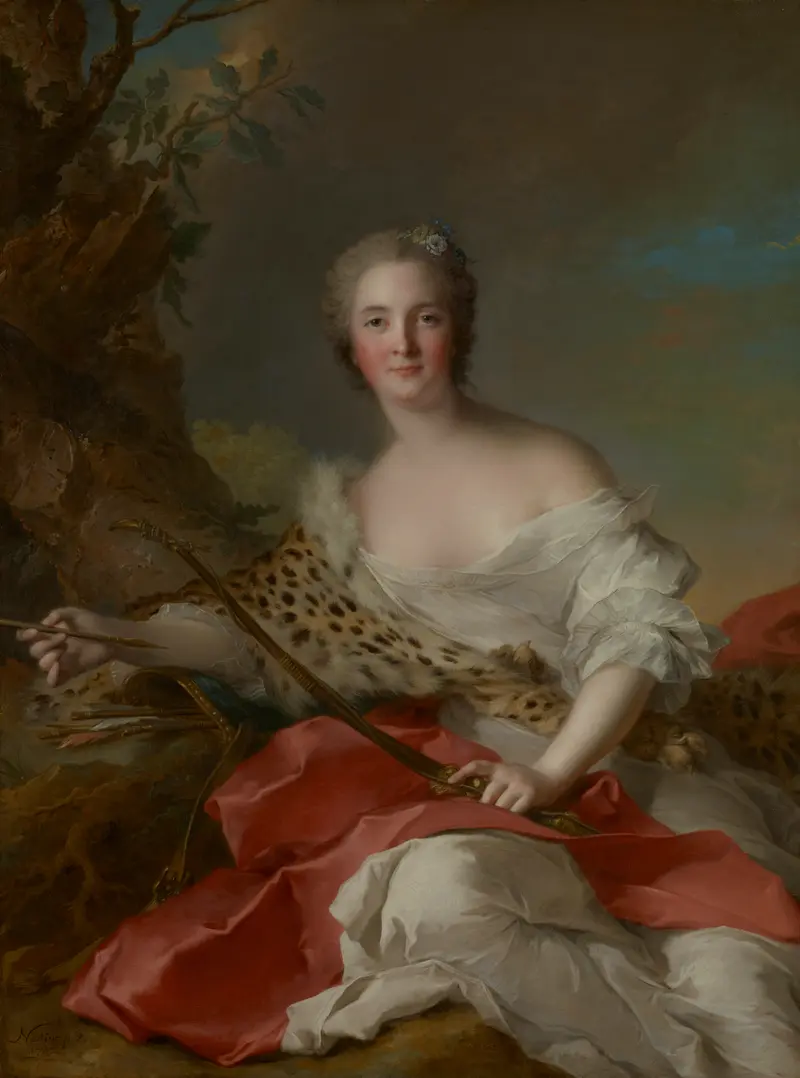
Portrait of Madame Bonnier de la Mosson as Diana (Constance-Gabrielle-Magdeleine du Monciel de Lauraille
Jean-Marc Nattier
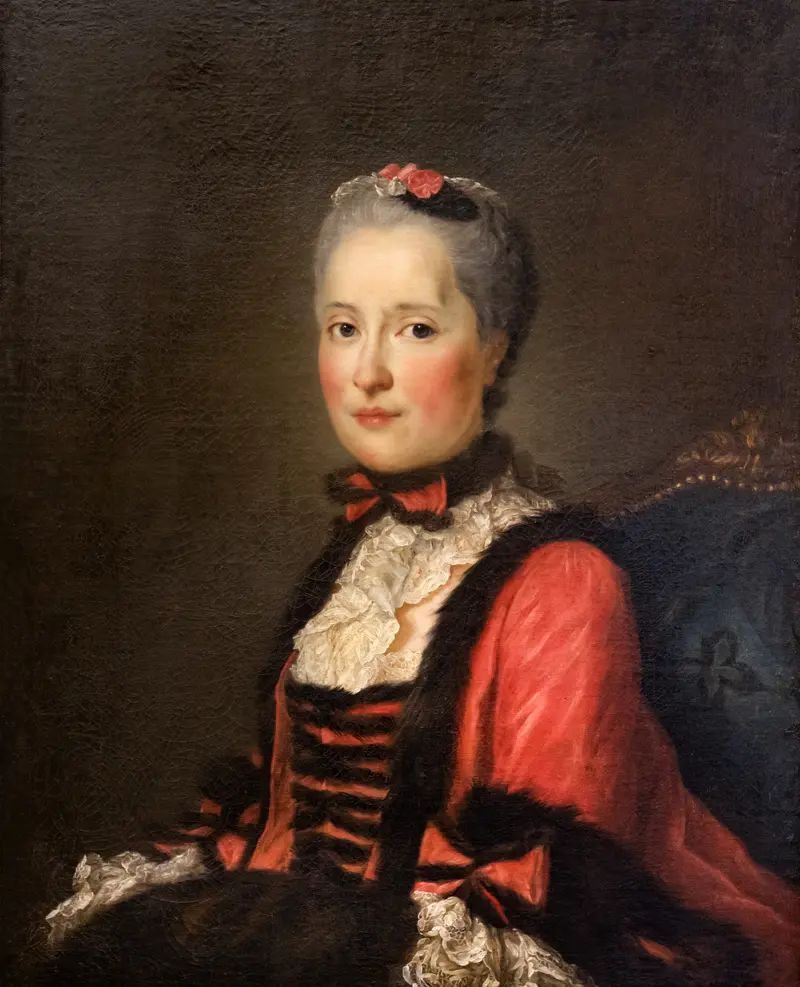
Portrait of Marie-Josephe of Saxony, Dauphine of France
Jean-Marc Nattier
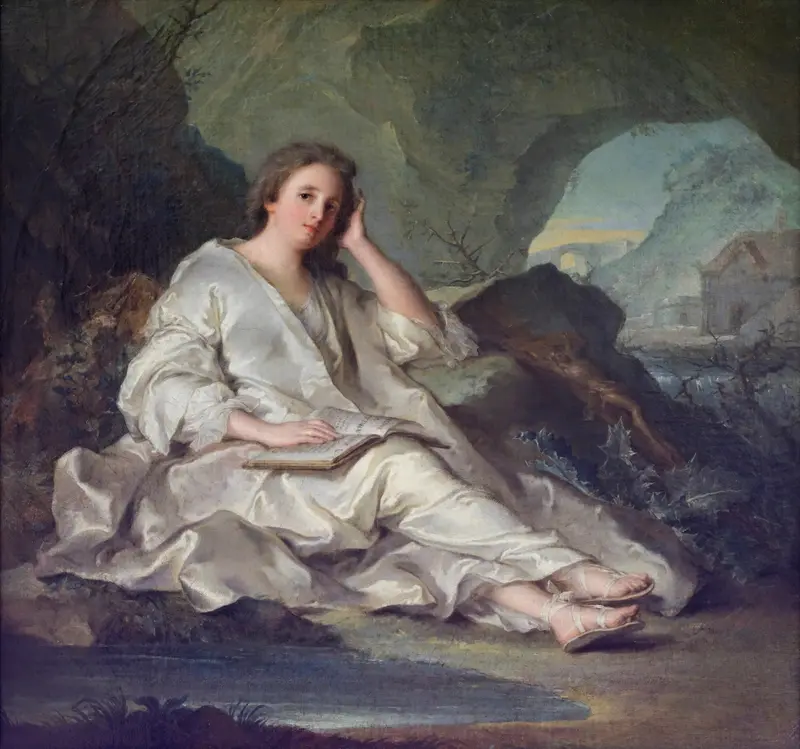
La Madeleine, ou Une Pénitente dans le désert Musée du Louvre Peintures INV 6880 ; MR
Jean-Marc Nattier
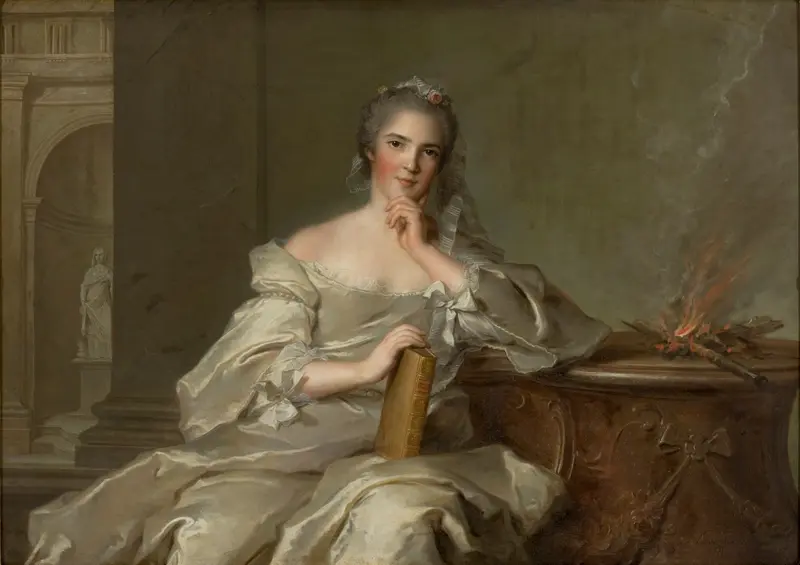
Princess Anne-Henriette of France - The Fire
Jean-Marc Nattier
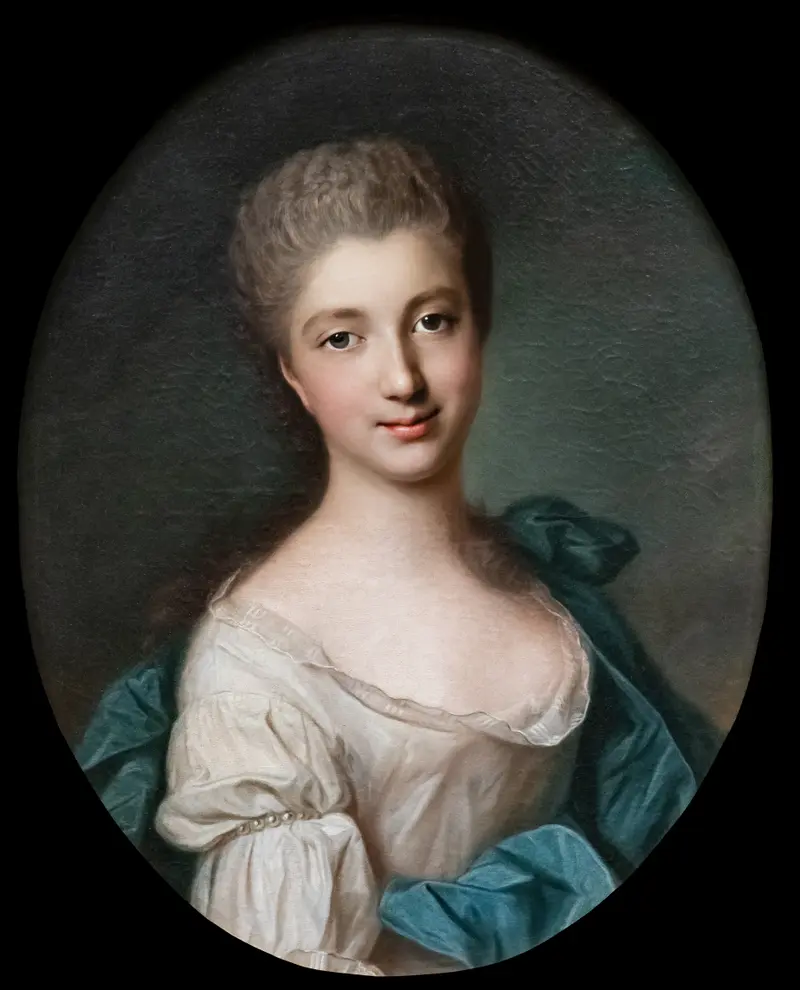
Portrait of young woman
Jean-Marc Nattier





