
Princess Anne-Henriette of France - The Fire — History & Facts
The first thing that catches the eye in Princess Anne-Henriette of France - The Fire is the way the sitter seems to pause mid-thought, her gaze meeting ours with a gentle, knowing confidence. The soft shimmer of her gown, rendered in creamy whites, draws the light toward her face and hands, while the book she holds hints at both learning and leisure. To her side, a brazier burns with a quiet, controlled flame, its smoke curling upward—an emblem of fire’s dual nature: warmth and danger, passion and intellect.
The architectural backdrop, with its classical statue and colonnade, frames her as both a woman of her time and an allegorical figure, perhaps embodying the element itself. Painted in 1751 by Jean-Marc Nattier, this portrait belongs to a world where royalty and allegory often merged. In the mid-eighteenth century, French court portraiture delighted in blending the personal and the symbolic, especially for royal women. Artists like Nattier were favored for their ability to flatter and to encode virtues—here, fire may stand for spirit, wit, or even the responsibilities of a princess.
The painting’s delicate balance of intimacy and idealization reflects the Rococo era’s taste for elegance and subtle theatricality. History has kept few traces of this particular work’s journey, but its presence today invites us to read the sitter’s expression anew, searching for the spark that Nattier so carefully set alight.
More Artworks by Jean-Marc Nattier

Madame Crozat de Thiers and Her Daughter
Jean-Marc Nattier
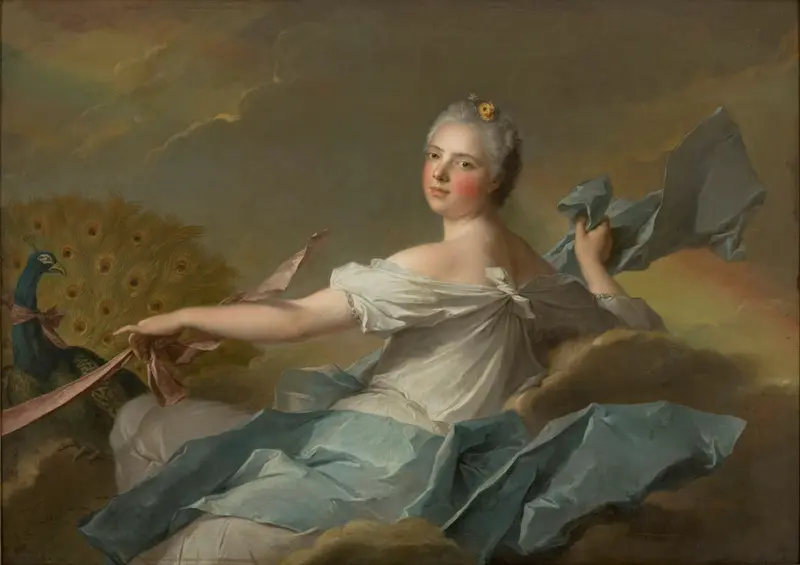
Princess Marie Adélaïde of France - The Air
Jean-Marc Nattier
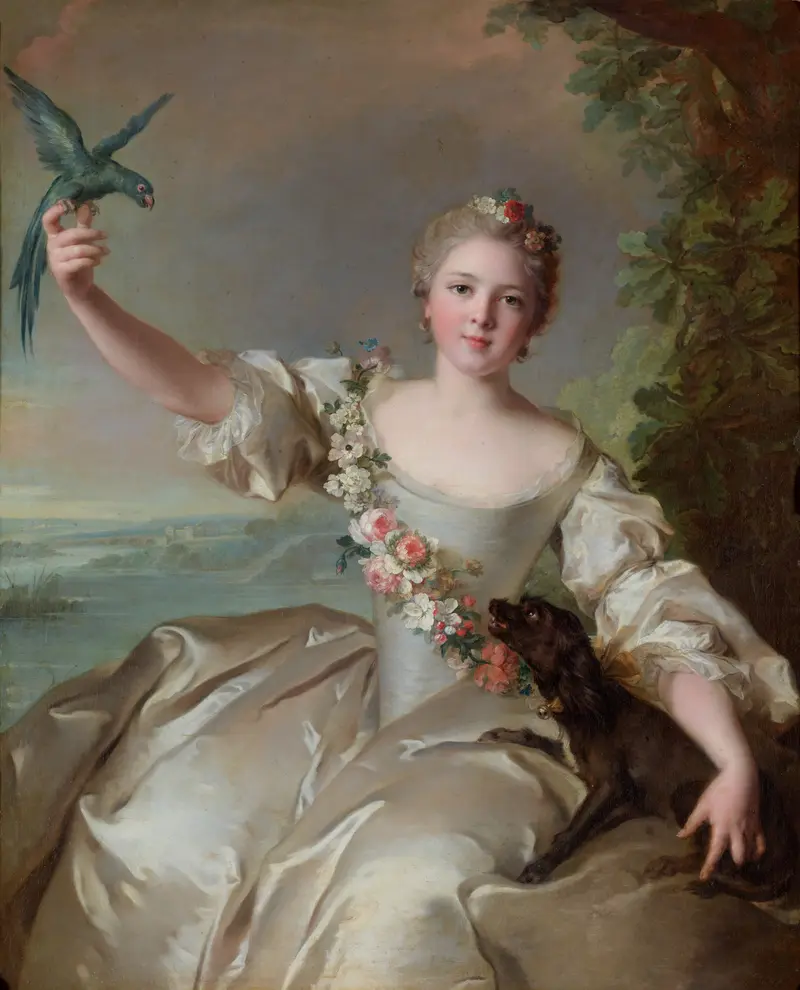
Portrait de Mathilde de Canisy, marquise d'Antin
Jean-Marc Nattier
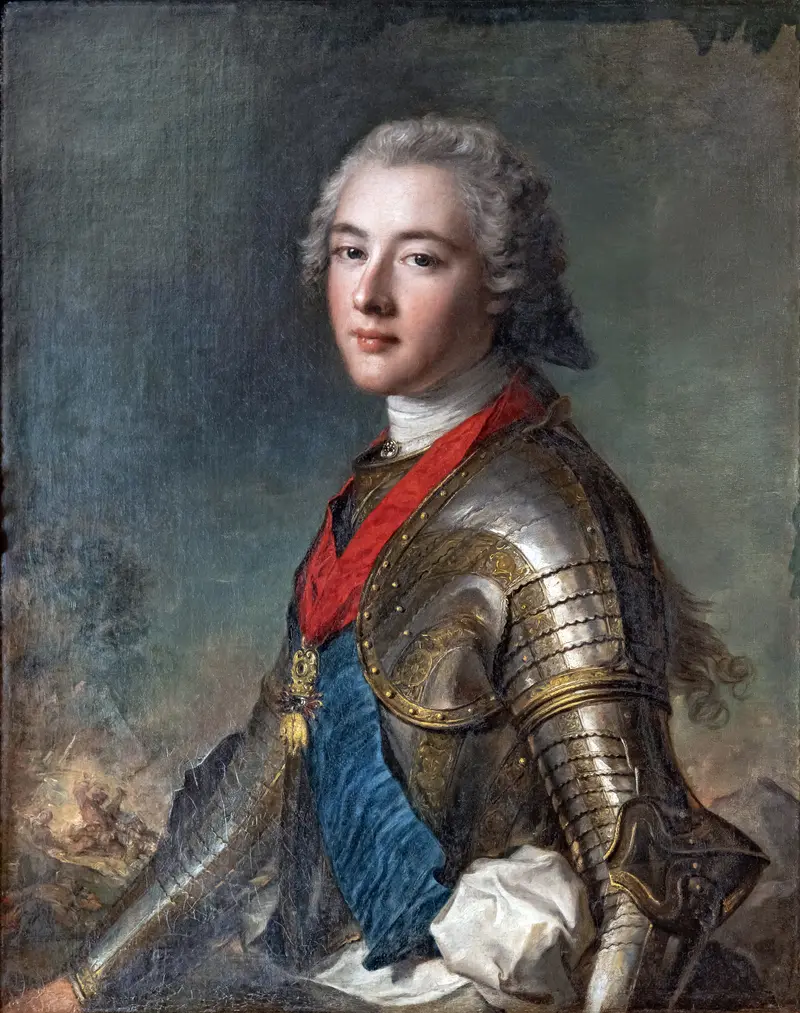
Bemberg Fondation Toulouse - Portrait de Louis Jean Marie de Bourbon, Duc de Penthièvre - Jean Marc Nattier inv.1158 82x65.4
Jean-Marc Nattier
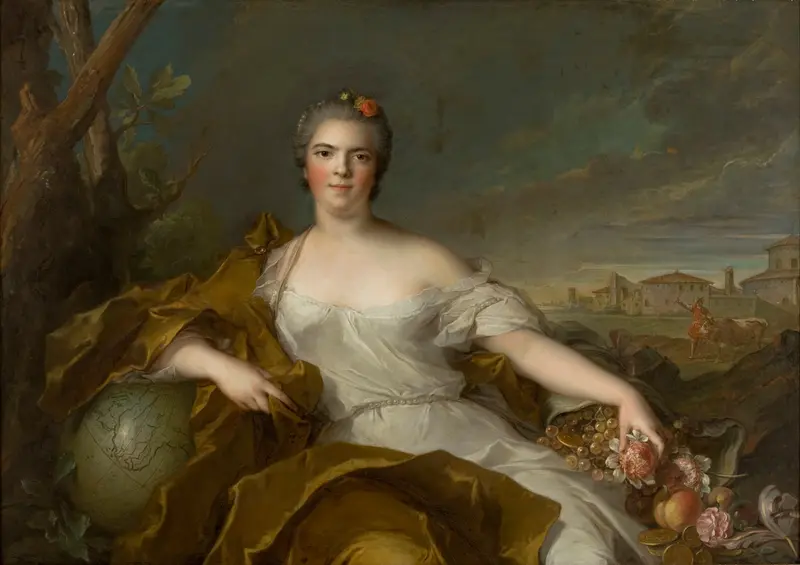
Princess Louise-Élisabeth of France - The Earth
Jean-Marc Nattier
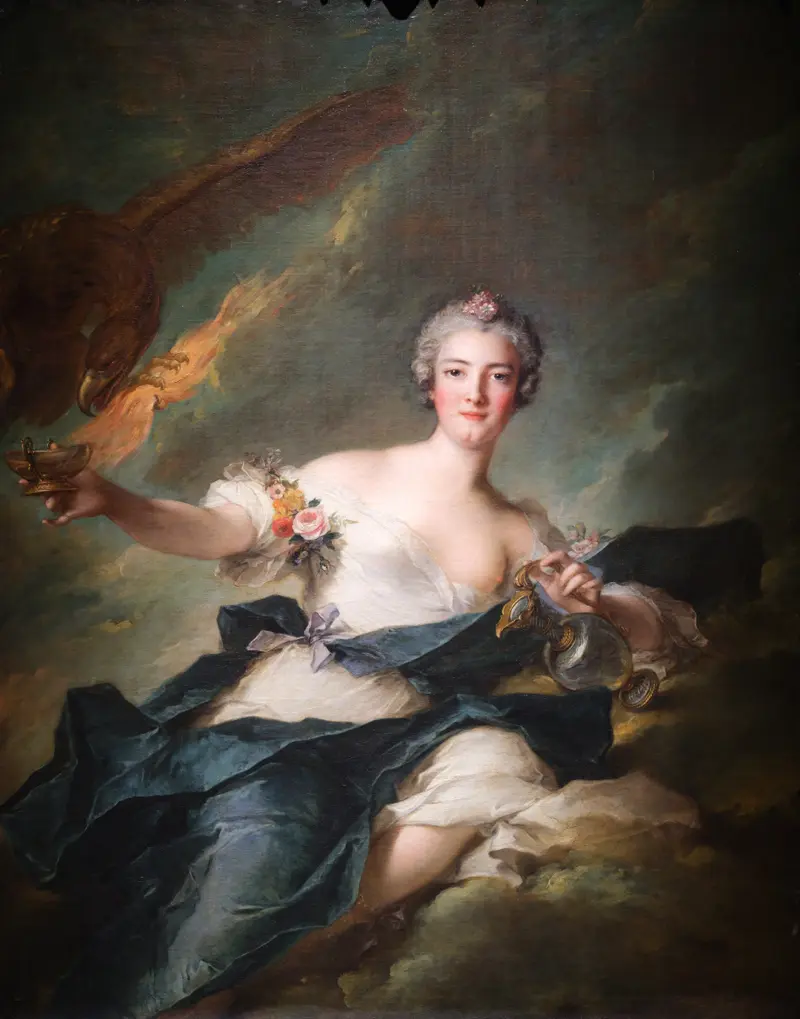
The Duchess of Chaulnes Represented as Hebe
Jean-Marc Nattier
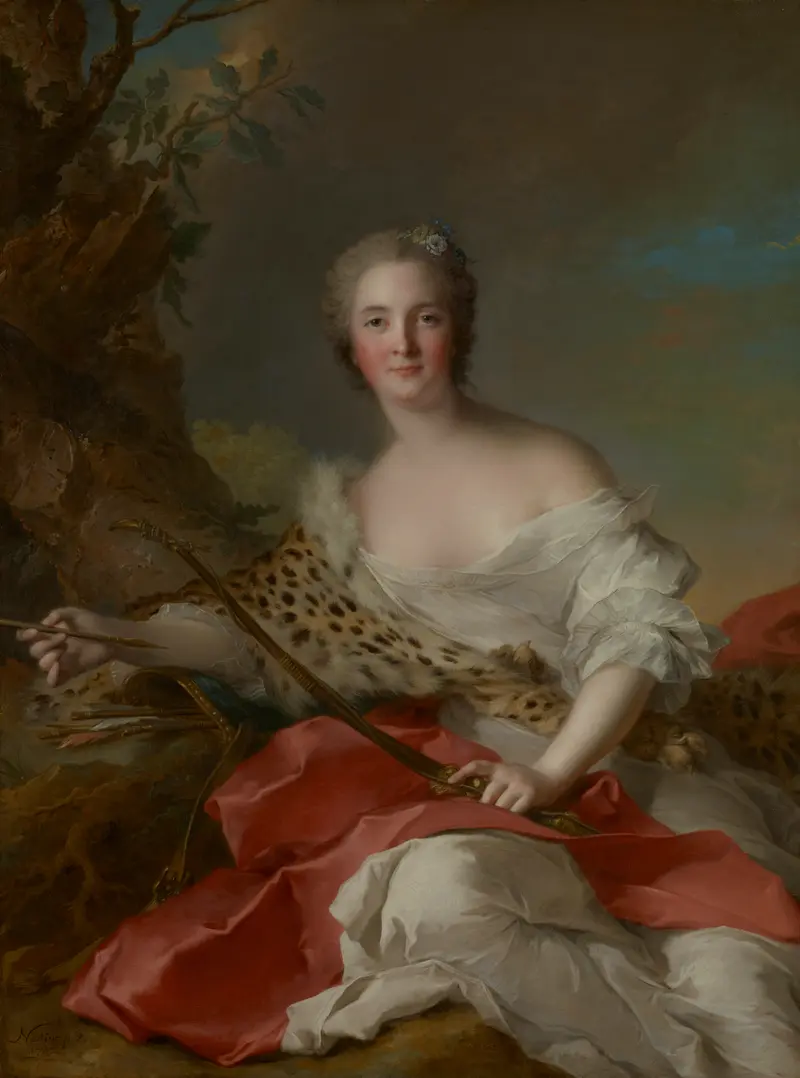
Portrait of Madame Bonnier de la Mosson as Diana (Constance-Gabrielle-Magdeleine du Monciel de Lauraille
Jean-Marc Nattier
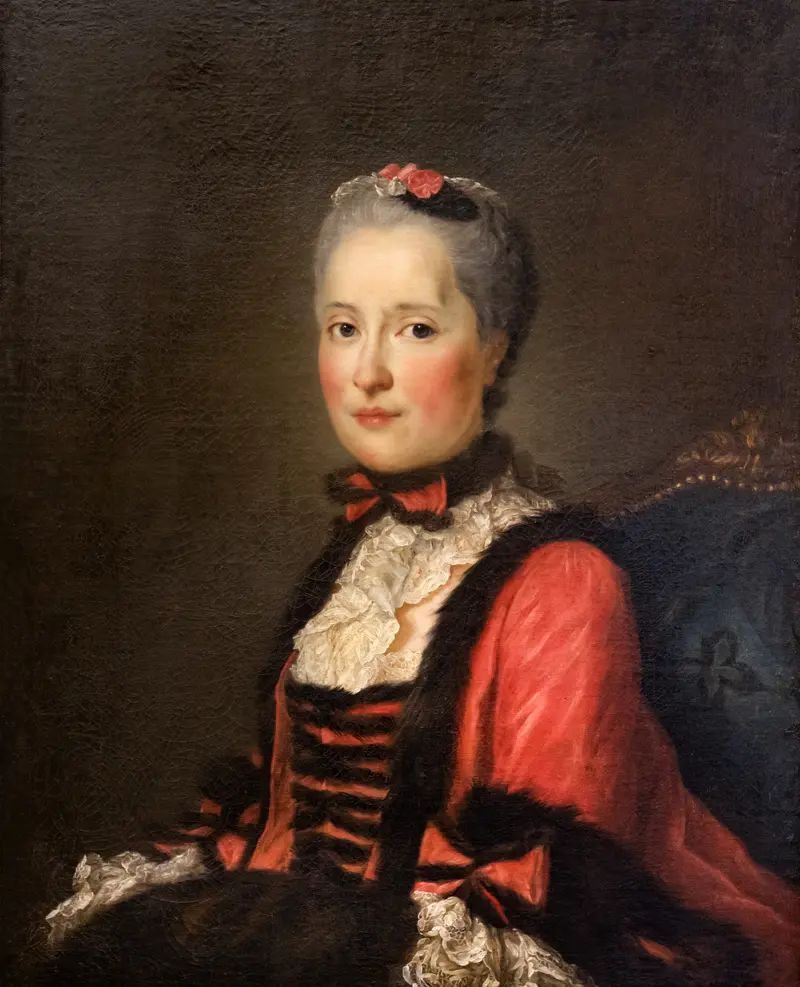
Portrait of Marie-Josephe of Saxony, Dauphine of France
Jean-Marc Nattier
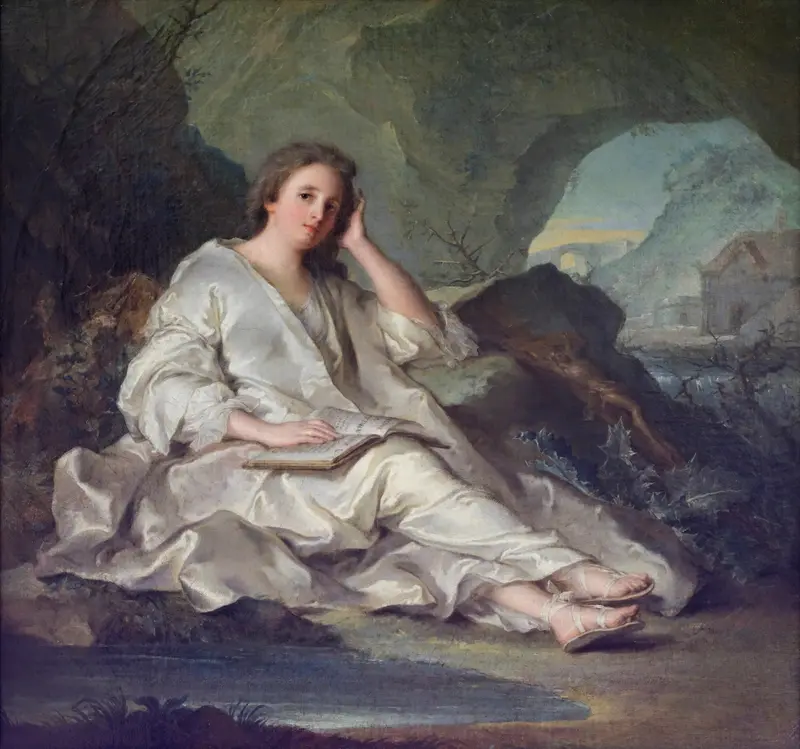
La Madeleine, ou Une Pénitente dans le désert Musée du Louvre Peintures INV 6880 ; MR
Jean-Marc Nattier
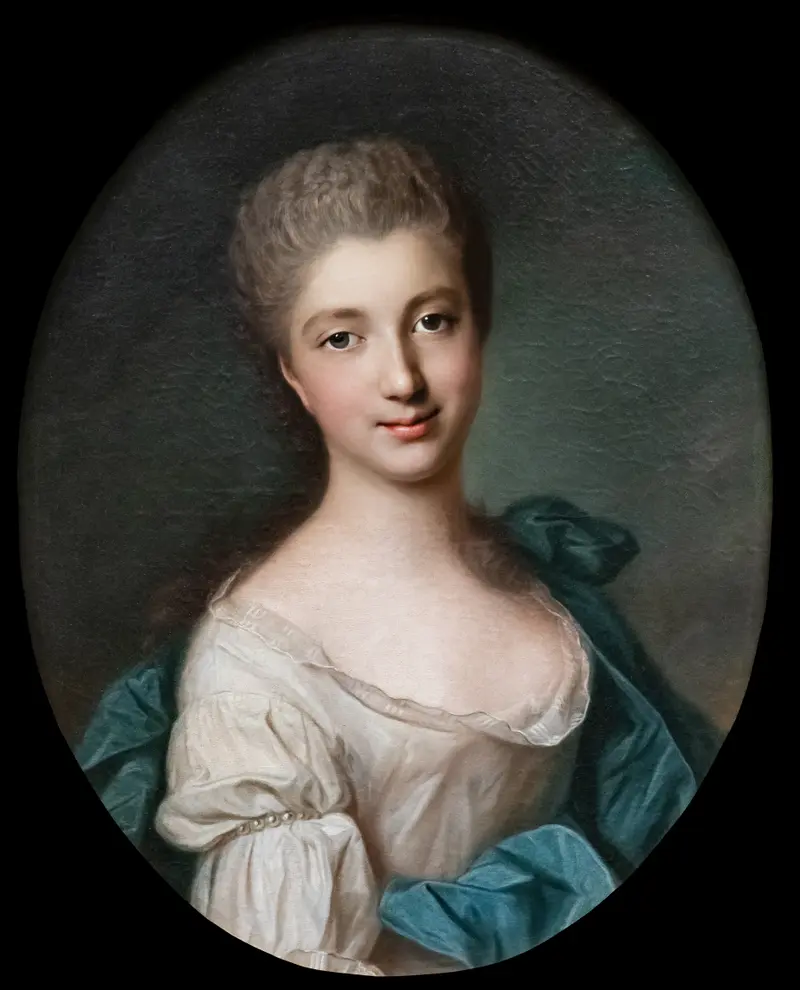
Portrait of young woman
Jean-Marc Nattier





