
Portrait of Marie-Josephe of Saxony, Dauphine of France — History & Facts
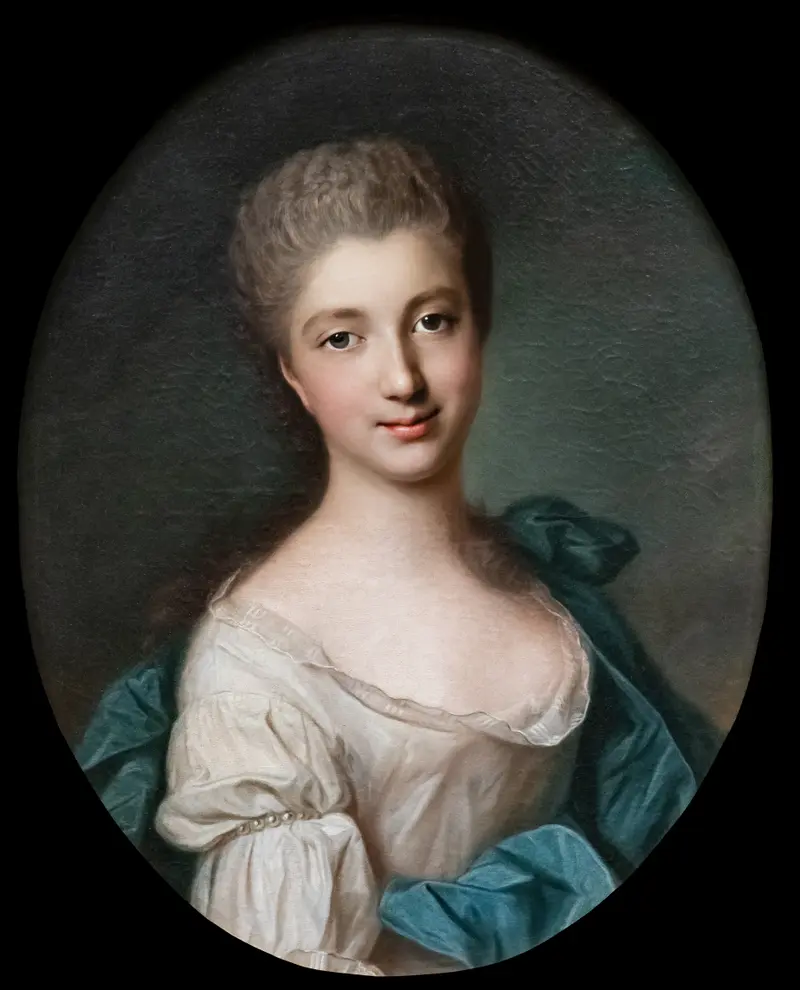
The first thing to arrest the viewer in this portrait is the poised serenity of the sitter, whose gaze meets us with both reserve and candor. The artist has chosen a composition that draws the eye upward, from the gentle fold of the blue sash to the delicate lace at the neckline, finally resting on the sitter’s composed face. Pearls and powdered hair signal rank and refinement, while the soft, cool palette of blues and creams sets a mood of calm dignity.
The light is carefully managed, illuminating the sitter’s features and the lustrous textures of her attire, while the background recedes into a gentle haze, ensuring all attention remains on her presence. Every detail, from the precise rendering of the silk to the subtle flush of the cheeks, is designed to communicate both status and individuality. Portraits of royal women in the eighteenth century were more than likenesses; they were instruments of diplomacy and displays of dynastic power. Commissioned to assert lineage, virtue, and alliances, such images were often exchanged between courts or displayed in public galleries to reinforce political ties.
While this particular work’s journey is little recorded—its source notes only its presence in a private collection as of May 2022—it stands firmly within this tradition. The artist’s name and the sitter’s identity evoke the world of Versailles, where painters like Jean-Marc Nattier were celebrated for their ability to flatter and immortalize the elite. History has kept few traces of this specific canvas, but its careful construction invites us to linger, searching for the personality that once shaped the fate of nations.
More Artworks by Jean-Marc Nattier

Madame Crozat de Thiers and Her Daughter
Jean-Marc Nattier
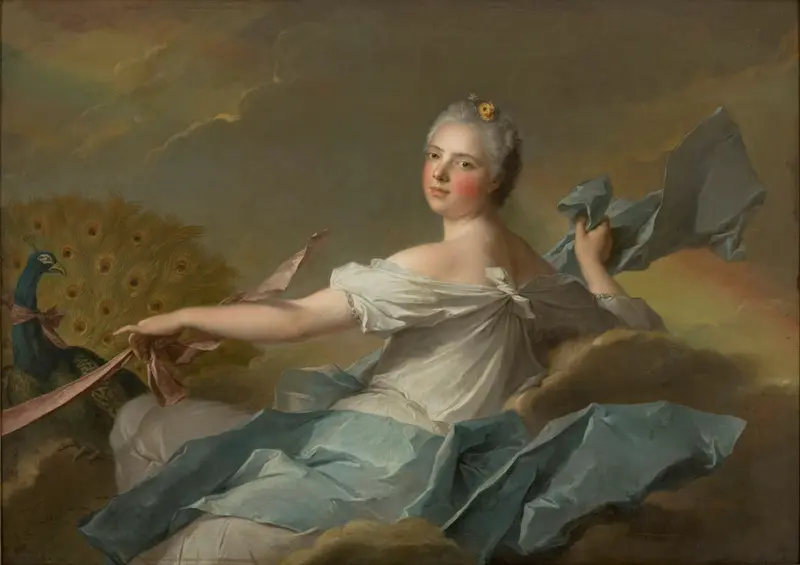
Princess Marie Adélaïde of France - The Air
Jean-Marc Nattier
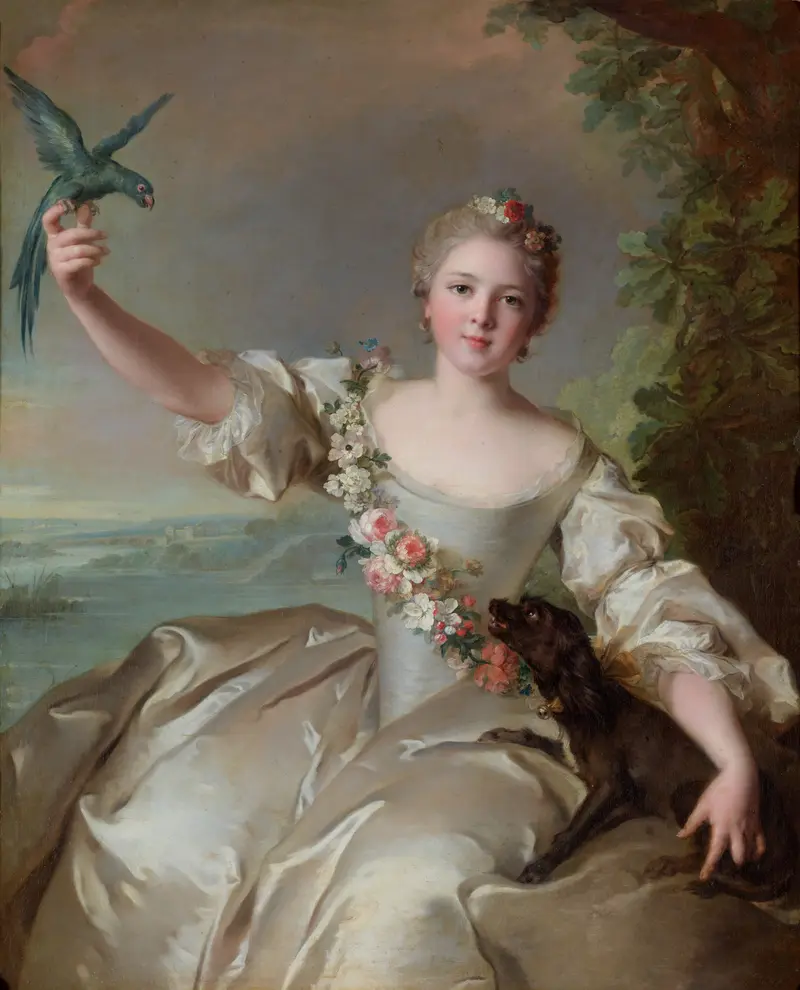
Portrait de Mathilde de Canisy, marquise d'Antin
Jean-Marc Nattier
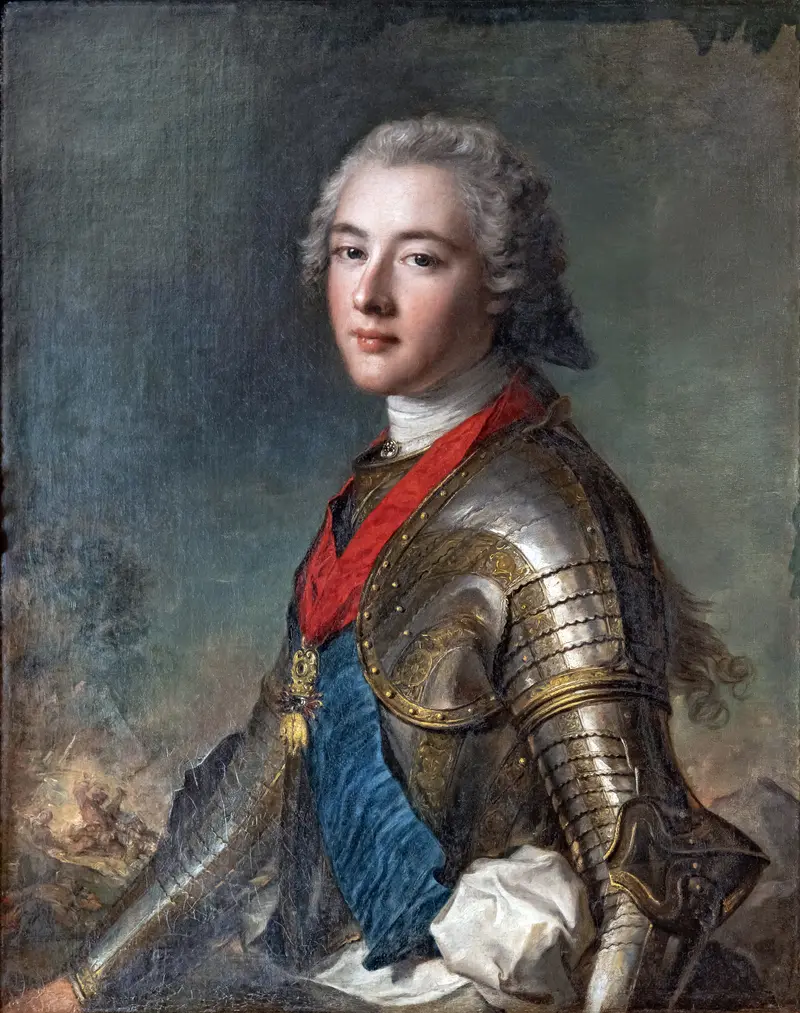
Bemberg Fondation Toulouse - Portrait de Louis Jean Marie de Bourbon, Duc de Penthièvre - Jean Marc Nattier inv.1158 82x65.4
Jean-Marc Nattier
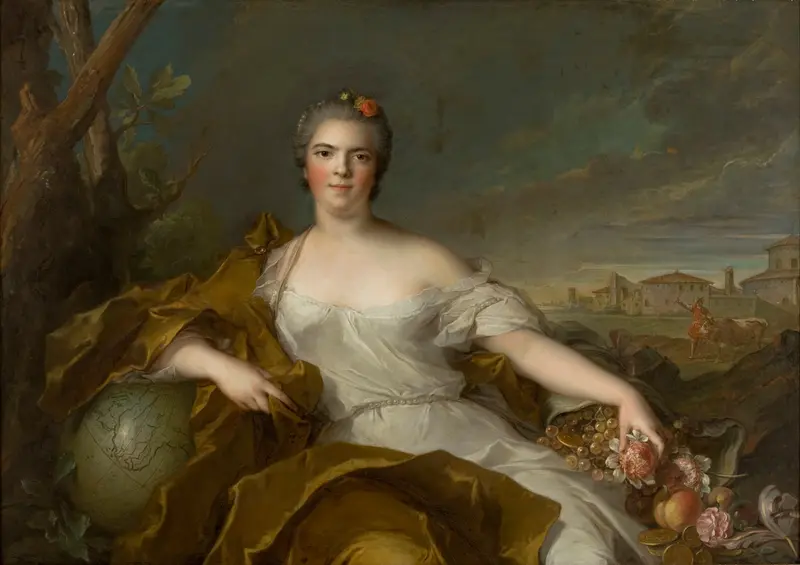
Princess Louise-Élisabeth of France - The Earth
Jean-Marc Nattier
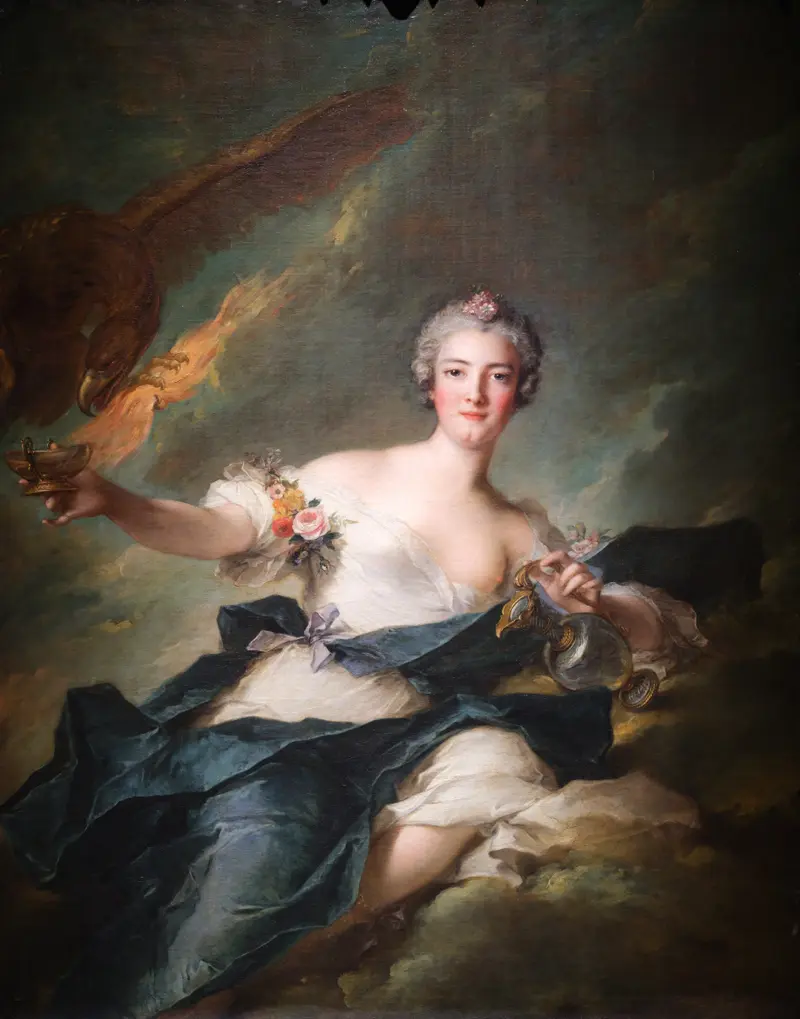
The Duchess of Chaulnes Represented as Hebe
Jean-Marc Nattier
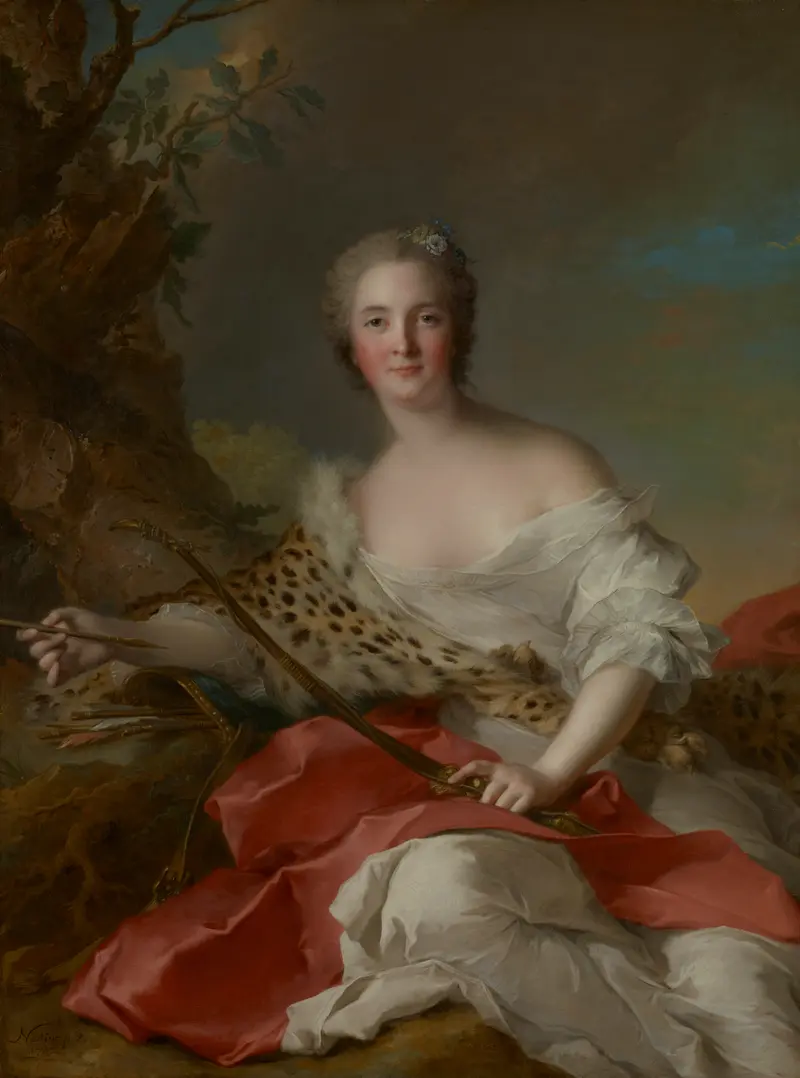
Portrait of Madame Bonnier de la Mosson as Diana (Constance-Gabrielle-Magdeleine du Monciel de Lauraille
Jean-Marc Nattier
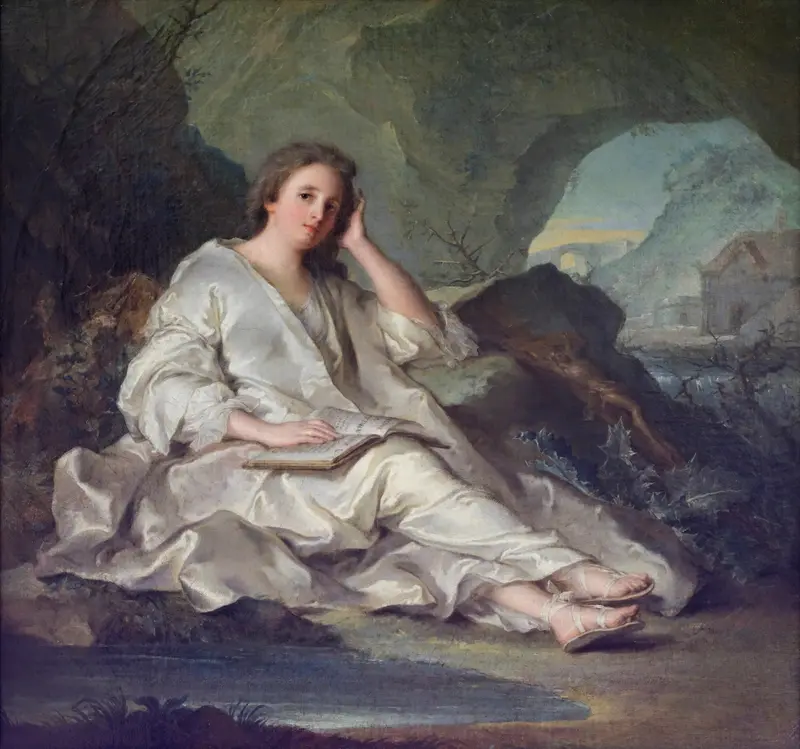
La Madeleine, ou Une Pénitente dans le désert Musée du Louvre Peintures INV 6880 ; MR
Jean-Marc Nattier
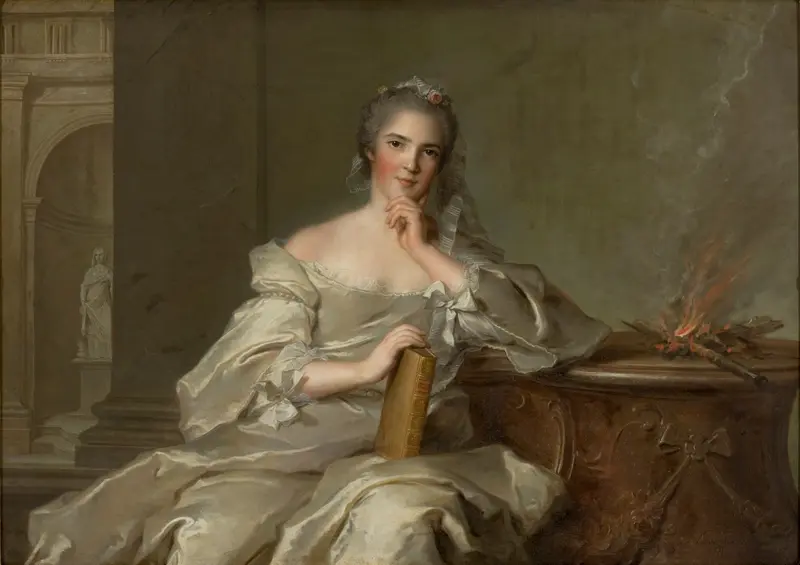
Princess Anne-Henriette of France - The Fire
Jean-Marc Nattier
Portrait of young woman
Jean-Marc Nattier





