
La Maison de la Crau — History & Facts
What secret hides in the quiet of the canvas? Beneath the vibrant strokes, La Maison de la Crau whispers stories of movement and stillness intertwined. Focus on the bold strokes and swirling hues that define the house's architecture. Look to the left, where the sun-drenched yellow walls vibrate with energy, contrasting sharply against the deep blues of the sky. Notice how the lines seem to pulsate, giving life to the structure as if it were breathing, found in the brushwork that creates a sense of urgency and dynamism.
The paint itself feels alive, each layer an echo of the artist's emotional state. Delve deeper into the contrasts present in this work. The juxtaposition of the serene countryside against the vigorous strokes creates a tension between stability and chaos. The vibrant colors reflect the artist's turbulence, while the solitary house stands resilient amidst nature's wildness, perhaps symbolizing the isolation felt during his time in Arles.
Each brushstroke serves as a testament to the artist's internal struggle, hinting at a longing for connection even in solitude. Vincent van Gogh painted La Maison de la Crau in 1888 while residing in Arles, France, during a period of intense creativity. This was a time when he sought to establish a community of artists, yet found himself increasingly isolated. The painting reflects not only his admiration for the Provençal landscape but also the emotional complexities he faced as he navigated both the beauty of his surroundings and the turmoil within his own mind.
More Artworks by Vincent van Gogh
Browse all →
Starry Night
Vincent van Gogh
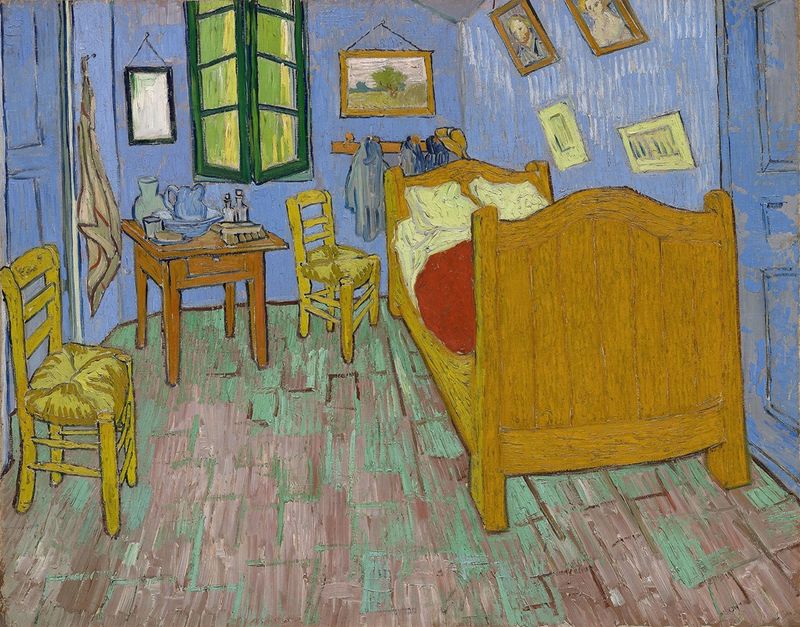
The Bedroom
Vincent van Gogh
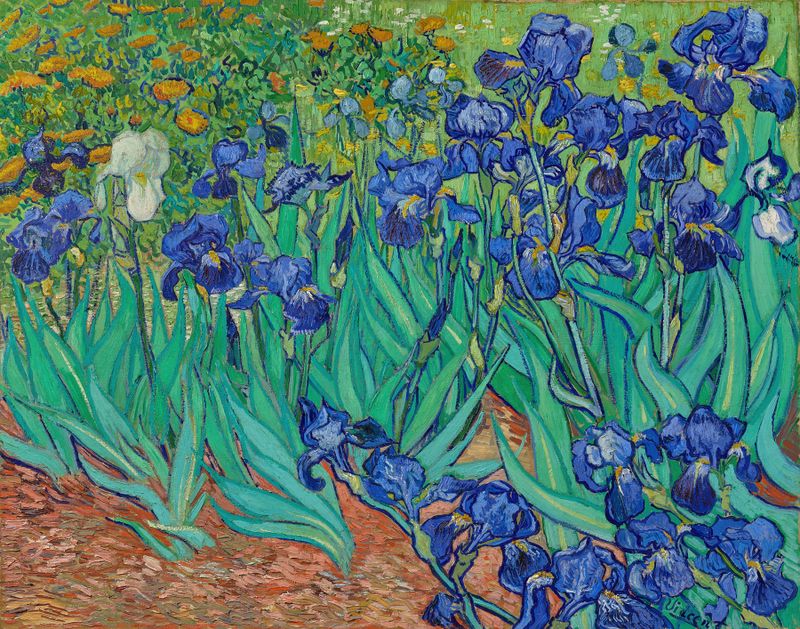
Irises
Vincent van Gogh
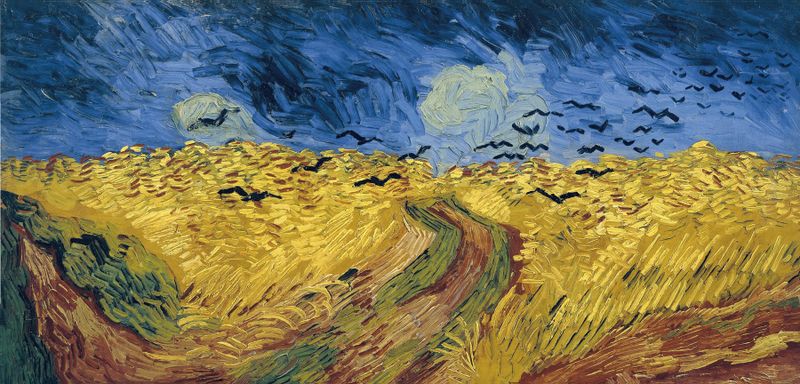
Wheatfield with Crows
Vincent van Gogh
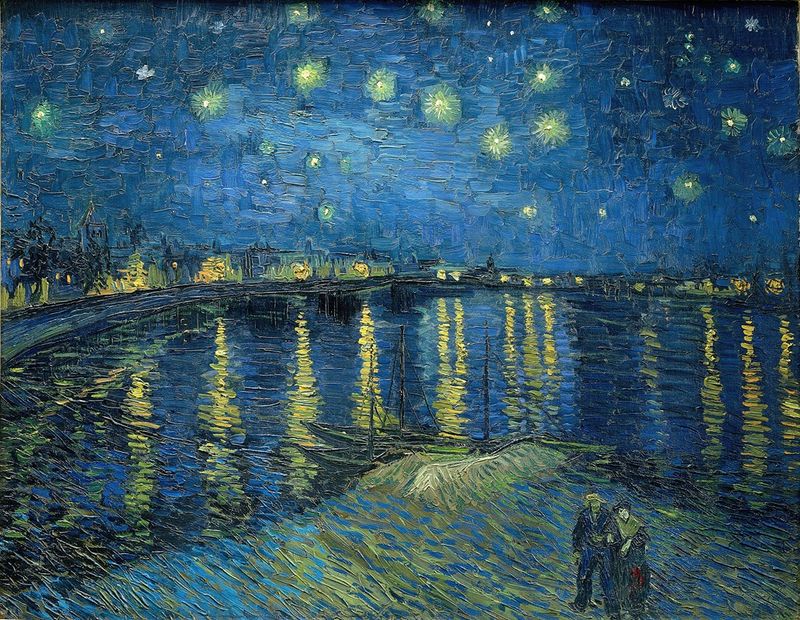
Starry Night over the Rhone
Vincent van Gogh

The yellow house
Vincent van Gogh
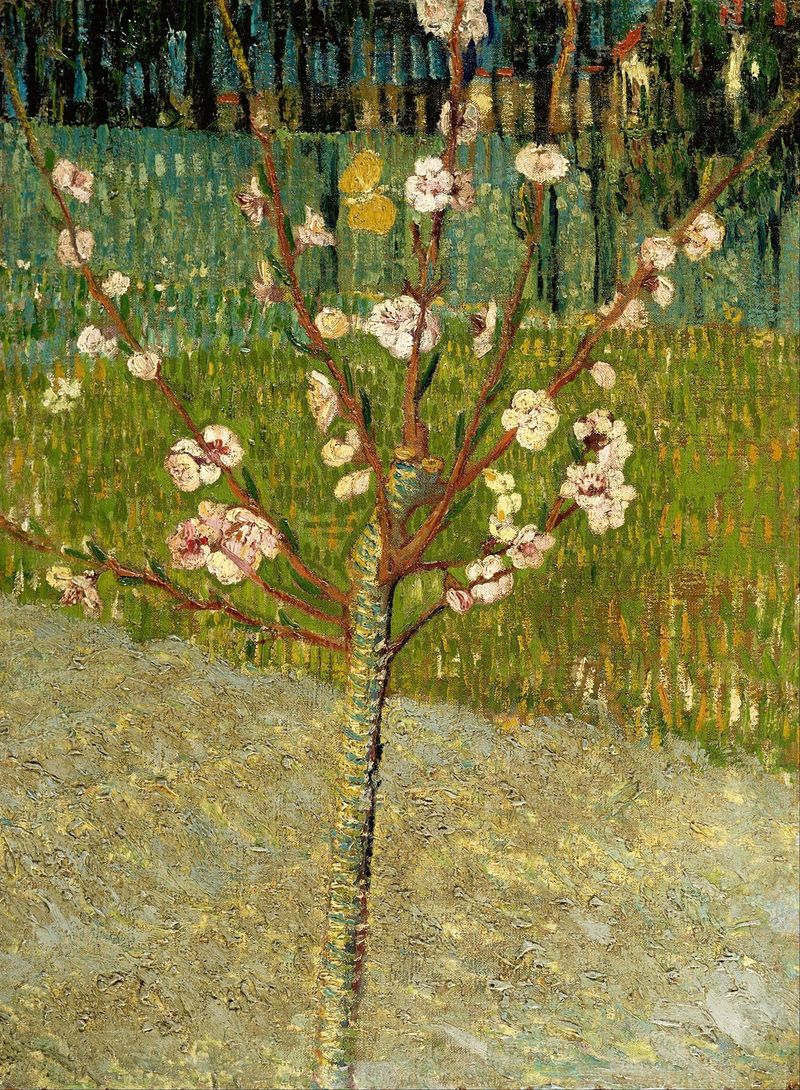
Almond tree in blossom
Vincent van Gogh

Portrait of Dr Gachet
Vincent van Gogh

The Church in Auvers-sur-Oise, View from the Chevet
Vincent van Gogh

Self-Portrait
Vincent van Gogh
More Architecture Art
Browse all →
The statue of Liberty
Frédéric Auguste Bartholdi

View of Houses in Delft, Known as ‘The Little Street’
Johannes Vermeer

View of Houses in Delft, Known as ‘The Little Street’
Johannes Vermeer

The Cathedral in Rouen. The portal, Grey Weather
Claude Monet
The yellow house
Vincent van Gogh
The Church in Auvers-sur-Oise, View from the Chevet
Vincent van Gogh