
La Mer — History & Facts
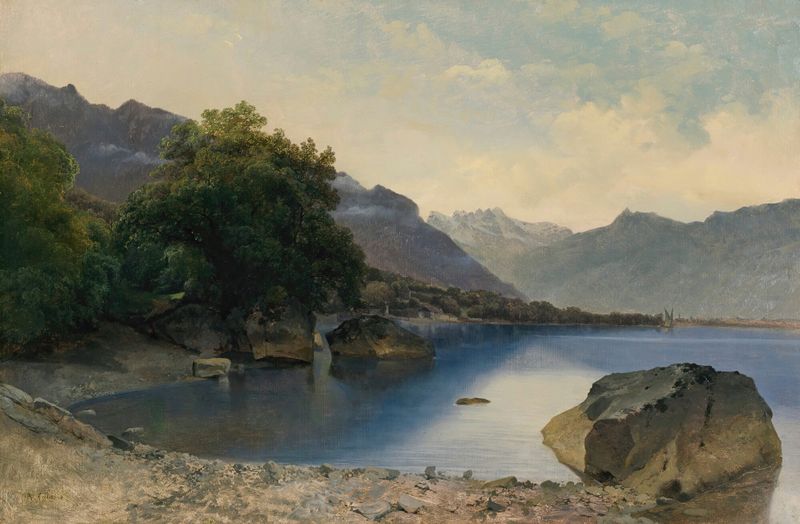
The waves crash in a tumultuous embrace, holding secrets beneath their surface, whispers of betrayal echoing through the salty air. In this moment, the ocean becomes a mirror of the heart, reflecting both beauty and sorrow, inviting us to confront our hidden emotions. Look to the left at the gentle rise of the coastline, where soft greens and sandy browns merge to form a tranquil shore. The artist captures the vibrant blues of the sea with such brilliance that one can almost feel the cool mist spray against the skin.
Calame’s brushwork is both deliberate and fluid, creating a sense of movement that draws the eye across the canvas while the clouds above mirror the tumultuous waves below, suggesting an unspoken connection between nature’s fury and human turmoil. Amidst the serene landscape lies an undercurrent of tension, perhaps hinting at the duality of nature’s calm and chaotic forces. The contrast between the placid horizon and the wild surf evokes thoughts of betrayal—not only in the personal sense but in the relationship between humanity and the natural world. The viewer is compelled to reflect on the fragility of trust, whether it be between lovers or the environment that sustains us, reminding us of the consequences that arise from neglect. In 1851, Calame painted this piece during a time when Romanticism was giving way to Realism, reflecting an increasing interest in nature’s power.
Living in Switzerland, he was influenced by the grandeur of the landscapes around him, which served as both inspiration and solace. As he navigated the shifting currents of artistic expression, La Mer stands as a testament to the artist’s moment of contemplation amid the turmoil of his age.
More Artworks by Alexandre Calame
Browse all →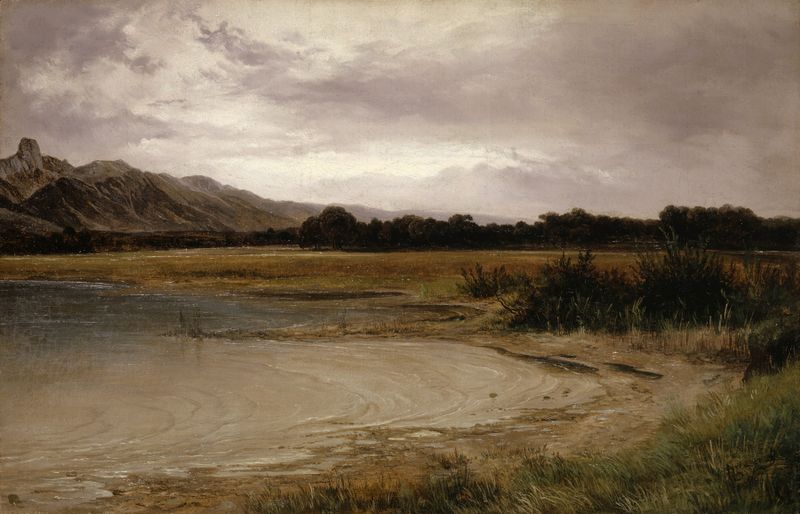
By the Lake of Thun
Alexandre Calame
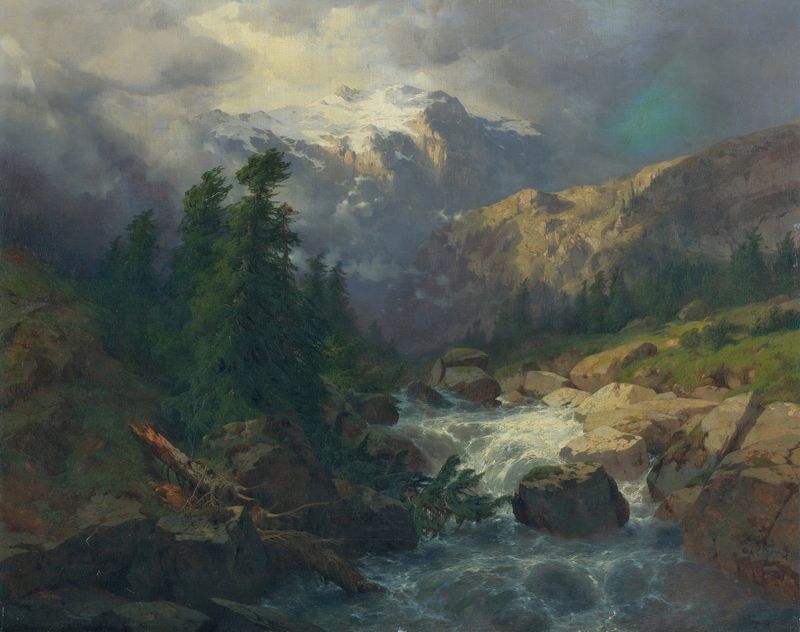
Souvenir Handeck, Stormy Weather
Alexandre Calame
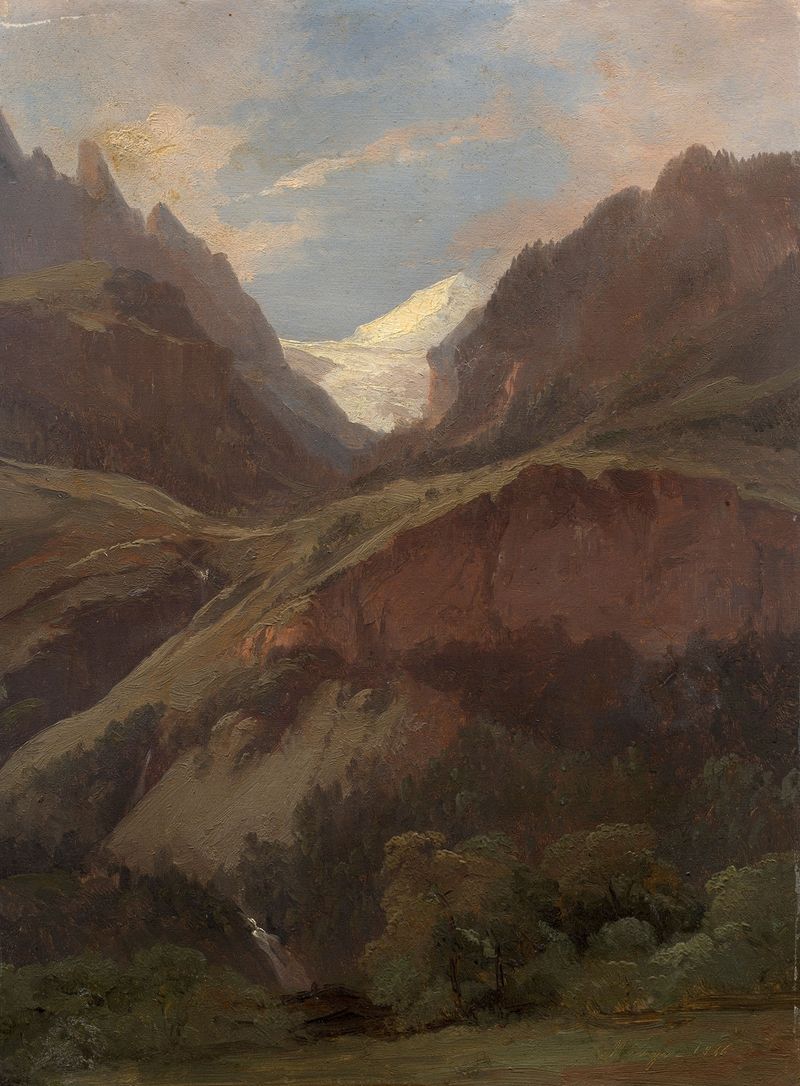
View of the Wetterhorn and the Reichenbach from Meiringen
Alexandre Calame
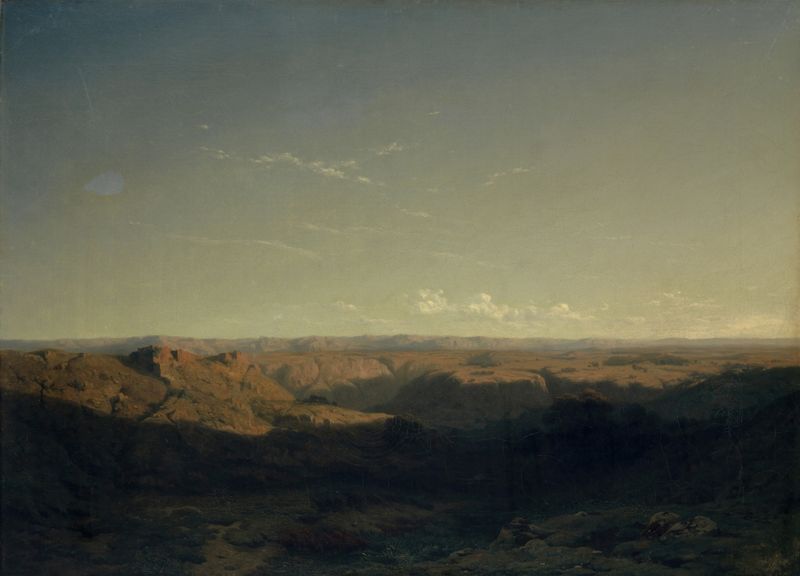
Southern Mountain Landscape
Alexandre Calame
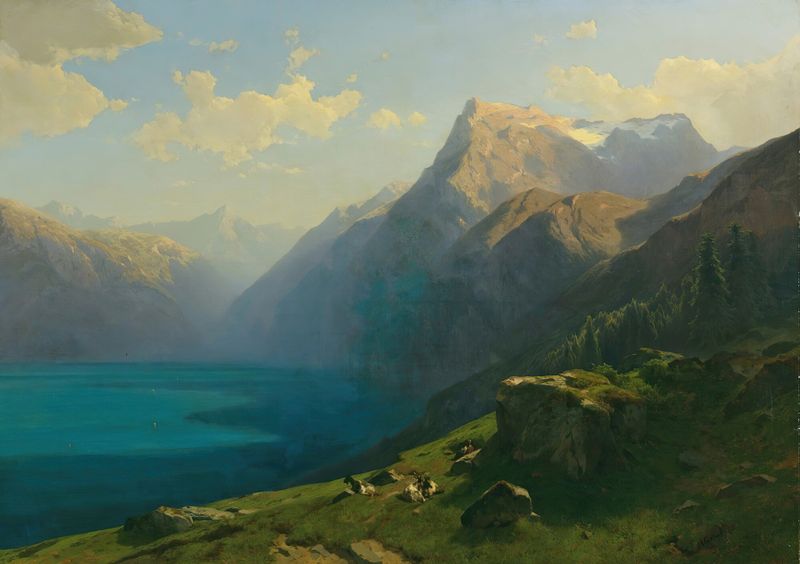
View Of Lake Lucerne From Seelisberg
Alexandre Calame
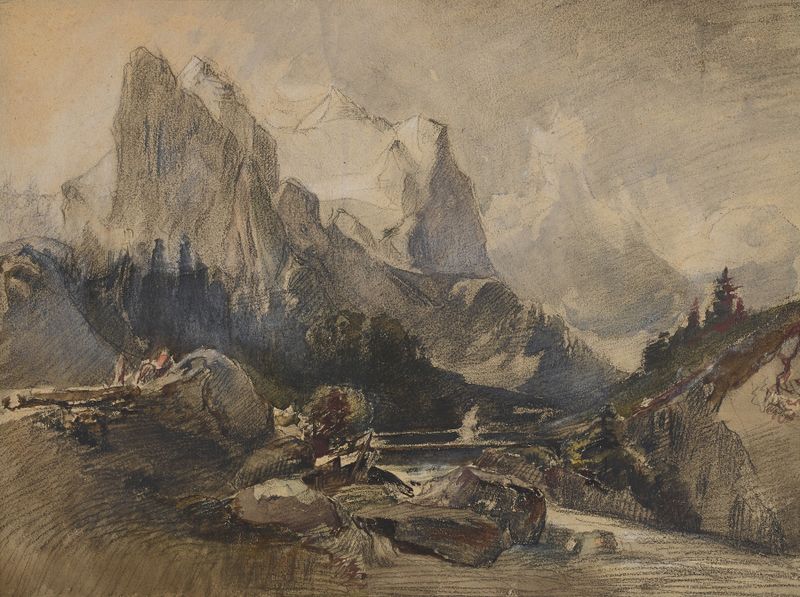
Das Wetterhorn im Berner Oberland
Alexandre Calame
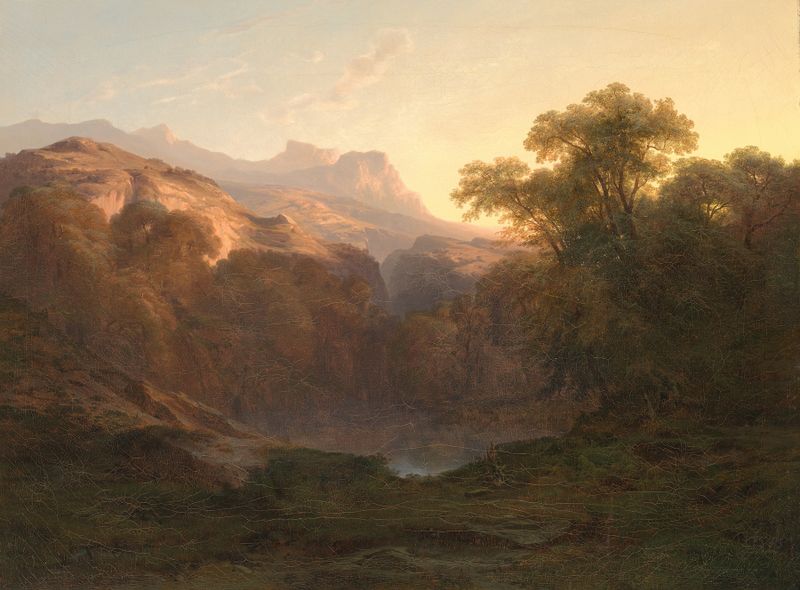
Mountain scenery
Alexandre Calame
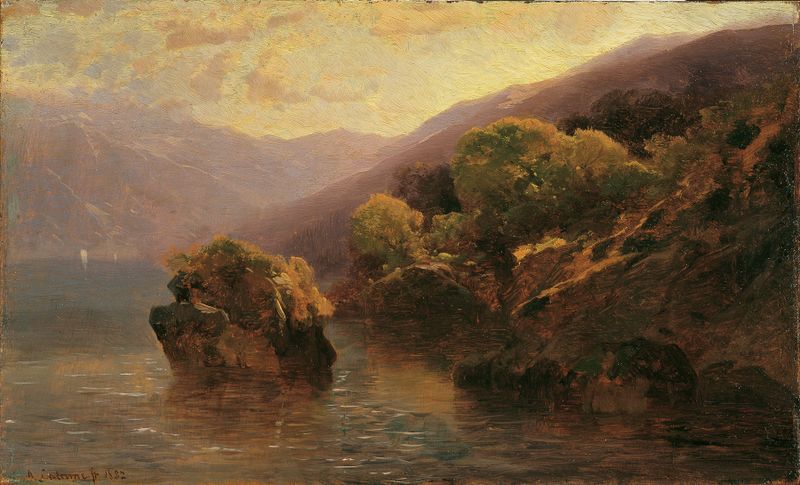
Partie vom Genfer See
Alexandre Calame
Petite Baie Du Lac Léman Près De Chillon
Alexandre Calame

Swiss Landscape
Alexandre Calame





