
La pêche en barque auprès des saules — History & Facts
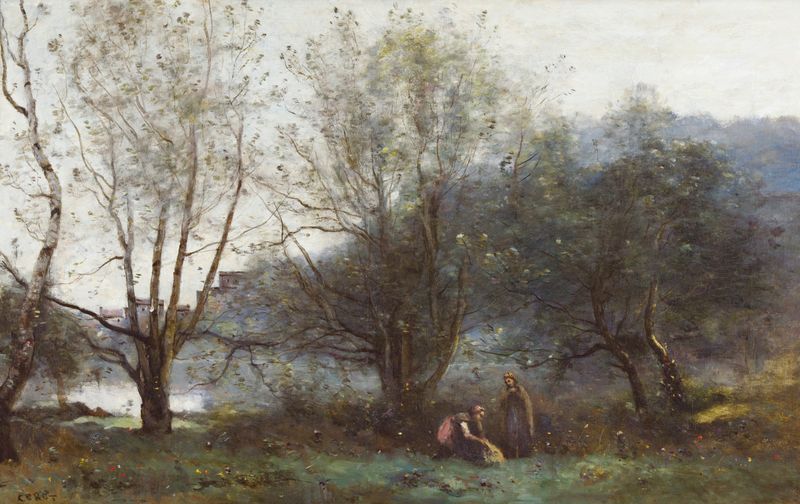
Could a single brushstroke hold eternity? In La pêche en barque auprès des saules, the passage of time whispers through the gentle decay of nature, encapsulating moments that linger like the fading light of day. Look to the left at the delicate willow trees, their drooping branches reflecting in the calm water. The soft greens and muted browns evoke a sense of tranquility, while dappled sunlight dances across the surface, creating a shimmering pathway. The boat, gently anchored, draws the eye with its rustic simplicity; it seems almost a part of the landscape rather than an intrusion upon it.
The composition flows gracefully, guiding the viewer's gaze from the vibrant foliage to the serene water, cementing the connection between earth and sky. In this tranquil scene, the interplay of light and shadow reveals deeper emotional currents. The willow trees, symbolizing both strength and fragility, stand in quiet resistance against the persistent march of time, hinting at themes of decay and renewal. The stillness of the water suggests a moment suspended in time, evoking introspection and a sense of longing.
Each brushstroke contributes to an overwhelming sense of peace, even as it speaks to the inevitability of change. Created around 1870, this work emerged during a pivotal time in Corot's career, as he sought to blend realism with impressionistic elements. Living in France, he was influenced by the changing art movements of the time, which leaned towards capturing the fleeting effects of light and atmosphere. This painting embodies his commitment to both the pastoral beauty of nature and the passage of time, making it a significant example of his evolving style.
More Artworks by Jean-Baptiste-Camille Corot
Browse all →
View of Genoa
Jean-Baptiste-Camille Corot
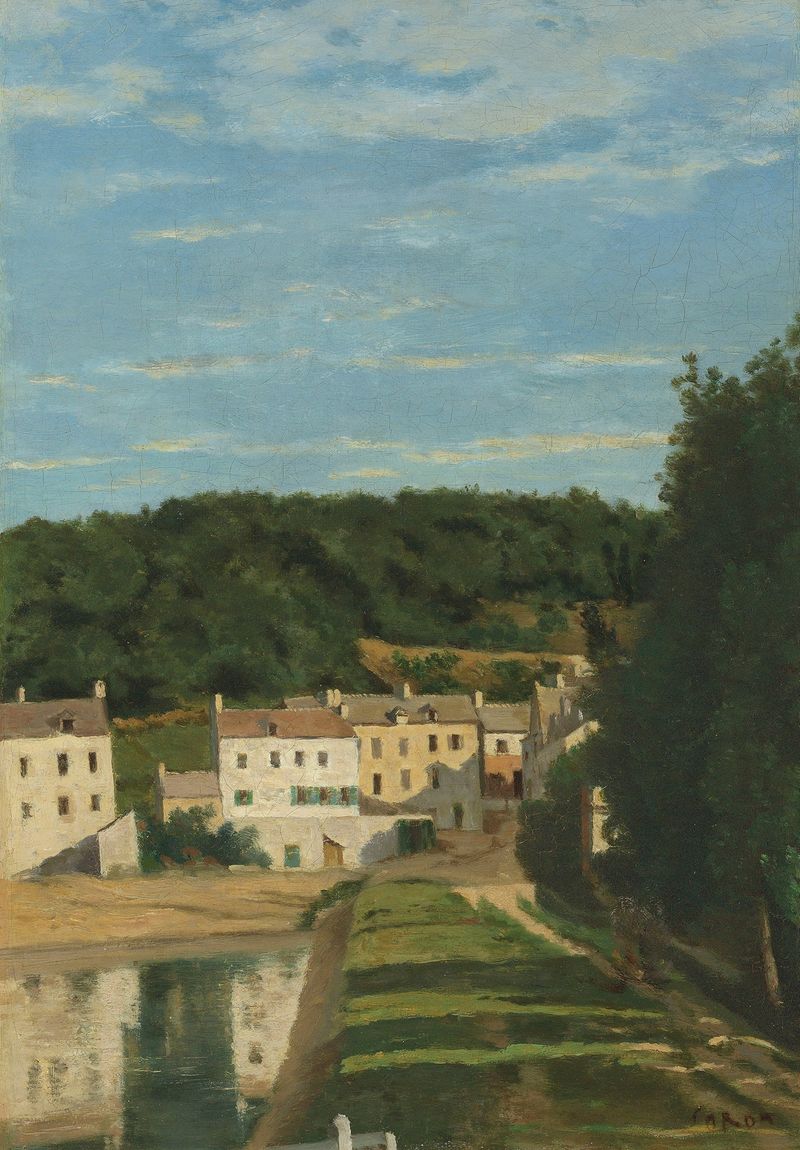
Les Maisons Cabassud À Ville D’avray
Jean-Baptiste-Camille Corot

La solitude. Souvenir de Vigen (Limousin)
Jean-Baptiste-Camille Corot
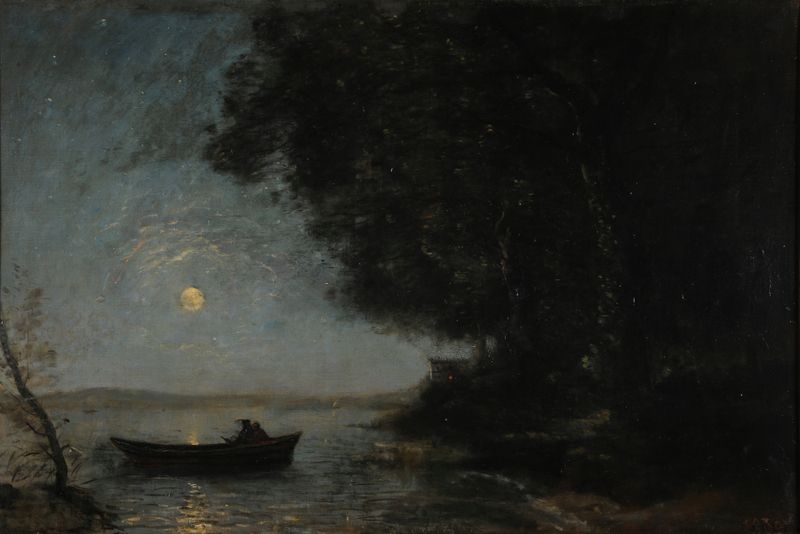
Le lac ; effet de nuit
Jean-Baptiste-Camille Corot
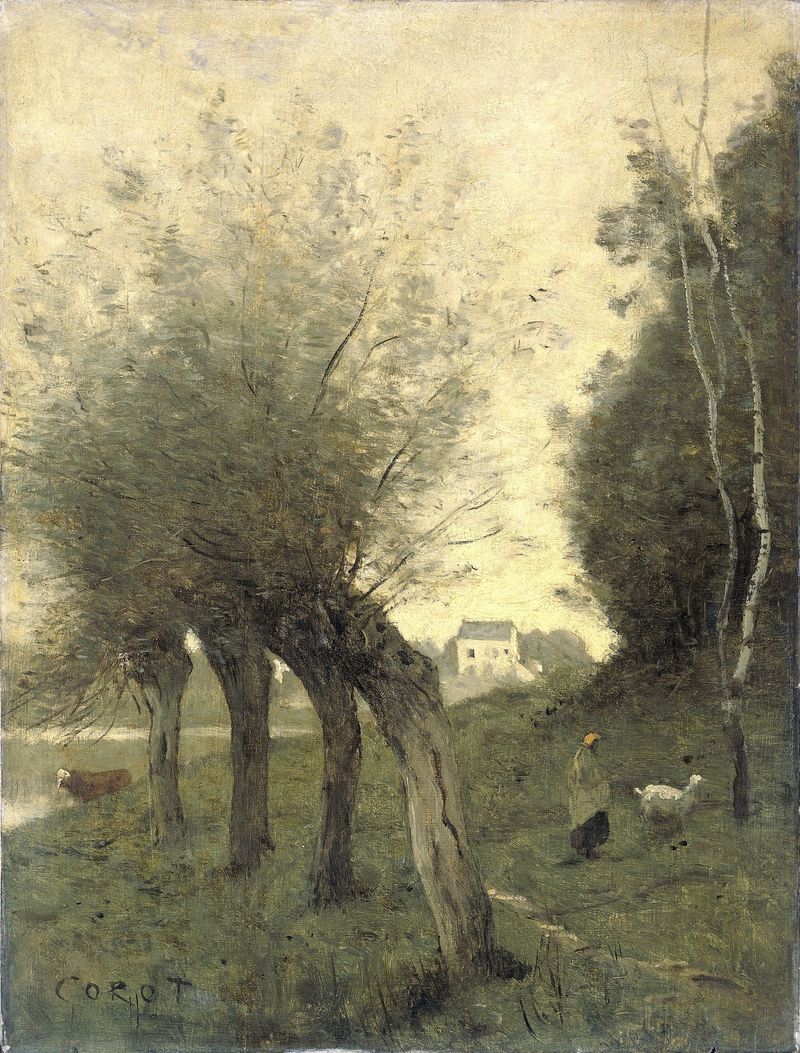
Landscape with Pollard Willows
Jean-Baptiste-Camille Corot
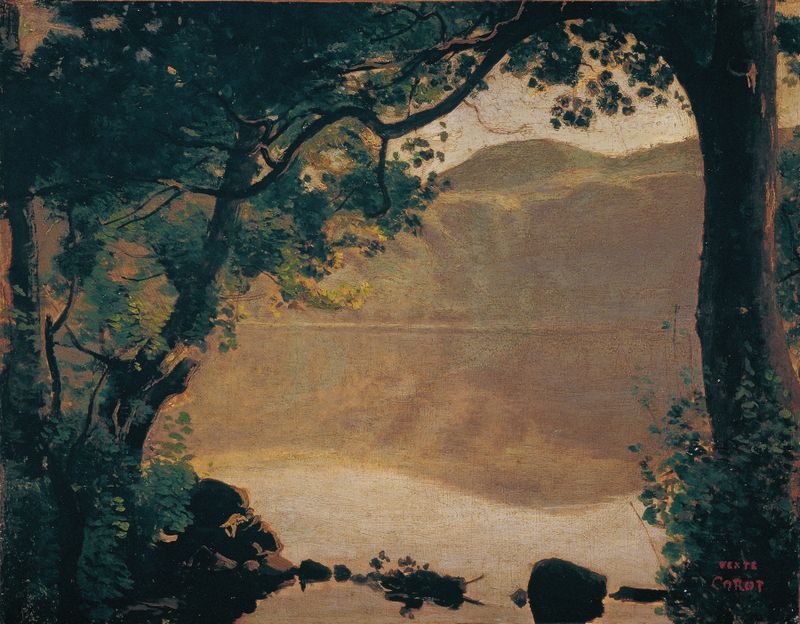
Der Nemisee
Jean-Baptiste-Camille Corot
Les Étangs De Ville D’avray
Jean-Baptiste-Camille Corot
Pond in the Woods
Jean-Baptiste-Camille Corot
Ville D’avray; L’abreuvoir Des Chevaux
Jean-Baptiste-Camille Corot
Le vallon au cavalier
Jean-Baptiste-Camille Corot





