
La Pêcherie à Crozant (Guillaumin) — History & Facts
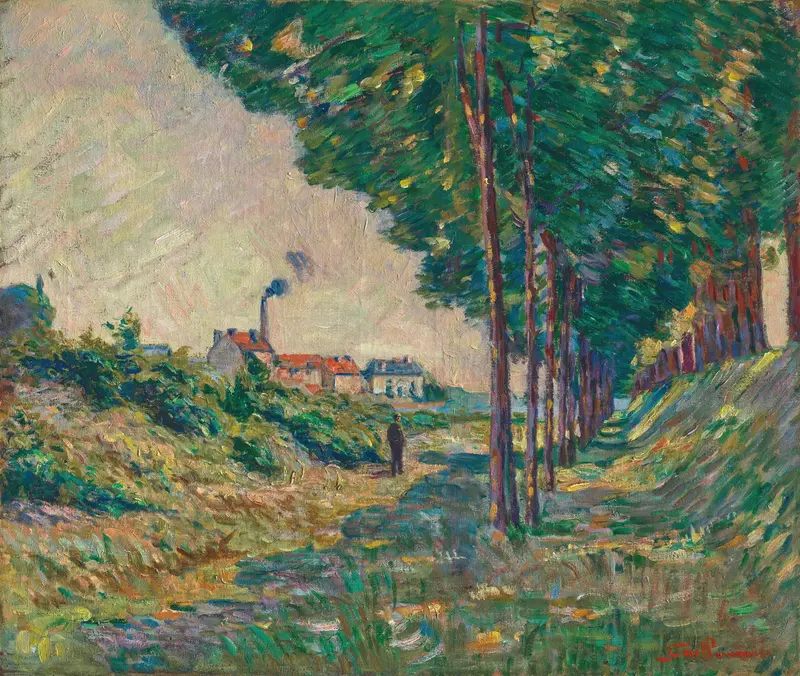
A crooked gate, half-sunk in wild grass, draws your gaze into a world of color that seems to shimmer and breathe. The path, dappled with purples, greens, and sun-washed yellows, winds gently toward distant hills, inviting you to wander deeper into the landscape. Trees, their branches feathered with pinks and oranges, catch the light in a way that feels both fleeting and eternal; the brushwork is loose, almost dancing, as if the wind itself had guided the painter’s hand.
The sky, awash in pastel blues and soft clouds, stretches wide, making the land below feel open and full of possibility. Every stroke pulses with energy, transforming a quiet corner of Crozant into a place where the ordinary becomes luminous. Painted at the turn of the twentieth century, La Pêcherie à Crozant belongs to a moment when artists sought to capture not just the look but the sensation of a landscape. In the hands of Armand Guillaumin, a figure closely tied to the Impressionist and Post-Impressionist circles, color becomes the true subject—applied in bold, expressive swathes that break from tradition.
Works like this were rarely made for grand salons or aristocratic patrons; instead, they spoke to a new audience hungry for modernity and the thrill of seeing the world anew. Now held by the Musée des Beaux-Arts de Rouen, this painting stands as a vivid testament to a time when painters dared to let nature’s light and color lead the way. Look again, and let your eye wander down that path—there is always more to discover.
More Artworks by Armand Guillaumin

La Seine À Charenton
Armand Guillaumin
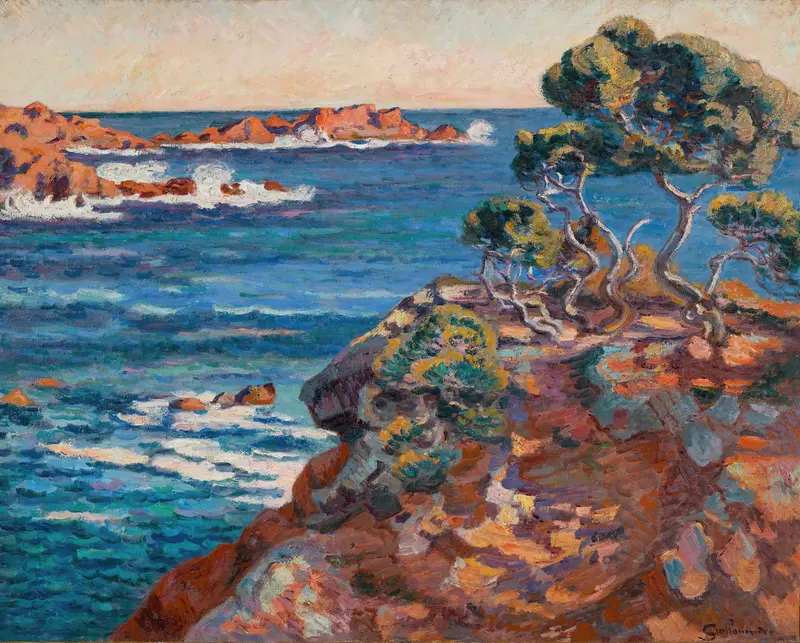
Bord De Mer À Agay
Armand Guillaumin
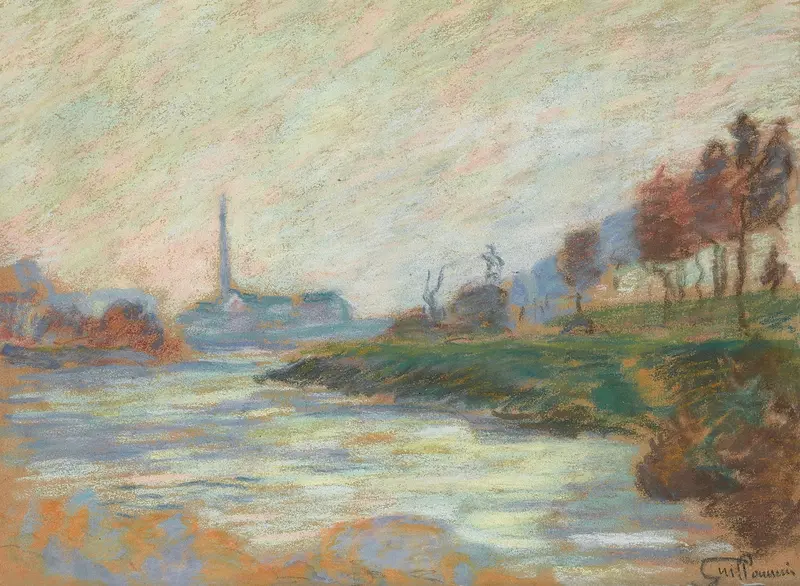
Confluent De La Marne Et De La Seine, Île De La France
Armand Guillaumin
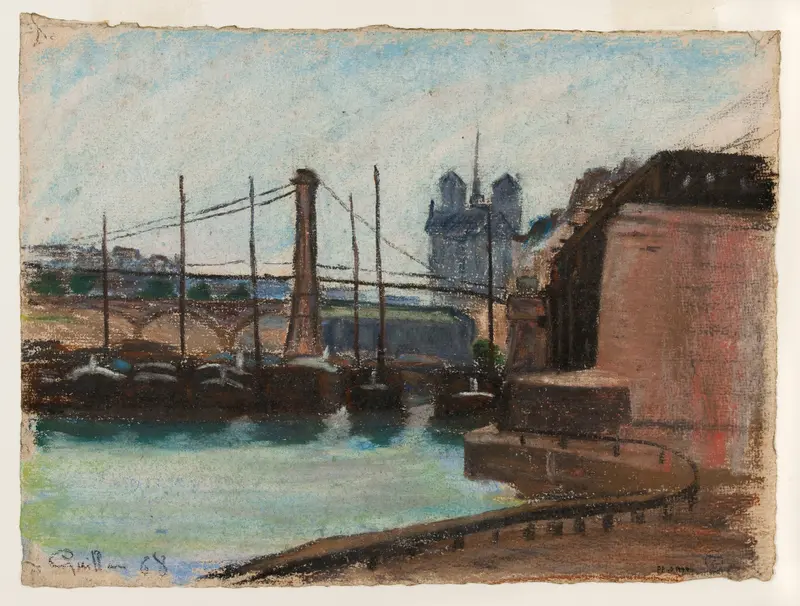
Le Pont d’Austerlitz
Armand Guillaumin
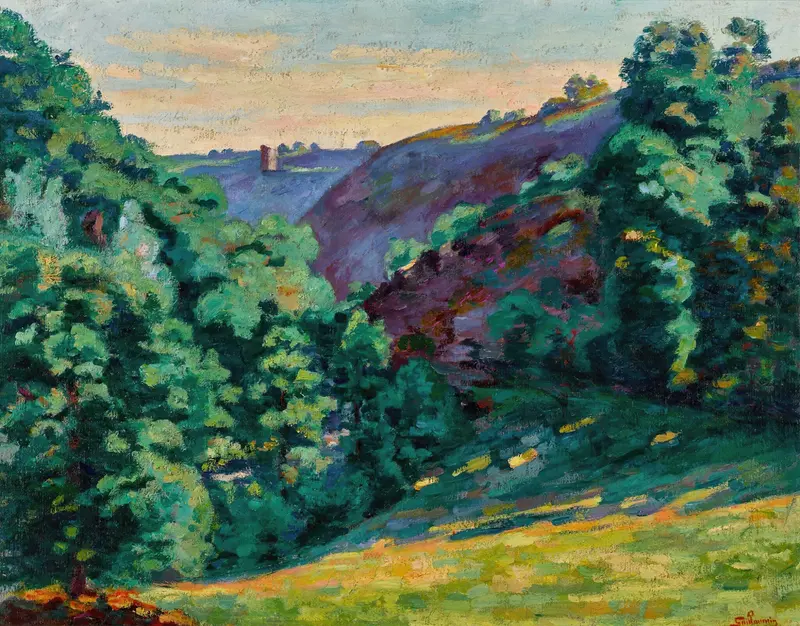
Le Ravin de la folie, vue de Chateau Crozant
Armand Guillaumin
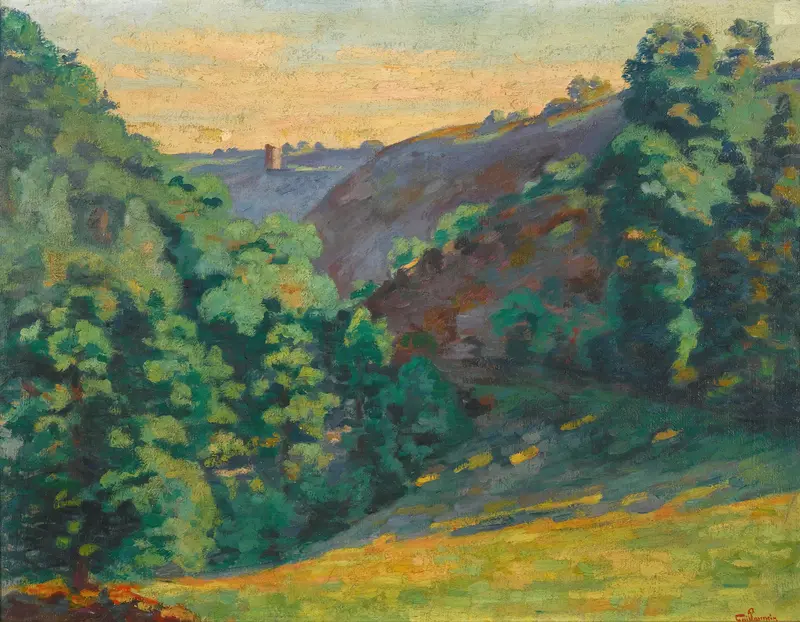
Crozant, Le Ravin De La Sedelle À La Folie
Armand Guillaumin
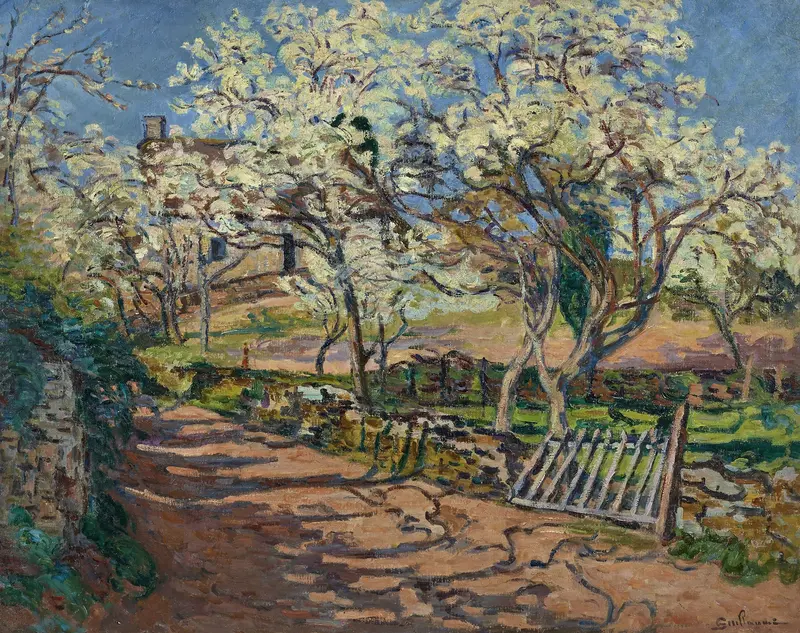
Paysage de Printemps
Armand Guillaumin
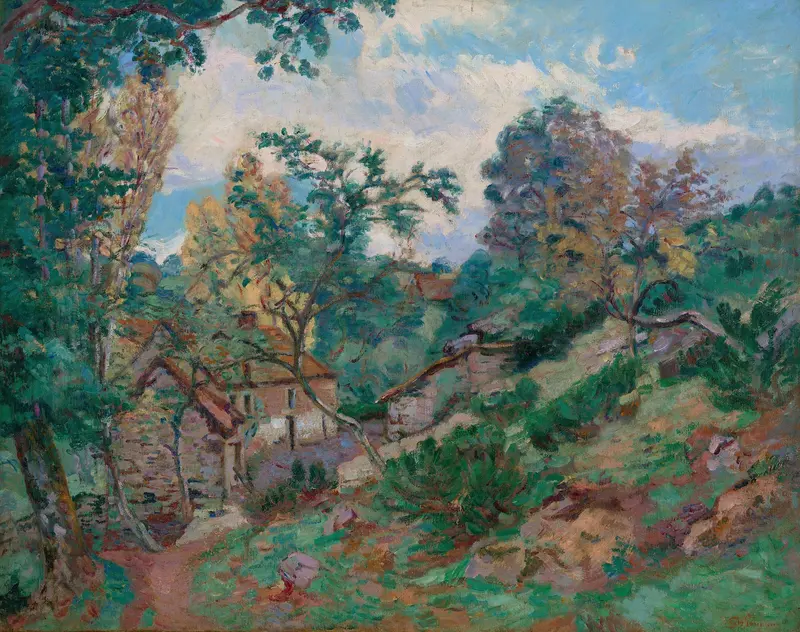
Paysage
Armand Guillaumin
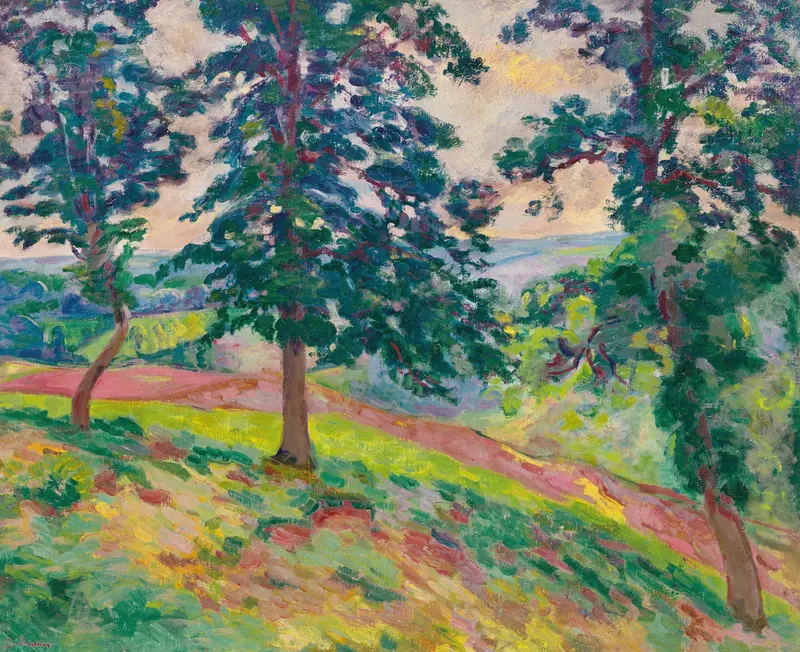
La vallée de la creuse
Armand Guillaumin
Le chemin de halage à Charenton, Ile de France
Armand Guillaumin
More Landscape Art

The Starry Night
Vincent van Gogh

View of Delft
Johannes Vermeer

Water Lilies
Claude Monet

The Grand Canal, Venice, looking north-west from the Ca' Corner to the Ca' Contarini degli Scrigni, with the campanile of Santa Maria della Carità
Canaletto

Windsor Castle
Canaletto

The Grand Canal looking North-East from the Palazzo Dolfin-Manin to the Rialto Bridge
Canaletto