
La Piana — History & Facts
In the serene embrace of nature, divinity whispers through the landscape, revealing the sacred in the ordinary. Look to the center of the canvas, where the undulating hills rise gently beneath a warm, golden sky. The soft, earthy tones of green and brown dance harmoniously, inviting the viewer to lose themselves in this pastoral haven. Notice how the delicate brushstrokes create a textured richness, contrasting with the fluidity of the clouds that drift lazily across the horizon, infusing the scene with a sense of tranquility and eternal grace. Beneath the surface, the artist captures a deeper narrative of solitude and reflection.
The sprawling fields, untouched and expansive, evoke feelings of both refuge and yearning, suggesting a search for connection to a higher power. The absence of figures amplifies the emotional weight, allowing nature itself to become the focal point of contemplation—an altar of sorts where the heart can lay bare its secrets and aspirations. In 1868, Edward Lear painted this piece during a period of personal upheaval and artistic transformation. At this time, he was navigating his own identity as a traveler and naturalist, striving to articulate the beauty of the landscapes he encountered.
His works began to shift from the whimsical to a more profound exploration of nature's spirituality, reflecting broader shifts in the art world towards Romanticism and the appreciation of the sublime in the everyday.
More Artworks by Edward Lear
Browse all →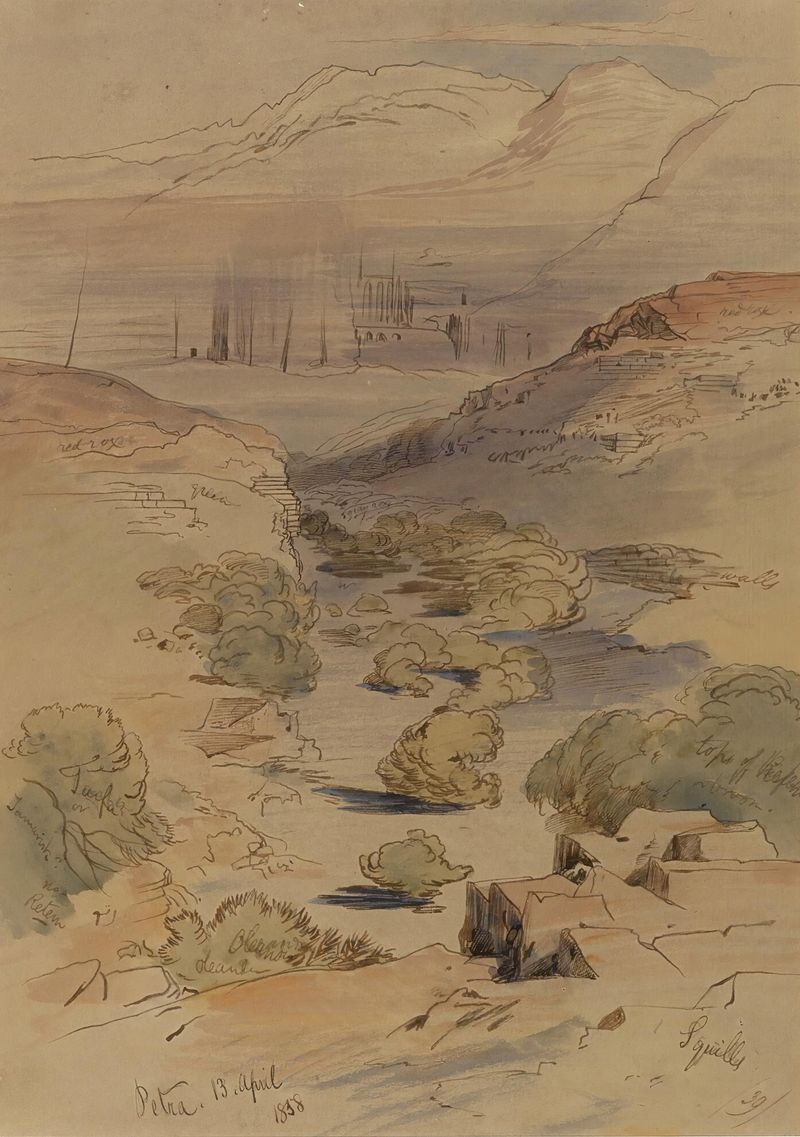
Petra
Edward Lear
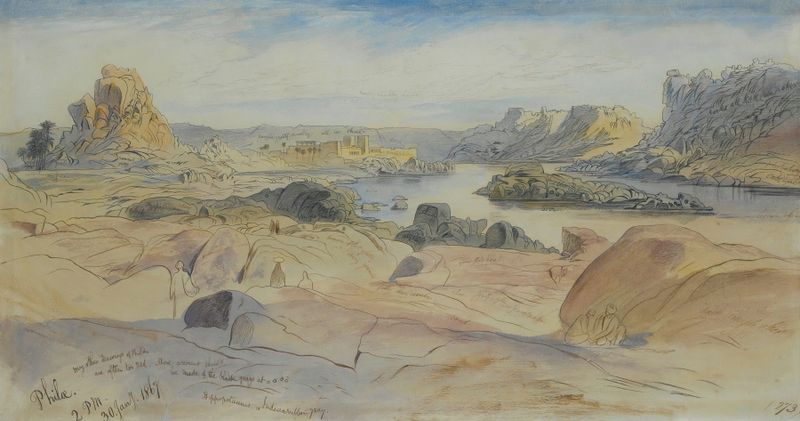
Philae, Egypt
Edward Lear
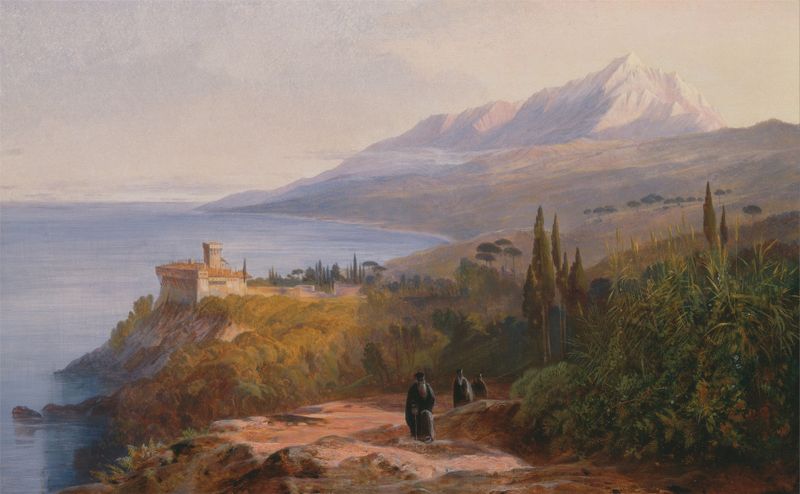
Mount Athos and the Monastery of Stavronikétes
Edward Lear
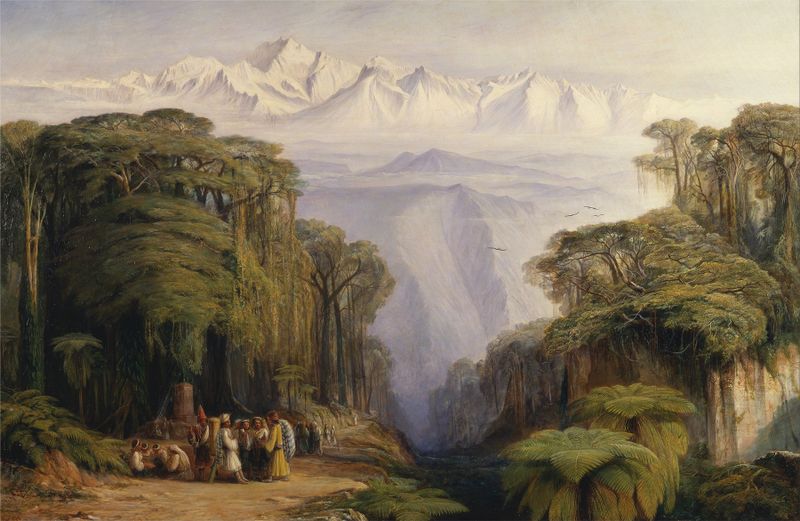
Kangchenjunga from Darjeeling
Edward Lear
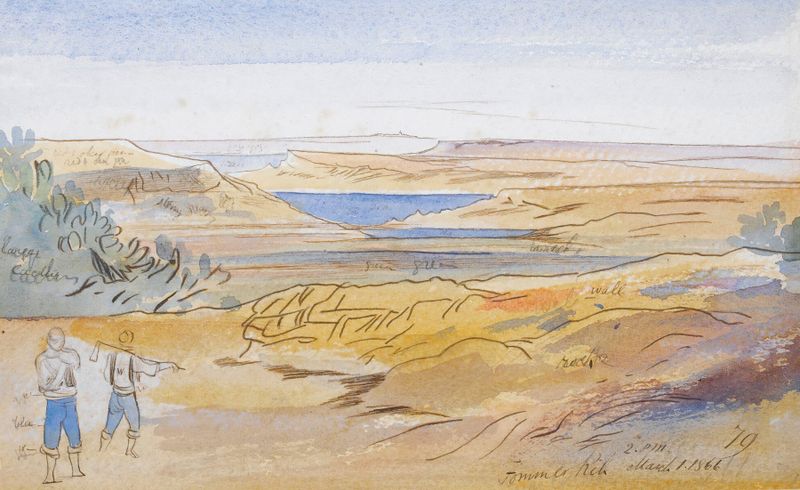
Fomm Ir-Rih, Malta
Edward Lear
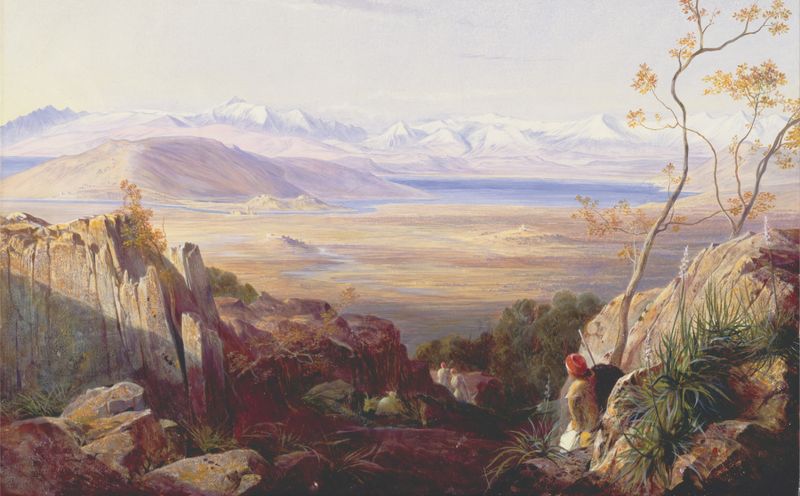
Butrinto, Albania
Edward Lear
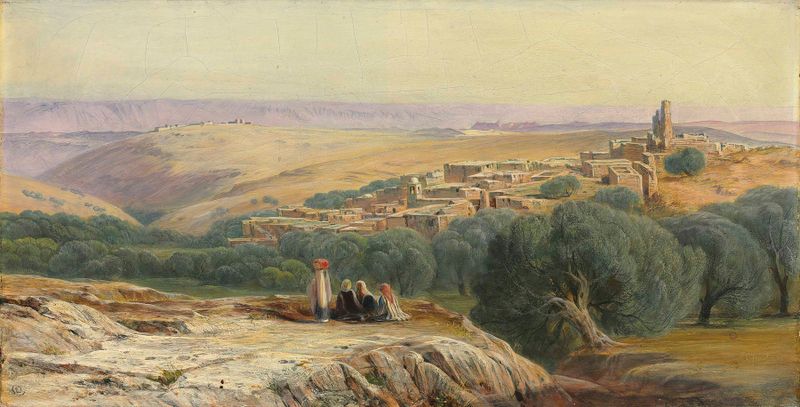
The Plains of Bethany
Edward Lear

Karnak, 9-30 pm, 22 January 1867
Edward Lear
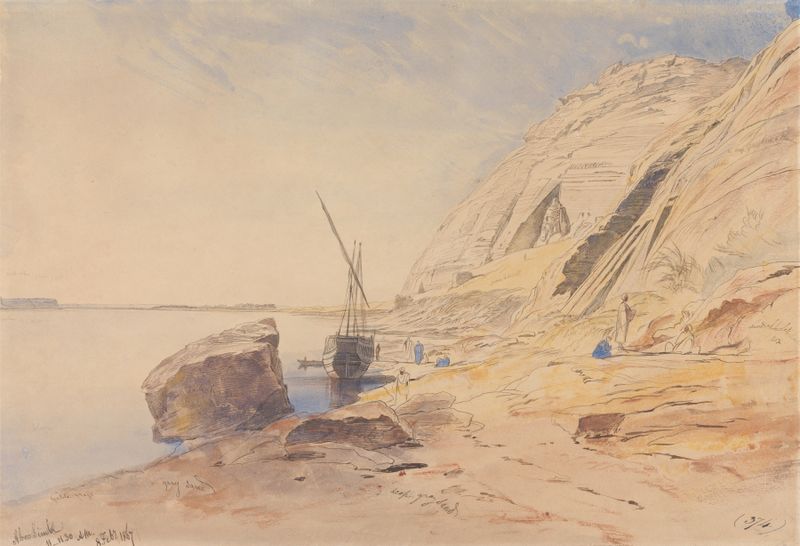
Abu Simbel, 11-11;30 am, 8 February 1867 (374)
Edward Lear

A View Of Mount Athos And The Pantokrator Monastery, Greece
Edward Lear





