
La Place — History & Facts
When did color learn to lie? In a world where hues dance and mingle, nostalgia clings to the edges, beckoning us to remember what once was. Look to the center of the canvas, where a bustling square vibrates with life. Notice how the warm yellows and soft blues swirl together, creating a harmonious interplay that draws you in. The brushwork is both loose and deliberate, imbuing the scene with a sense of movement, while the vibrant colors evoke the warmth of a sun-drenched afternoon.
Here, light spills across the cobblestones, illuminating the figures as they navigate their everyday lives, each one a whisper of a story untold. As you delve deeper, consider the contrast between the shadowy corners and the sunlit areas. The figures, though engaged in their routines, seem enveloped in an air of solitude, underscoring a poignant tension between connection and isolation. The vibrant color palette evokes a sense of longing, as if Marquet captured not just a place, but a fleeting moment in time, inviting the viewer to reflect on the essence of memory itself. Created in the early 20th century, this piece reflects Marquet's explorations during a transformative era in Parisian art.
At that time, vibrant palettes and a focus on light defined the Fauvist movement. Amidst personal struggles and a shifting art landscape, the artist sought to express the beauty of everyday life, capturing the essence of a place that resonates with nostalgia and warmth.
More Artworks by Albert Marquet
Browse all →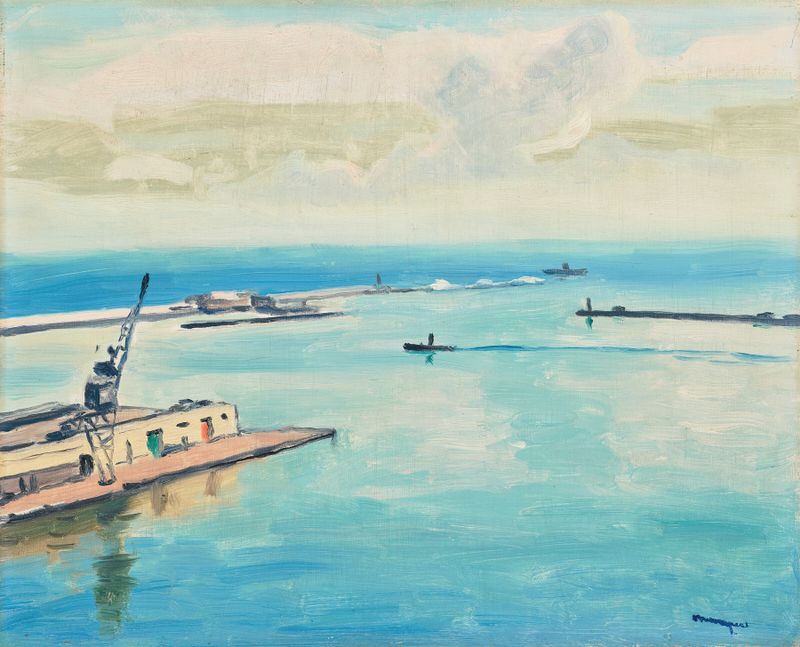
Le Port d’Alger
Albert Marquet
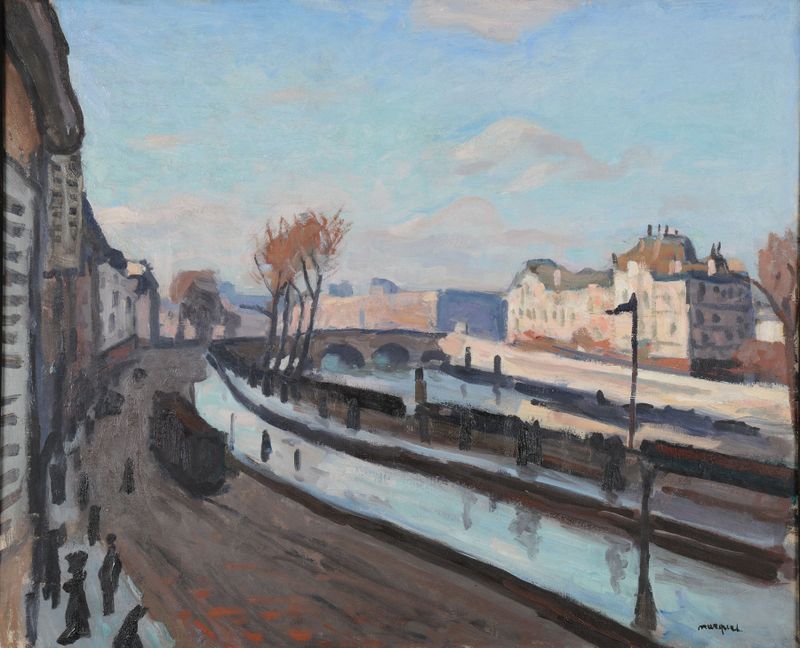
Le quai des Grands Augustins
Albert Marquet
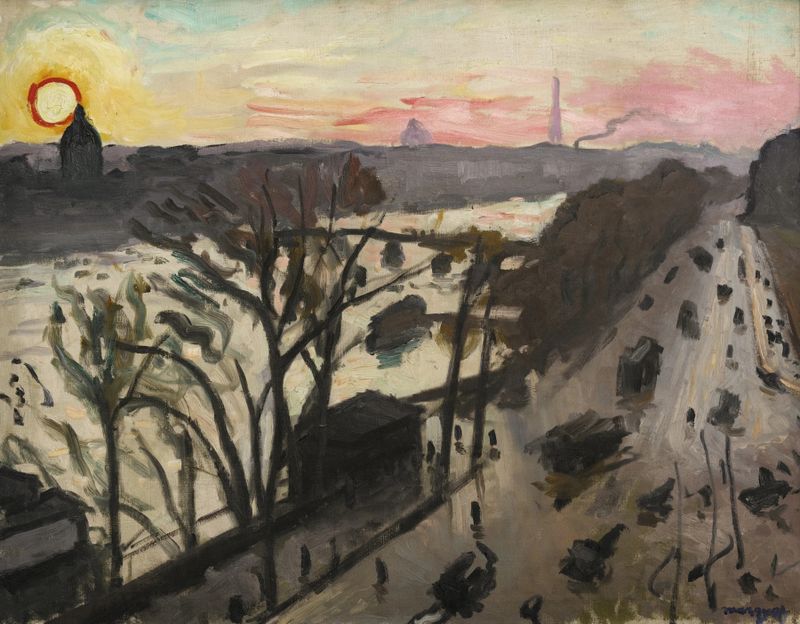
Paris, quai du Louvre, soleil d’hiver
Albert Marquet
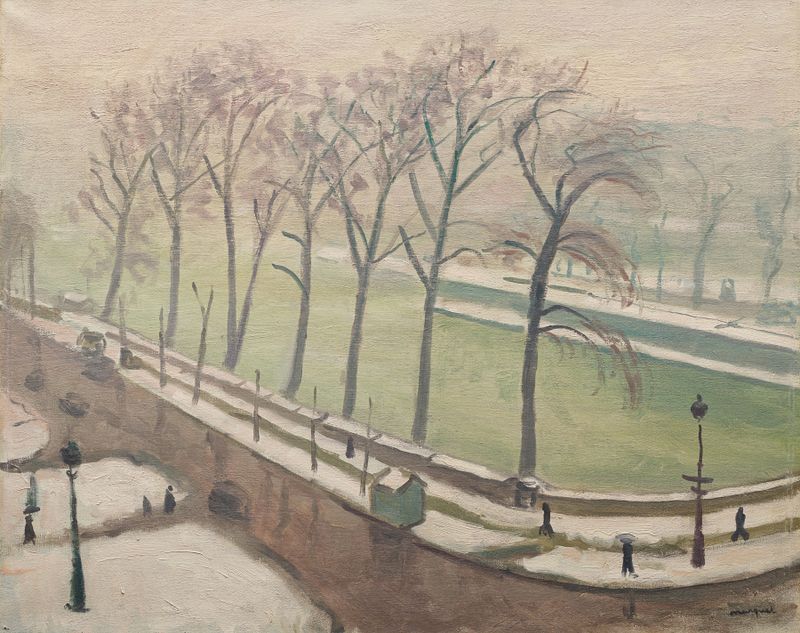
Pont-Neuf sous la neige
Albert Marquet
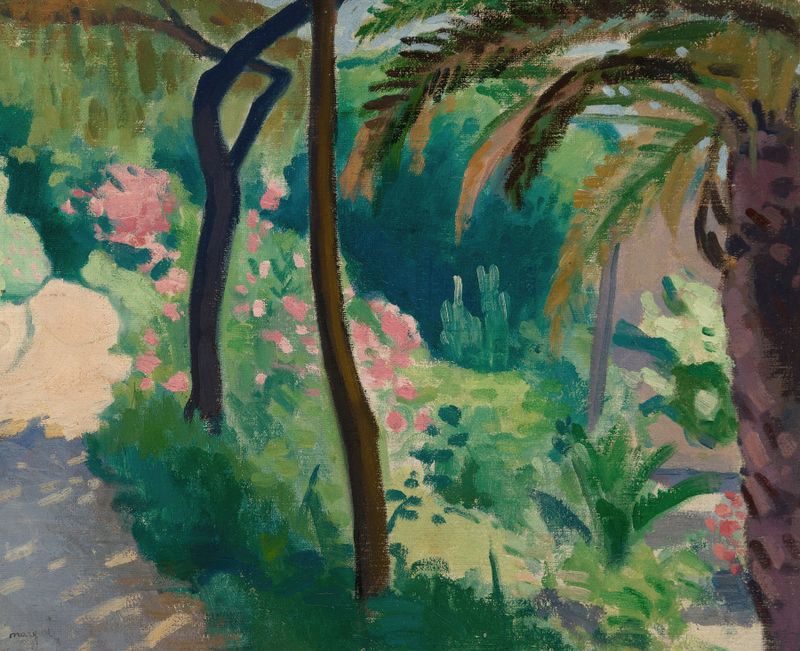
Le jardin à l’Estaque
Albert Marquet
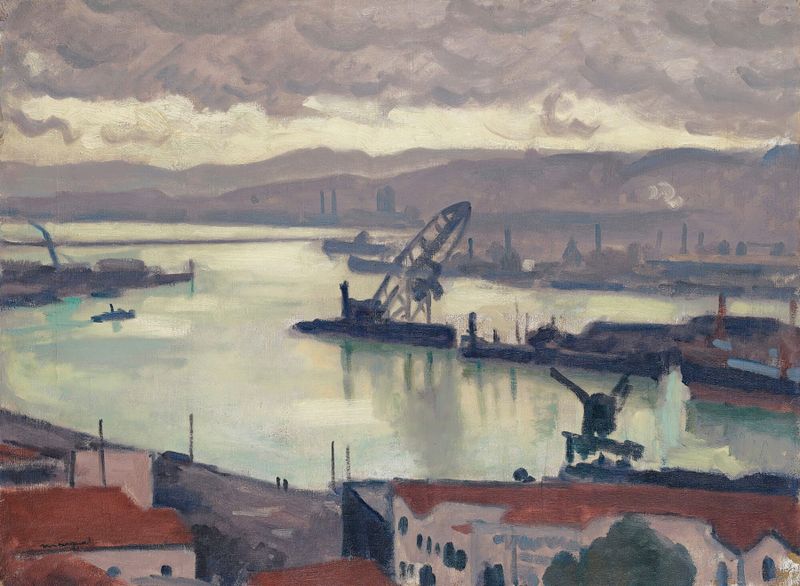
Alger, Temps Gris
Albert Marquet
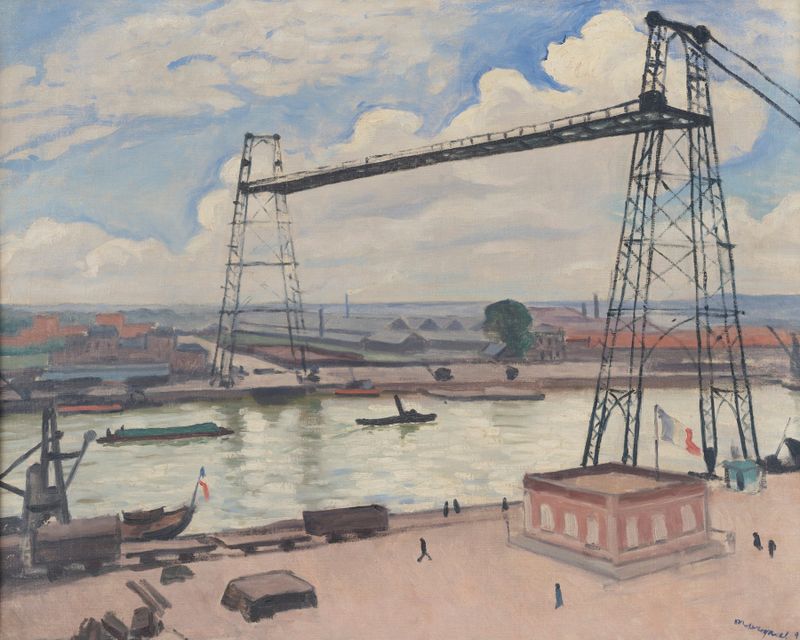
Rouen, le pont transbordeur
Albert Marquet
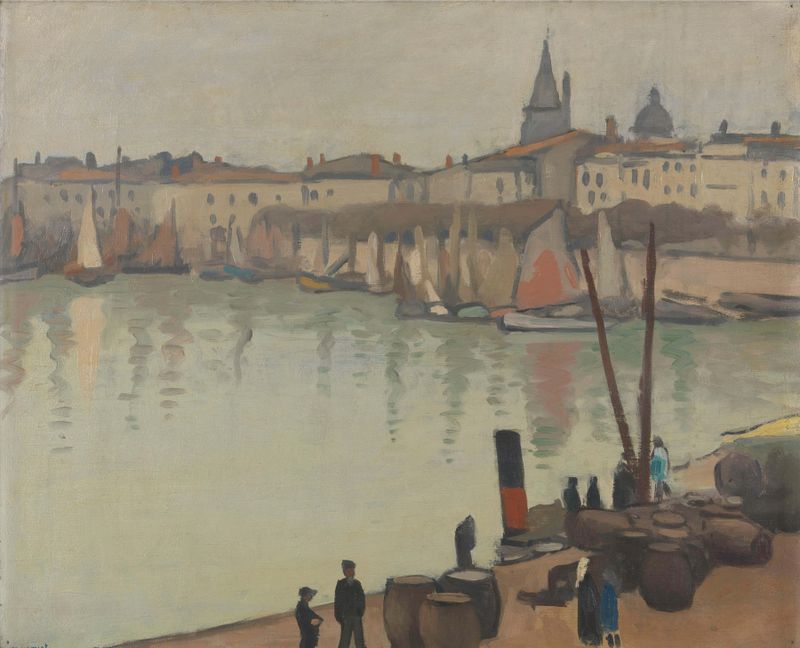
Port of La Rochelle
Albert Marquet

Berge de la Seine à Méricourt
Albert Marquet
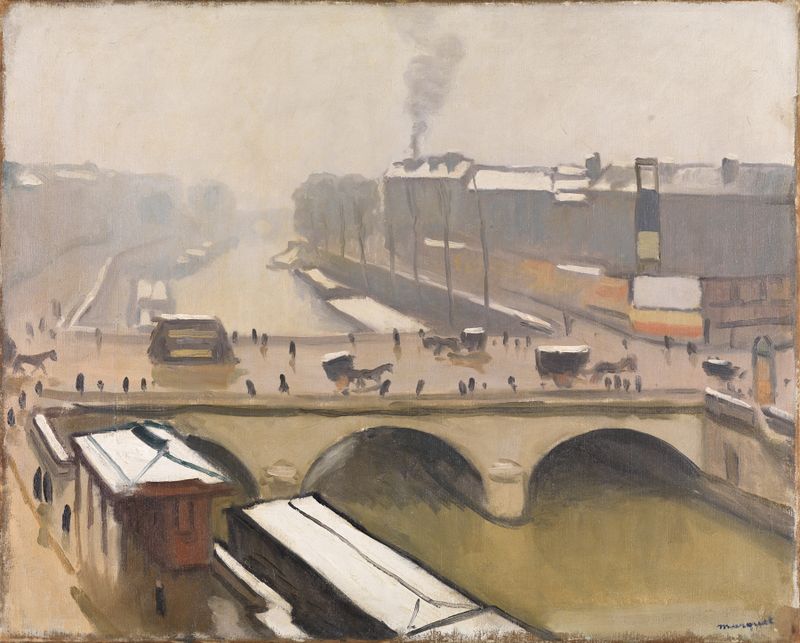
View of the Pont Saint-Michel in Paris
Albert Marquet





