La Pointe du Petit Ailly — History & Facts
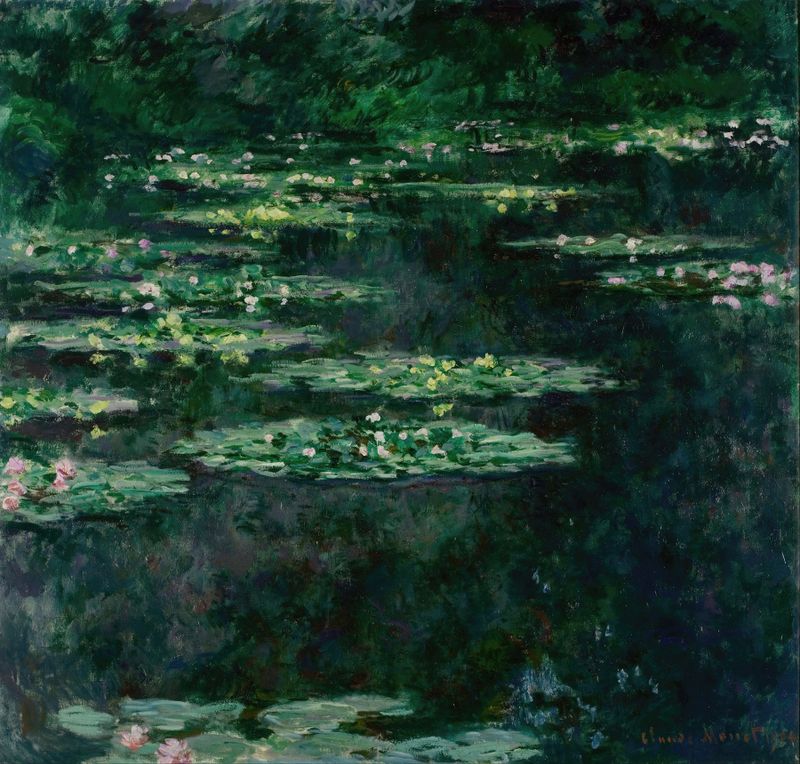
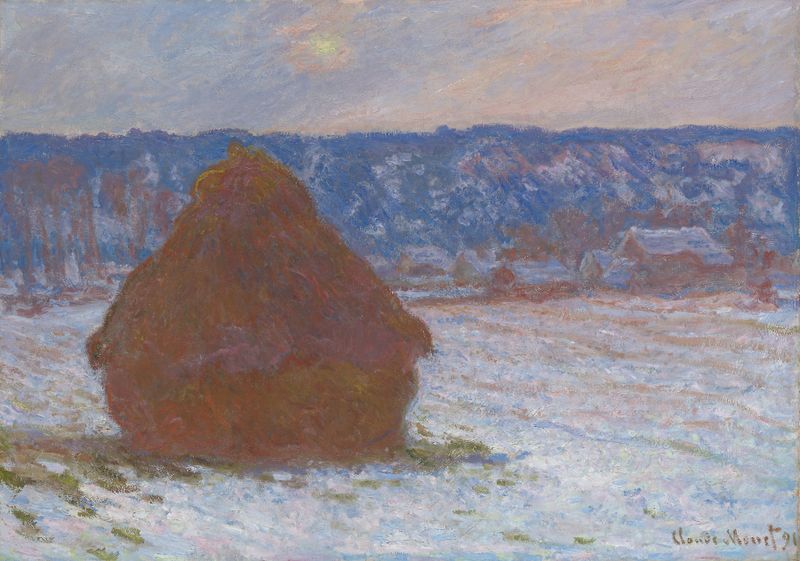
In the quiet embrace of nature, awe unfolds in layers of color, light, and emotion, inviting us to explore the depths of the artist's vision. Look to the left at the delicate interplay of blues and greens that render the coastal scene alive with movement. The brushstrokes dance across the surface, creating a sense of rhythm reminiscent of waves crashing against the shore. Notice how the soft light bathes the cliffs in a gentle glow, enhancing the textures of the rocky formations, while the sky's subtle gradients evoke a fleeting moment in time. Yet, beneath this serene façade lies an intricate balance of contrast and harmony.
The vibrant vegetation flourishes at the edge of the water, hinting at the vigor of life, while the towering cliffs, though majestic, loom with an air of permanence, suggesting the passage of time. The interplay of light and shadow reveals the artist's deep understanding of nature's duality — both fragile and enduring, inviting contemplation about our own existence within this vast landscape. In 1897, Monet painted this masterpiece while living in France, drawing inspiration from the rugged coastline of Normandy. At this time, he was increasingly focused on capturing the ephemeral qualities of light and atmosphere, solidifying his status as a leader in the Impressionist movement.
The world of art was evolving rapidly, and Monet's innovative approach reflected the growing desire to express nature's transient beauty on canvas.