
La Pompe de la Samaritaine, le Pont-Neuf et l’île de la Cité, le quai de Conti, vus du quai du Louvre — History & Facts
In La Pompe de la Samaritaine, le Pont-Neuf et l’île de la Cité, le quai de Conti, vus du quai du Louvre, the viewer is invited into a world that bridges the past with the present, where the essence of Paris breathes through the canvas. Look to the left, where the iconic Pont-Neuf stretches gracefully across the Seine, its arches a testament to the architectural ingenuity of the time. The river glimmers under a soft, diffused light that dances on its surface, creating a shimmering pathway. Notice how the palette of muted blues and warm earth tones harmonizes, drawing your gaze towards the bustling quay adorned with figures, each meticulously painted to evoke life and movement amid the serene backdrop of the city’s historic architecture. Delve deeper into the scene, and you’ll discover the interplay of light and shadow, which not only defines the physical landscape but also hints at the ebb and flow of human experience.
The figures engaging in daily activities reflect a society in transition, evoking feelings of nostalgia and anticipation. The contrasts between the robust structures and the delicate figures reveal a subtle commentary on the relationship between man and the enduring environment surrounding him. In 1771, Nicolas Jean-Baptiste Raguenet was deeply rooted in the artistic developments of Paris. The city was a vibrant hub for Enlightenment thought, and the artist's choice to depict such a vivid and bustling landscape underscores his desire to capture the unfolding narrative of urban life.
This period saw a shift towards more realistic and intimate portrayals of everyday scenes, an evolution that Raguenet embraced in his work, contributing to a growing appreciation for the beauty of ordinary moments.
More Artworks by Nicolas Jean-Baptiste Raguenet
Browse all →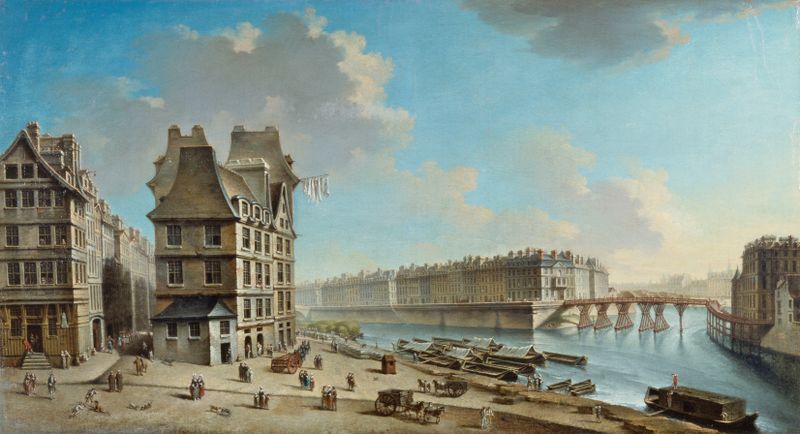
La Grève, l’Ile Saint-Louis et le Pont Rouge, vus de la place de la Grève
Nicolas Jean-Baptiste Raguenet
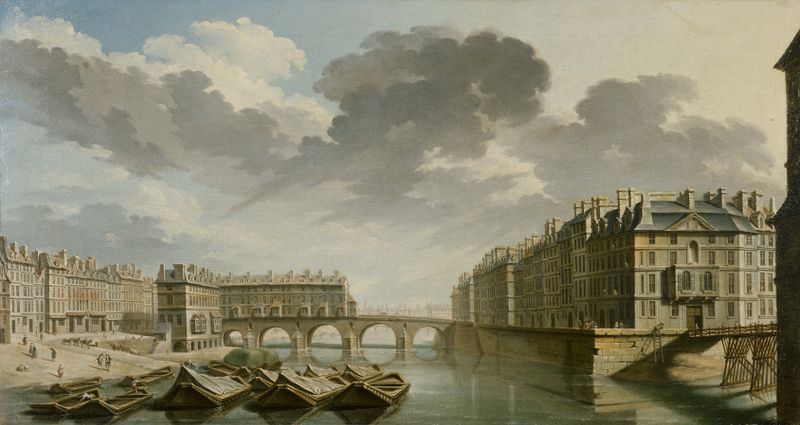
Le Quai des Ormes (actuel quai de l’Hôtel de Ville), le pont Marie et l’île Saint-Louis
Nicolas Jean-Baptiste Raguenet

Le Palais des Tuileries, vu du quai d’Orsay
Nicolas Jean-Baptiste Raguenet
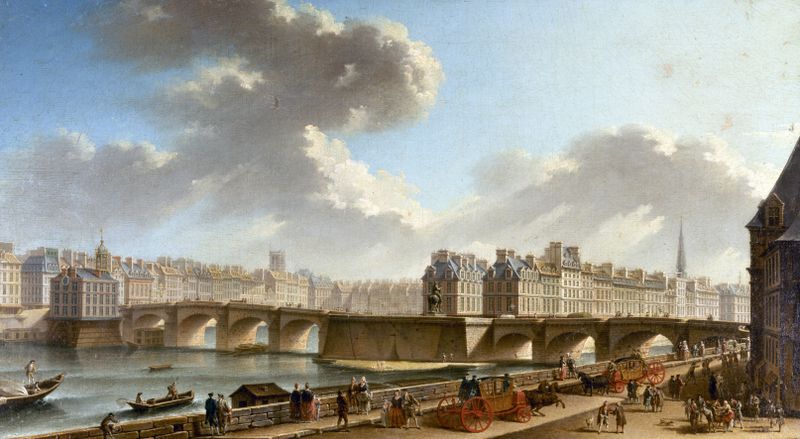
Le Pont-Neuf Et La Cité, Vus Du Quai De Conti
Nicolas Jean-Baptiste Raguenet
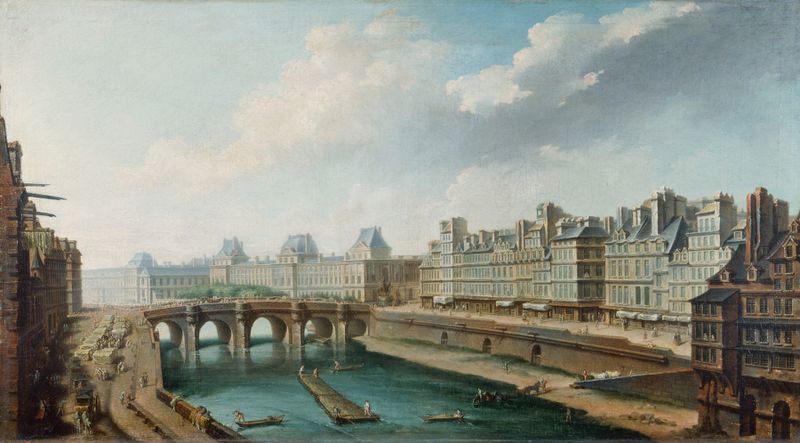
Le Louvre, le Pont-Neuf et le quai des Orfèvres, vus du quai des Grands-Augustins
Nicolas Jean-Baptiste Raguenet
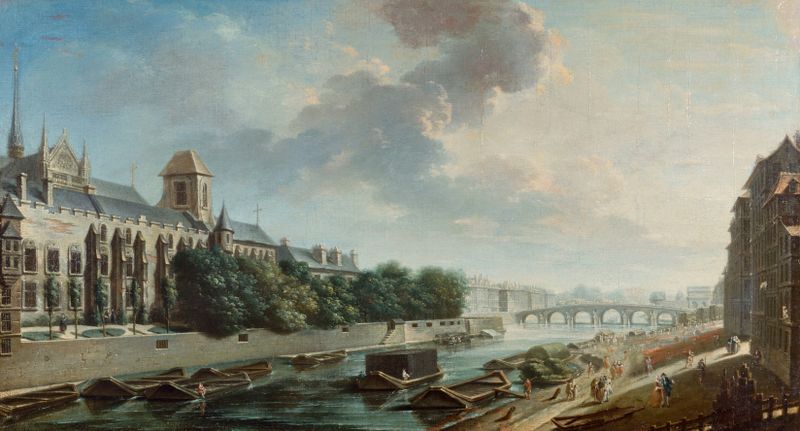
Le Palais de l’archevêché, vue de la rive gauche
Nicolas Jean-Baptiste Raguenet
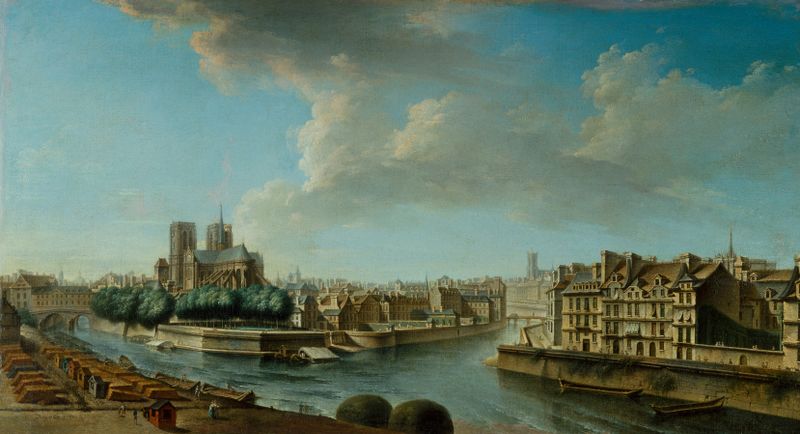
Le Chevet de Notre-Dame et la Pointe occidentale de l’Ile Saint-Louis
Nicolas Jean-Baptiste Raguenet
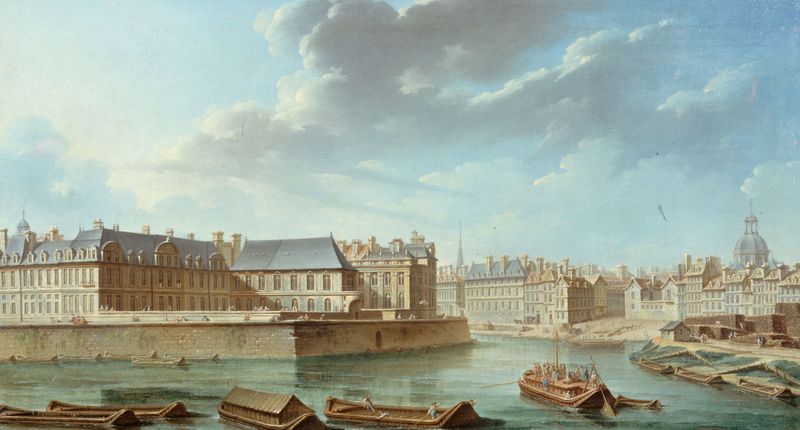
La Pointe orientale de l’île Saint-Louis, avec l’hôtel de Bretonvilliers et l’hôtel Lambert
Nicolas Jean-Baptiste Raguenet
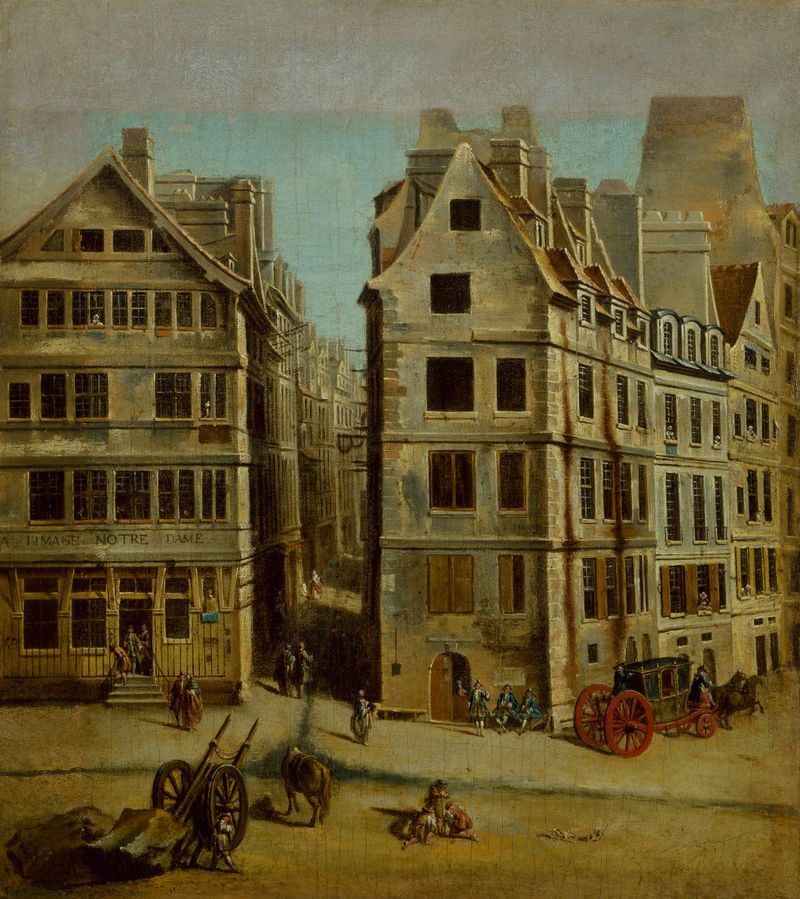
Le cabaret l’Image Notre-Dame, place de Grève, actuelle place de l’Hôtel de Ville
Nicolas Jean-Baptiste Raguenet

La joute des mariniers, entre le pont Notre-Dame et le pont au Change
Nicolas Jean-Baptiste Raguenet





