
La porte charretière — History & Facts
Beneath the serene surface of a painted scene, the echoes of conflict linger, revealing the tumultuous emotions of an era marked by violence. Look to the left at the dilapidated archway, where weathered stones tell stories of time and turmoil. The artist’s palette, dominated by muted earth tones, evokes a sense of sadness that permeates the composition. Notice how the light filters through the opening, illuminating fragments of the past while casting shadows that suggest the weight of forgotten struggles.
The juxtaposition of the arch's solidity against the frail, flickering presence of nearby figures hints at the fragility of peace amidst unrest. Delve deeper into the small yet impactful details; the faint traces of blood-red hue suggest conflict, while the figures, depicted with an almost haunting stillness, convey a spectrum of emotions — loss, longing, and the hope of renewal. The sense of movement is less about action and more about the stillness that follows disruption, creating an emotional tension that resonates with anyone who has felt the aftershocks of violence. This painting captures not merely a location but a moment of reflection on the scars left behind. In 1914, while the world teetered on the brink of the Great War, the artist found himself in Belgium, witnessing the unfolding chaos.
Apol’s work reflects the societal unrest surrounding him, as the art world grappled with modernism's rise amidst traditional forms. This piece stands as a testament to a transformative moment in history, capturing the uneasy balance between beauty and devastation.
More Artworks by Armand Apol
Browse all →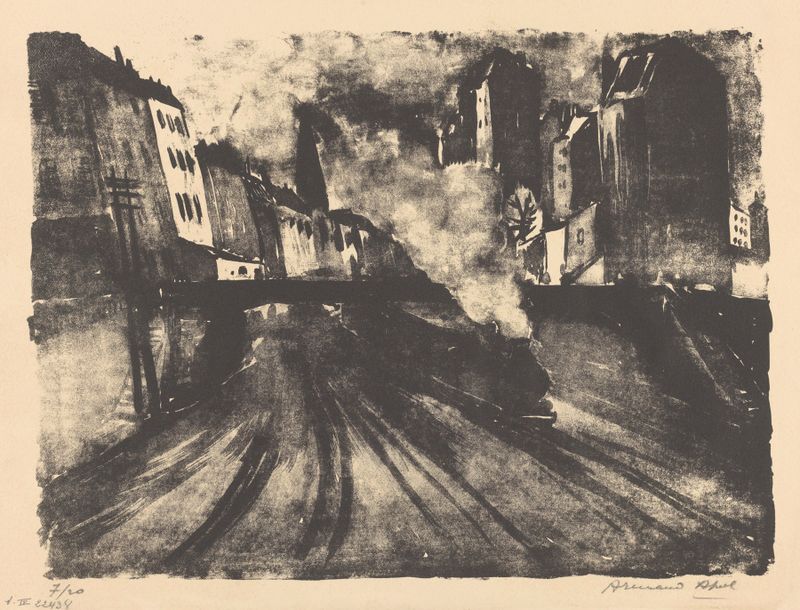
Chemin de fer de ceinture à Paris
Armand Apol
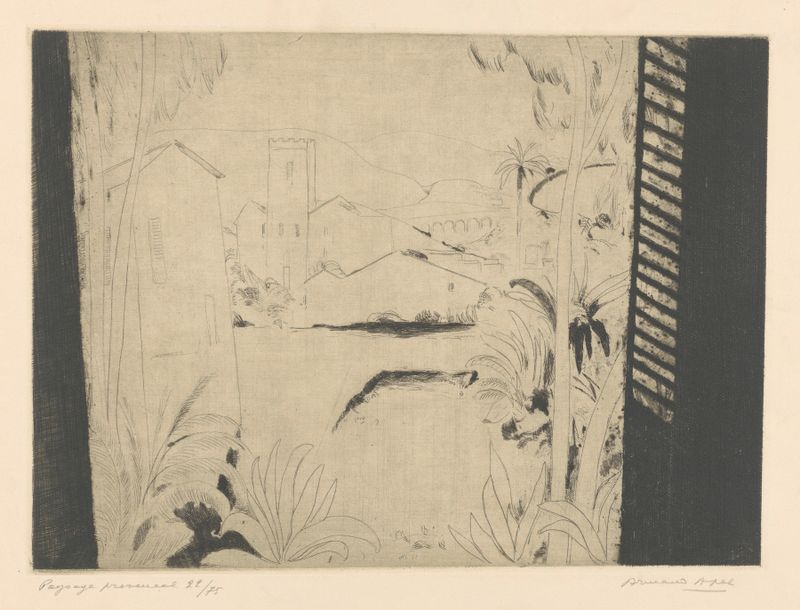
Paysage provençal
Armand Apol
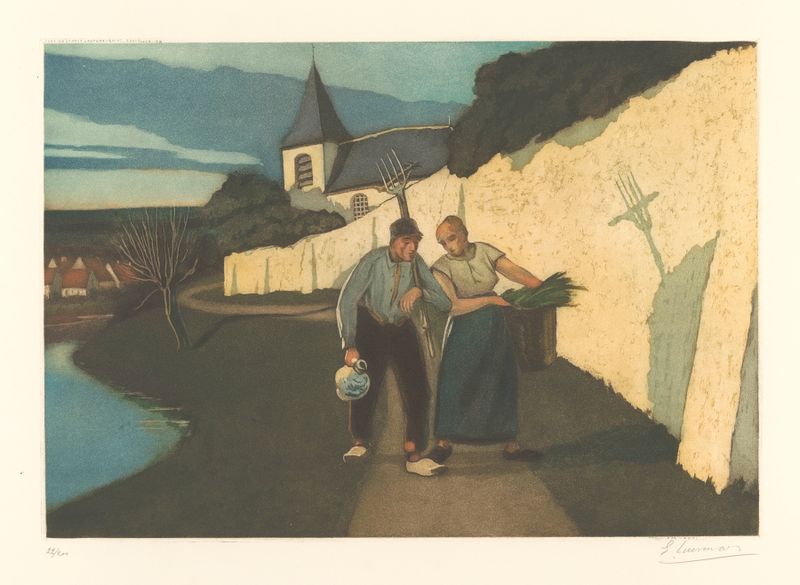
Retour des champs
Armand Apol
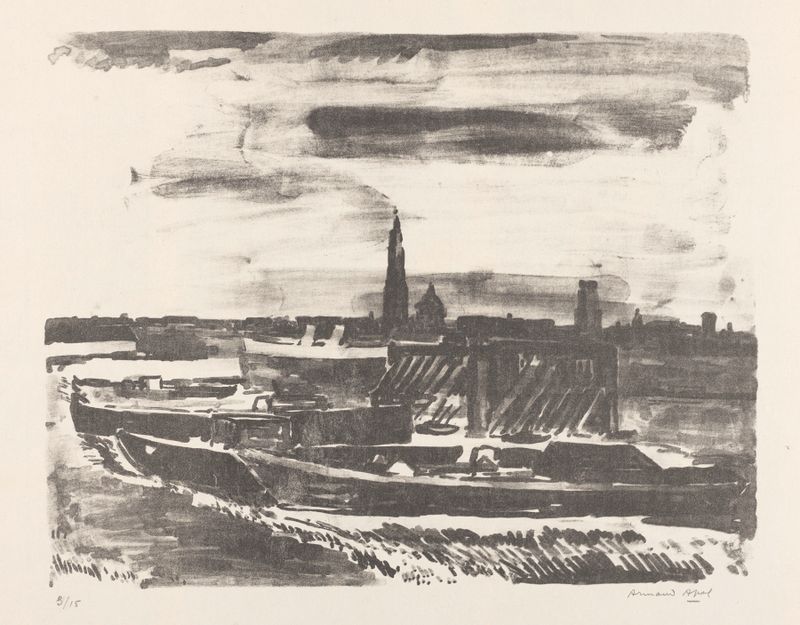
Bateaux à quai à Anvers
Armand Apol
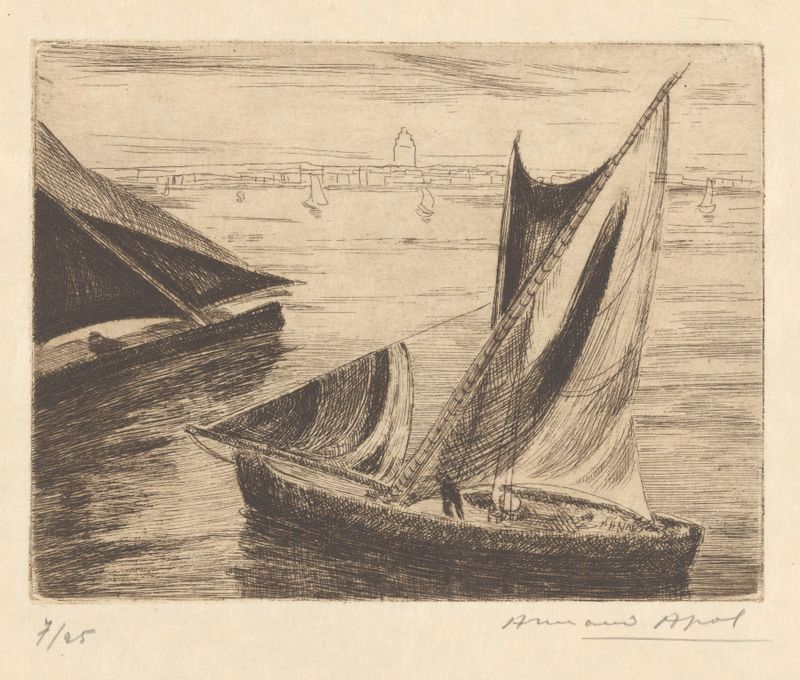
Marseille. Tartanes
Armand Apol
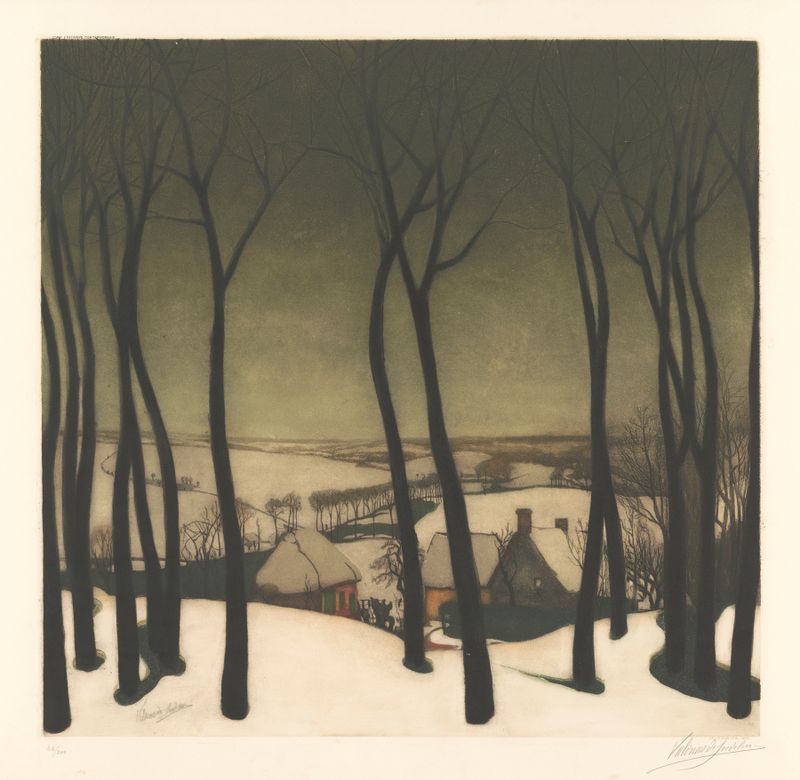
Paysage
Armand Apol
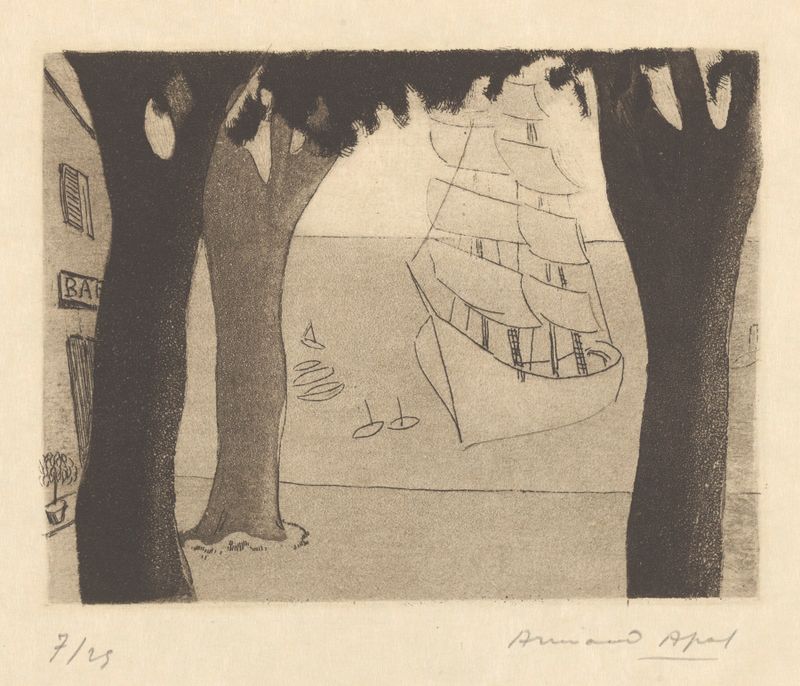
Cassis. Vue sur le port
Armand Apol
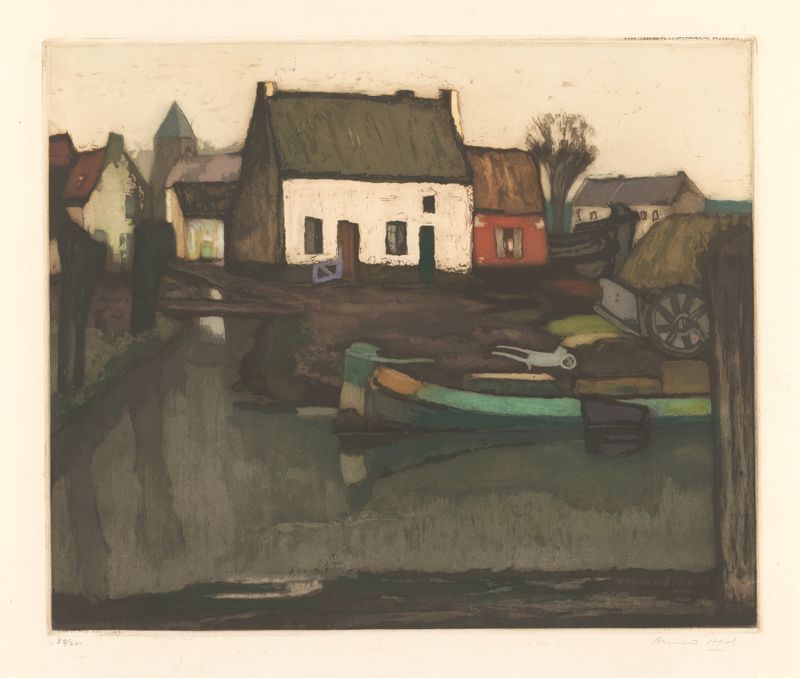
Bord du canal
Armand Apol
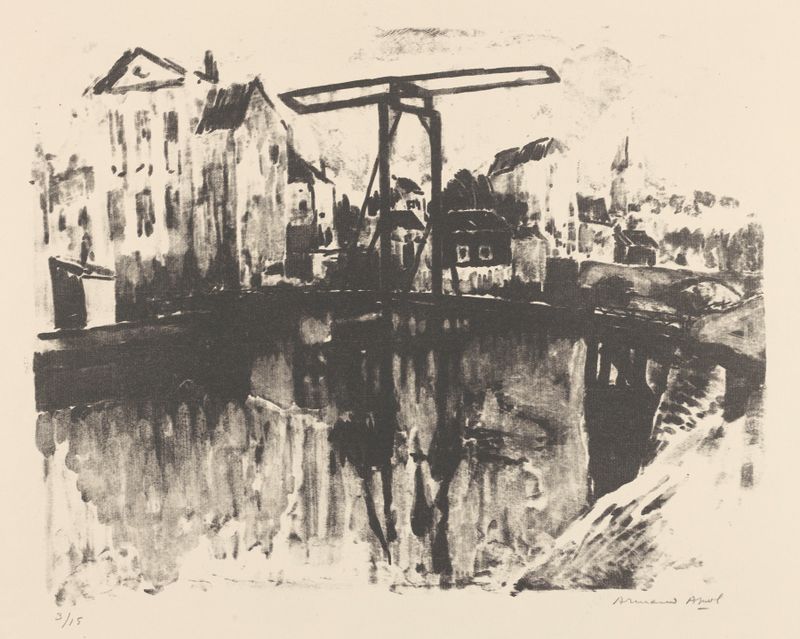
Pont basculant dans une ville
Armand Apol
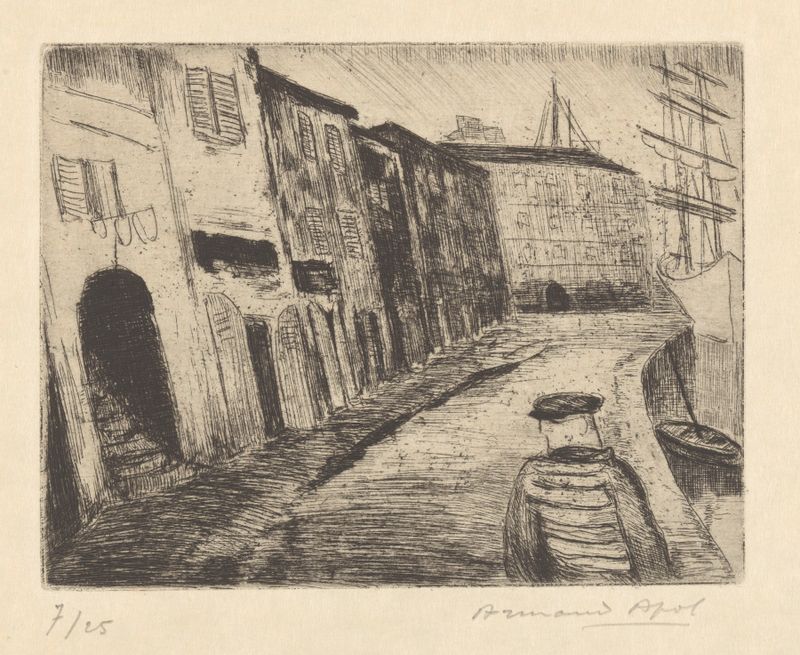
Marseille. Quai
Armand Apol
More Architecture Art
Browse all →
The statue of Liberty
Frédéric Auguste Bartholdi

View of Houses in Delft, Known as ‘The Little Street’
Johannes Vermeer

View of Houses in Delft, Known as ‘The Little Street’
Johannes Vermeer

The Cathedral in Rouen. The portal, Grey Weather
Claude Monet

The yellow house
Vincent van Gogh

The Church in Auvers-sur-Oise, View from the Chevet
Vincent van Gogh