
Retour des champs — History & Facts
In the stillness of memory, echoes of the past cultivate a haunting nostalgia, lingering in the air of forgotten fields and unspoken stories. Focus on the gentle hues that envelop the canvas, guiding your eyes through the tranquil landscape. The muted greens and browns intertwine seamlessly, reflecting the earth's rich essence. Notice how the light, dappled and soft, caresses the outlines of the fields, casting delicate shadows that dance between the blades of grass.
Each brushstroke tells a story of labor, connection, and the passage of time, inviting the viewer to pause and reflect. As you delve deeper, consider the contrasting elements at play. The serene depiction of the fields juxtaposes the weight of labor and the unvoiced yearning for simpler days. The subtle hints of weathered tools and distant figures suggest both toil and camaraderie, evoking a bittersweet longing for a shared past.
These intricacies reveal an emotional landscape as vivid and textured as the earth itself, urging us to confront what we may have lost. In the 20th century, Armand Apol painted this piece during a period marked by rapid industrial change. Residing in France, he sought to capture the soul of rural life amid the encroaching modernity. This painting reflects his commitment to preserving the essence of agrarian existence, a testament to the beauty and fragility of tradition at a time when it faced relentless transformation.
More Artworks by Armand Apol
Browse all →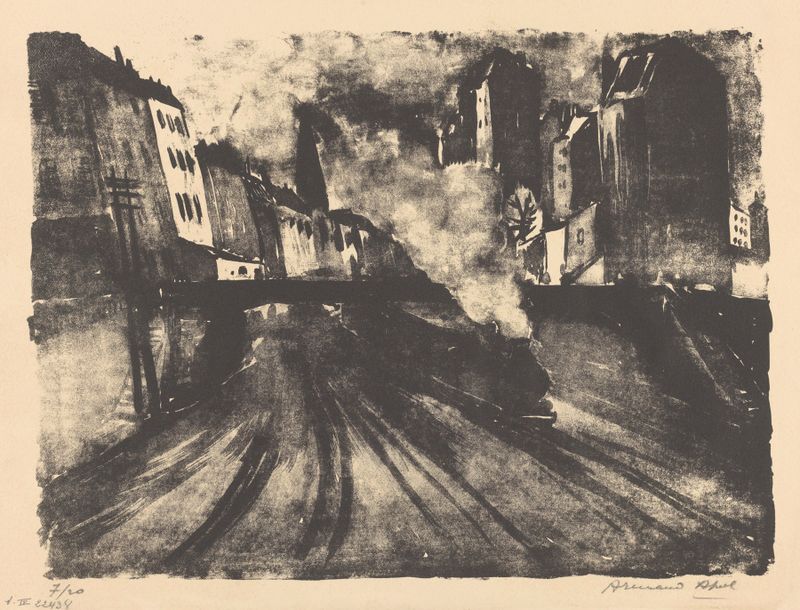
Chemin de fer de ceinture à Paris
Armand Apol
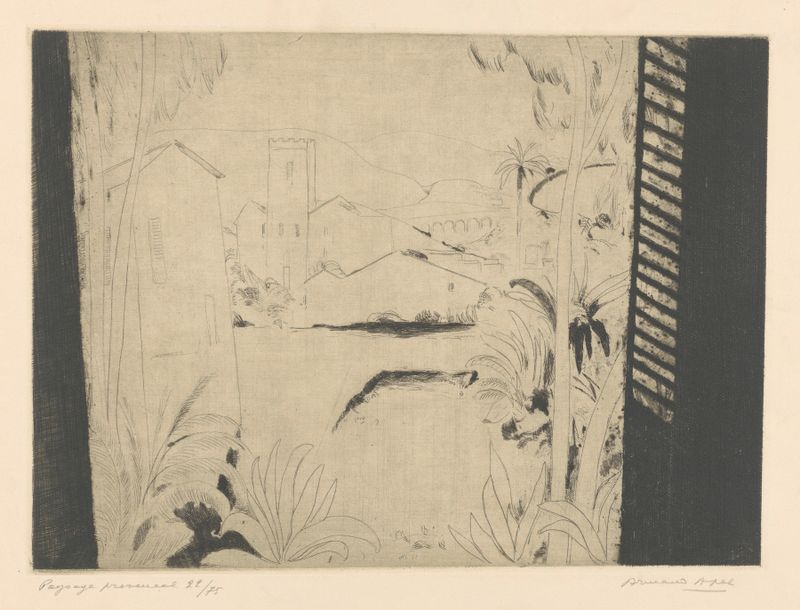
Paysage provençal
Armand Apol
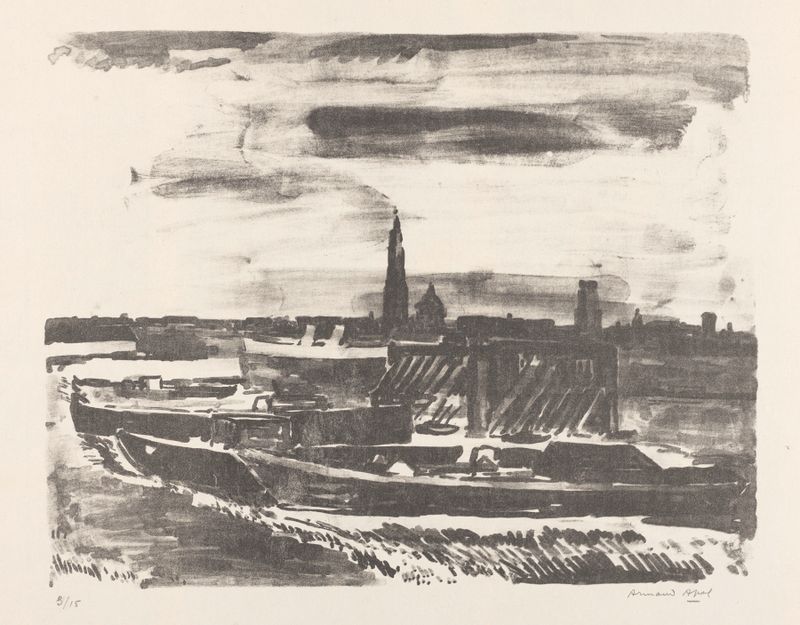
Bateaux à quai à Anvers
Armand Apol
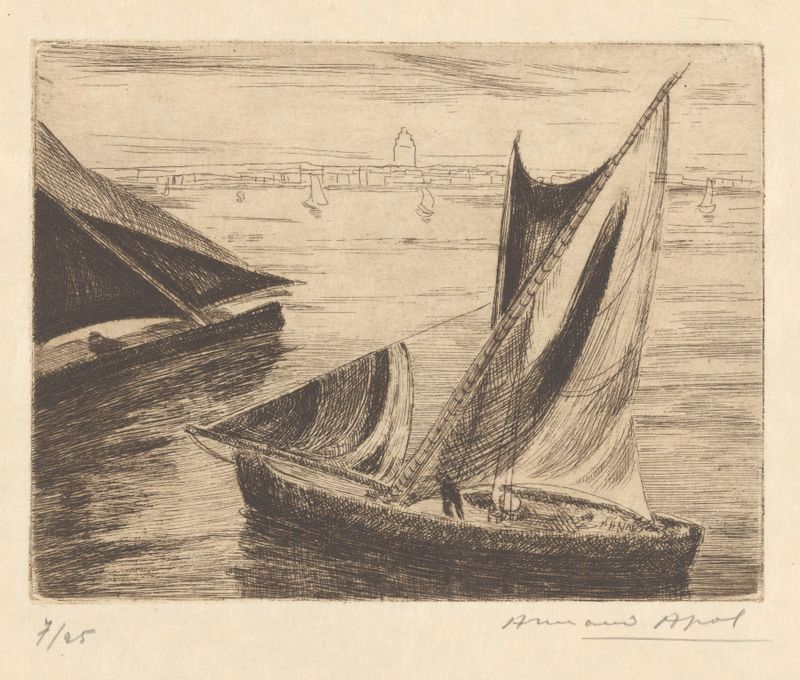
Marseille. Tartanes
Armand Apol
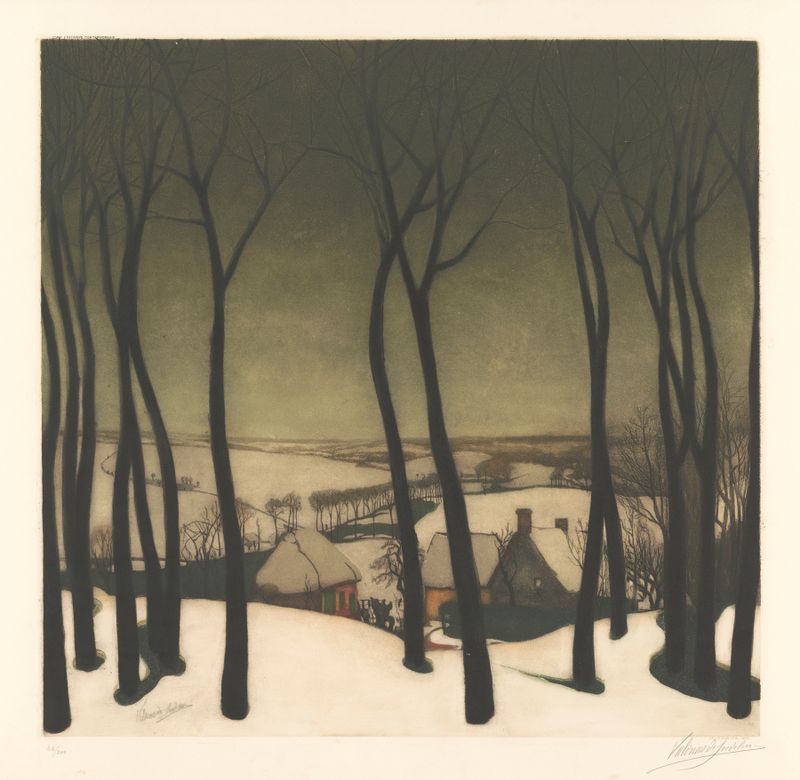
Paysage
Armand Apol
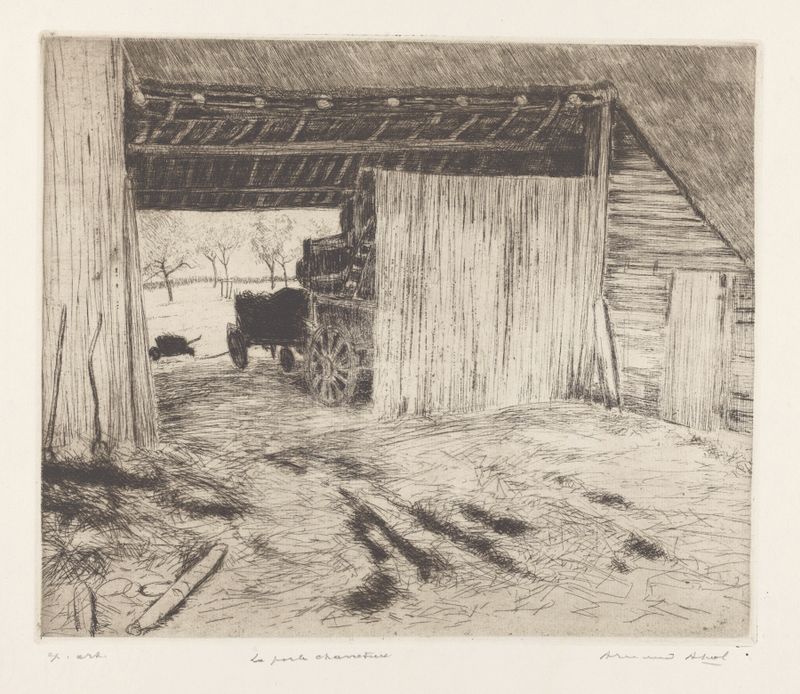
La porte charretière
Armand Apol
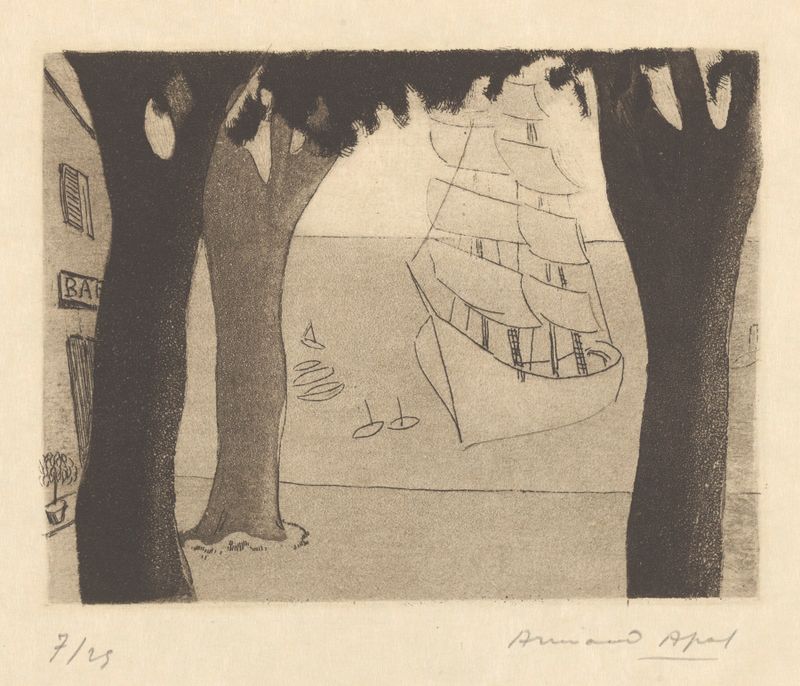
Cassis. Vue sur le port
Armand Apol
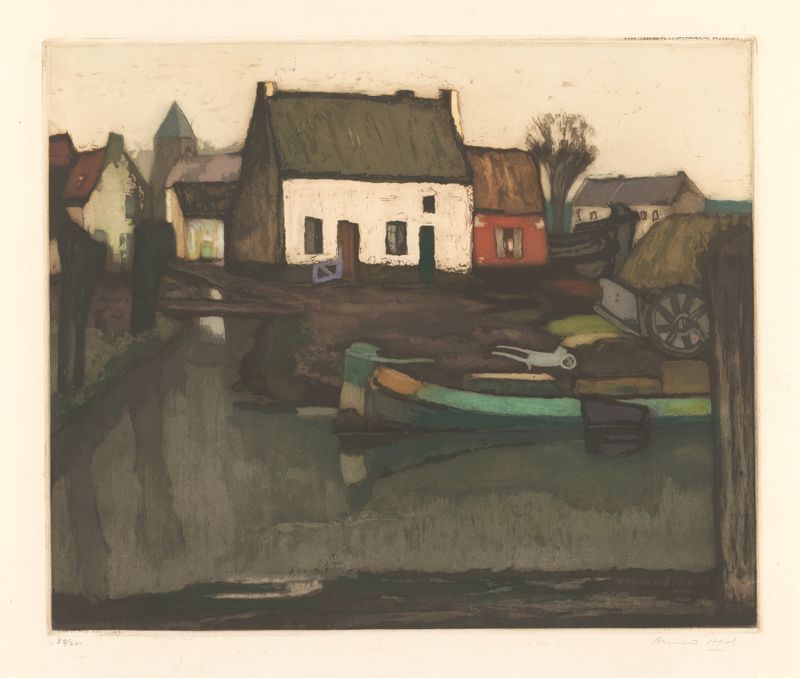
Bord du canal
Armand Apol
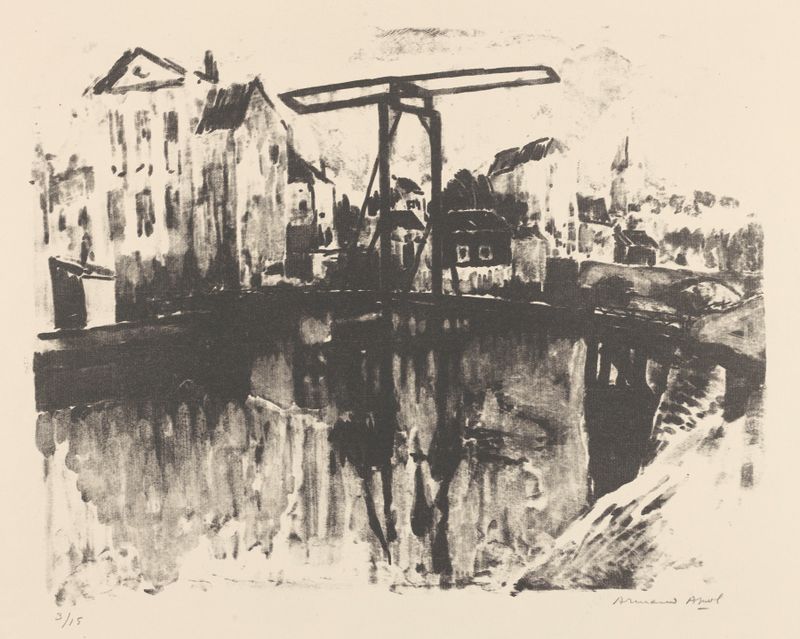
Pont basculant dans une ville
Armand Apol
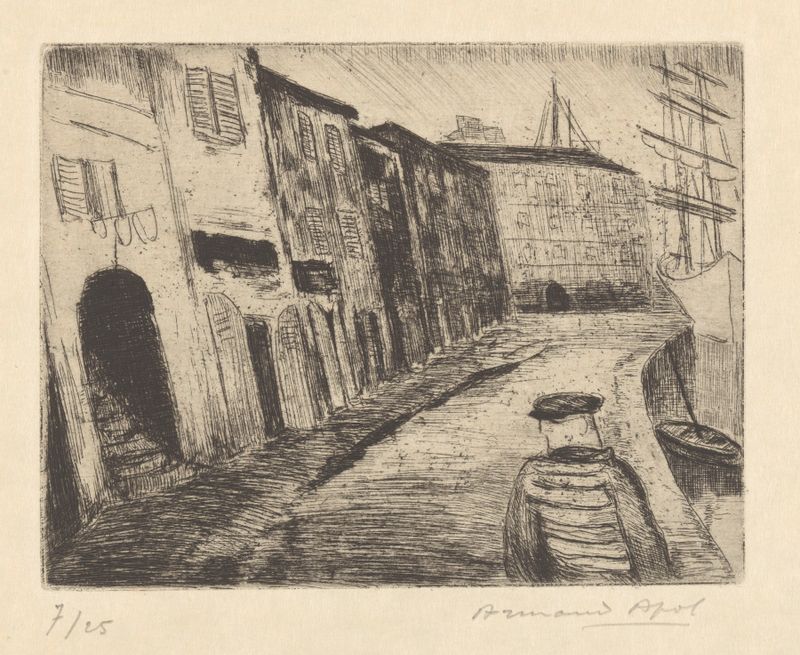
Marseille. Quai
Armand Apol





