
Paysage — History & Facts
Where does light end, and longing begin? In the quiet embrace of Paysage, the viewer is invited to ponder the transformative power of nature’s ethereal glow. To understand this artwork, look to the horizon where soft pastels mingle, creating a dreamlike landscape that pulls you in. The gentle brushstrokes evoke a sense of movement in the sky, while the muted greens and blues of the foreground establish a tranquil expanse. Notice how the light filters through the trees, casting intricate shadows that dance on the ground, illustrating the delicate balance between reality and imagination.
Each hue whispers secrets of the world just beyond the canvas, inviting contemplation. Beyond its surface beauty lies a rich tapestry of meaning. The juxtaposition of light and shadow suggests the interplay of hope and melancholy, symbolizing both the promise of dawn and the inevitability of dusk. The absence of figures emphasizes solitude, evoking an emotional landscape where the viewer’s introspections take center stage.
Here, transformation is not just a visual phenomenon; it resonates deeply within, capturing the fleeting essence of time and the perpetual cycle of change. Created in the midst of the 20th century, during an era marked by rapid industrialization and shifting cultural landscapes, the artist immersed himself in the natural world as a refuge from societal turmoil. Apol painted Paysage to express a longing for peace, channeling the tranquility of rural life while reflecting an underlying tension felt by many at the time. This work stands as a testament to the profound connection between humanity and nature, even in a world increasingly defined by modernity.
More Artworks by Armand Apol
Browse all →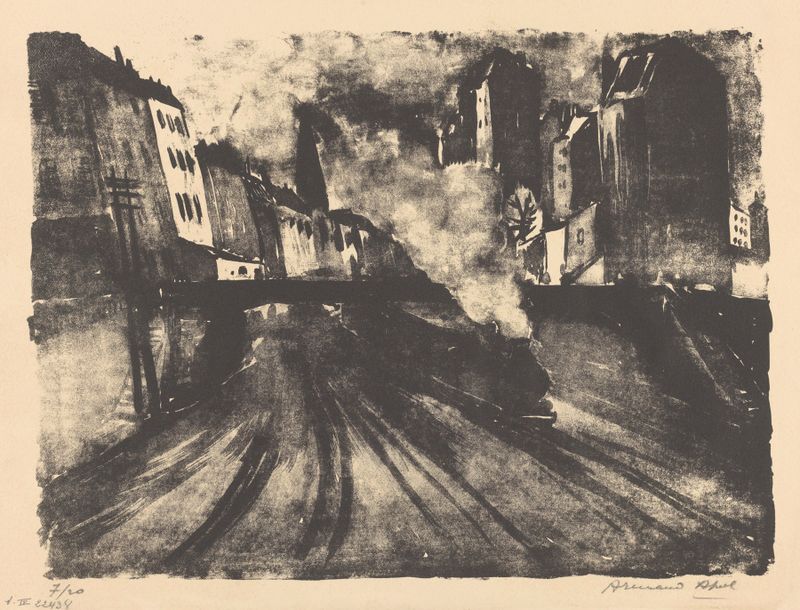
Chemin de fer de ceinture à Paris
Armand Apol
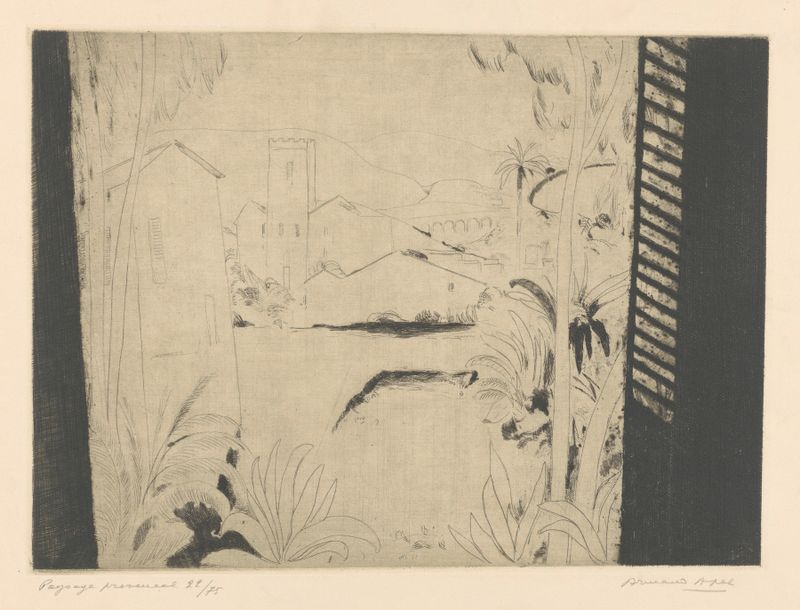
Paysage provençal
Armand Apol
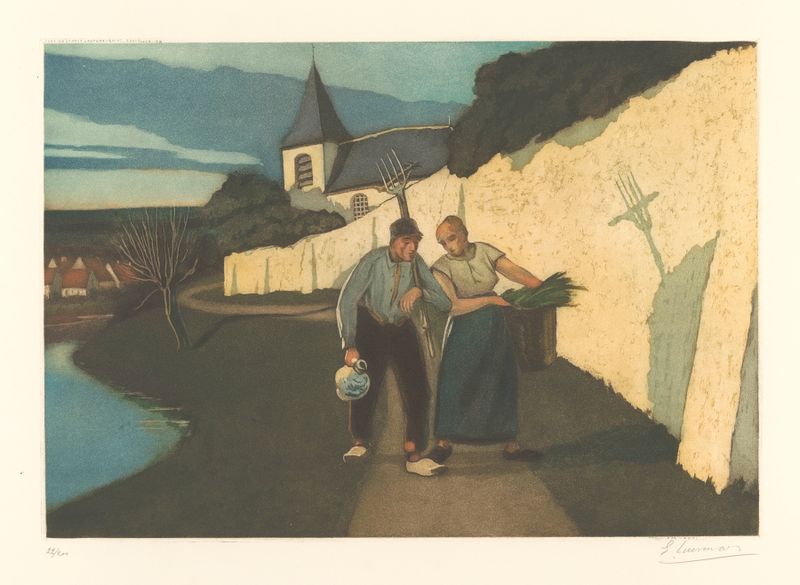
Retour des champs
Armand Apol
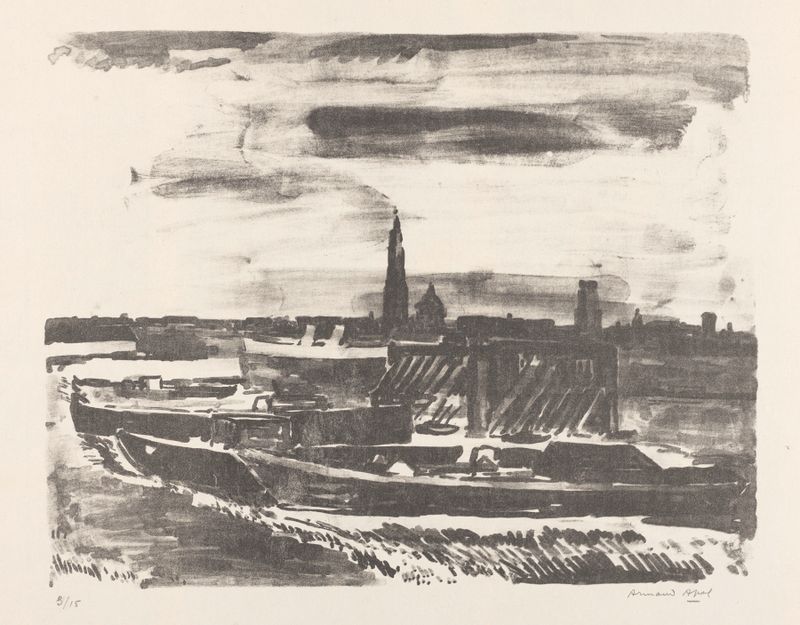
Bateaux à quai à Anvers
Armand Apol
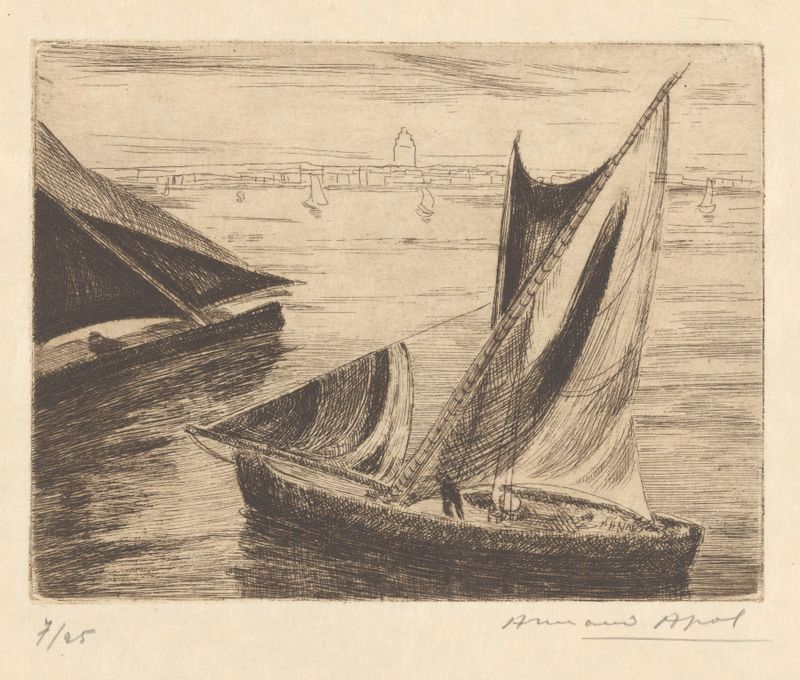
Marseille. Tartanes
Armand Apol
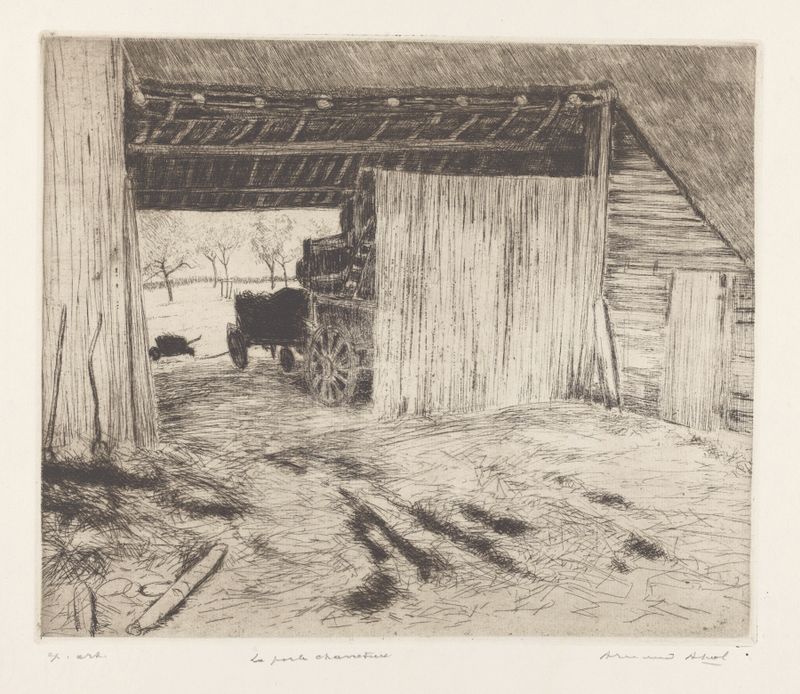
La porte charretière
Armand Apol
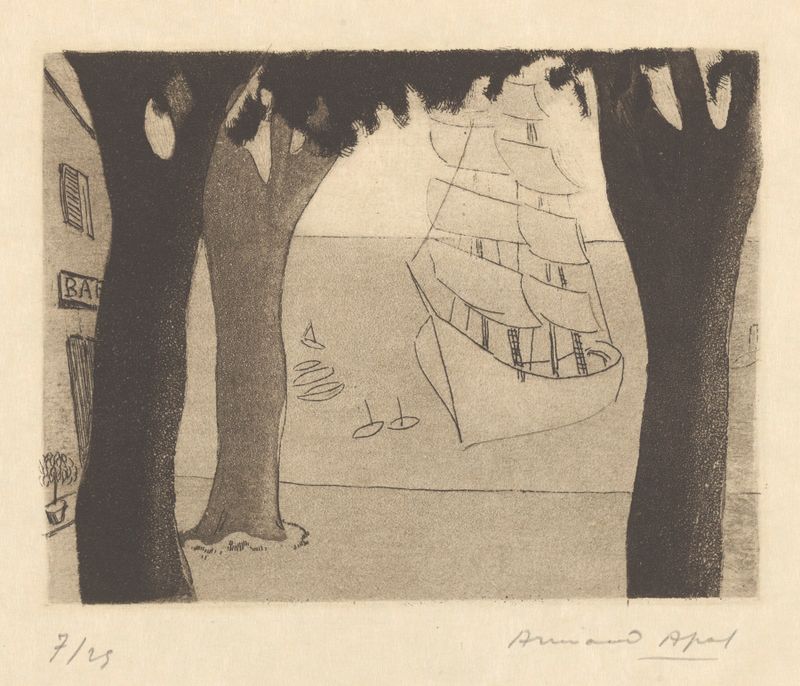
Cassis. Vue sur le port
Armand Apol
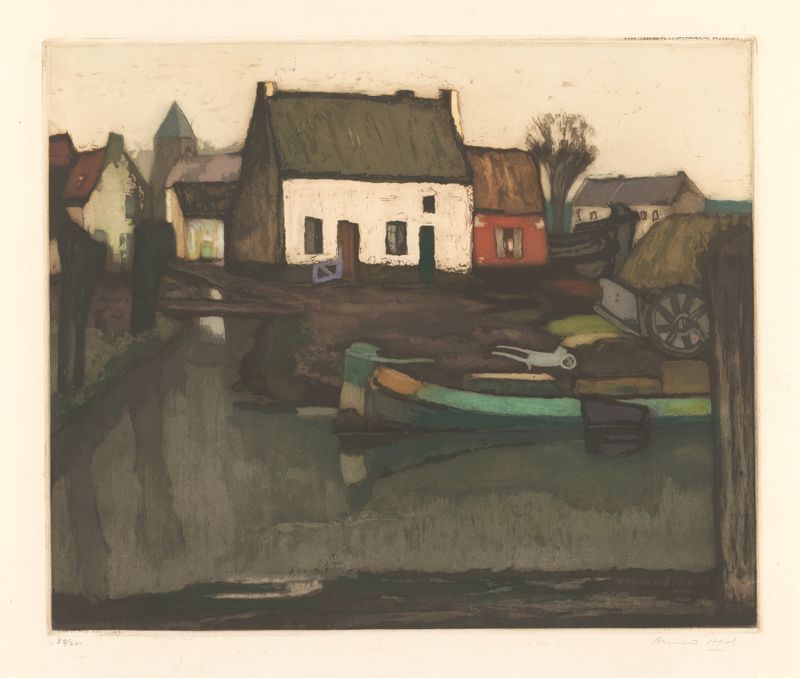
Bord du canal
Armand Apol
Pont basculant dans une ville
Armand Apol
Marseille. Quai
Armand Apol





