
Paysage provençal — History & Facts
It holds the hopes and yearnings of those who gaze upon it, inviting reflection on what is found and what is lost in the search for beauty. Look closely at the horizon where the sun dips low, bathing the landscape in ethereal hues of lavender and gold. The fields, a patchwork of greens and ochres, stretch beyond the viewer's reach, each brushstroke revealing the gentle undulations of the Provençal hills. The textures are rich, and the light dances across the canvas, creating a dreamlike atmosphere that beckons one's spirit to wander freely. Yet, beneath the tranquil surface lies a tension of separation.
The vibrant colors evoke a sense of longing, a desire for connection to the simplicity of nature. The solitary tree stands tall against the vast expanse, a silent sentinel of memories past and present. This juxtaposition of isolation amidst beauty speaks to the universal human experience — a reminder that even in the most picturesque settings, the heart can feel adrift. In 1925, Armand Apol painted Paysage provençal during a time of significant change in the art world, embracing the post-impressionist movement while developing his personal style.
Living in France, he found inspiration in the landscapes that surrounded him, reflecting a deep connection to his roots and the beauty of everyday life. This period saw artists striving to capture the transcendent essence of their environment, and Apol’s work encapsulates that quest with a poignant sense of longing.
More Artworks by Armand Apol
Browse all →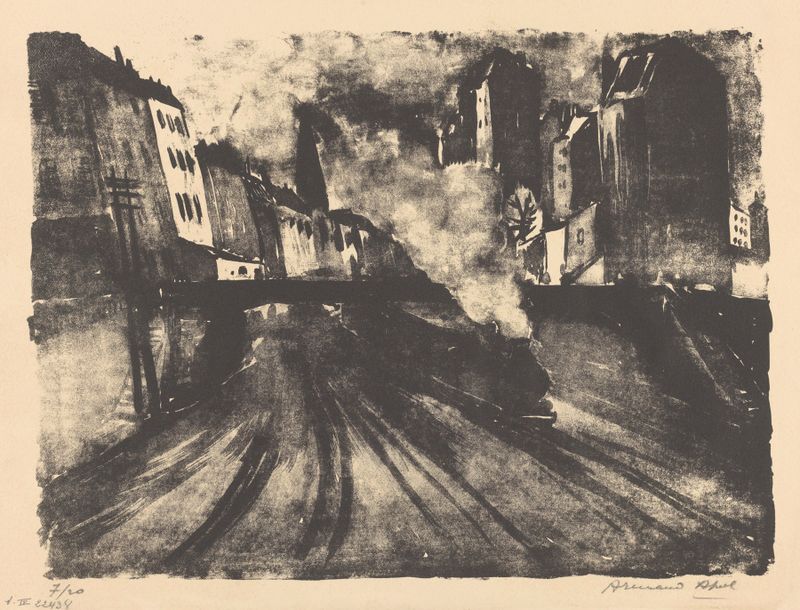
Chemin de fer de ceinture à Paris
Armand Apol
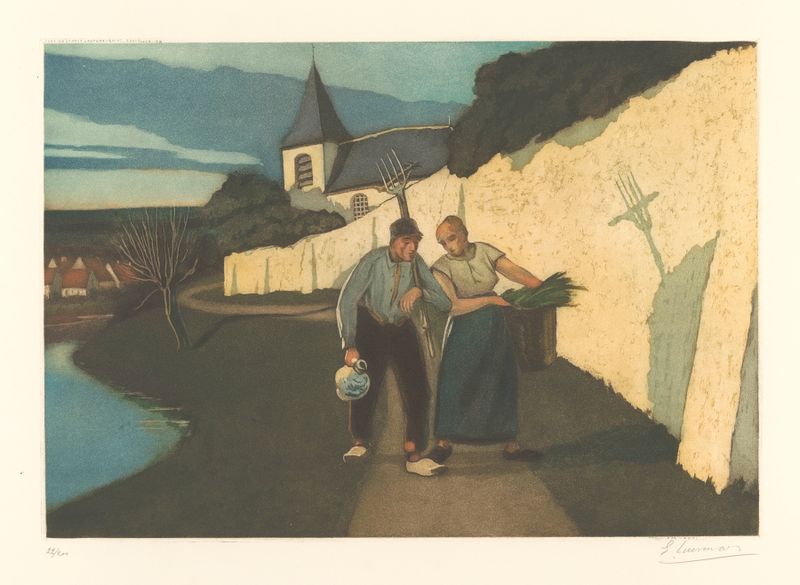
Retour des champs
Armand Apol
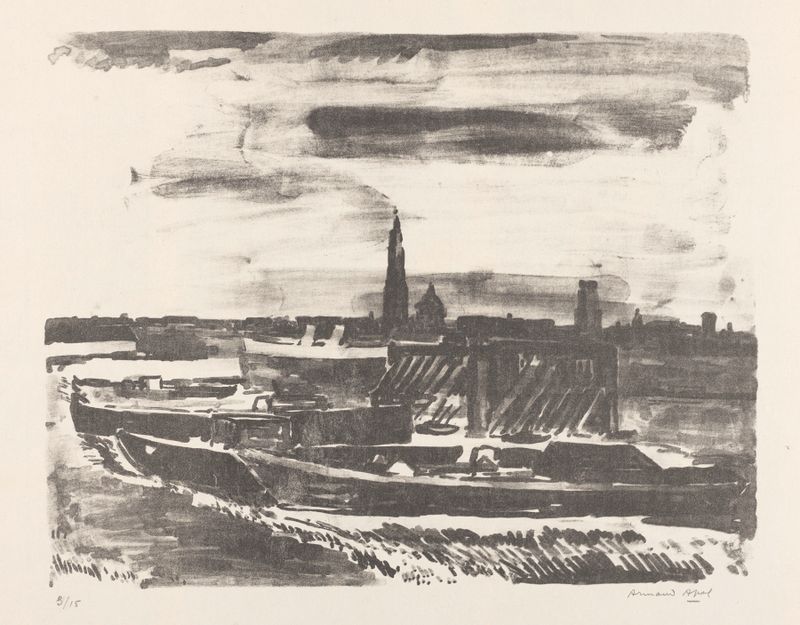
Bateaux à quai à Anvers
Armand Apol
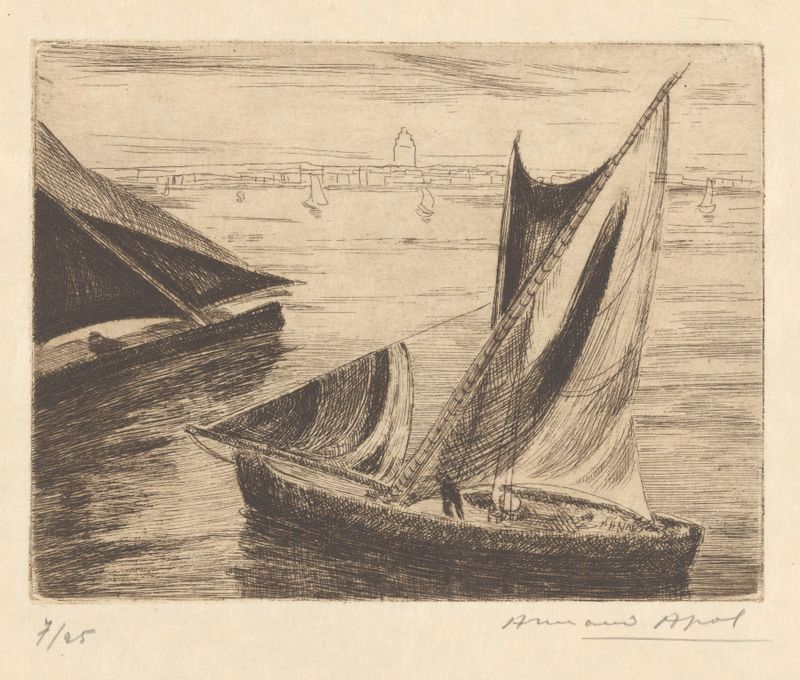
Marseille. Tartanes
Armand Apol
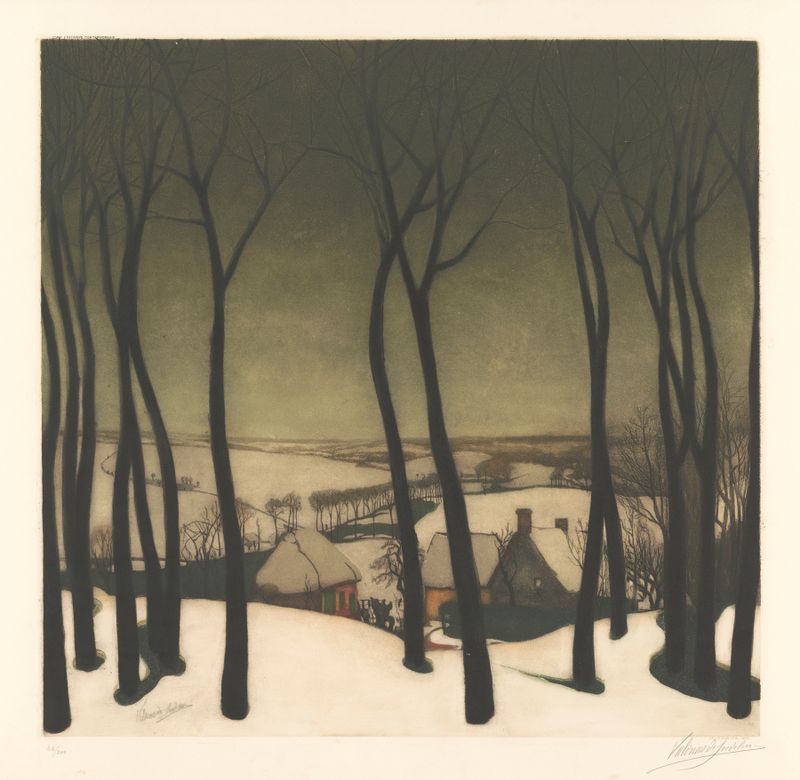
Paysage
Armand Apol
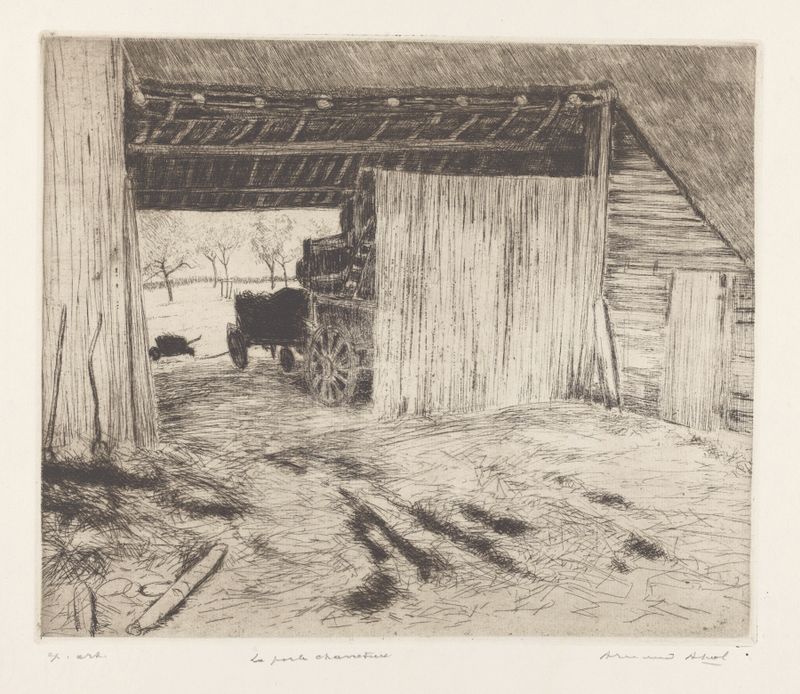
La porte charretière
Armand Apol
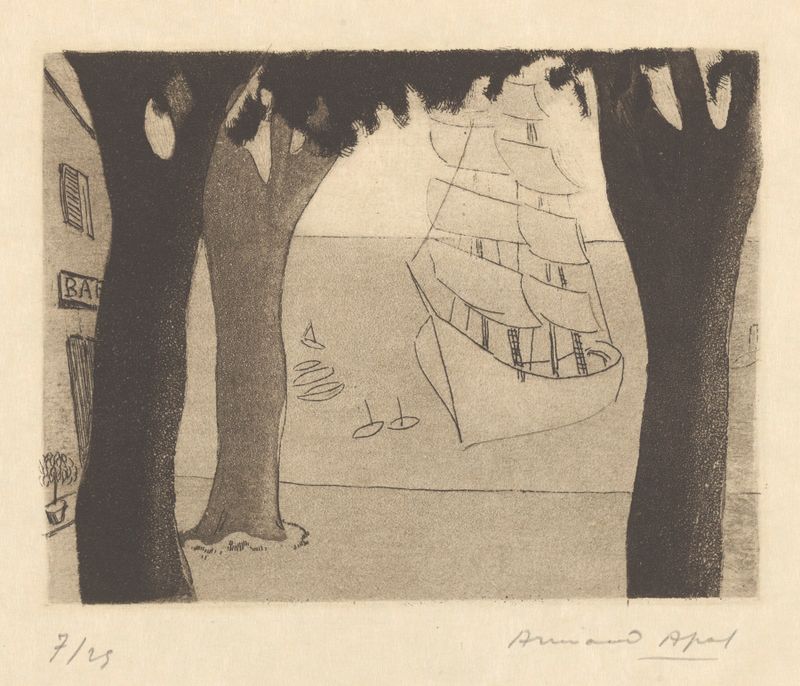
Cassis. Vue sur le port
Armand Apol
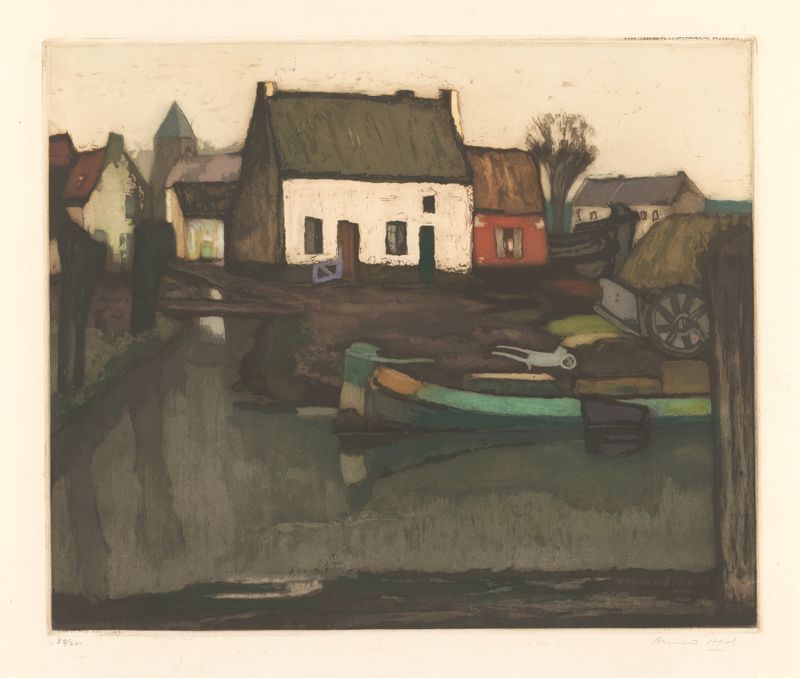
Bord du canal
Armand Apol
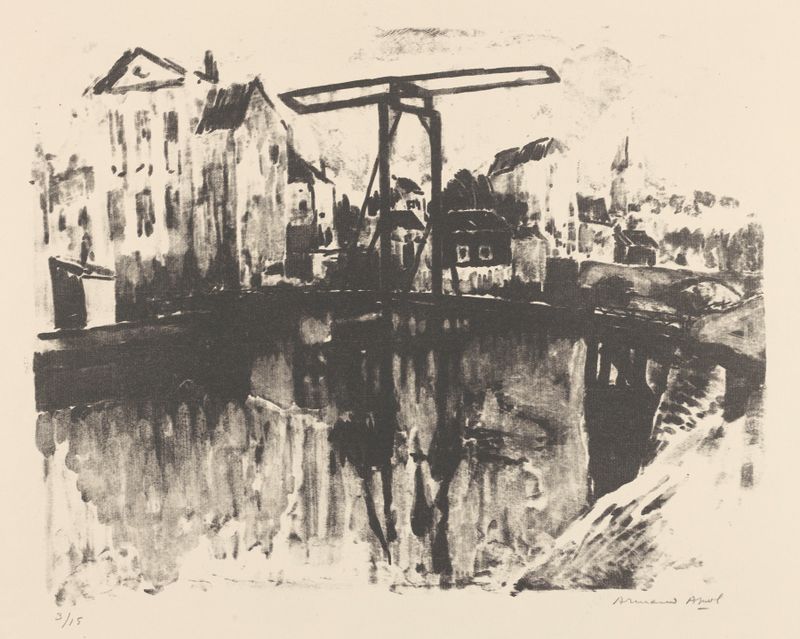
Pont basculant dans une ville
Armand Apol
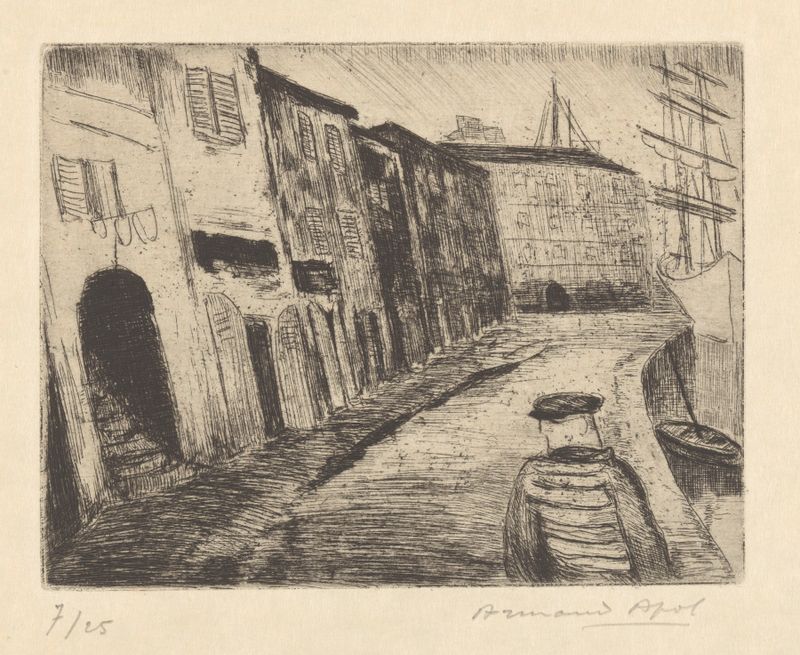
Marseille. Quai
Armand Apol





