Chemin de fer de ceinture à Paris — History & Facts
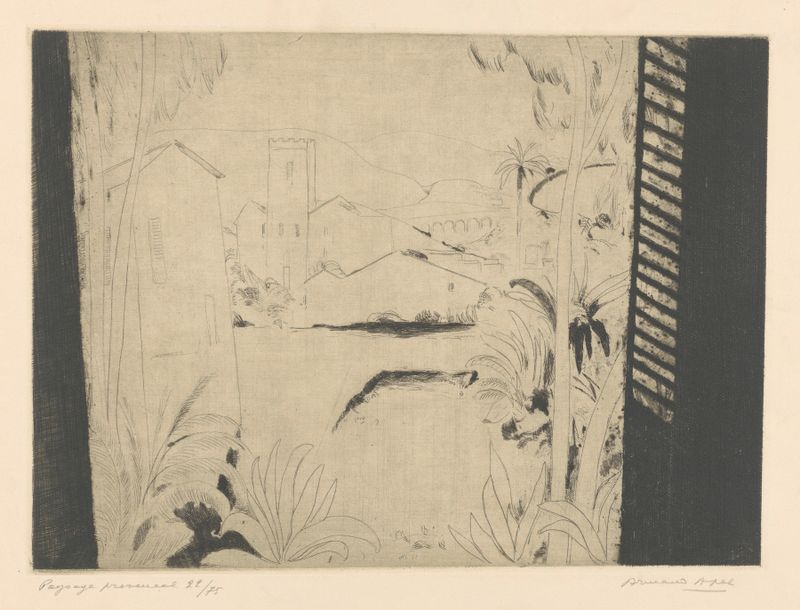
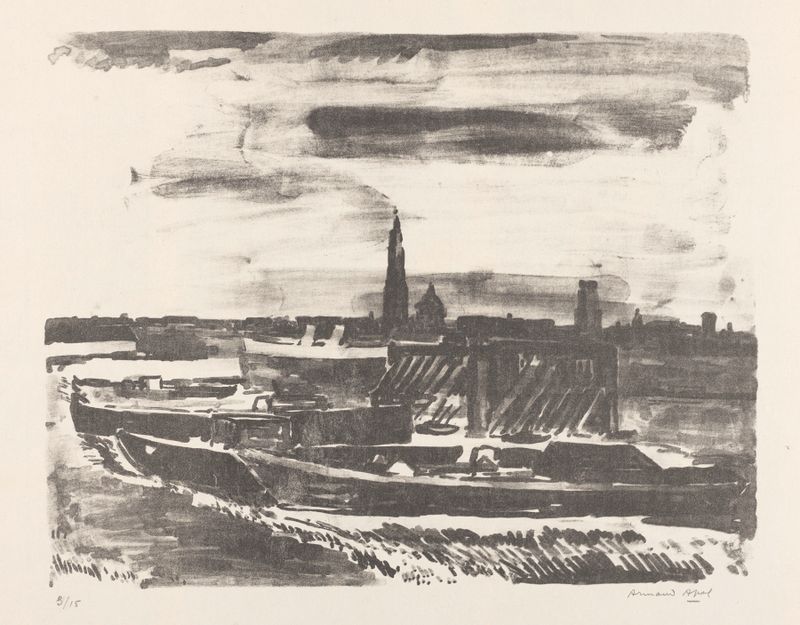
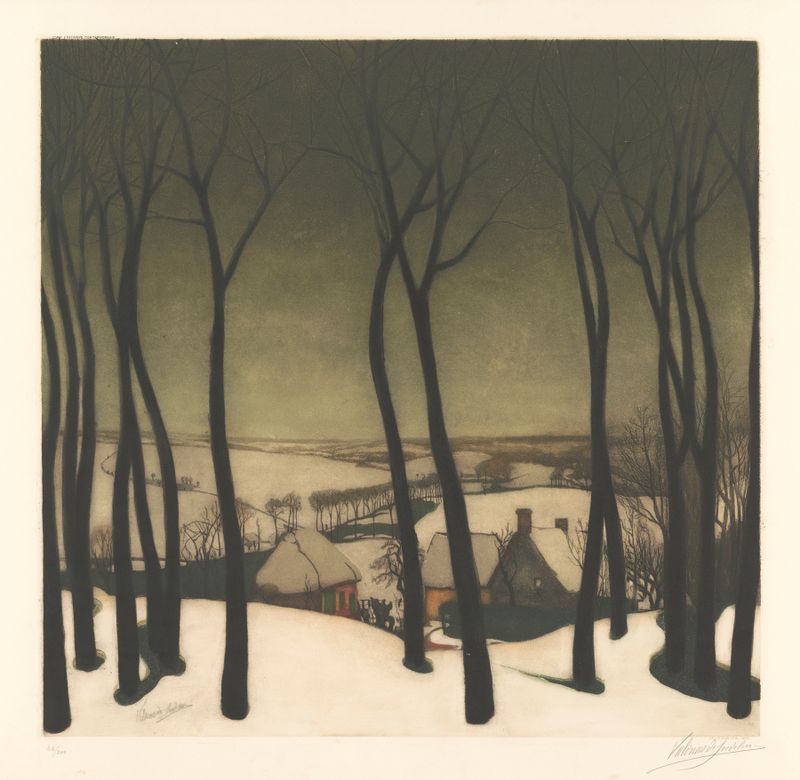
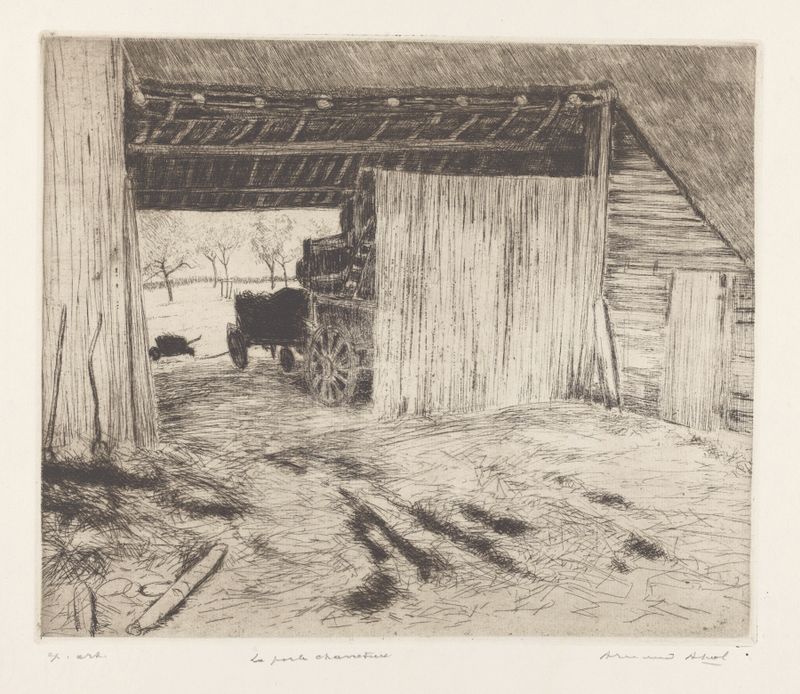
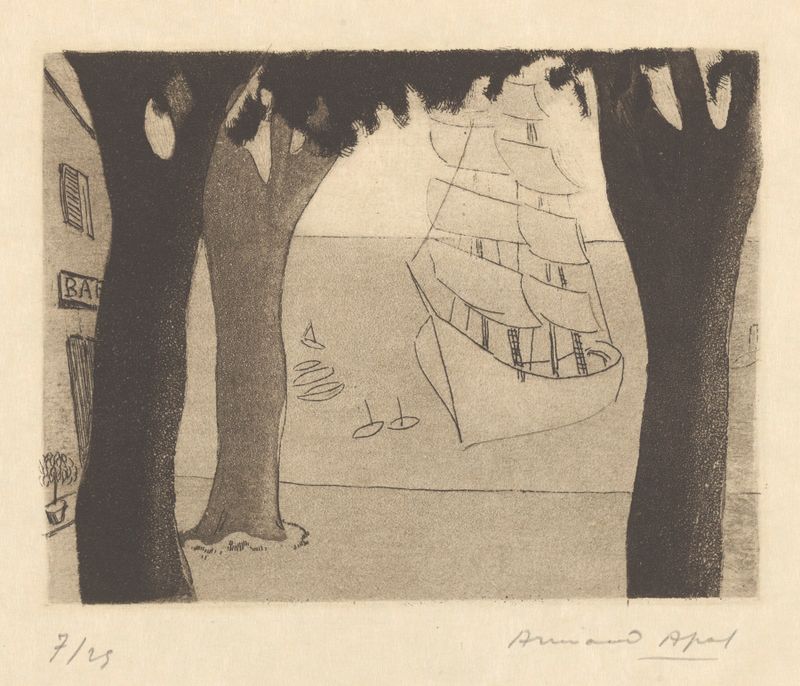
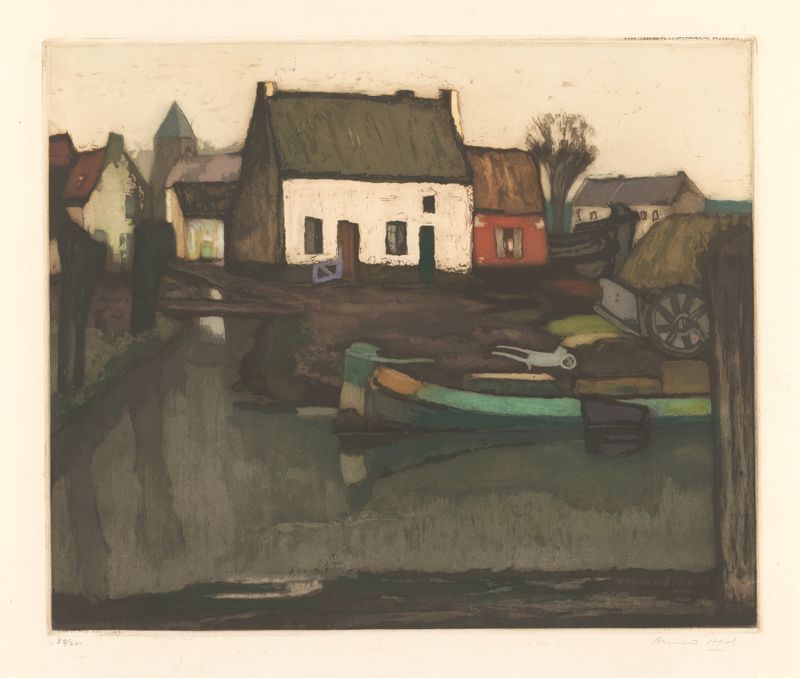
What if beauty was never meant to be finished? In the delicate strokes of a bygone era, innocence lingers, whispering secrets of moments yet to unfold. Look to the left at the vibrant green foliage that frames the painting, inviting the viewer into the embrace of nature. As your eye travels across the canvas, you will find the meandering tracks of the railway, leading toward a distant horizon filled with gentle blues and soft clouds. The meticulous application of light and shadow reflects a moment suspended in time, imbuing the scene with an ethereal quality that captures a fleeting sense of peace and possibility. Beneath the serene surface lies a contrast between the burgeoning industrial age and the untouched beauty of the landscape.
The train tracks symbolize both progress and the potential loss of simplicity, while the lush greenery around them serves as a reminder that innocence can dwell even amidst encroaching change. The harmony between nature and industry evokes a bittersweet tension, compelling the viewer to reflect on the fragility of beauty and the inevitability of transformation. During this period, Apol, active in late 19th-century France, explored the intersections of nature and modernization. While the precise date of this work remains unknown, it emerges from an era marked by rapid industrial growth, a time when artists grappled with the shifts in their surroundings and sought to capture the fleeting essence of both urban and rural life.
This painting, with its focus on tranquility amidst change, speaks to the artist’s engagement with a world in flux, inviting viewers to ponder the beauty that exists in transition.