
La pyramide expiatoire de Jean Chastel — History & Facts
What if silence could speak through light? The stillness of La pyramide expiatoire de Jean Chastel embodies the weight of betrayal, subtly coaxing viewers to reflect on the unspoken narratives woven into its form. To grasp the essence of the painting, first, look at the pyramid structure standing resolutely at its center. The stark contrast between the shadowy depths at its base and the ethereal glow at its tip creates a visual tension that draws the eye upward. Notice how the muted palette of earth tones envelops the scene, while delicate strokes of lighter hues breathe life into the apex, suggesting a yearning for ascendance.
The careful composition invites contemplation—every angle and shadow whispers secrets of a fractured past. In the interplay of light and dark, one can sense the underlying tensions of betrayal. The pyramid, a symbol of both permanence and sacrifice, hints at the haunting consequences of actions that ripple through time. Each layer represents a different facet of guilt, shrouded in mystery, while the spectral illumination at the top serves as a beacon of hope or perhaps a cruel reminder of unattainable redemption.
This duality resonates deeply within the viewer, urging a personal confrontation with the themes of loss and remorse. Auguste-Sébastien Bénard created this work during a period when the art world was wrestling with the ideas of identity and morality. Although the exact date remains uncertain, his exploration of themes such as legacy and regret reflects the larger cultural dialogues of his time, as Europe faced rapid social changes and the aftermath of conflict. While the painting's specific origins may be elusive, its emotional depth remains undeniably poignant.
More Artworks by Auguste-Sébastien Bénard
Browse all →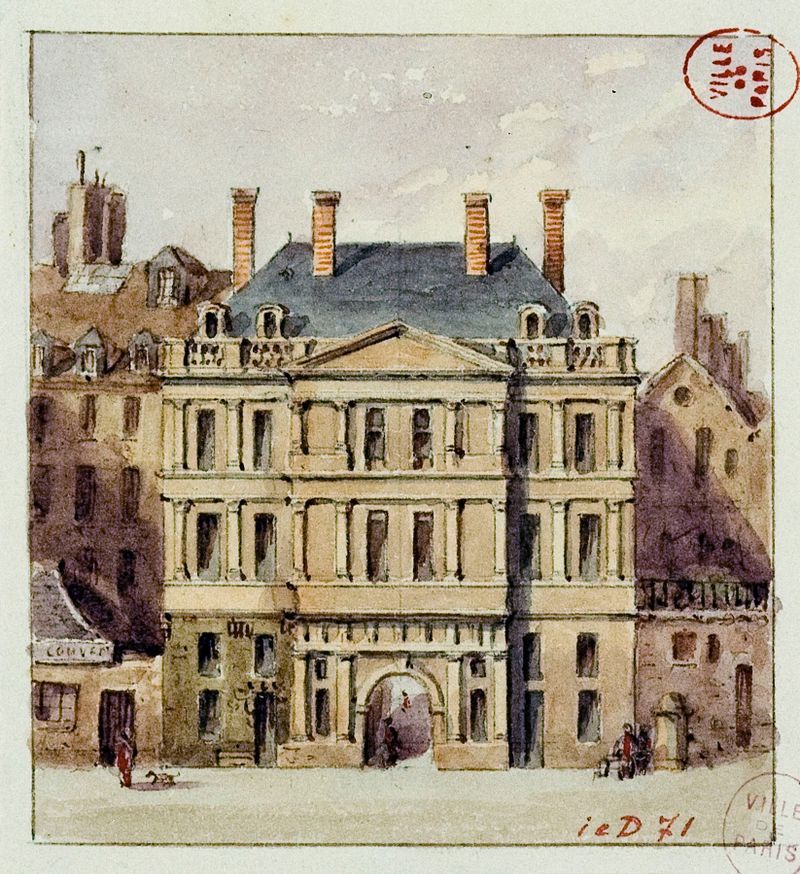
Cour de la Sainte Chapelle.
Auguste-Sébastien Bénard
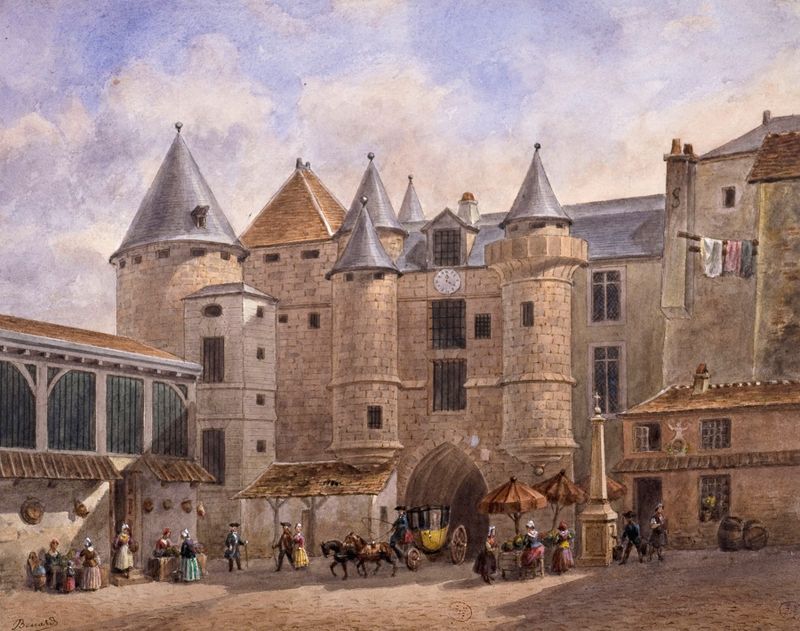
Le Grand Châtelet du XVIIIème siècle.
Auguste-Sébastien Bénard

Place de l’Hôtel de Ville.
Auguste-Sébastien Bénard

Salle souterraine du Palais de Justice.
Auguste-Sébastien Bénard

Voûtes du quai de Gesvres
Auguste-Sébastien Bénard

Monument expiatoire élevé à la mémoire du duc de Berry, à l’emplacement de l’ancien Opéra
Auguste-Sébastien Bénard
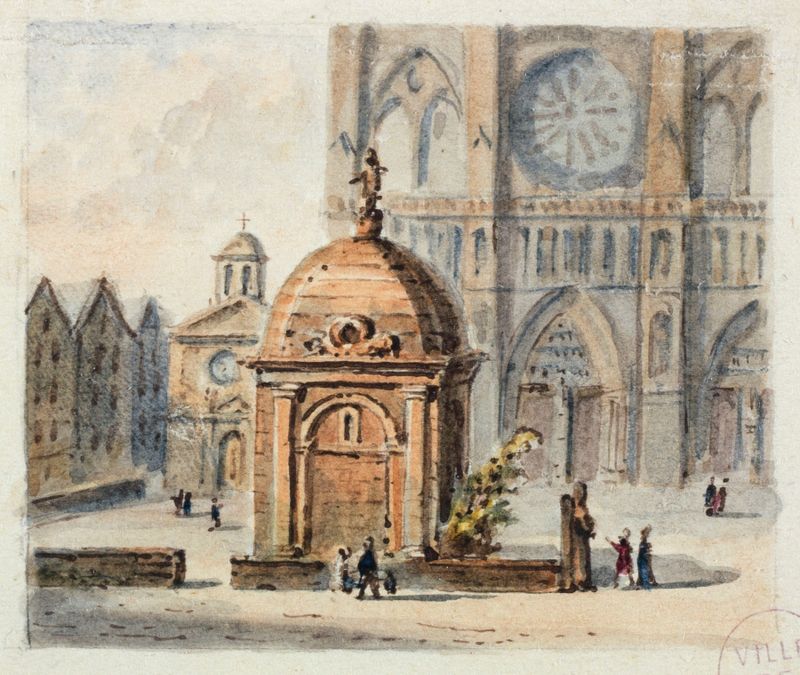
Le parvis de Notre-Dame de Paris
Auguste-Sébastien Bénard

Rue des chantres (entre le quai aux fleurs et la rue Chanoinesse).
Auguste-Sébastien Bénard

L’entrée de l’ancienne forteresse du Grand Châtelet, un jour de Carnaval
Auguste-Sébastien Bénard
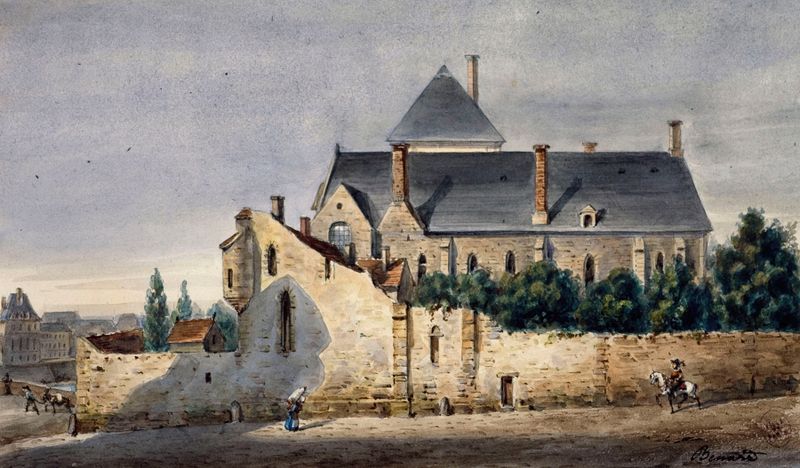
Les restes des bâtiments de l’hôtel du Petit Bourbon.
Auguste-Sébastien Bénard
More Architecture Art
Browse all →
The statue of Liberty
Frédéric Auguste Bartholdi

View of Houses in Delft, Known as ‘The Little Street’
Johannes Vermeer

View of Houses in Delft, Known as ‘The Little Street’
Johannes Vermeer

The Cathedral in Rouen. The portal, Grey Weather
Claude Monet

The yellow house
Vincent van Gogh

The Church in Auvers-sur-Oise, View from the Chevet
Vincent van Gogh