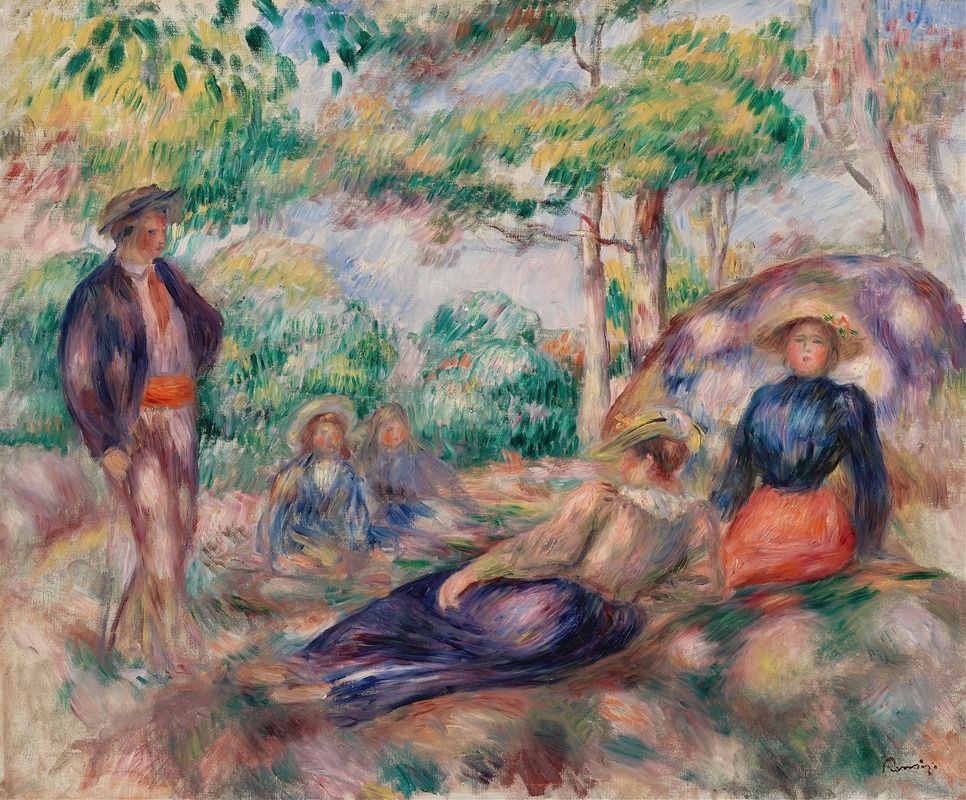
Discover insights about this artwork
La Rue, orgue de Barbarie — History & Facts
In La Rue, orgue de Barbarie, Pierre Bonnard captures a lively street scene filled with vibrant colors. The painting features a bustling urban environment, where figures interact with a mechanical organ. The warm hues of yellow and orange contrast with the cooler blues and greens, creating a dynamic atmosphere.
Bonnard's characteristic brushwork adds texture and movement to the scene. The painting is executed in oil on canvas, a medium that allows for rich color application and depth. Bonnard's Post-Impressionist style is evident in his use of light and color to convey emotion and atmosphere. The composition is lively, with figures arranged in a way that draws the viewer's eye throughout the canvas.
The dimensions of the artwork are approximately 65 x 81 cm, making it a medium-sized piece. Pierre Bonnard was a key figure in the Post-Impressionist movement, known for his innovative use of color and light. La Rue, orgue de Barbarie reflects his interest in everyday life and the vibrancy of urban scenes. An interesting fact about this work is that it showcases Bonnard's ability to blend the ordinary with the extraordinary, capturing the essence of life in Paris during the late 19th century.
This painting is part of the collection at the Musee d'Orsay, a museum renowned for its extensive collection of Impressionist and Post-Impressionist masterpieces.
More Artworks by Pierre Bonnard
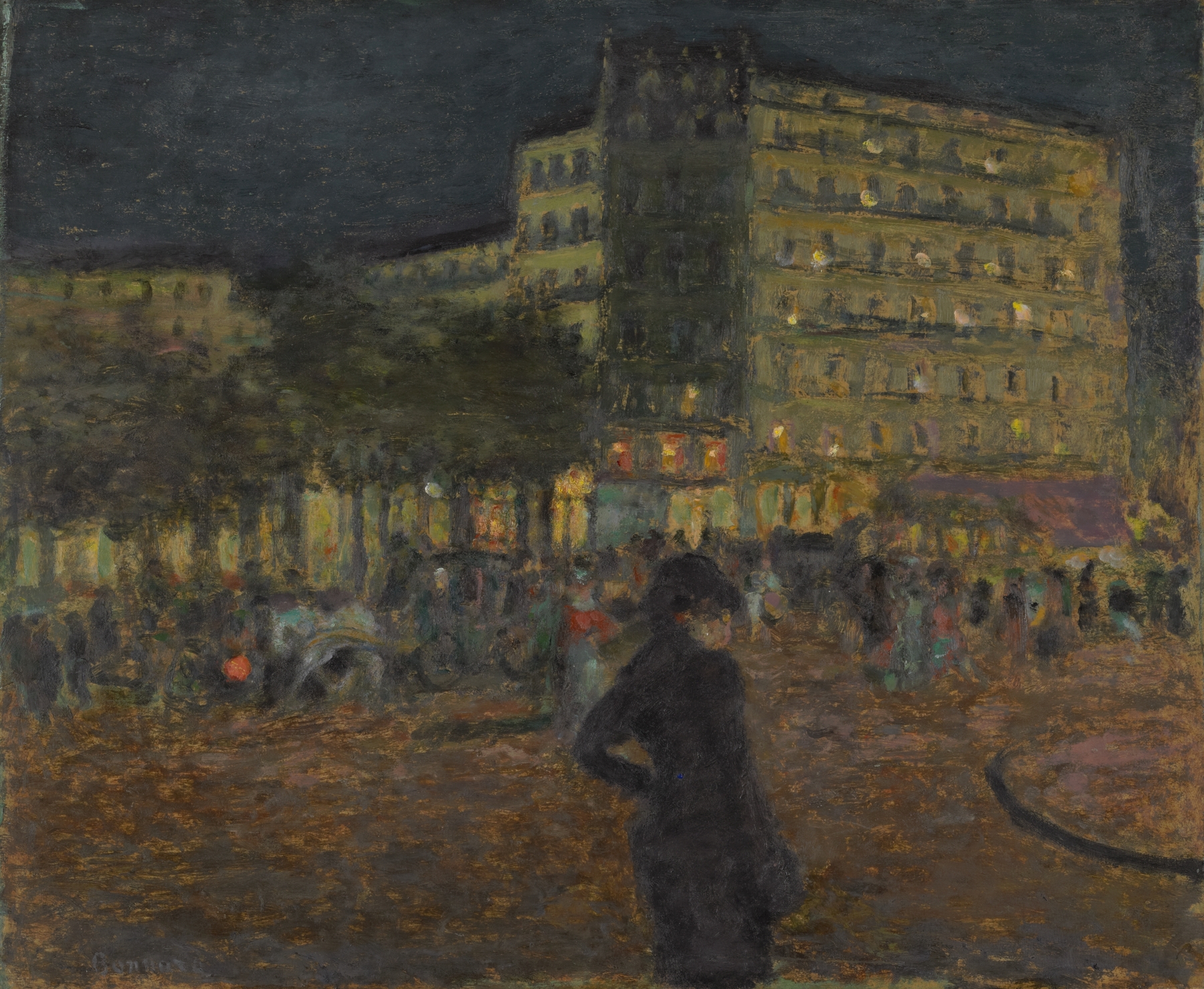
Place Pigalle at Night
Pierre Bonnard
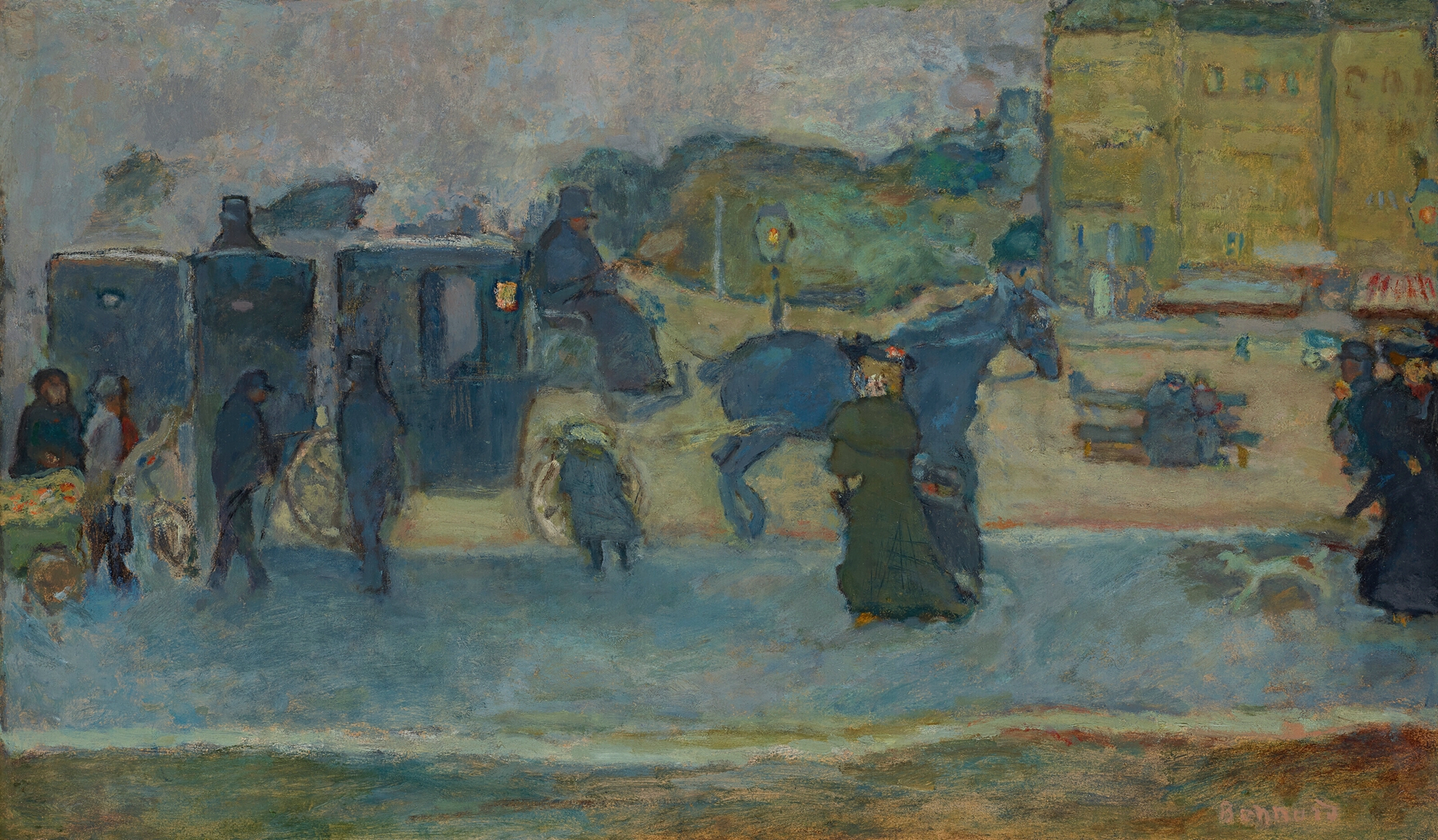
Les deux fiacres (Boulevard des Batignolles)
Pierre Bonnard
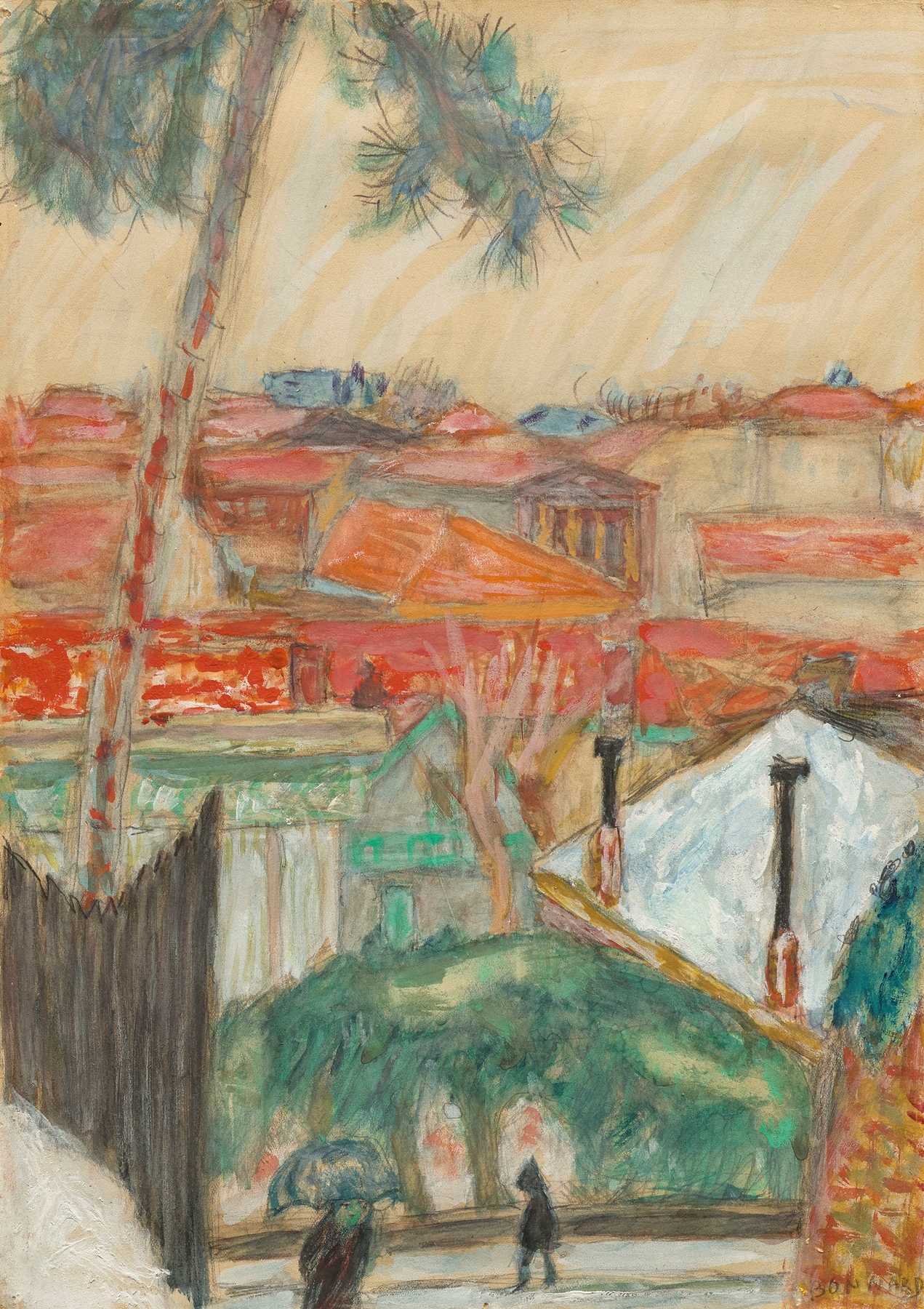
Les Toits
Pierre Bonnard
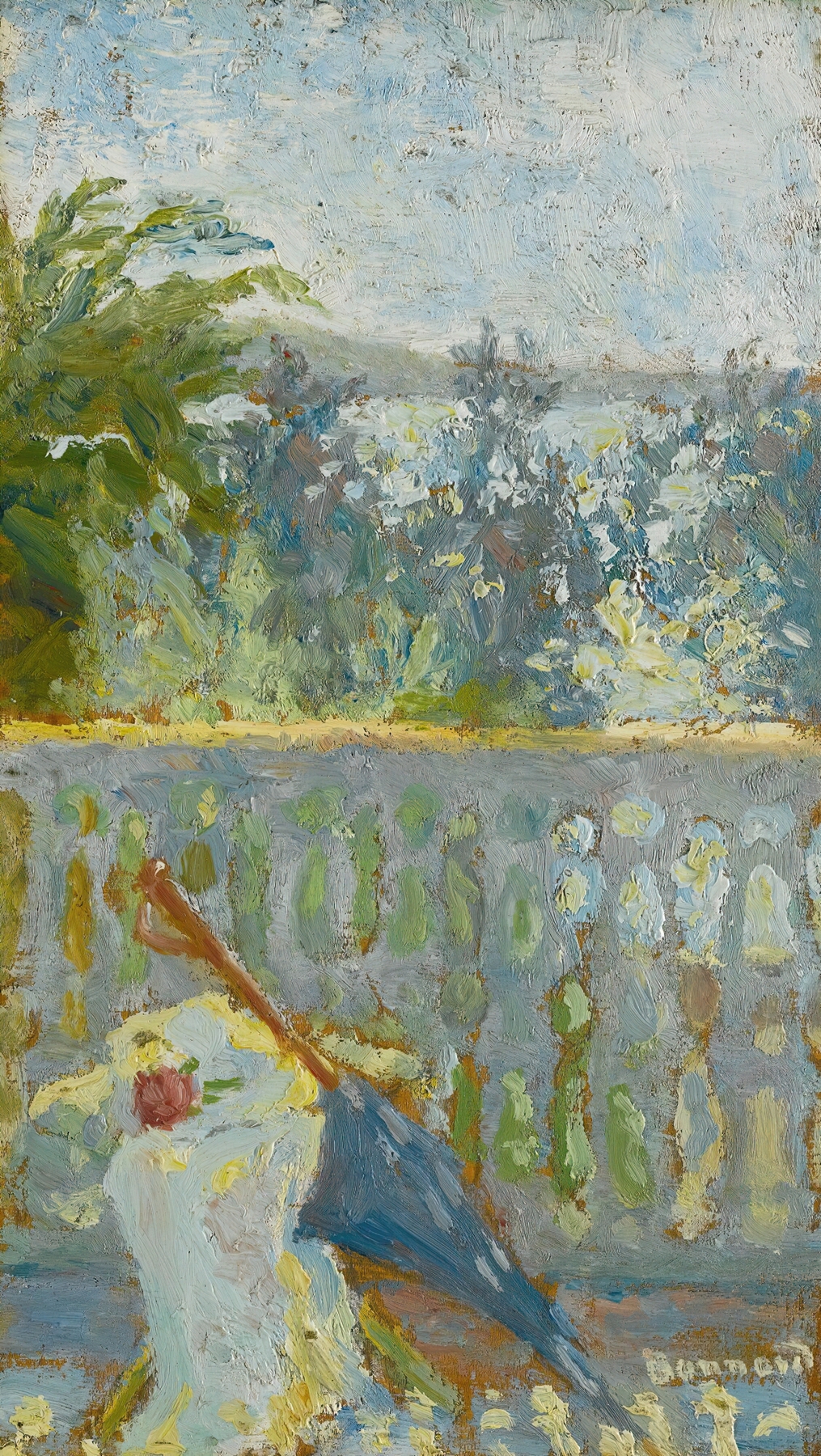
Le Balcon Et L’ombrelle
Pierre Bonnard
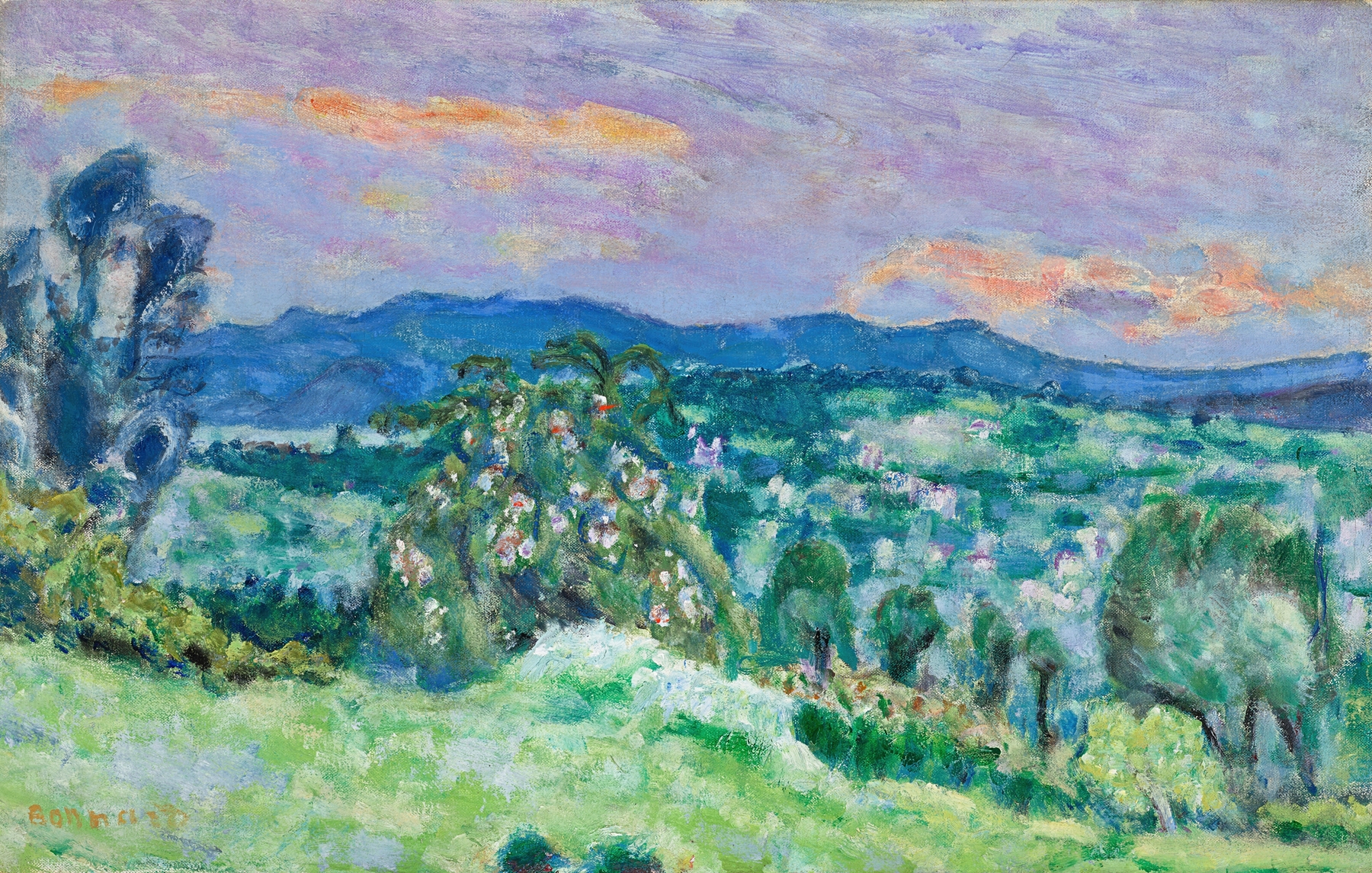
Paysage de Saint-Tropez
Pierre Bonnard
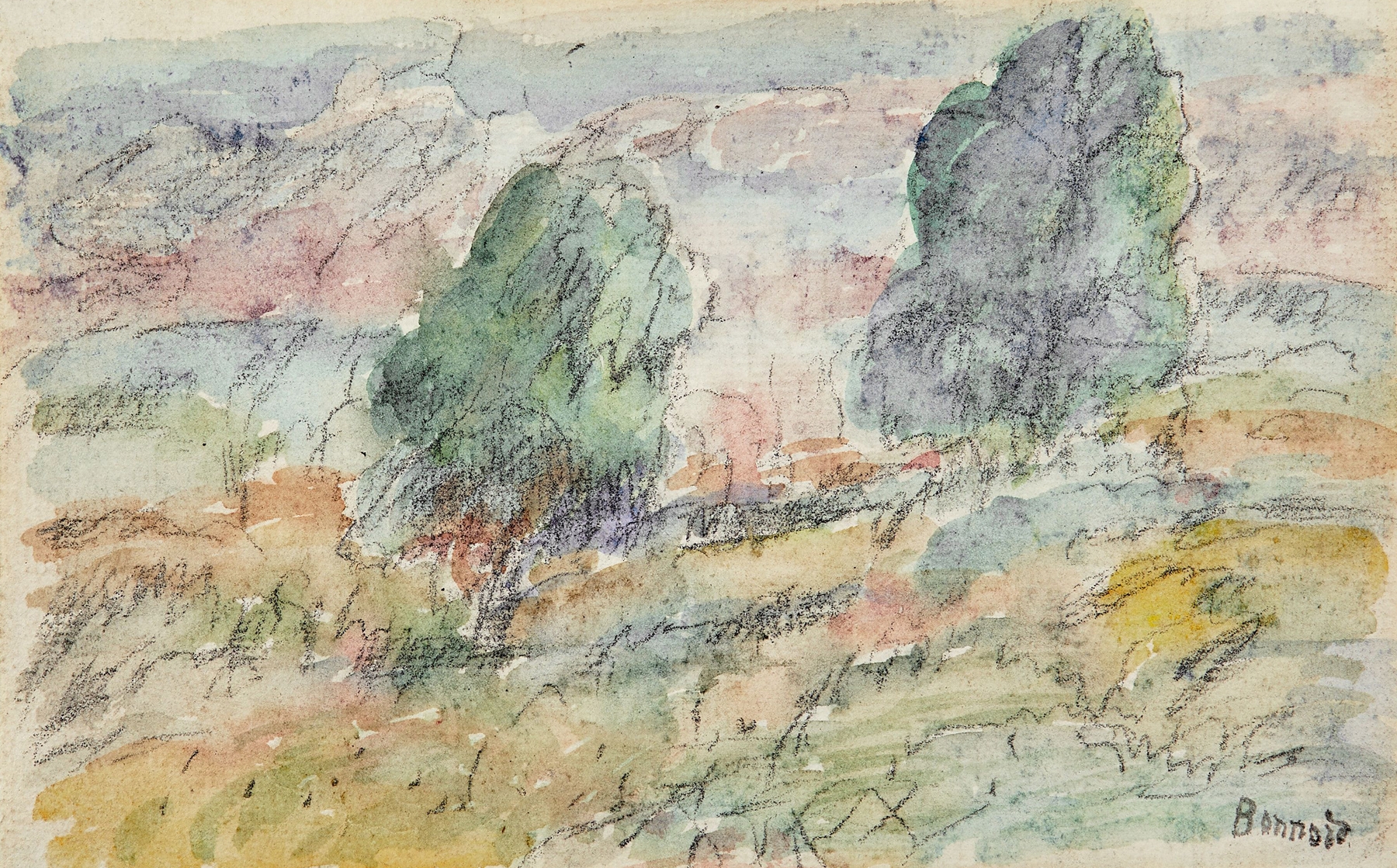
Paysage de Vernon
Pierre Bonnard
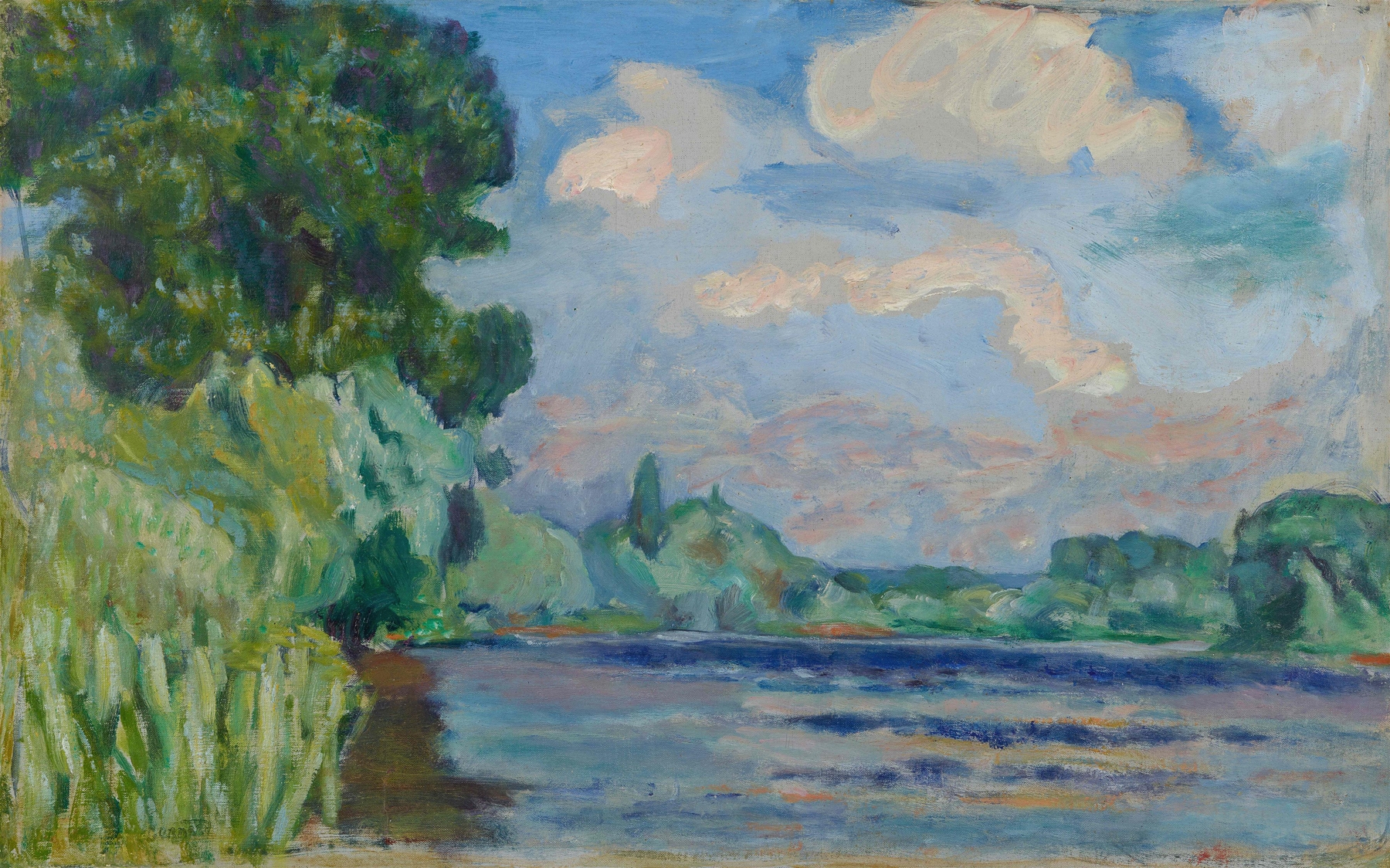
La Seine à Vernon
Pierre Bonnard
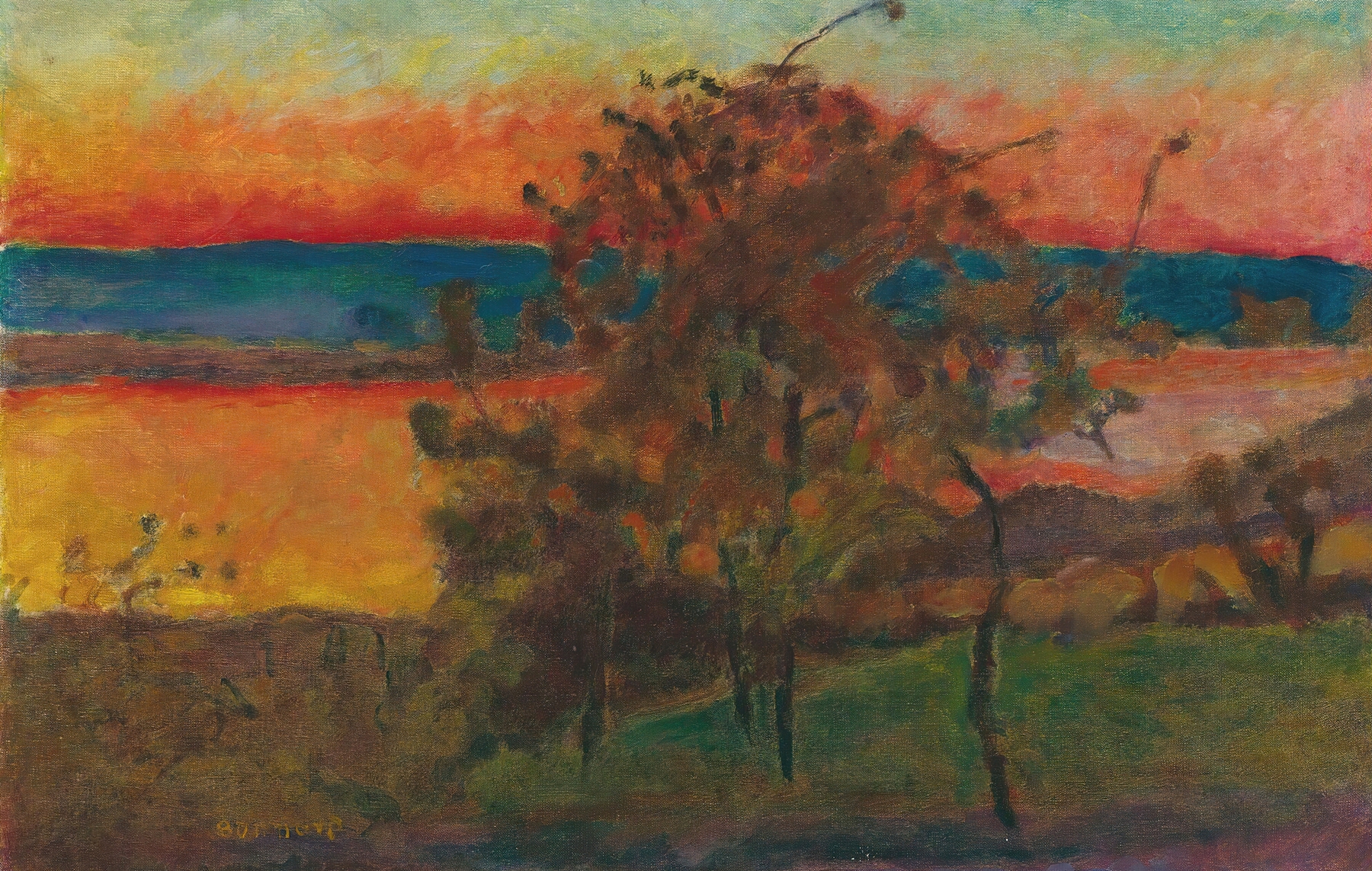
Soleil Couchant
Pierre Bonnard
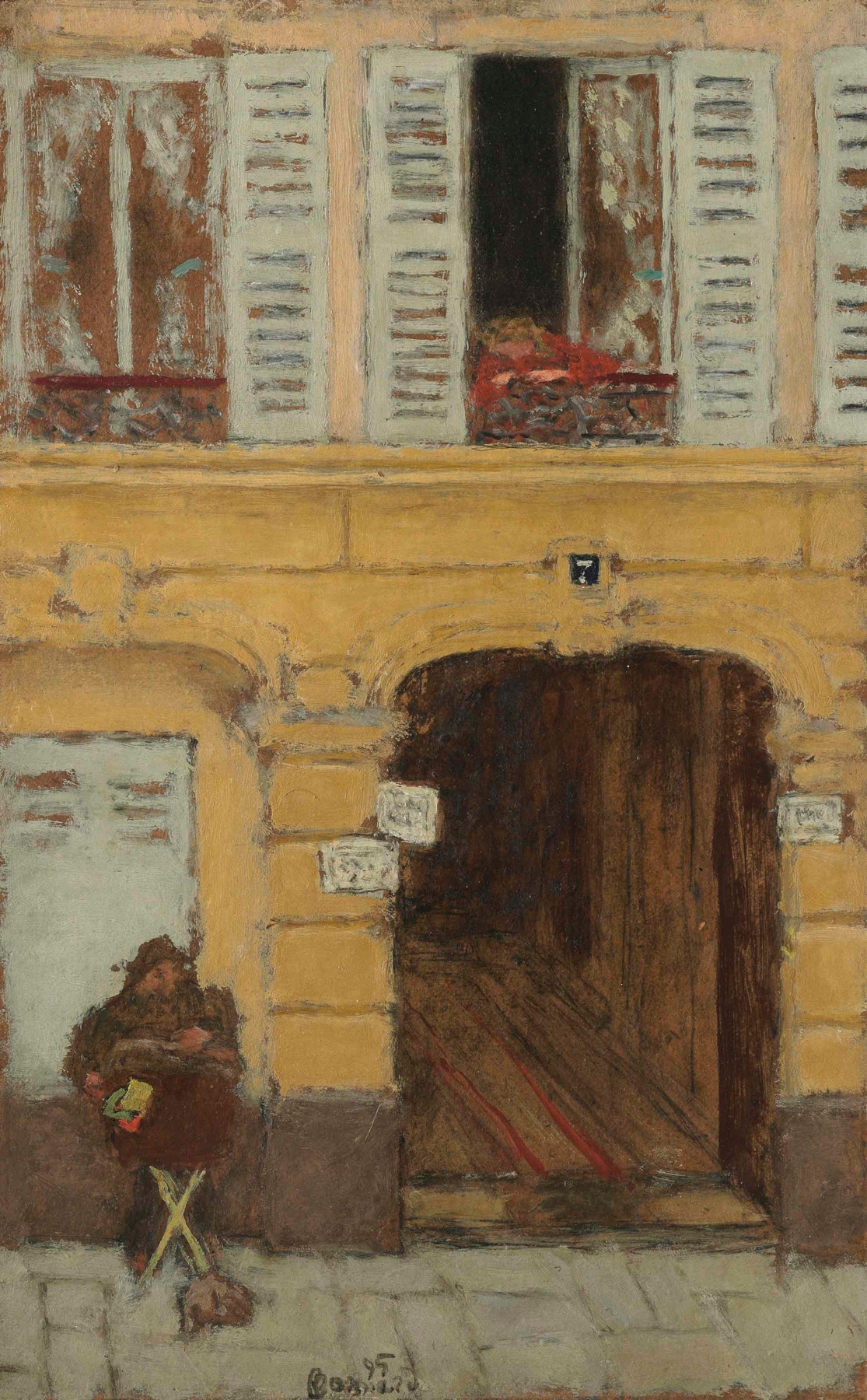
L’orgue de Barbarie ou Le joueur d’orgue
Pierre Bonnard
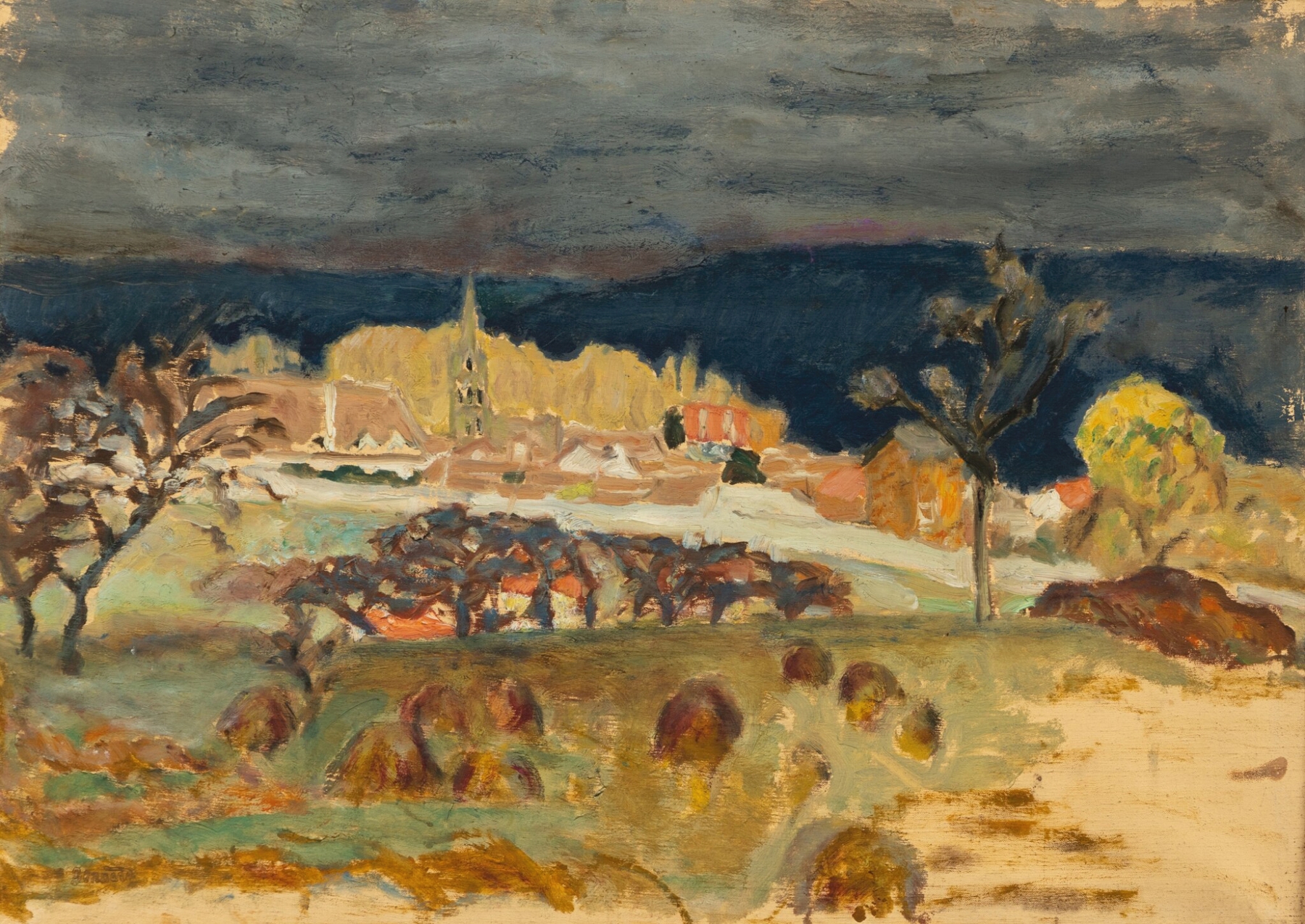
Village, ciel d’orage
Pierre Bonnard