
Paysage de Vernon — History & Facts
This truth vibrates within every brushstroke, revealing the obsession that drives creation in its purest form. Focus first on the lush greenery that stretches across the canvas, inviting you into a tranquil yet enchanting landscape. Notice how the vibrant greens and soft blues intermingle, creating a sense of depth and serenity that feels almost palpable. The delicate interplay of light and shadow dances across the scene, illuminating the textured strokes that Bonnard employs, compelling the eye to wander through the frame and breathe in the harmony of nature. Yet, beneath this idyllic surface lies an underlying tension.
The seemingly peaceful composition contrasts with a sense of intimacy and solitude, hinting at the artist's personal struggles and contemplations. Each winding path and soft curve of the land may symbolize a journey not just through nature, but through the labyrinth of the mind. The choice of color, particularly the warm yellows fused with the cool greens, suggests a duality between joy and melancholy, illustrating an obsession with capturing life’s fleeting beauty. In 1920, Bonnard painted this work while living in France, a time marked by a restless search for new expression in art post-World War I.
The avant-garde movements were redefining artistic boundaries, while Bonnard remained committed to an intimate observation of everyday life. This era shaped him, as he navigated the complexities of personal experience amidst a changing artistic landscape, imbuing Paysage de Vernon with layers of meaning that resonate beyond its surface.
More Artworks by Pierre Bonnard
Browse all →
Les deux fiacres (Boulevard des Batignolles)
Pierre Bonnard

Le Balcon Et L’ombrelle
Pierre Bonnard

Place Pigalle at Night
Pierre Bonnard
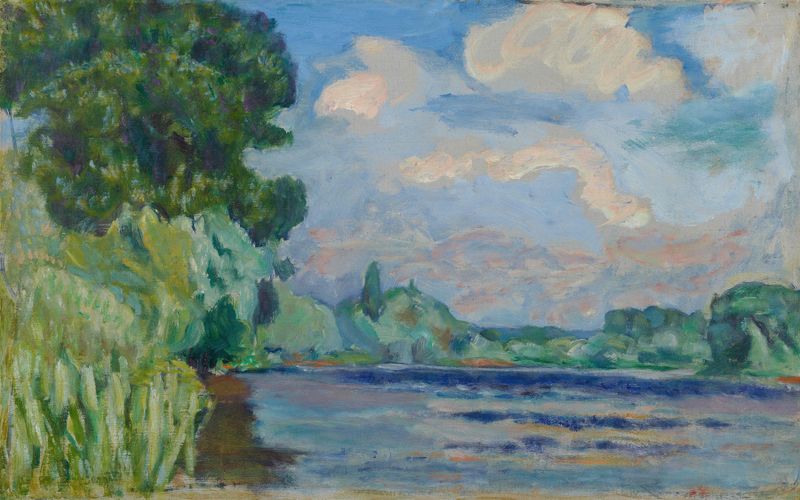
La Seine à Vernon
Pierre Bonnard

Les Toits
Pierre Bonnard
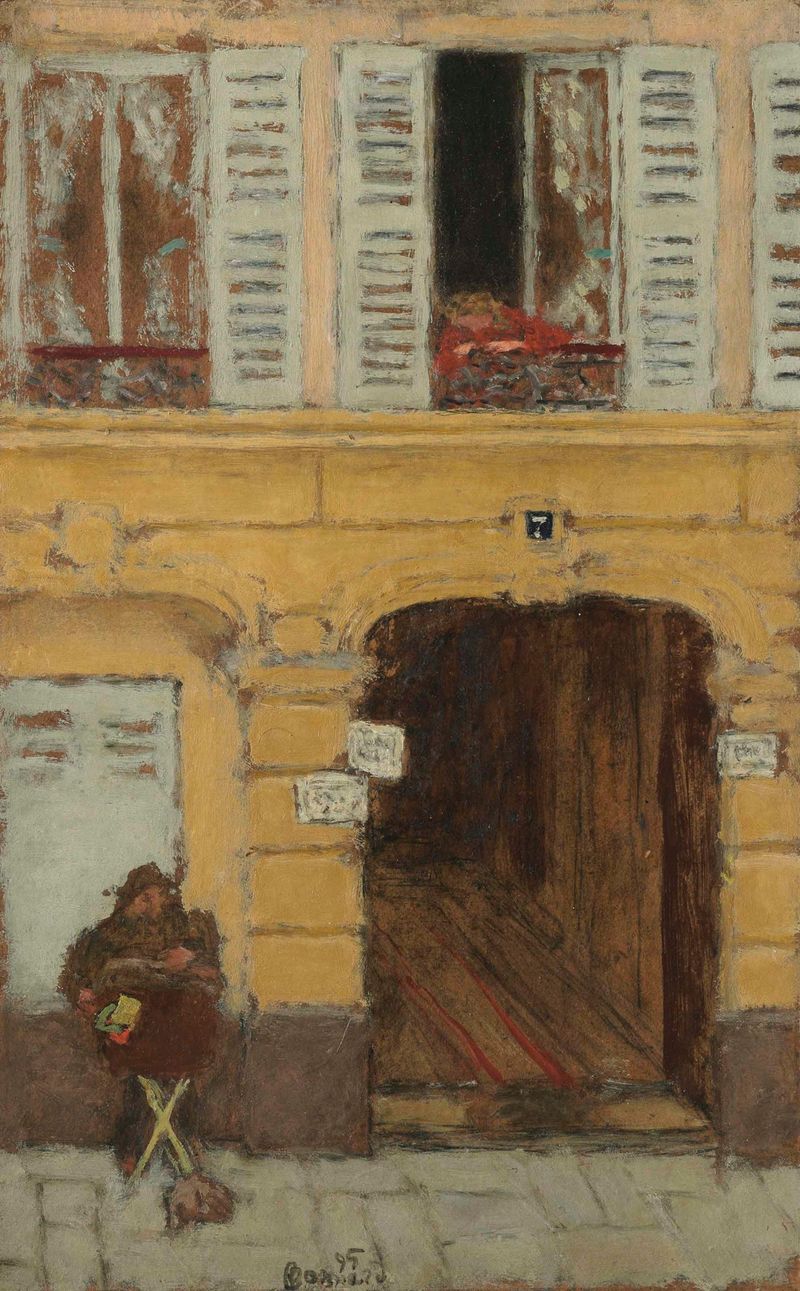
L’orgue de Barbarie ou Le joueur d’orgue
Pierre Bonnard

Paysage de Saint-Tropez
Pierre Bonnard

Soleil Couchant
Pierre Bonnard
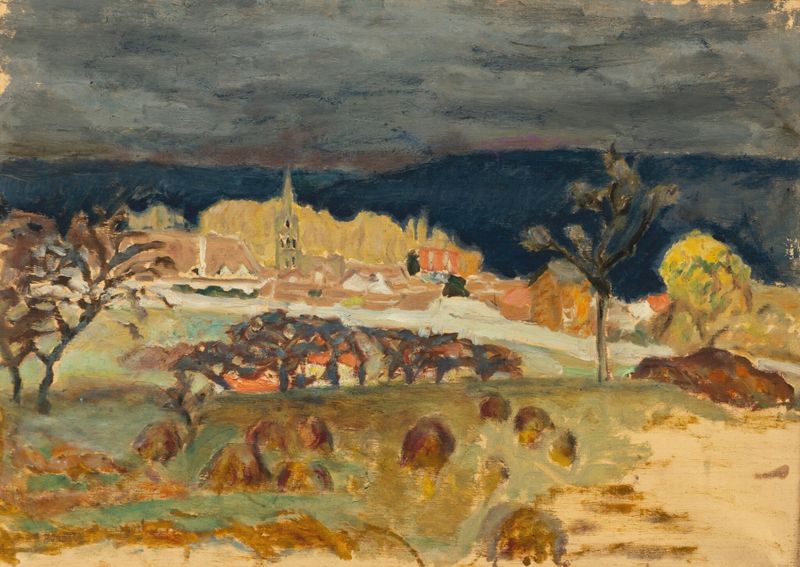
Village, ciel d’orage
Pierre Bonnard
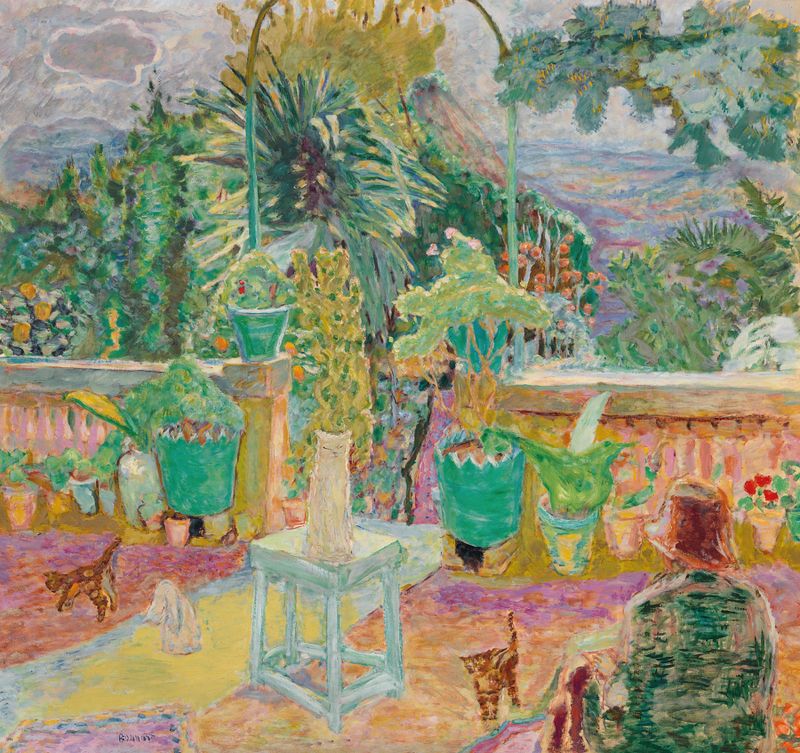
La Terrasse ou Une terrasse à Grasse
Pierre Bonnard





