
Paysage de Saint-Tropez — History & Facts
Could a single brushstroke hold eternity? In Paysage de Saint-Tropez, the brilliance of color embodies a profound sense of loneliness, inviting viewers to reflect on the depth of solitude amidst breathtaking beauty. Look to the left at the vibrant azure sky, where the sunlight spills across the canvas like melted gold. Notice the lush greens of the trees, punctuated by splashes of warm ochre and deep indigo. The composition draws your eye toward the tranquil shoreline, while delicate brushwork evokes the gentle movement of waves lapping against the sand.
Each stroke reveals Bonnard's mastery in capturing both the physical landscape and an emotional ambiance, eloquently bridging the exterior world with inner sentiments. Yet, hidden within the allure of the landscape lies a stark contrast; the serene beauty is tinged with an underlying melancholy. The seemingly idyllic setting, typically associated with joy and revelry, instead whispers of desolation and detachment. Bonnard's choice of color and light captures not just a place, but the bittersweet nature of memory and longing, as if the scene is a distant echo of happiness now lost. Created in 1928 while living in France, Bonnard painted Paysage de Saint-Tropez during a period of intense personal reflection.
His earlier works had explored the vibrancy of life, yet this piece reveals a transition, as he grappled with themes of solitude amid the backdrop of a changing world. The late 1920s marked a time of both artistic experimentation and personal introspection for him, as he sought to reconcile his surroundings with his own feelings of isolation.
More Artworks by Pierre Bonnard
Browse all →
Les deux fiacres (Boulevard des Batignolles)
Pierre Bonnard

Le Balcon Et L’ombrelle
Pierre Bonnard

Paysage de Vernon
Pierre Bonnard

Place Pigalle at Night
Pierre Bonnard
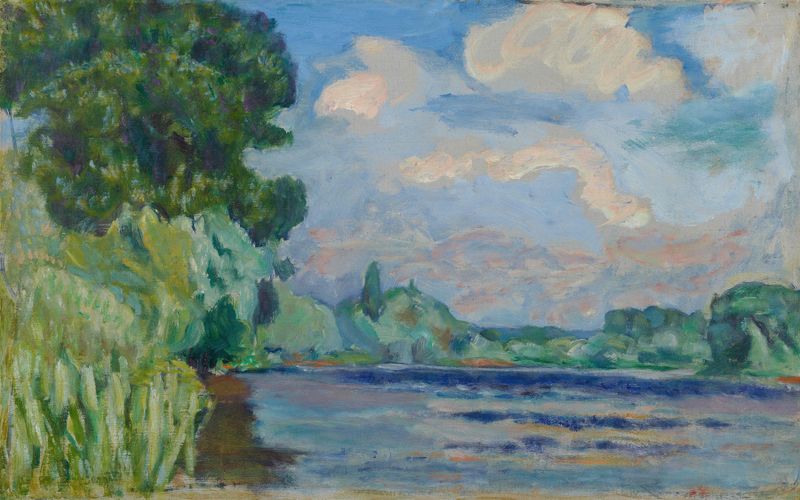
La Seine à Vernon
Pierre Bonnard

Les Toits
Pierre Bonnard
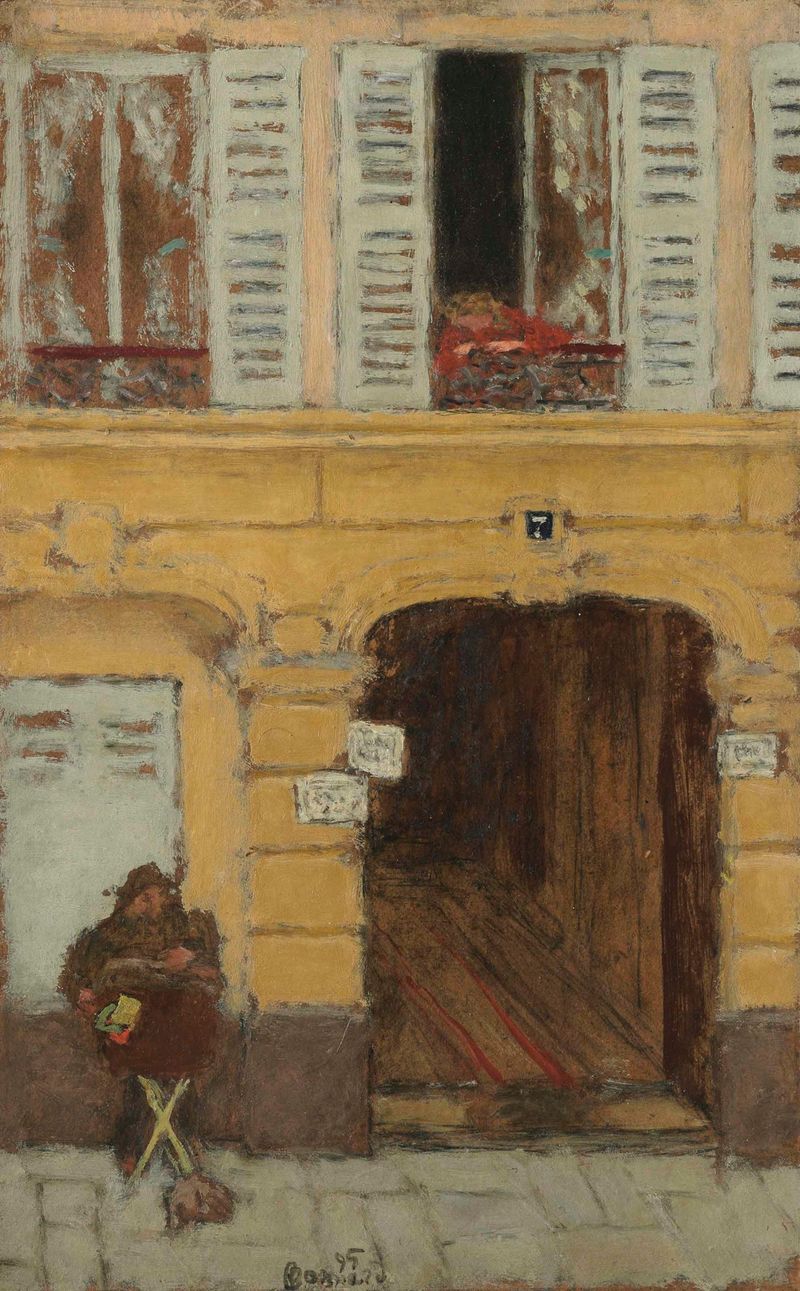
L’orgue de Barbarie ou Le joueur d’orgue
Pierre Bonnard

Soleil Couchant
Pierre Bonnard
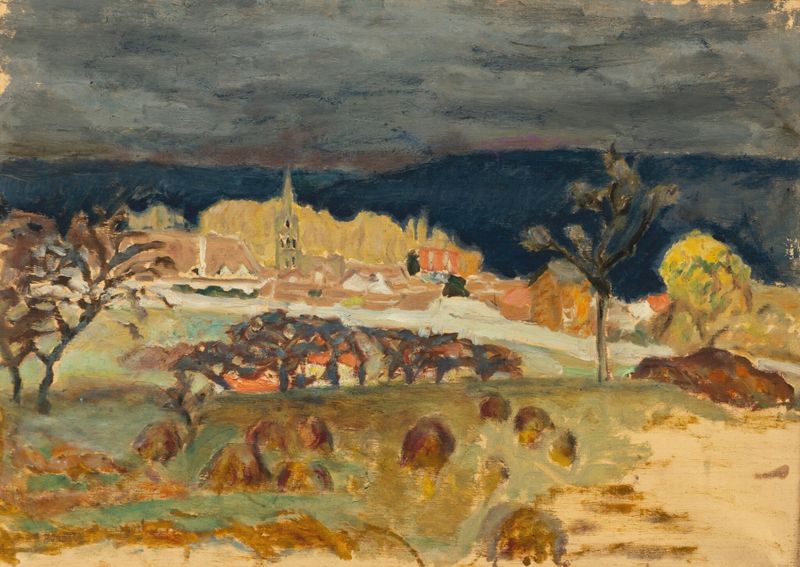
Village, ciel d’orage
Pierre Bonnard
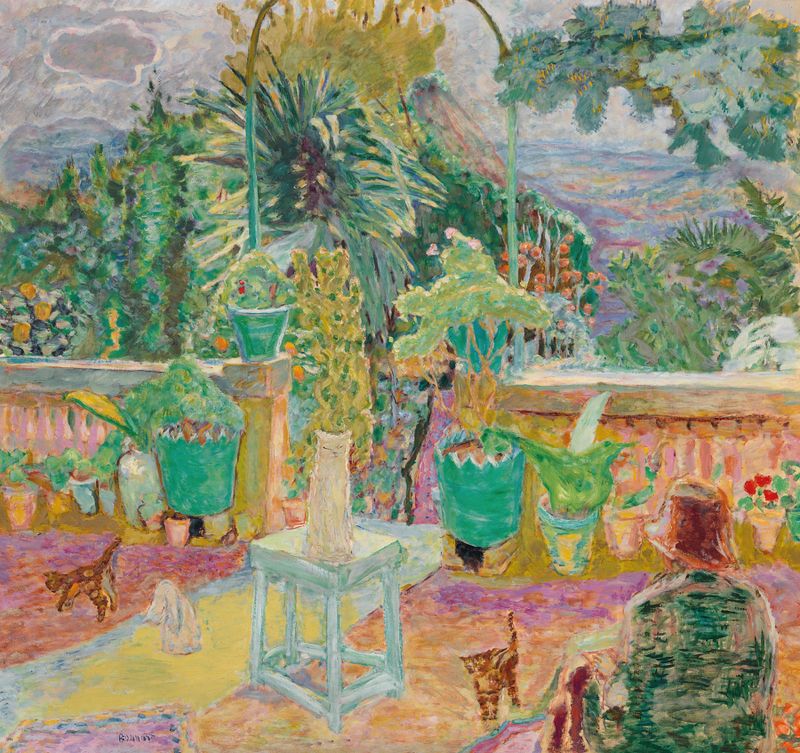
La Terrasse ou Une terrasse à Grasse
Pierre Bonnard





