
Place Pigalle at Night — History & Facts
Can paint confess what words never could? In Place Pigalle at Night, chaos dances in vibrant hues as the night unfolds, whispering secrets hidden beneath the surface. Look to the left at the bustling streets filled with figures, some blurred and almost ghostly, capturing the frenetic energy that embodies Montmartre after dark. Notice how the light spills and glimmers across the wet pavement, reflecting a riot of colors that distort reality. Bonnard’s use of rich, saturated tones creates an intoxicating atmosphere, inviting the viewer to venture deeper into the scene’s layered complexities. As you absorb the environment, consider the contrast between the lively figures and the quiet corners, suggesting both connection and isolation amid the commotion.
The chaotic patterns of movement echo the unpredictability of urban life, while the softer, shadowy areas hint at personal solitude. Each brushstroke reveals a tension between exuberance and melancholy, as if Bonnard was both enchanted and unsettled by the nocturnal world around him. In the years between 1905 and 1908, Bonnard painted this work in Paris, during a time when the city was a melting pot of artistic innovation and bohemian culture. He was part of the Nabis group, which emphasized expression through color and form, breaking away from traditional representation.
As he explored the vibrant nightlife around Place Pigalle, he captured a moment in art history where the depths of human experience were being redefined.
More Artworks by Pierre Bonnard
Browse all →
Les deux fiacres (Boulevard des Batignolles)
Pierre Bonnard

Le Balcon Et L’ombrelle
Pierre Bonnard

Paysage de Vernon
Pierre Bonnard
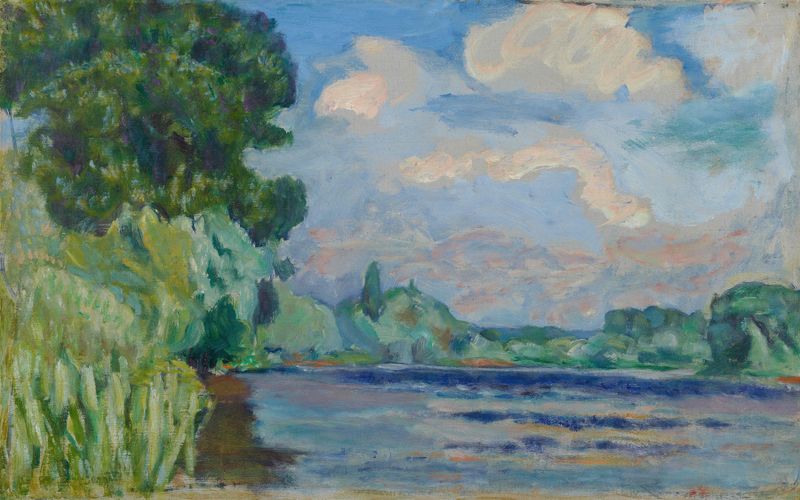
La Seine à Vernon
Pierre Bonnard

Les Toits
Pierre Bonnard
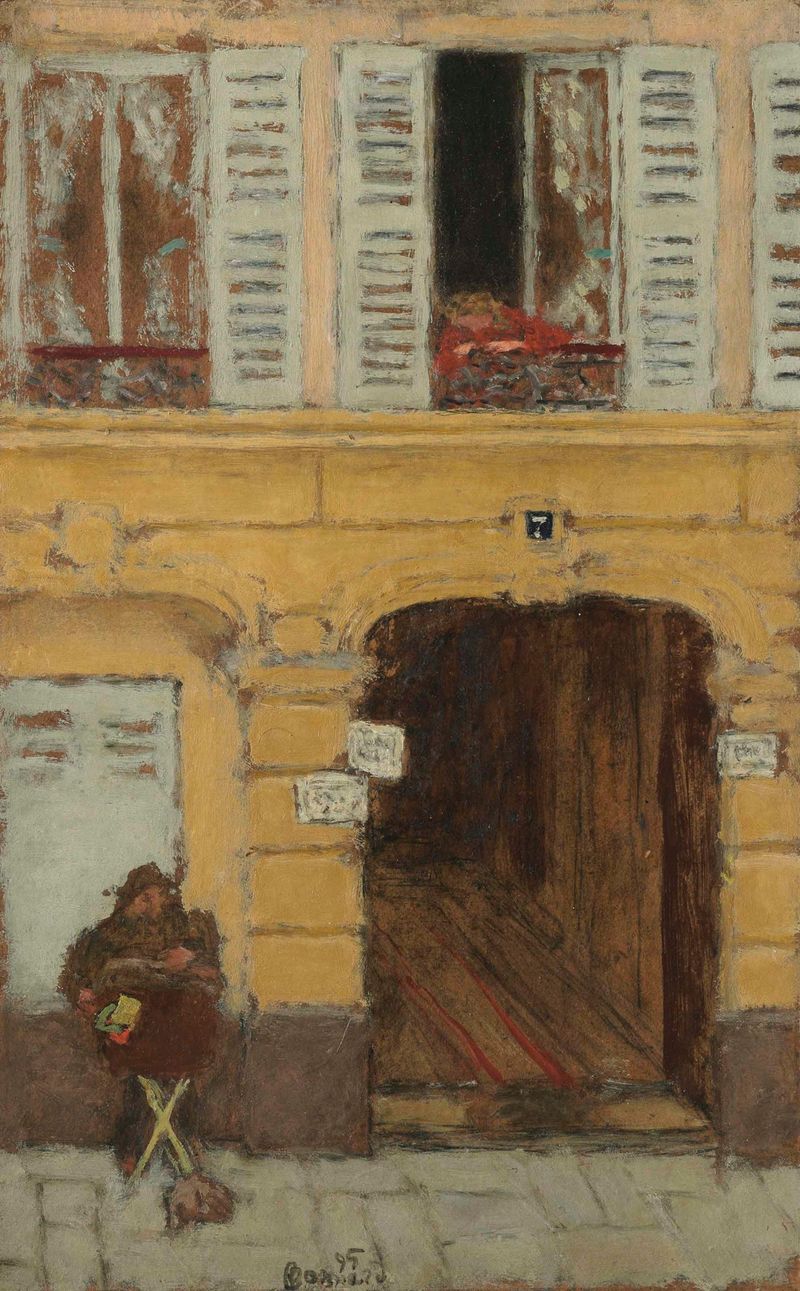
L’orgue de Barbarie ou Le joueur d’orgue
Pierre Bonnard

Paysage de Saint-Tropez
Pierre Bonnard

Soleil Couchant
Pierre Bonnard
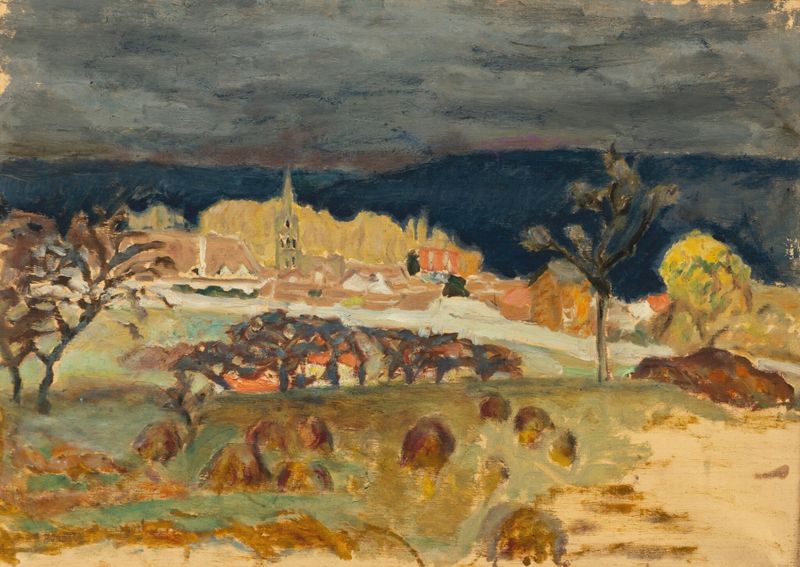
Village, ciel d’orage
Pierre Bonnard
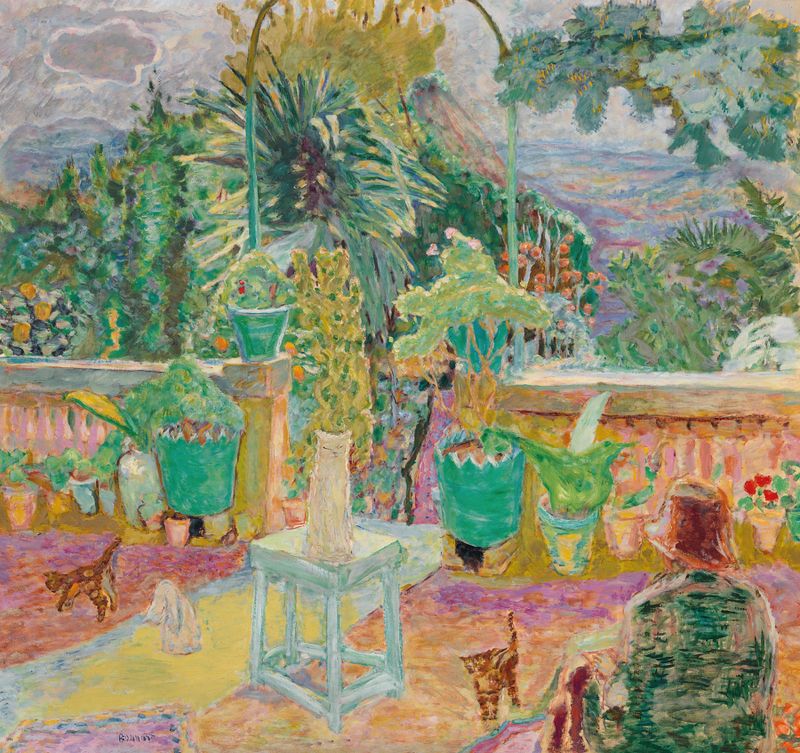
La Terrasse ou Une terrasse à Grasse
Pierre Bonnard





