
Le Balcon Et L’ombrelle — History & Facts
What if beauty was never meant to be finished? In Le Balcon Et L’ombrelle, shadow and light converge, inviting us to ponder the ephemeral nature of existence and perception. Focus on the delicate interplay of colors. Look closely at the luminous yellows and soft pinks that dance around the figure under the umbrella. Notice how the sunlight filters through the leaves, casting intricate patterns that weave between the tangible and the intangible.
The composition draws your eye to the woman on the balcony, her pose languid yet engaged—a serene embodiment of introspection caught in the chaos of a sun-drenched moment. Yet beneath this calm surface lies a tension between presence and absence. The shadow of the umbrella looms large, a reminder of both shelter and separation. It suggests a protective cocoon while simultaneously hinting at isolation.
The vibrant hues of the surrounding scene contrast the muted tones of her figure, highlighting a complex emotional landscape that echoes the intricacies of human experience—the desire for connection shadowed by the barriers we construct. Created in 1904, Bonnard painted this piece during a pivotal period in his career, as he moved away from the constraints of Impressionism toward a more personal expression of color and form. Living in Paris, he was deeply influenced by the evolving art scene, including symbolism and the emerging modernist movement. This work reflects both his artistic growth and the broader currents of change in the world around him, capturing a fleeting moment that resonates with the timeless search for beauty.
More Artworks by Pierre Bonnard
Browse all →
Les deux fiacres (Boulevard des Batignolles)
Pierre Bonnard

Paysage de Vernon
Pierre Bonnard

Place Pigalle at Night
Pierre Bonnard
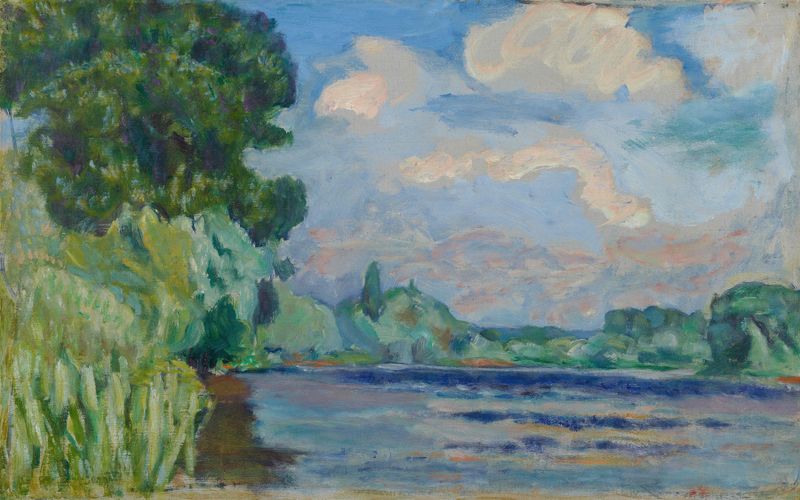
La Seine à Vernon
Pierre Bonnard

Les Toits
Pierre Bonnard
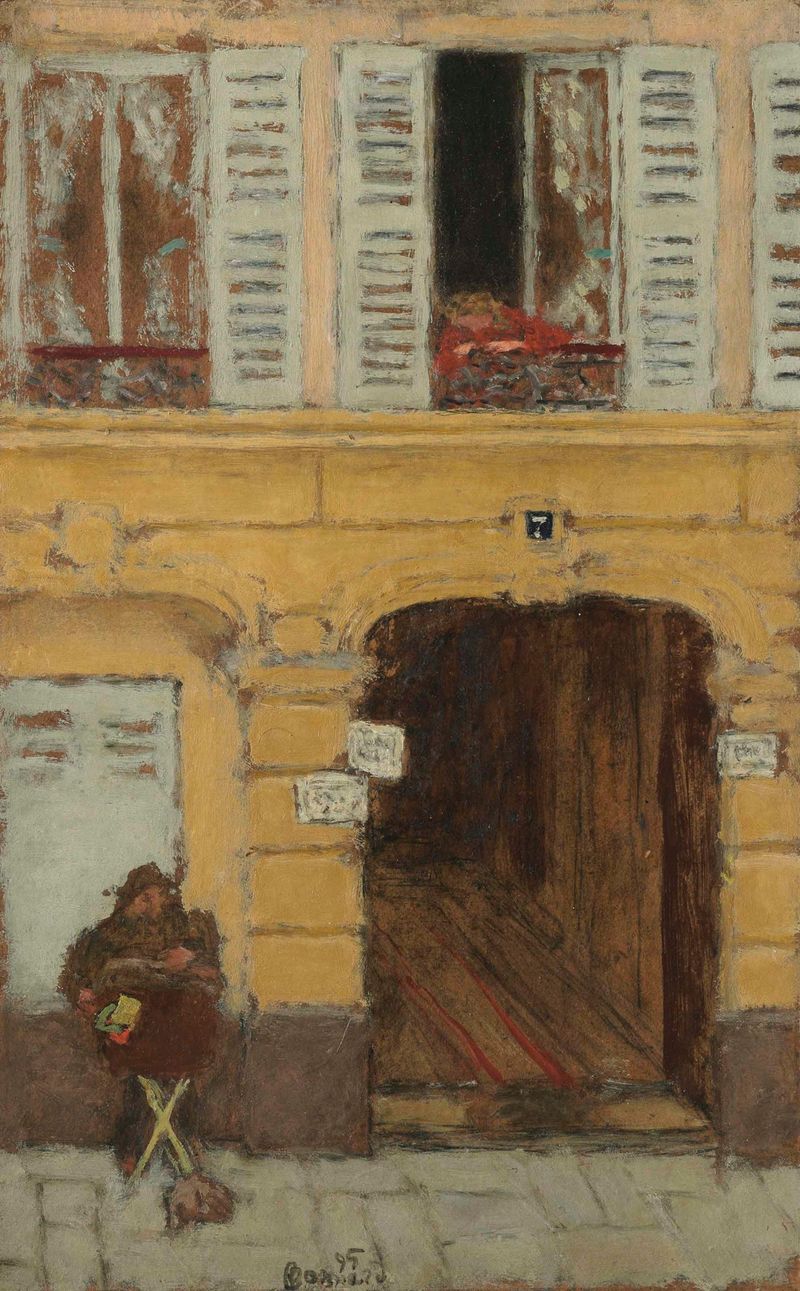
L’orgue de Barbarie ou Le joueur d’orgue
Pierre Bonnard

Paysage de Saint-Tropez
Pierre Bonnard

Soleil Couchant
Pierre Bonnard
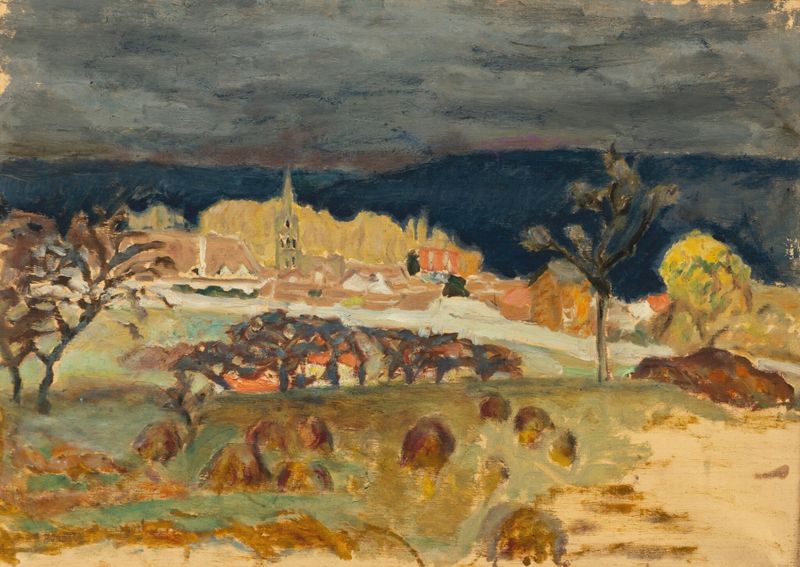
Village, ciel d’orage
Pierre Bonnard
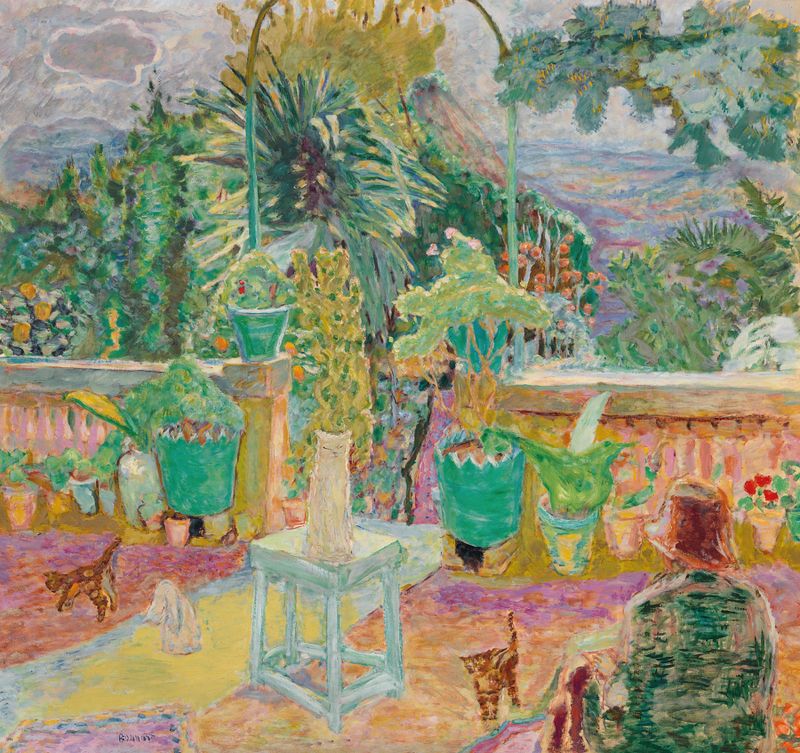
La Terrasse ou Une terrasse à Grasse
Pierre Bonnard





