
Les deux fiacres (Boulevard des Batignolles) — History & Facts
When did color learn to lie? In Les deux fiacres (Boulevard des Batignolles), the vibrant hues envelop a moment, promising both joy and melancholy in their embrace. This canvas speaks of the interplay between light and human emotion, where every brushstroke appears to dance on the threshold of reality and illusion. Focus your gaze on the golden sunlight cascading over the bustling street, illuminating the two carriages at the center. Notice how the rich blues and warm yellows collide, creating a dialogue that draws the eye deeper into the scene.
Bonnard masterfully balances the figures and their surroundings, allowing the rhythmic patterns of brushwork to pull you into the heart of Parisian life, teeming with movement and stories yet to be told. Yet beneath the surface vibrancy lies a delicate tension. The seemingly joyful scene hints at an underlying solitude, as if the carriages carry not just passengers but unspoken dreams and desires. The contrast between the jubilant colors and the stillness of the figures invites contemplation about the layers of human experience, where hope often intertwines with longing and uncertainty. Pierre Bonnard painted this captivating piece in 1901, during a time when he was deeply influenced by the Nabi movement, which sought to express emotional responses through color and form.
Living in Paris, amid an artistic renaissance, he explored new techniques that pushed the boundaries of Impressionism, capturing the essence of modern life while reflecting on the deeper sentiments of the human condition.
More Artworks by Pierre Bonnard
Browse all →
Le Balcon Et L’ombrelle
Pierre Bonnard

Paysage de Vernon
Pierre Bonnard

Place Pigalle at Night
Pierre Bonnard
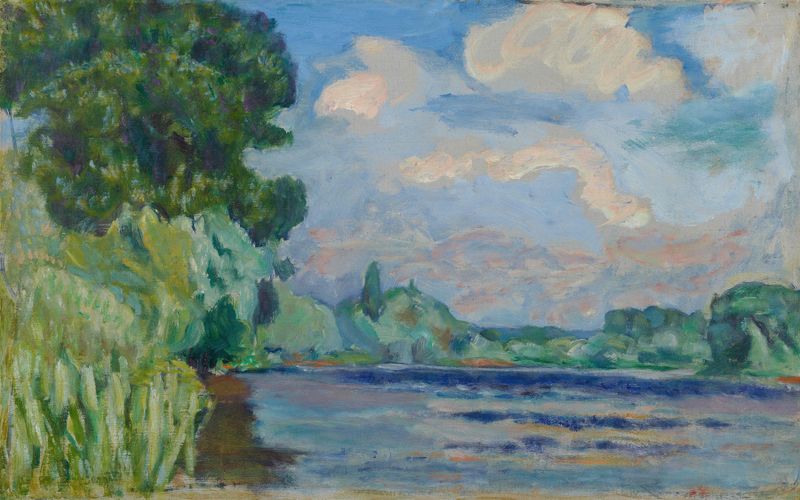
La Seine à Vernon
Pierre Bonnard

Les Toits
Pierre Bonnard
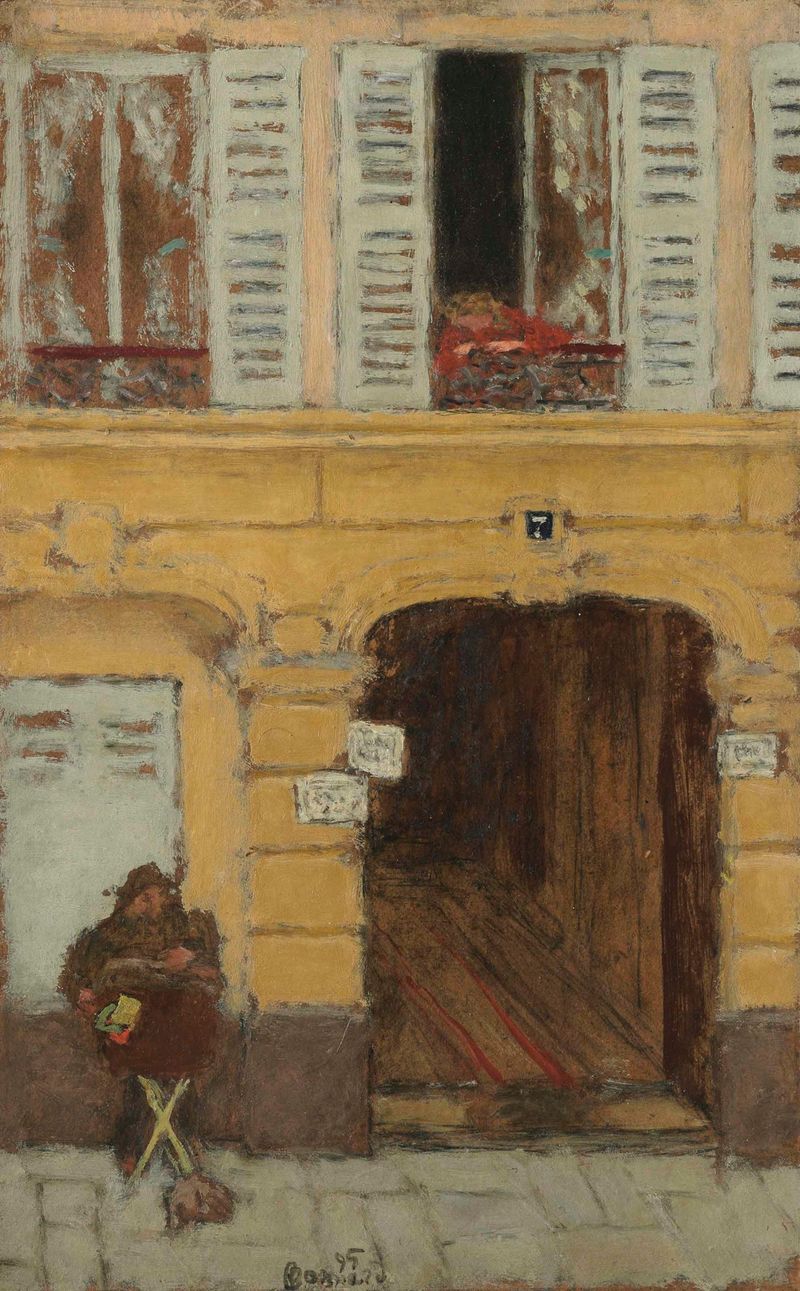
L’orgue de Barbarie ou Le joueur d’orgue
Pierre Bonnard

Paysage de Saint-Tropez
Pierre Bonnard

Soleil Couchant
Pierre Bonnard
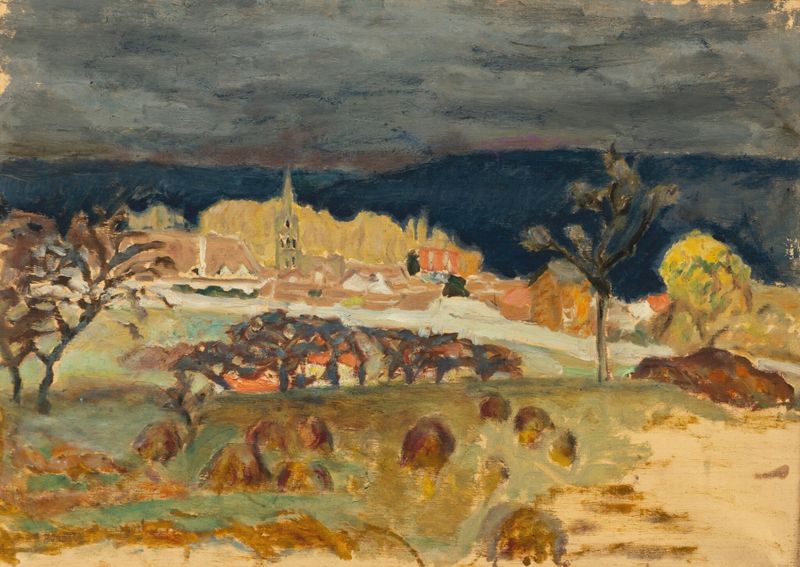
Village, ciel d’orage
Pierre Bonnard
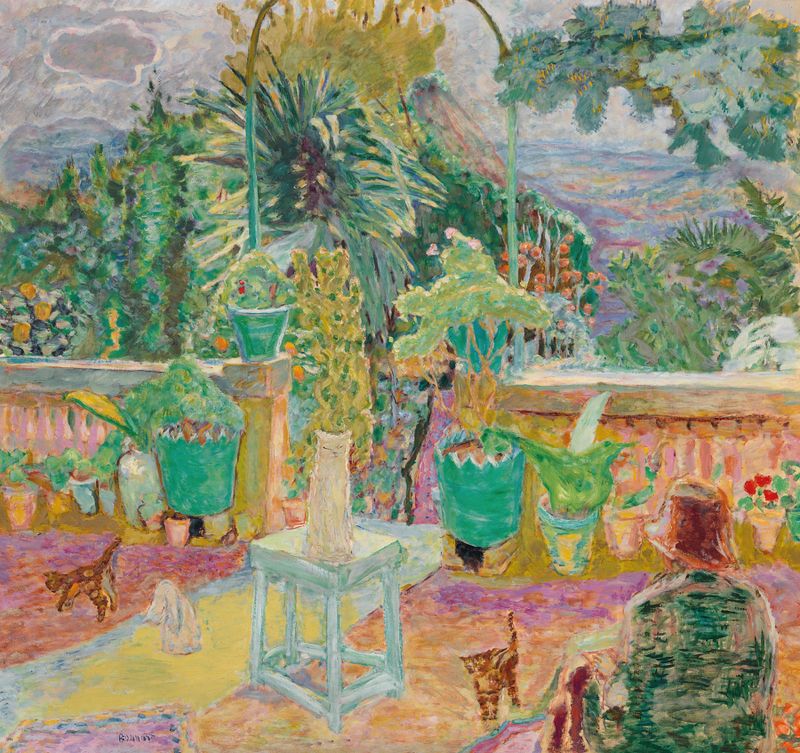
La Terrasse ou Une terrasse à Grasse
Pierre Bonnard





