
Soleil Couchant — History & Facts
Art reveals the soul when the world turns away. In moments of transformation, the quiet resilience of nature speaks volumes, offering glimpses into our innermost selves. Look to the vibrant oranges and deep purples that dominate the canvas; they pulse with the warmth of a setting sun, inviting the viewer to dive into the dusky embrace of twilight. Notice how the light gently spills across the landscape, weaving through shadows that stretch long and languid.
The composition draws the eye toward the horizon, where the sky’s colors meld seamlessly into the earth, creating a harmonious blend that captures the fleeting beauty of day’s end. Within this tranquil scene lies a poignant contrast between light and shadow, symbolizing the transient nature of life and time. The soft brushstrokes evoke a sense of intimacy, suggesting the ephemeral quality of the moment as it dances between day and night. Each petal and blade of grass catches the dying light, hinting at the potential for rebirth and new beginnings, even in darkness. In 1920, Pierre Bonnard created Soleil Couchant during a period rich in artistic exploration, as he transitioned toward a deeply personal style that merged intimacy with observation.
Living in the south of France, he found inspiration in the changing light and colors of his surroundings, reflecting a shift in post-war sentiment and a desire for deeper emotional resonance in art. This painting symbolizes not just the beauty of nature, but also an artist’s longing for connection amidst the complexities of modern life.
More Artworks by Pierre Bonnard
Browse all →
Les deux fiacres (Boulevard des Batignolles)
Pierre Bonnard

Le Balcon Et L’ombrelle
Pierre Bonnard

Paysage de Vernon
Pierre Bonnard

Place Pigalle at Night
Pierre Bonnard
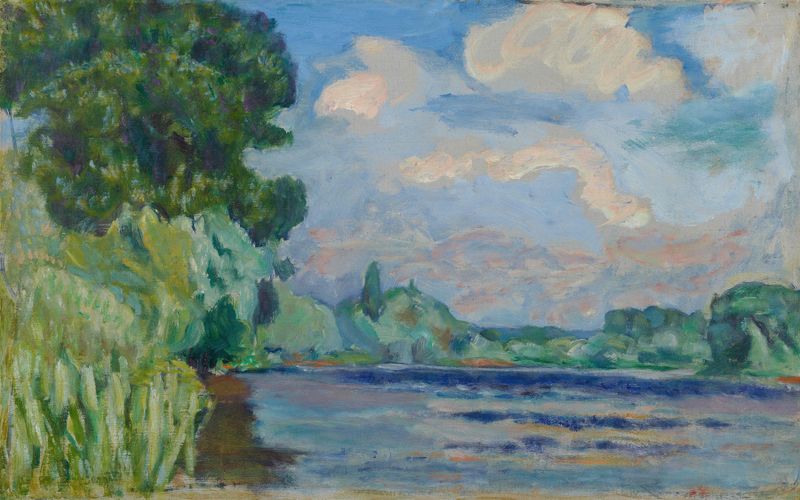
La Seine à Vernon
Pierre Bonnard

Les Toits
Pierre Bonnard
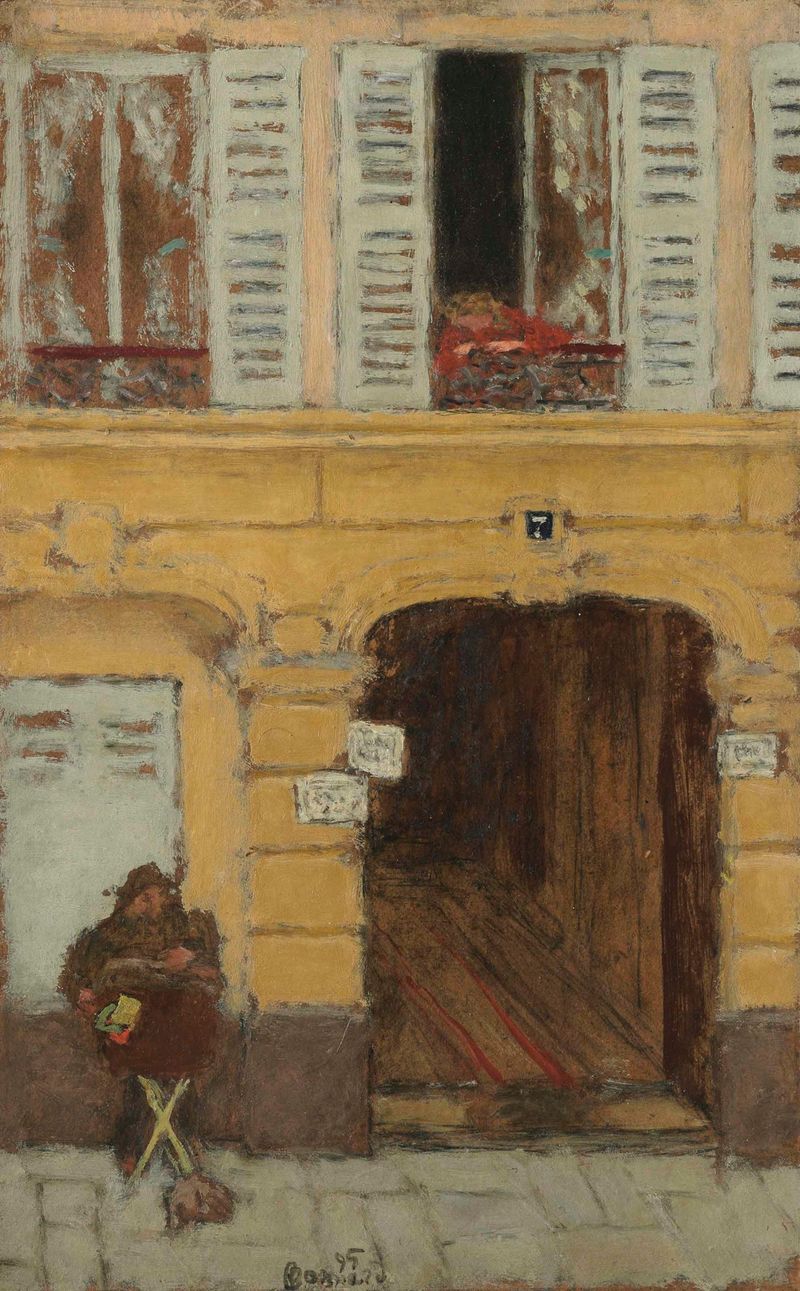
L’orgue de Barbarie ou Le joueur d’orgue
Pierre Bonnard

Paysage de Saint-Tropez
Pierre Bonnard
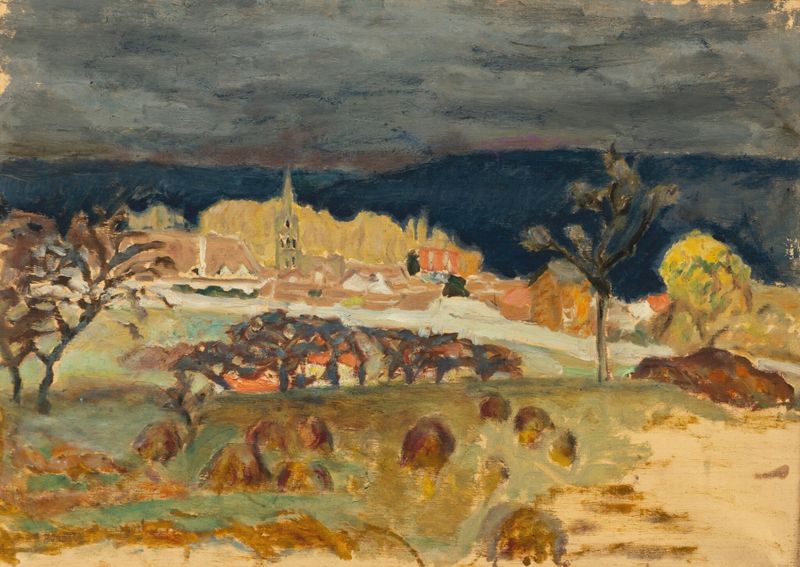
Village, ciel d’orage
Pierre Bonnard
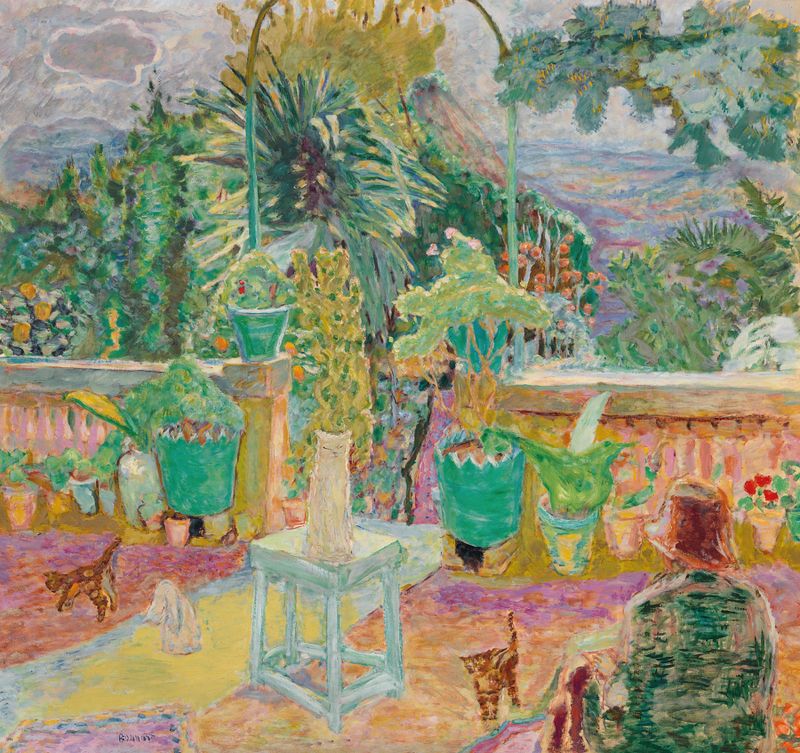
La Terrasse ou Une terrasse à Grasse
Pierre Bonnard





