
La Rue Pirouette — History & Facts
In the delicate balance of serene hues and gentle strokes, the essence of calmness is captured in La Rue Pirouette. The painting invites us to step into a tranquil world, where every detail whispers a story of quietude and introspection. Focus on the soft, muted palette that envelops the street scene, drawing your gaze to the harmonious interplay of pastel tones. Notice how the buildings, with their subtle contours, seem to sigh under the weight of time, while the cobblestone path recedes into a comforting embrace.
The light, diffused yet illuminating, creates an aura of nostalgia as it bathes the scene, inviting your imagination to wander through its stillness. Delve deeper into the emotional layers present in this piece. The slight bend of the street suggests a hidden journey, hinting at stories untold beyond the viewer’s sight. The gentle interplay of shadow and light fosters a sense of sanctuary, contrasting the chaos of urban life outside this tranquil enclave.
Each brushstroke serves as a reminder of serenity's fleeting nature, a moment captured amid whispers of life. Auguste Louis Lepère painted La Rue Pirouette in 1896 during a period when Impressionism was evolving, embracing both realism and abstraction. Living in Paris, he was influenced by the changing artistic landscape, experimenting with techniques that merged detailed observation with emotional resonance. This work reflects his deep appreciation for the quiet beauty found in everyday life, capturing a moment that resonates with timeless tranquility.
More Artworks by Auguste Louis Lepère
Browse all →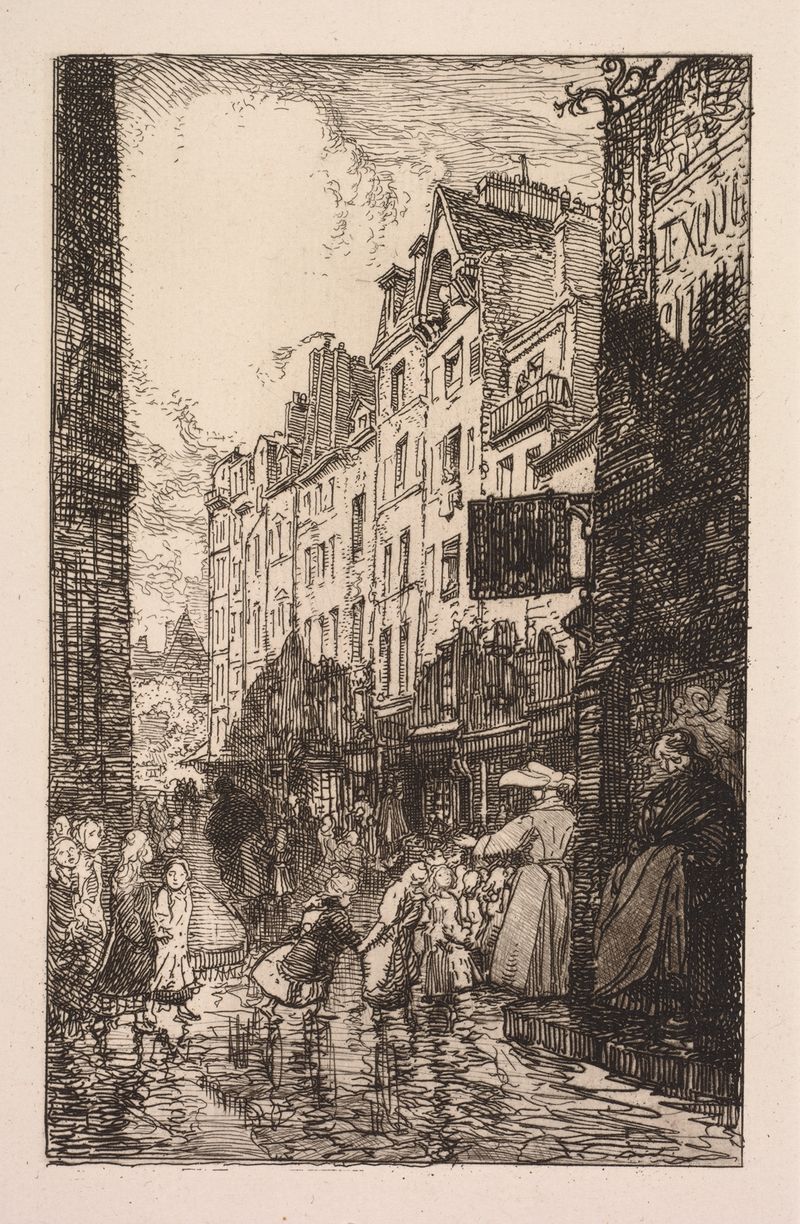
La Rue des Prêtres Saint-Séverin
Auguste Louis Lepère
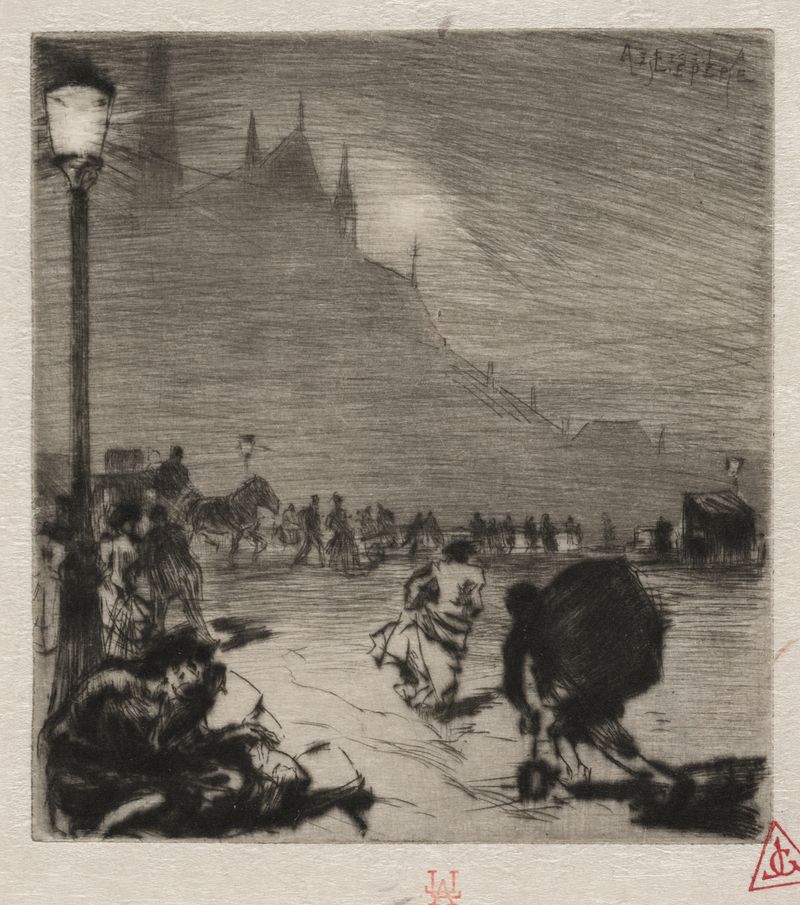
Au Coin du Pont-aux-Doubles
Auguste Louis Lepère
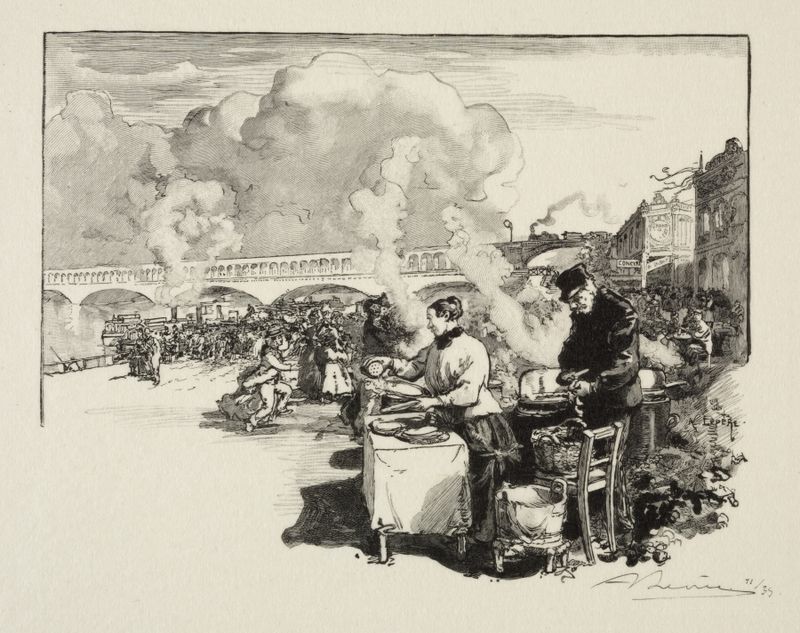
Debarcadère des bateaux-omnibus
Auguste Louis Lepère

La Seine, au quai de la Rapée
Auguste Louis Lepère
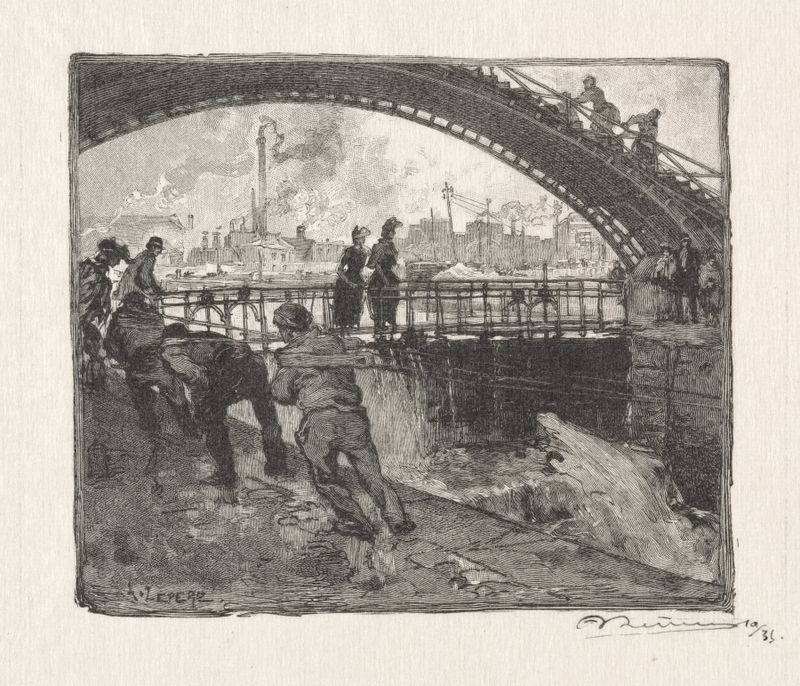
L’Ecluse du Canal St. Martin
Auguste Louis Lepère

Le Boulevard Montmartre, le Soir
Auguste Louis Lepère

Une Chasse au Mont Gérard
Auguste Louis Lepère
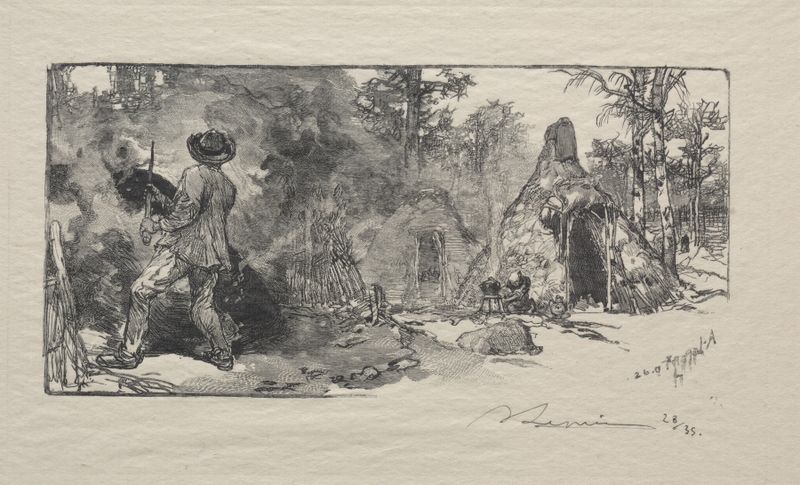
Les Charbonniere
Auguste Louis Lepère
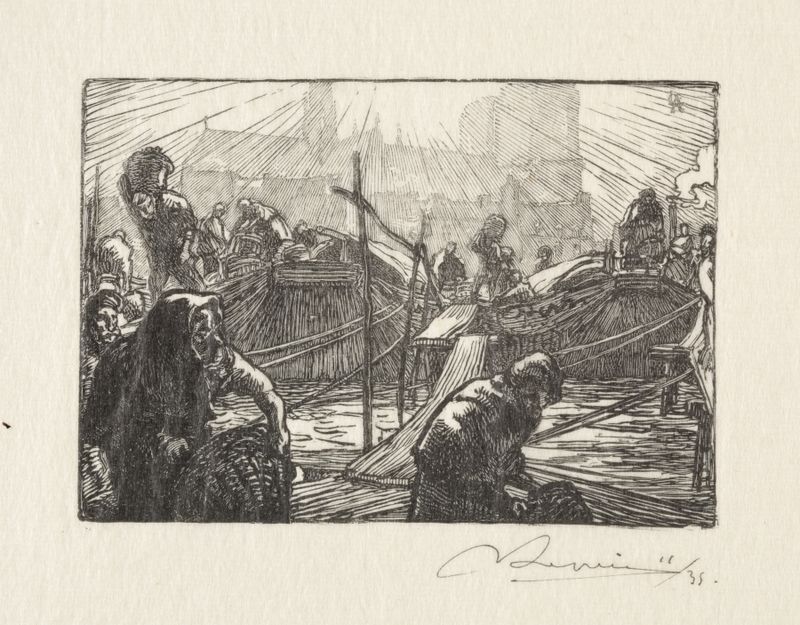
Notre Dame vue du Marché aux pommes
Auguste Louis Lepère

Le Palais des Arts Liberaux, Intèrieur
Auguste Louis Lepère





