
Laatste Avondmaal — History & Facts
This thought lingers as the viewer approaches the intricate tableau crafted by a masterful hand. The interplay of light and shadow invites reflection on the nature of truth, revealing layers of meaning hidden beneath the surface. Look closely at the central figures, where delicate lines etch expressions of solemnity and contemplation. Notice how the rich hues of the garments contrast starkly with the muted tones of the background, drawing your eye to the stillness of the moment.
The meticulously detailed facial expressions and the careful arrangement of each character create a palpable tension, hinting at the weight of their shared fate. Delve deeper into the symbolism woven throughout the piece. The absence of lavish ornaments reflects a stark reality, a reminder that even in moments of beauty, there exists an undercurrent of sorrow. Each gesture carries a narrative of its own—some hands reach out, while others grasp tightly, illustrating the struggle between connection and separation.
The juxtaposition of light against dark amplifies this emotional tension, suggesting that truth often resides in the shadows of our desires. During the years 1619 to 1624, Jacques Callot was creating this work in France, a period marked by intense religious and political upheaval. The counter-reformation echoed through the art world, pushing artists to explore deeper moral complexities in their depictions. Callot’s attention to the human condition, combined with his technical prowess, positioned him as a pivotal figure in the evolving landscape of Baroque art.
More Artworks by Jacques Callot
Browse all →
Titelprent voor de prentreeks 'De kleine apostelen' (Het martelaarschap van de apostelen)
Jacques Callot
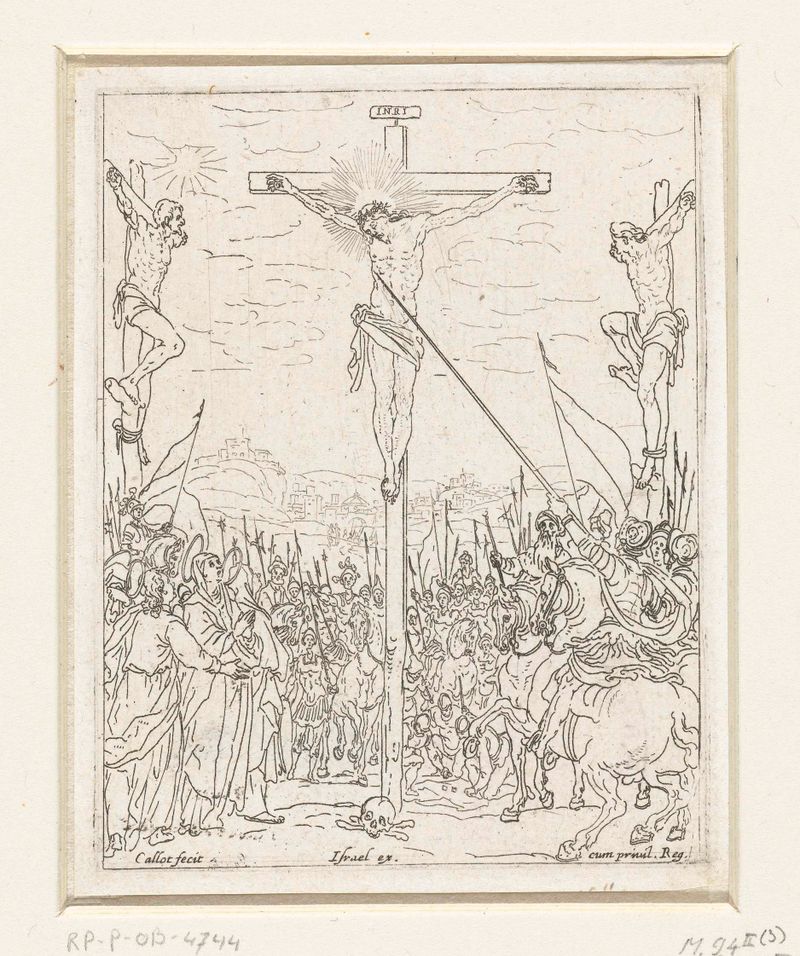
Kruisiging
Jacques Callot

De doortocht door de Rode Zee
Jacques Callot

De verloren zoon als zwijnenhoeder
Jacques Callot

Annunciatie
Jacques Callot
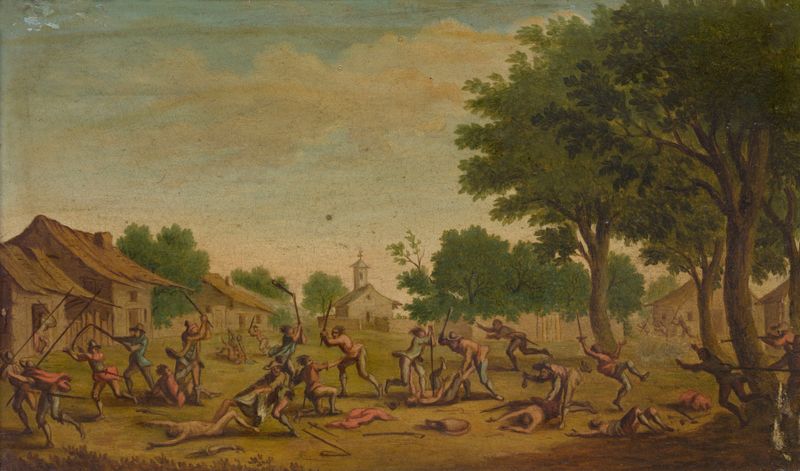
Village Fight
Jacques Callot

Titelprent voor prentreeks 'Het leven van Maria'
Jacques Callot
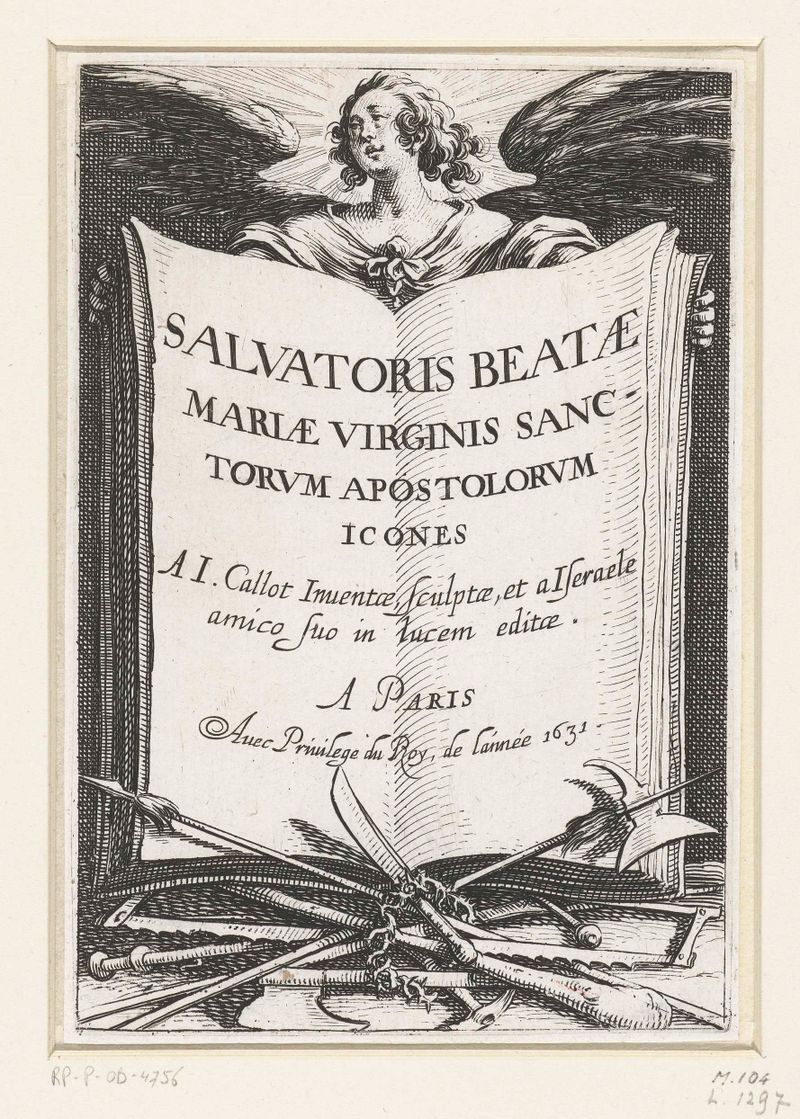
Titelprent voor de prentreeks 'De grote apostelen' (Christus, Maria en de apostelen)
Jacques Callot

Christus aan het volk getoond (Ecce homo)
Jacques Callot
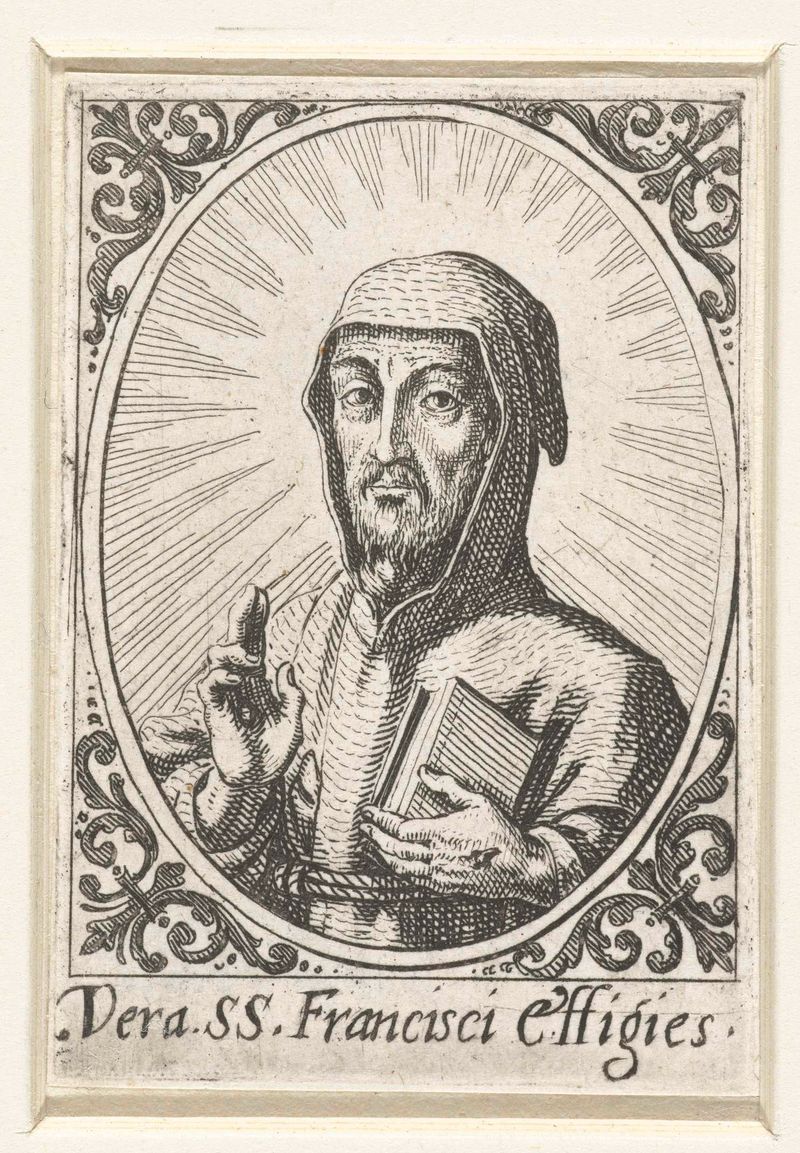
Portret van de Heilige Franciscus
Jacques Callot
More Religious Art
Browse all →
The Return of the Prodigal Son
Rembrandt van Rijn

The Garden of Earthly Delights
El Bosco

Count Orgaz’ funeral
El Greco

The Hundred Guilder Print: the central piece with Christ preaching, the plate arched
Rembrandt van Rijn

The Descent from the Cross
Rogier van der Weyden

The return of the prodigal son
Rembrandt van Rijn