
Laatste Avondmaal — History & Facts
It is in the liminal space of dreams where the familiar transforms into the extraordinary, capturing the essence of humanity in fleeting moments. Focus on the intricate details woven throughout the composition. The figures, arranged around a central table, draw the eye immediately to the tension of their postures — some reclined, others gesturing wildly. The interplay of light and shadow reveals their expressions, a delicate interplay that breathes life into their actions.
Notice how the muted tones contrast with the vibrant highlights, creating a sense of depth that invites the viewer to step into this sacred moment. As you gaze deeper, consider the emotional currents at play. The varying degrees of engagement among the figures hint at internal struggles, a shared dream teetering on the edge of reality. The positioning of hands, some reaching out while others withdraw, marks a profound juxtaposition between connection and isolation.
Each element — the food, the wine, the gestures — symbolizes both nourishment and betrayal, encapsulating the duality of human experience. During the years of 1619 to 1624, the artist crafted this piece amid a backdrop of religious turmoil and the flourishing of Baroque art in Europe. Callot was known for his ability to blend the mundane with the ethereal, capturing the spirit of an age that grappled with faith and doubt. This artwork reflects not only his masterful technique but also the profound narratives that permeated the society of his time, rendering a timeless exploration of the human condition.
More Artworks by Jacques Callot
Browse all →
Titelprent voor de prentreeks 'De kleine apostelen' (Het martelaarschap van de apostelen)
Jacques Callot
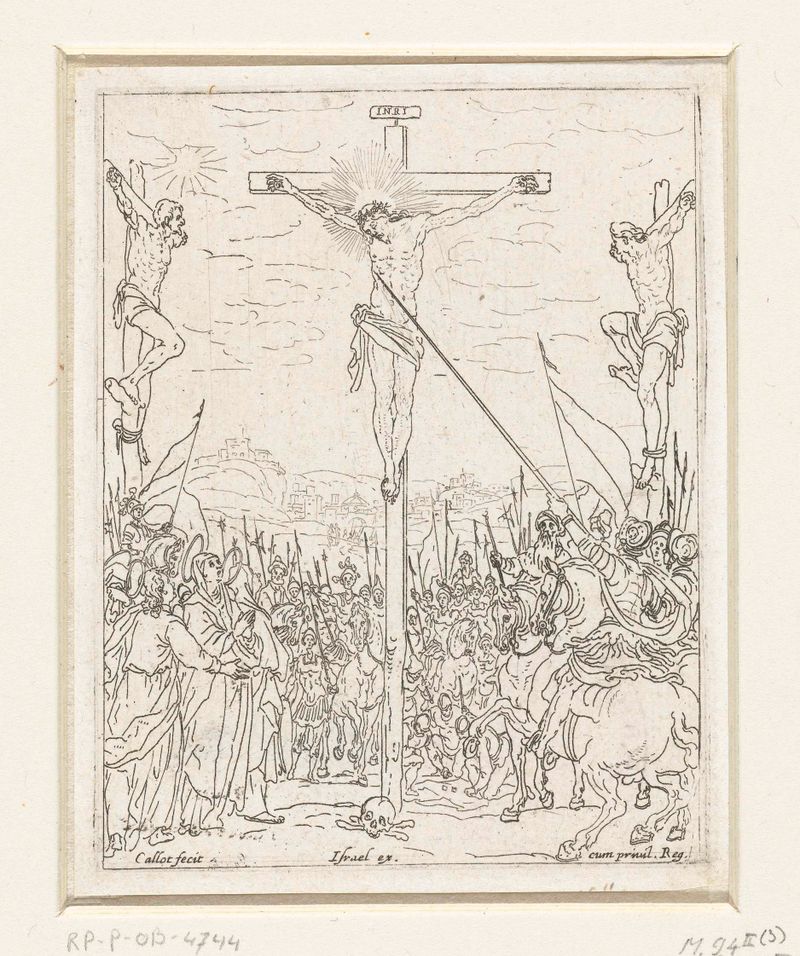
Kruisiging
Jacques Callot

De doortocht door de Rode Zee
Jacques Callot

De verloren zoon als zwijnenhoeder
Jacques Callot

Annunciatie
Jacques Callot
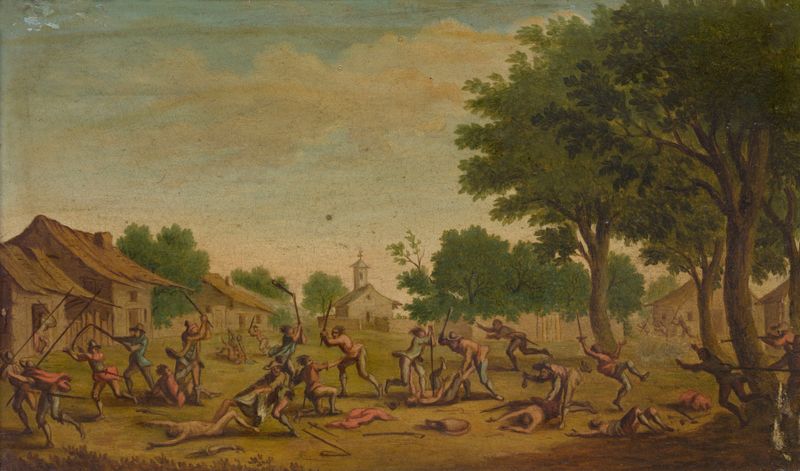
Village Fight
Jacques Callot

Titelprent voor prentreeks 'Het leven van Maria'
Jacques Callot
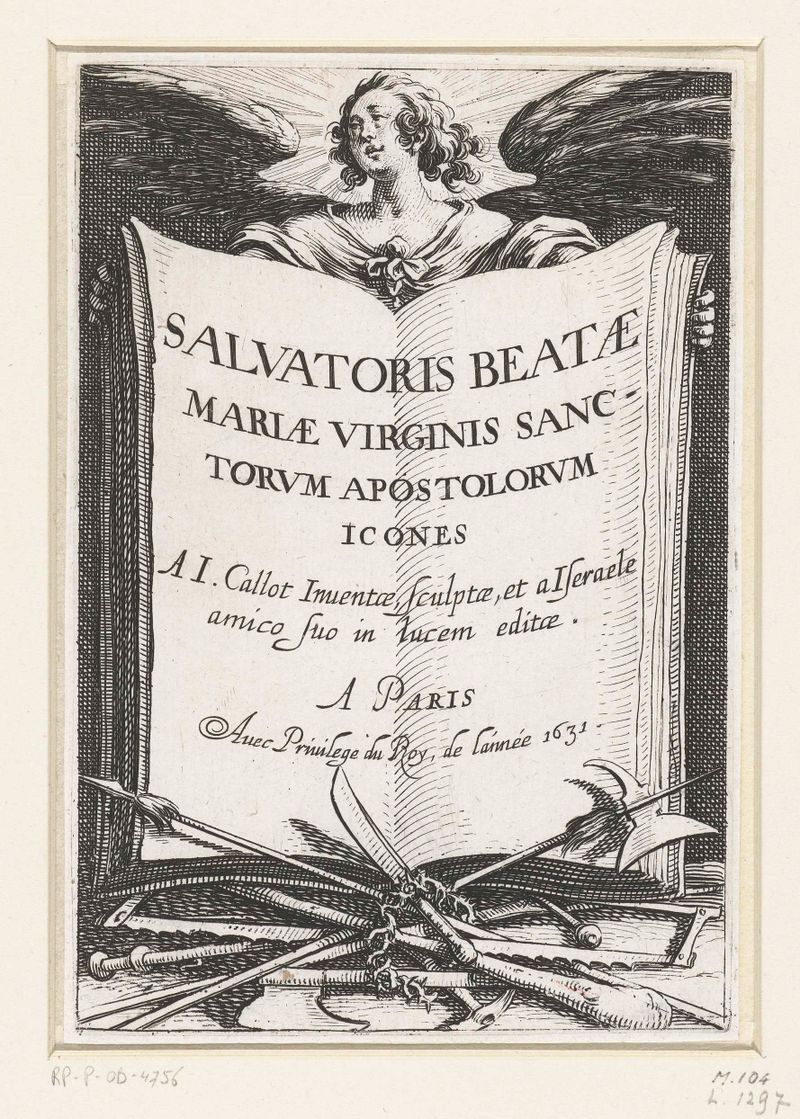
Titelprent voor de prentreeks 'De grote apostelen' (Christus, Maria en de apostelen)
Jacques Callot

Christus aan het volk getoond (Ecce homo)
Jacques Callot
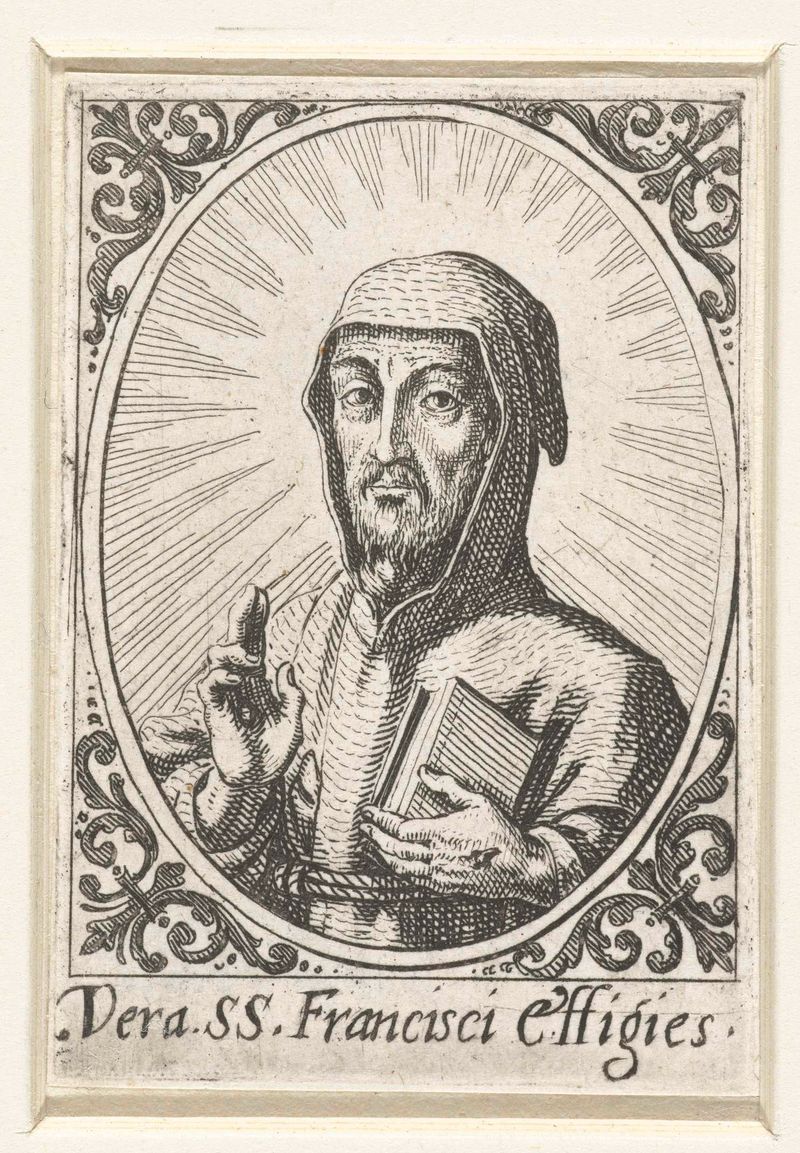
Portret van de Heilige Franciscus
Jacques Callot
More Religious Art
Browse all →
The Return of the Prodigal Son
Rembrandt van Rijn

The Garden of Earthly Delights
El Bosco

Count Orgaz’ funeral
El Greco

The Hundred Guilder Print: the central piece with Christ preaching, the plate arched
Rembrandt van Rijn

The Descent from the Cross
Rogier van der Weyden

The return of the prodigal son
Rembrandt van Rijn