
Laatste Avondmaal — History & Facts
Can paint confess what words never could? In Laatste Avondmaal, Jacques Callot captures a poignancy that lingers beyond the canvas, inviting a reflection on the profound weight of fleeting moments. Look to the center, where a dimly lit table is set with sparse, modest fare, yet it cradles an atmosphere thick with tension. The figures surrounding this last supper exhibit an array of gestures—some bowed in prayer, others gazing off into the distance—that communicate an unspoken sorrow. The muted palette of browns and grays, punctuated by the faint glow of candlelight, expertly draws the viewer’s eye, reinforcing the somber tone of this final gathering.
Notice how the light seems to cascade over their faces, a divine touch that simultaneously highlights their frailty and humanity. Delve deeper into the details—the hands folded in resignation, the downcast eyes that reveal unshared burdens. Each character embodies a moment of introspection, their expressions a haunting mosaic of grief and acceptance. The background, shrouded in shadow, signifies the looming darkness of betrayal and loss, contrasting the ephemeral light of hope lingering at the table.
This juxtaposition adds layers of complexity, evoking a sense of melancholy that resonates both within the scene and in the soul of the viewer. In the early 1620s, Callot was immersed in the baroque artistic movement, residing in Lorraine, France. His works were characterized by intricate detail and emotional depth, reflecting the turbulent socio-political climate of the time, including the Thirty Years' War. Laatste Avondmaal, created between 1624 and 1625, exemplifies his ability to convey profound narratives through the lens of personal and collective experience, anchoring the viewer in a moment that resonates with both beauty and despair.
More Artworks by Jacques Callot
Browse all →
Titelprent voor de prentreeks 'De kleine apostelen' (Het martelaarschap van de apostelen)
Jacques Callot
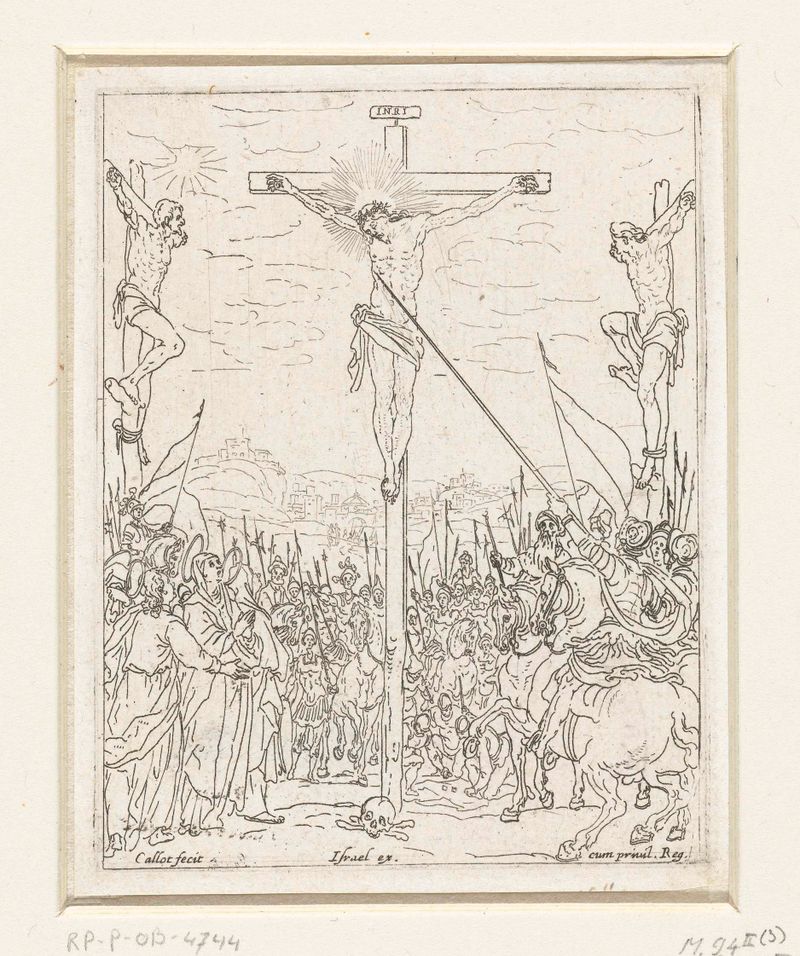
Kruisiging
Jacques Callot

De doortocht door de Rode Zee
Jacques Callot

De verloren zoon als zwijnenhoeder
Jacques Callot

Annunciatie
Jacques Callot
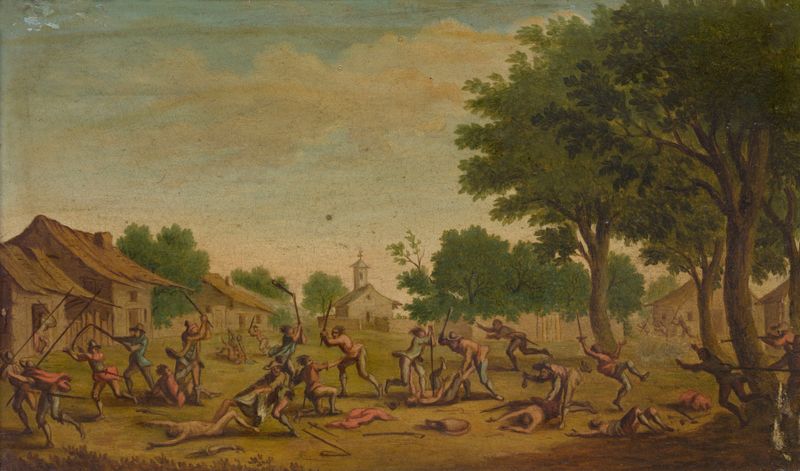
Village Fight
Jacques Callot

Titelprent voor prentreeks 'Het leven van Maria'
Jacques Callot
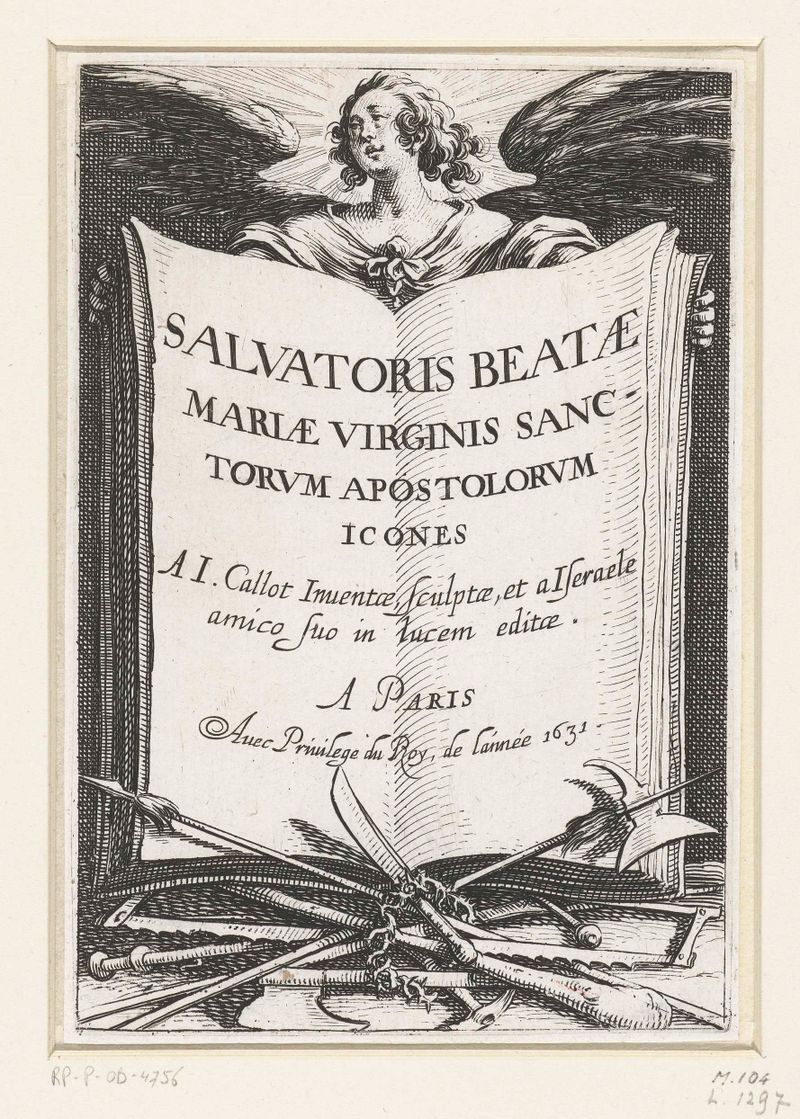
Titelprent voor de prentreeks 'De grote apostelen' (Christus, Maria en de apostelen)
Jacques Callot

Christus aan het volk getoond (Ecce homo)
Jacques Callot
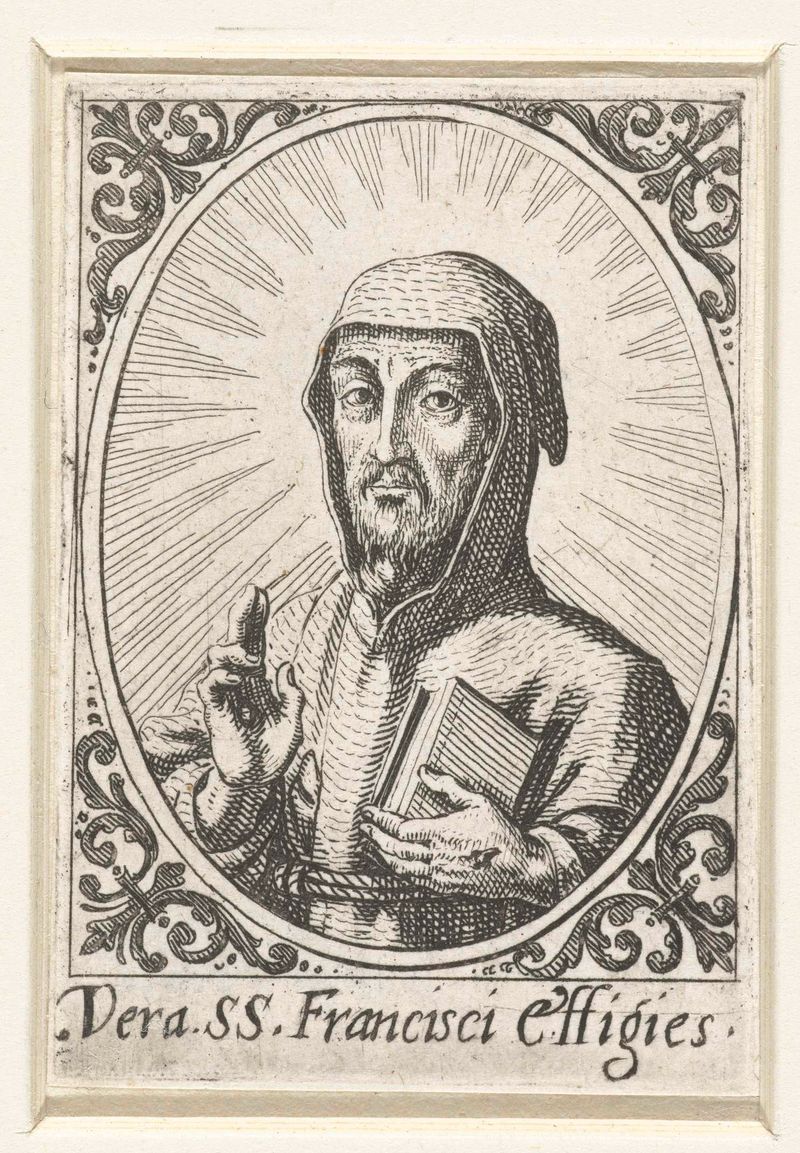
Portret van de Heilige Franciscus
Jacques Callot
More Religious Art
Browse all →
The Return of the Prodigal Son
Rembrandt van Rijn

The Garden of Earthly Delights
El Bosco

Count Orgaz’ funeral
El Greco

The Hundred Guilder Print: the central piece with Christ preaching, the plate arched
Rembrandt van Rijn

The Descent from the Cross
Rogier van der Weyden

The return of the prodigal son
Rembrandt van Rijn