
Laatste Avondmaal — History & Facts
In the delicate tension of fragility, a moment frozen in time speaks of profound transformation and vulnerability. Look closely at the central figure, the Christ, who emanates a stillness that contrasts sharply with the swirling emotions of his disciples surrounding him. The drapery of their garments, rendered with meticulous attention, seems to flow and ripple, hinting at the tumultuous feelings beneath the surface. Notice how the artist employs a muted palette of earthy tones, allowing the figures to blend into one another, yet each is distinct, emphasizing their individual turmoil as they grapple with the weight of impending loss. Here lies a spectrum of emotional tensions—the stark contrast between the serenity of Christ and the anxiety etched on the faces of his followers.
This interplay captures a fragile union, where faith and doubt dance together, provoking a deep introspection about the nature of sacrifice. Each gesture, from the outstretched hands to the furrowed brows, reveals vulnerability, suggesting that in moments of impending darkness, human connection is both a source of strength and fragility. Jacques Callot created this work between 1621 and 1625, during a period that saw remarkable developments in Baroque art. Living in Lorraine, he was influenced by the broader shifts in Europe, where the tension between religious sentiment and the burgeoning humanist philosophy shaped artistic expressions.
This context underscored the artist's profound exploration of the human experience, marking a pivotal time in his career as he sought to capture the complexity of emotion and spirituality through his brush.
More Artworks by Jacques Callot
Browse all →
Titelprent voor de prentreeks 'De kleine apostelen' (Het martelaarschap van de apostelen)
Jacques Callot
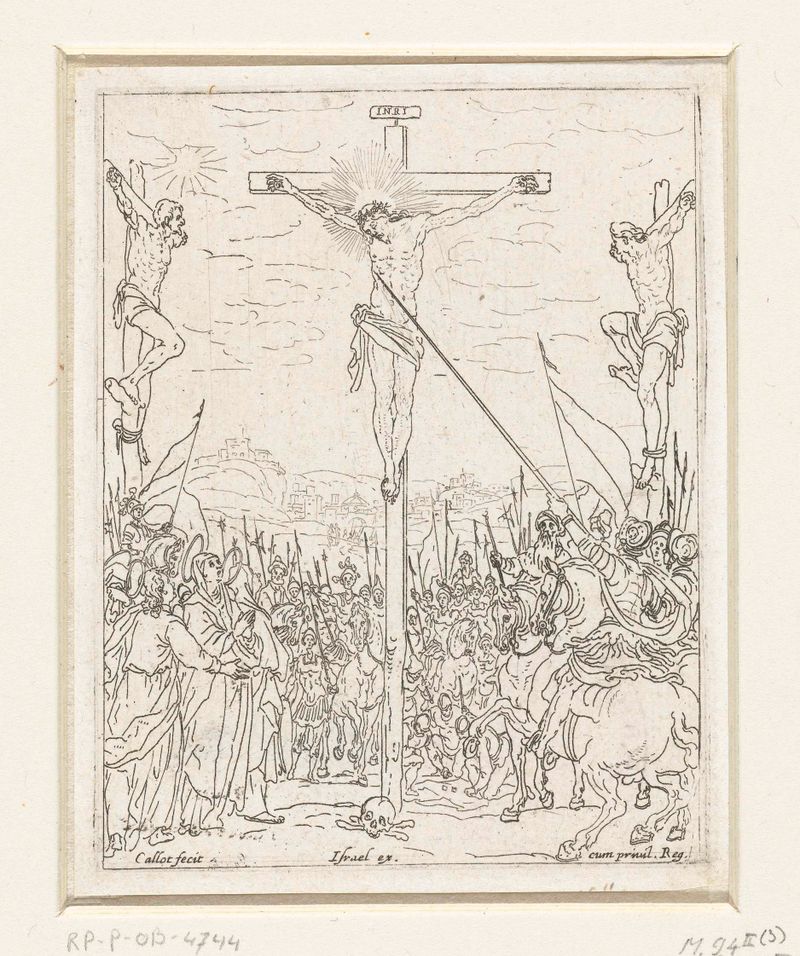
Kruisiging
Jacques Callot

De doortocht door de Rode Zee
Jacques Callot

De verloren zoon als zwijnenhoeder
Jacques Callot

Annunciatie
Jacques Callot
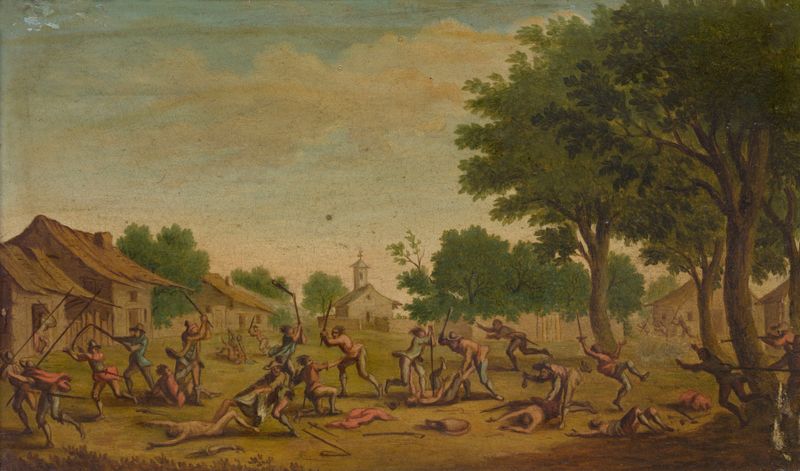
Village Fight
Jacques Callot

Titelprent voor prentreeks 'Het leven van Maria'
Jacques Callot
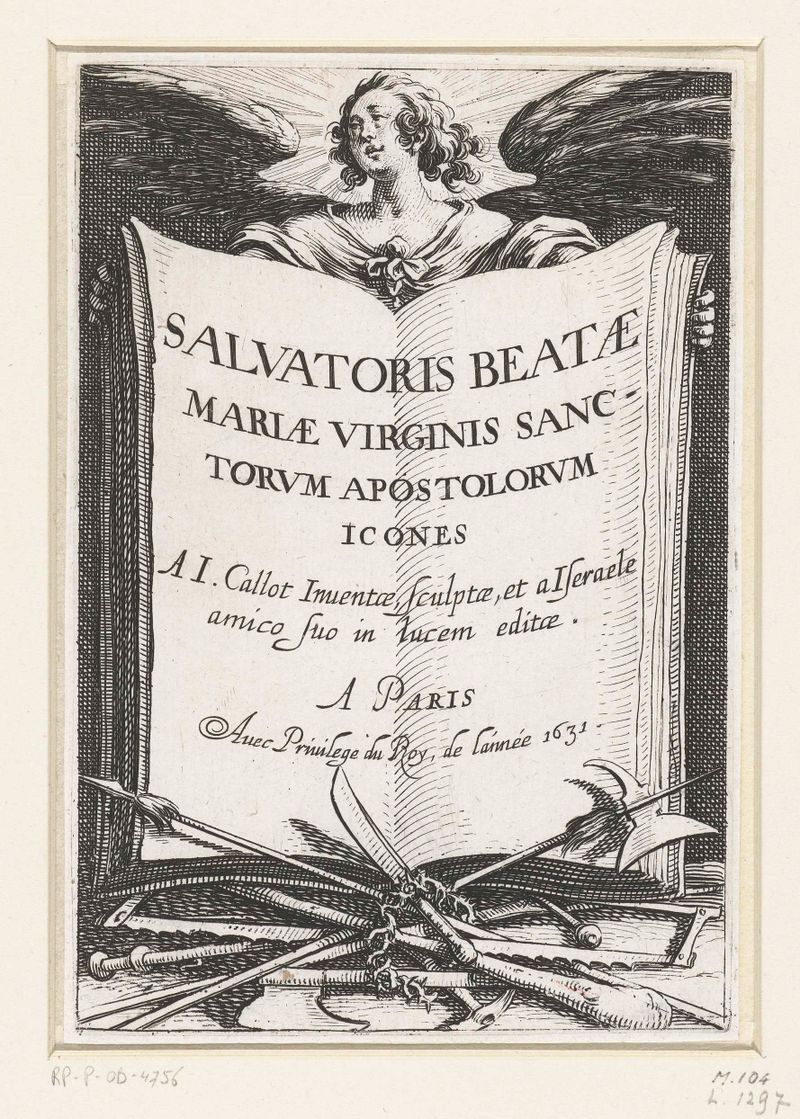
Titelprent voor de prentreeks 'De grote apostelen' (Christus, Maria en de apostelen)
Jacques Callot

Christus aan het volk getoond (Ecce homo)
Jacques Callot
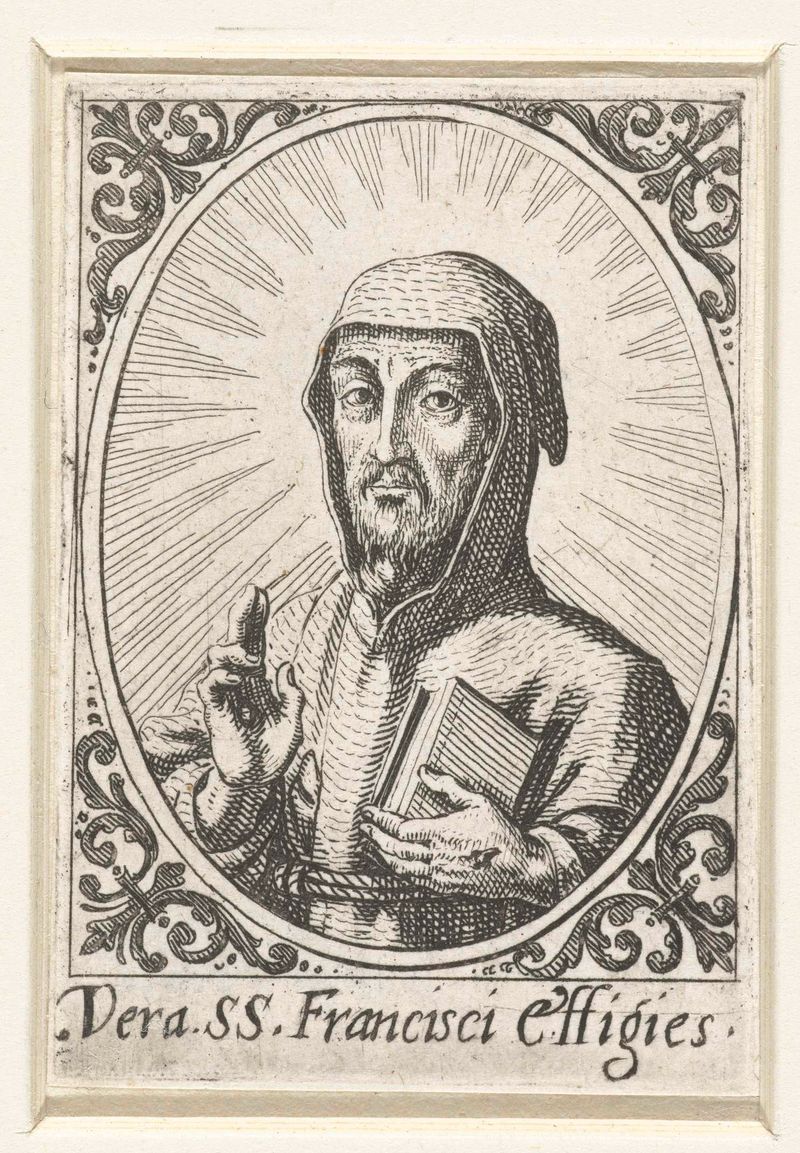
Portret van de Heilige Franciscus
Jacques Callot
More Religious Art
Browse all →
The Return of the Prodigal Son
Rembrandt van Rijn

The Garden of Earthly Delights
El Bosco

Count Orgaz’ funeral
El Greco

The Hundred Guilder Print: the central piece with Christ preaching, the plate arched
Rembrandt van Rijn

The Descent from the Cross
Rogier van der Weyden

The return of the prodigal son
Rembrandt van Rijn